Poetry and Music: The Synergy Between Lyrics and Melodies in Creative Expression
The Profound Connection Between Poetry and Music
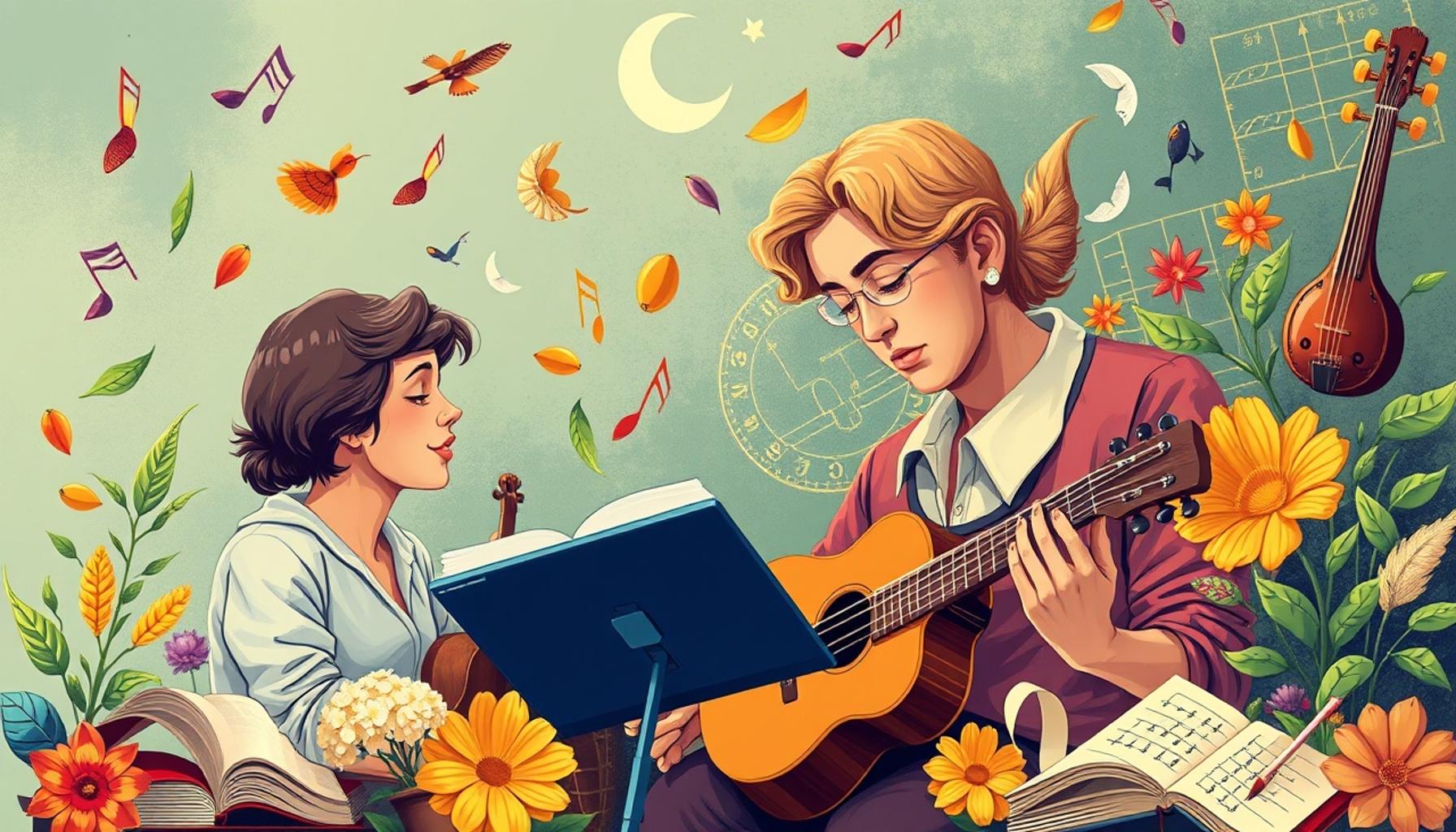
Throughout history, the intertwining of poetry and music has captivated audiences and inspired countless artists. Both forms of creative expression harness the power of language and sound to convey profound emotions and timeless stories. This intersection not only enhances the personal experience of both mediums but also offers a rich tapestry through which we can explore our shared humanity.
The lyricism found in poetry and music is one of the key facets illustrating their relationship. Both poets and songwriters frequently use a similar structure characterized by the use of metaphor, simile, and storytelling. For instance, consider the works of Langston Hughes, whose verses often blend the rhythm intrinsic to African American musical traditions like jazz and blues. His poem “The Negro Speaks of Rivers” exemplifies how the careful selection of language can evoke a melody of its own. Similarly, renowned songwriters like Taylor Swift craft lyrics that are not only catchy but also narrate compelling stories, inviting the listener to immerse themselves in the emotion embedded within each line.
Emotion plays a pivotal role in both poetry and music, as they resonate deeply with audiences by tapping into universal themes. Love, loss, joy, and despair are common threads that weave through the fabric of both art forms. The Beatles’ poignant lyrics in “Yesterday” encapsulate the essence of nostalgia and heartbreak, revealing how music can articulate feelings that are often challenging to express. Likewise, W. B. Yeats, in his poetry, articulates the complexities of human emotions, illustrating how the written word can evoke a similar response to that of music.
- Performance: Both poetry and music thrive on the art of performance, as the performer breathes life into words. Whether recited in a dimly lit café or belted out on a grand stage, the delivery of these art forms is crucial. The emotional connection between the performer and the audience can transform ordinary words into powerful experiences.
- Cultural Significance: In American culture, the fusion of music and poetry has generated notable movements, such as the Beat Generation, where poets like Allen Ginsberg explored the rhythm of language in a manner reminiscent of jazz improvisation.
Iconic figures such as Bob Dylan and Maya Angelou have successfully demonstrated how music and poetry complement each other, creating art that resonates across generations. Dylan’s fusion of poetic storytelling with his musical compositions has earned him a place in the pantheon of great artists, while Angelou’s powerful verses, often recited in spoken word formats, move audiences with their rhythmic grace and compelling messages.
As we delve into this rich intersection of creativity, we uncover not only the elements that bind poetry and music but also their potential to inspire. By exploring how these forms evolve together, we gain insights into the enduring power of human expression. Join us in this artistic journey and discover the depths of inspiration that arise when words and melodies unite.
The Structural Harmony of Lyrics and Verses
When we consider the synergy between poetry and music, one cannot overlook the structural elements that unite the two forms. Both genres thrive on rhythm, meter, and sound, engaging the audience not just intellectually but also sensually. The profound inner workings of language play a crucial role, as the careful arrangement of words creates a musicality that can be experienced in both spoken poetry and song lyrics.
The rhythmic quality of poetry often creates a natural inclination towards musicality. This is evident in the practice of poets employing techniques such as alliteration, assonance, and rhyme. For example, the spirited verses of poets like Maya Angelou can be read aloud with a tempo that resonates with the essence of gospel music. In her celebrated poem “Still I Rise,” the rhythm and rhyme intertwine seamlessly, resulting in a cadence that mirrors the uplifting melodies of a powerful anthem.
Conversely, song lyrics are an undeniable extension of poetic expression, often prioritizing not just the message but also the flow and beat. Notable artists like Kendrick Lamar exemplify how the intersection of poetic devices and musical rhythm can create profound commentary on societal issues. Tracks like “Alright” showcase how powerful lyrics can evoke emotional responses akin to those found in poetry, while simultaneously being accompanied by powerful melodies that enhance the listener’s experience.
- Imagery: Both poetry and music rely on vivid imagery to create connections with the audience. From the heartfelt metaphorical depictions in John Keats’ “Ode on a Grecian Urn” to the gripping visuals in Rihanna’s song “Umbrella,” imagery transports the audience to different emotional landscapes.
- Repetition: This is a common device bridging both poetry and song. Repetitive phrases in songs like Adele’s “Hello” emphasize sentiment and ensure memorability, while poets like Robert Frost effectively repeat lines to reinforce themes in their works.
- Emotion Conveyance: Whether it’s the reflective tone of a serene poem or the energetic buzz of a pop hit, both mediums excel at tapping into the emotional spectrum, guiding the audience toward specific feelings and reflections.
The power of lyrics and melody lies not only in their individual artistry but also in the visceral connection they create together. The collaborative essence of music and poetry offers a wealth of opportunities for transmission of ideas and feelings, enabling artists to explore and articulate their experiences in a multifaceted manner. This notion invites us to ask intriguing questions: How do poets adapt to musical forms, and how do musicians draw inspiration from poetic traditions? A closer inspection reveals that the dialogue between these two forms is continually evolving, inviting new generations to discover the richness of human expression.
As we further dissect the coalescence of poetry and music, we will find that the historical context and cultural movements reinforcing their bond only deepen our appreciation for this duality in artistic expression.
| Advantage | Details |
|---|---|
| Enhanced Emotional Impact | Music enhances the emotional resonance of poetry, elevating the listener’s experience by creating a multi-sensory journey. |
| Cultural Connection | Lyrics often reflect cultural narratives, bringing listeners together through shared experiences and sentiments expressed in melodies. |
The interplay between poetry and music not only enhances individual artistic expression but fosters a communal understanding of profound emotions and culturally relevant themes. Combining lyrical structure with musical elements transcends mere entertainment—it’s a unified form of storytelling. As evident in genres like folk, hip-hop, and ballads, artists weave their personal narratives with universal themes, resonating deeply within their audience. Furthermore, exploring the historical context reveals how many genres have roots in poetic traditions, illustrating the timelessness of this creative fusion. The rhythmic quality of poetry and its thematic depth serve as a solid foundation for musical exploration, inviting collaboration and innovation. In the world of contemporary art, this synergy continues to inspire creators, leading to impactful artistic movements that redefine creative expression through the lens of combined forms.
Cultural Context and Historical Evolution
To understand the synergy between poetry and music, it is essential to explore the rich cultural contexts and historical traditions that have shaped these forms of expression. Throughout history, poetry and music have intermingled seamlessly, with some of the earliest forms of human expression combining rhythm, melody, and lyrical storytelling. From ancient civilizations such as the Greeks, who revered poetic forms linked to the lyre, to the tribal cultures that used song as a means of cultural preservation and oral storytelling, the bond between these artistic mediums is deeply rooted.
The Renaissance era marked a significant evolution in this relationship, as poetry became intricately woven into the fabric of musical composition. Composers like Guillaume de Machaut developed the concept of “melodic poetry,” transforming poetic texts into complex musical arrangements. This practice laid the groundwork for further developments during the Baroque and Classical periods, where greats like Bach and Mozart drew inspiration from poetic themes, often adapting the words of previous poets into their compositions.
In the United States, the connection between poetry and music entered a transformative phase with the advent of genres like jazz and blues. Artists such as Langston Hughes and Billie Holiday championed the narrative power of poetic rhythm, intertwining spoken word with emotionally charged melodies. Jazz, in particular, allows for improvisation that mirrors the spontaneity of poetic expression, creating an ongoing conversation between the spoken and the sung. Consider the impact of Hughes’ “The Weary Blues,” where the rhythm of the lines conveys the essence of blues music, illustrating how these art forms can transcend their boundaries.
- Folk Movements: The 1960s folk music revival championed artists like Bob Dylan and Joan Baez, who blended profound poetic lyrics with simple yet impactful melodies. Dylan’s “Blowin’ in the Wind” serves as a compelling example of how lyrics infused with social and political themes can resonate deeply when paired with music.
- Hip-Hop’s Rise: In contemporary culture, hip-hop has emerged as a potent vehicle for poetic expression. Artists like Chance the Rapper and Rapsody weave intricate narratives and lyricism that echo traditional poetic themes of struggle, identity, and resilience, often employing varied musical styles that reflect their diverse experiences.
- Spoken Word and Performance: The rise of the spoken word movement has reimagined poetry as a performance art that incorporates musical elements. Events like poetry slams and open mic nights blend rhythm and lyricism, enabling the audience to engage with the art form through live performances that evoke the musicality inherent in poetry.
As the cultural landscape evolves, so too does the interplay between poetry and music. New technology and digital platforms have democratized access to these art forms, allowing aspiring poets and musicians to collaborate in unprecedented ways. Artists can now share their performances online, merging both mediums to reach a broader audience. The fusion of lyrical expertise with melodic innovation continues to redefine creative expression, suggesting that the nexus between poetry and music is far from static but an ever-evolving synergy.
Conclusion: The Ever-Evolving Fusion of Poetry and Music
The dynamic relationship between poetry and music has persisted through centuries, evolving alongside cultural shifts and technological advancements. From ancient times, where rhythm and rhyme coalesced to tell vibrant stories, to the sophisticated compositions of the Renaissance and the impactful genres of the 20th century, the synergy between lyrics and melodies remains a vital part of creative expression. Artists continuously push the boundaries, blending these forms to convey emotion, provoke thought, and ignite social change.
In modern times, various genres, including hip-hop and spoken word poetry, exemplify the powerful marriage of literary artistry and musicality. With platforms like social media, poets and musicians can now reach wider audiences and collaborate in ways previously unimaginable, further enriching the landscape of artistic expression. This intersection allows new voices to be heard, whether through a gut-wrenching verse on societal issues or an impromptu jazz improvisation that echoes poetic sentiment.
Ultimately, the synergy between poetry and music is not merely a historical fascination but a living, breathing collaboration that reflects the human experience. As we look to the future, this interplay promises to innovate and inspire, signaling that the essence of storytelling—whether through written word or melody—will continue to resonate deeply within us. The journey to discover the profound connections between these two art forms urges us to explore our own creative depths and appreciate the multiplicity of expressions that enrich our lives.