The Science Behind Cooking: Understanding Chemical Reactions in the Kitchen to Improve Your Recipes
The Science Behind Cooking
Cooking transcends the mere act of preparing food; it embodies a rich tapestry woven with the threads of science. Each moment spent in the kitchen delves into an intricate world where the right application of chemical reactions plays a pivotal role in crafting memorable culinary experiences. Familiarizing yourself with these reactions will not only make you a better cook but can also inject a sense of excitement into your kitchen adventures.
Understanding Key Chemical Reactions
At the heart of culinary chemistry lies a myriad of reactions that transform ordinary ingredients into gourmet creations. Below are some of the crucial processes that every aspiring chef should understand:
- Maillard Reaction: This reaction is responsible for the tantalizing brown color and rich flavor we associate with grilled meats, roasted vegetables, and baked goods. When proteins and sugars react under high heat, the chemical changes yield a spectrum of complex flavors, enhancing the taste of dishes like steaks and crusty bread. For example, the perfect sear on a filet mignon is a direct result of the Maillard reaction. The browning adds an umami quality that elevates the dish.)
- Emulsification: Vital for creating velvety sauces, emulsification involves combining two immiscible liquids, such as oil and water. Mayonnaise is a classic example, where egg yolk acts as an emulsifier, stabilizing the mixture. Consider how an emulsified vinaigrette can elevate a simple green salad, underscoring the importance of this process in achieving a perfect consistency and flavor balance.
- Fermentation: This fascinating process takes advantage of microorganisms, such as bacteria and yeast, to transform raw ingredients into something incredibly flavorful. Take yogurt, for instance; the addition of live cultures to milk carries out fermentation, producing a tangy flavor and creaminess. Similarly, bread-making is elevated through the use of yeast, which creates air pockets in dough, leading to that fluffy texture we all love in sourdough.
The Culinary Experimentation Journey
Exploring the science of cooking opens the door to a thrilling culinary adventure. Grasping how ingredients interact when exposed to varying temperatures or techniques allows for fine-tuning recipes to perfection. Imagine creating the ultimate chocolate chip cookie: understanding how the creaming of butter and sugar activates the Maillard reaction can help you achieve a golden-brown cookie with a chewy center.
As you delve deeper into these scientific principles, remember that cooking is not just about following recipes. It is an opportunity for creativity and innovation. Acknowledging how different cooking methods affect flavor profiles will not only refine your skills but also inspire you to experiment fearlessly with your meals.
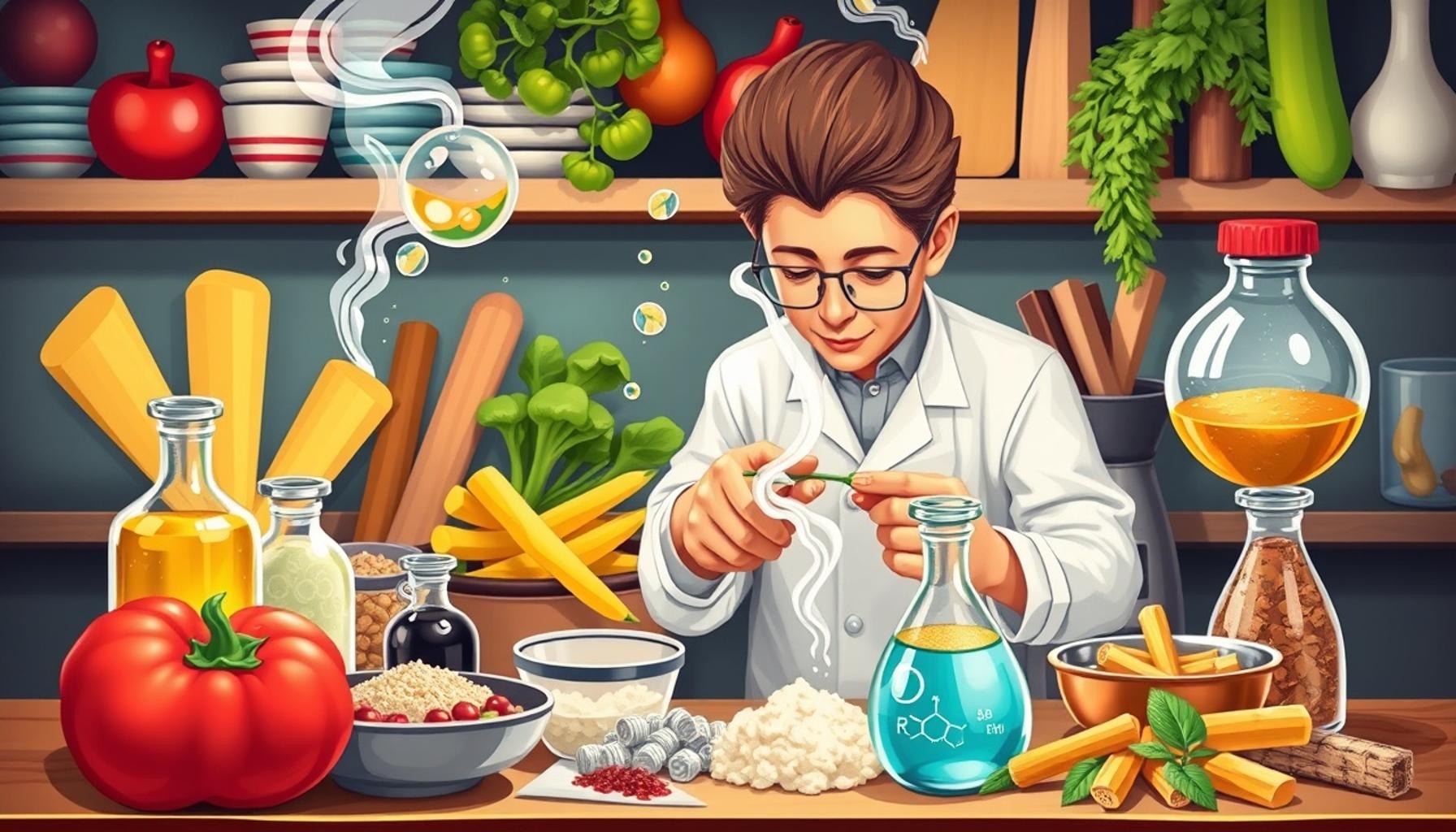
So, whether you’re striving for that irresistible glaze on your roasted Brussels sprouts or attempting to master the art of soufflé, embracing the scientific aspects of cooking can transform your daily routine into an enthralling exploration. Prepare to turn your kitchen into a laboratory of flavors, where each dish is a unique experiment waiting to be tasted.
Unlocking the Flavor Profile: Essential Chemical Changes in Cooking
A deeper understanding of the chemical reactions occurring in our kitchens can elevate everyday cooking into an art form. By recognizing the underlying science, you can enhance flavors, improve textures, and create dishes that leave a lasting impression. Let’s delve into some of the pivotal chemical processes that play a crucial role in cooking:
- Caramelization: This process involves the oxidation of sugar, which generates a rich, complex flavor profile. When sugar is heated beyond its melting point, it transforms into a golden-brown syrup, developing notes of nuttiness and toffee. Caramelization is integral in sweet and savory dishes alike, from searing onions until they turn brown and sweet to drizzling caramel sauce over desserts. Understanding the optimal temperatures for caramelization (around 320°F to 350°F) can help you achieve that perfect balance between sweetness and depth.
- Denaturation and Coagulation: These terms describe how proteins change when exposed to heat. Denaturation involves the unfolding of proteins, while coagulation is the process by which these proteins form a solid structure. This is especially evident in egg dishes, where the transformation from a runny mixture to a firm, fluffy texture occurs when heated. Mastering the art of cooking eggs—whether scrambled, poached, or omelet—requires knowledge of these protein reactions to achieve the desired consistency.
- Acid-Base Reactions: These reactions can significantly modify the taste and texture of your dishes. Adding an acid, such as lemon juice or vinegar, to baking soda activates a chemical reaction that produces carbon dioxide gas, leading to a rise in baked goods. This is why understanding the ratios of acid and base is core to achieving perfectly fluffy cakes or pancakes.
- Gelatinization: This critical process occurs when starches are heated in the presence of water, leading to thickening and stabilization in various dishes. Consider the creamy texture of sauces and gravies, where the right balance of heat and hydration is key. Knowing when to add starch (like flour or cornstarch) and how much to use can greatly impact the final result of your dish.
Mastering these essential chemical reactions is not just a matter of following a recipe; it is about grasping how each ingredient interacts and contributes to the overall outcome. It enables you to adapt and innovate, transforming simple dishes into extraordinary culinary feats. For instance, variations in cooking temperature can dramatically alter the caramelization process, leading to variations in flavor that can either enhance or detract from your dish.
As you embark on your culinary experimentation journey, consider keeping a kitchen journal. Documenting variations in cooking processes and their outcomes allows you to refine your techniques and preferences over time. This scientific inquiry into cooking will enhance your culinary repertoire and deepen your appreciation for the alchemy that unfolds in your kitchen.
| Category | Details |
|---|---|
| Flavor Development | Understanding Maillard Reaction enhances the flavor profile of meats, resulting in golden-brown, taste-rich dishes. |
| Texture Enhancement | Utilizing emulsification can transform your sauces, giving them a smooth, velvety texture that elevates your recipes. |
When we delve deeper into the science of cooking, understanding chemical reactions becomes essential for anyone eager to refine their culinary creations. For example, the Maillard reaction, a complex series of reactions between amino acids and reducing sugars, occurs when food is heated, giving it a rich flavor and appealing color. This phenomenon not only enhances your meat dishes but applies equally to bread crusts, roasted vegetables, and even sweets, making flavor exploration limitless.In addition, the scientific principle of emulsification is crucial in developing a myriad of textures, especially in sauces like mayonnaise and salad dressings. By harnessing the power of emulsifiers, you’ll create sauces that are not only thicker but also more satisfying. Understanding such reactions can help you manipulate ingredients to achieve desired tastes and textures, allowing your culinary skills to reach new heights. The right blend of science and art in cooking can transform ordinary meals into extraordinary dining experiences, resulting in dishes that are both innovative and delightful.
The Role of Enzymes and Fermentation in Culinary Creativity
In addition to the fundamental chemical changes that occur when we heat our ingredients, understanding the role of enzymes and fermentation can open up a world of possibilities in your cooking. These biological catalysts and processes not only enhance flavors but also transform ingredients in remarkable ways, leading to innovative recipes and unique culinary experiences.
- Enzymatic Browning: This fascinating process occurs when fruits, vegetables, and other oxygen-rich foods are cut or bruised, exposing their enzymes to oxygen. The result is a browning reaction, which can alter the appearance and flavor profile of your dishes. For example, when you slice an apple and leave it exposed to air, it begins to brown—a natural process that indicates flavor changes. To prevent enzymatic browning, acidic ingredients like lemon juice can be applied, not only preserving the color but also adding a zesty kick. Understanding this reaction allows you to enhance the freshness of salads or fruit compositions.
- Fermentation: This age-old process, utilized in foods such as yogurt, sauerkraut, and kimchi, relies on microorganisms to break down sugars and produce acids, gases, or alcohol. The interplay of bacteria and yeast can dramatically alter the flavor, texture, and nutritional value of foods. The art of fermentation can seem complex, but a basic understanding of how these microorganisms work grants you valuable insights into creating your own sourdough bread or picking vegetables at home. Experimenting with fermentation introduces an entirely new dimension to your cooking and contributes probiotics to your diet for improved gut health.
- Maillard Reaction: Similar to caramelization, the Maillard reaction is another key reaction that enhances flavor but occurs between amino acids and reducing sugars at higher temperatures (usually above 285°F). This complex process is responsible for the delicious, roasted, and savory flavors found in grilled meats, toasted bread, and many baked goods. Mastering the timing and techniques for this reaction can lead to more flavorful roasted vegetables or the perfect crust on a steak. The ability to harness this reaction can help elevate your grilling skills and add layers of flavor without the need for excessive seasoning.
- Emulsification: A blend of imiscible liquids, often oil and water, emulsification is essential for creating smooth dressings, sauces, and even mayonnaise. By vigorously mixing these liquids with the help of an emulsifier (such as egg yolk or mustard), you can achieve a stable and creamy texture. Understanding the science of emulsification not only allows for the perfect vinaigrette but also builds foundational skills for making custards and ice creams. This duality of texture and flavor can be a game-changer in many culinary applications.
As you experiment with these biochemical processes in your cooking, consider the impact of temperature, time, and the presence of other ingredients on each reaction. From low-and-slow roasting techniques that enhance the Maillard reaction to the dynamic world of fermentation that leads to tangy and complex flavors, the kitchen becomes a laboratory for creativity and innovation. By embracing these scientific concepts, you can unlock new culinary potential, offering dishes that not only taste incredible but tell a story through the transformation of ordinary ingredients into culinary masterpieces.
Conclusion: Unlocking the Culinary Potential through Science
In conclusion, the intricate chemical reactions that occur in the kitchen are not just the foundation of cooking; they are the keys to unlocking a world of flavor and creativity. By delving into the science of enzymes, fermentation, and the Maillard reaction, home chefs can elevate their dishes from ordinary to extraordinary. Understanding these processes allows for informed experimentation, enabling you to craft recipes that surprise and delight.
Whether you are seeking to enhance the color and flavor of fresh fruits through enzymatic browning or to explore the tangy depths of fermentation in pickling and bread-making, the culinary landscape is filled with opportunities for innovation. Additionally, mastering the art of emulsification can transform your dressings and sauces, providing the foundation for countless dishes. Every step in this journey offers lessons that transcend the kitchen and foster a deeper appreciation for the science behind our food.
As you incorporate these scientific insights into your cooking, consider how small adjustments in technique or ingredient use can dramatically influence the final outcome. The kitchen is indeed a hub of chemistry—not just a place for meal preparation but a canvas for culinary artistry. By embracing the principles of science, you’ll transform routine cooking into a thrilling exploration of flavor and texture. As you embark on this journey, remember that every meal is an opportunity to innovate and share your passion for food through the lens of science.