
The Influence of Street Photography on Contemporary Urban Culture
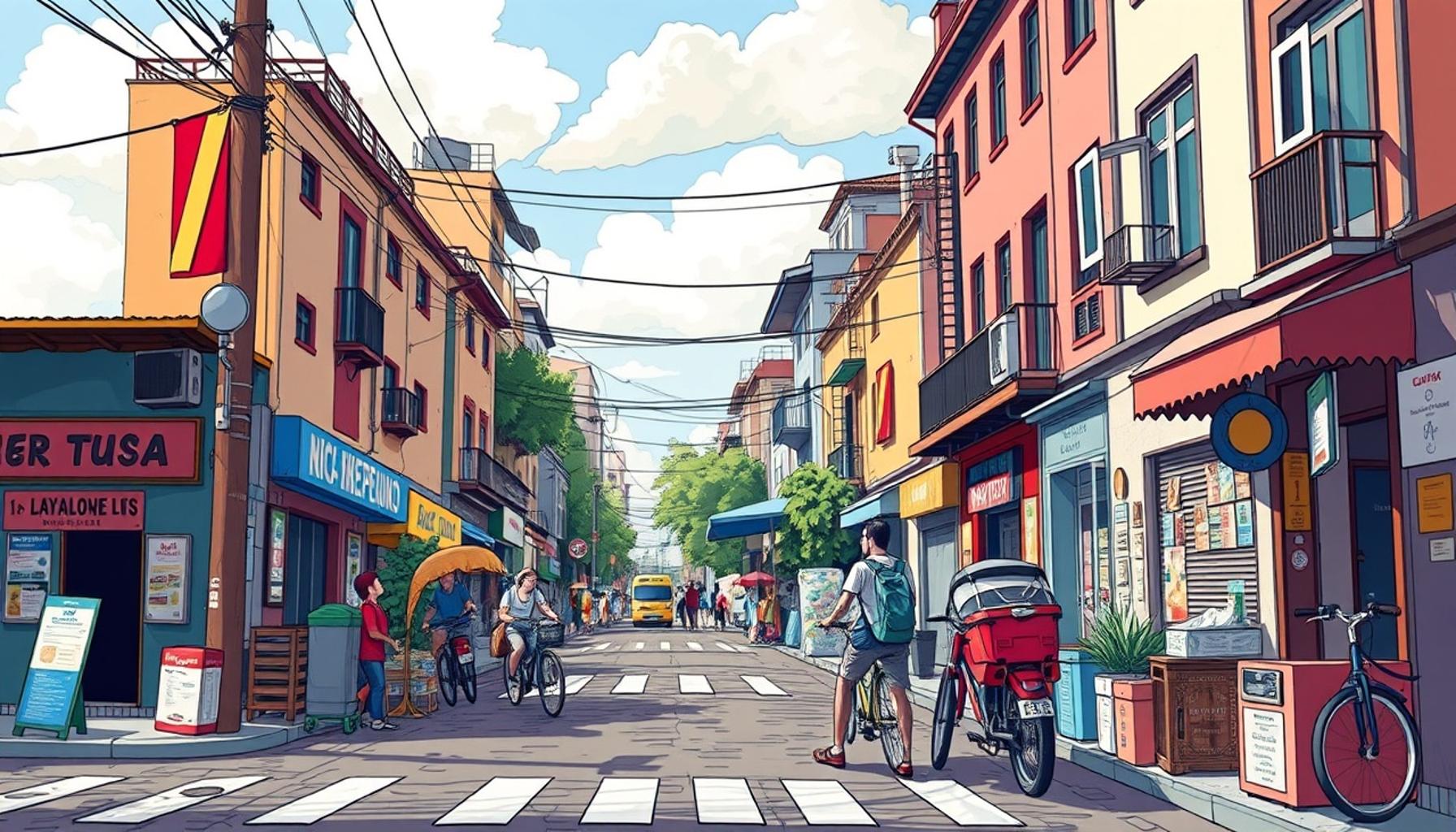
The Importance of Street Photography in Urban Environments
In the heart of urban America, street photography serves as a vibrant canvas reflecting the multitude of stories woven into the fabric of city life. By capturing spontaneous moments and candid expressions, this art form elevates mundane interactions into profound visual narratives, revealing the profound connections and complexities found in modern society.
Street photography influences urban culture in several remarkable ways:
- Documenting social changes: This genre often showcases the rich tapestry of diversity in cities, portraying individuals from different backgrounds and cultures interacting in shared spaces. For instance, in neighborhoods like Harlem in New York, street photographers have documented the evolution of community life, highlighting the impacts of demographic shifts and cultural festivals such as the African American Day Parade.
- Visual storytelling: Street photography can act as a bridge between disparate communities. Photographers like Eric Kim and Vivian Maier have used their lenses to tell stories that resonate on both personal and societal levels. By capturing moments of kindness or moments of tension, these images foster empathy and understanding among viewers, urging them to reflect on their own roles within the community.
- Public space dynamics: The ways in which people engage in public forums—like parks, plazas, and streets—reflect local identity and pride. As street photographers document gatherings at iconic locations such as San Francisco’s Mission District during the Day of the Dead celebrations, these images encapsulate the cultural significance and communal spirit present in urban spaces.
From the gritty streets of New York City, illuminated by the glow of neon lights, to the sun-drenched boulevards of Los Angeles, each photograph serves as a window into a moment that may never be repeated. These fleeting instances offer not just visual pleasure but also a call to comprehension—understanding the reality that resides beneath the surface.
Moreover, street photography plays a critical role in challenging perceptions surrounding crucial issues such as gentrification, social justice, and cultural identity. For example, photographers document the stark contrasts of upscale developments alongside long-standing community establishments, shedding light on how urban landscapes evolve and often displace longstanding residents. This kind of imagery can provoke important conversations about equity, belonging, and the future of urban living.
As viewers engage with the work of street photographers, they are encouraged to question their surroundings and the sociopolitical structures that influence urban life. By exploring the intersection of photography and urban experiences, we gain insights into the narratives shaping our communities, ultimately enlightening our understanding of the intricate spaces in which we live.
The Transformative Power of Street Photography
Street photography is much more than a spontaneous click of the camera; it is a lens through which we can observe the intricate dynamics of urban life. This genre transcends mere artistry, embodying a powerful cultural phenomenon that shapes the way we perceive and engage with our surroundings. The vibrant scenes captured in cities across America reveal the interplay between identity, community, and change, shedding light on issues that impact contemporary urban culture.
At the forefront of this visual movement are several key areas where street photography profoundly impacts urban culture:
- Illuminating social issues: Photographers like Humans of New York have shared narratives that expose the struggles and triumphs of city residents. These images often touch on pressing social issues, from homelessness to immigration. By humanizing these topics, street photography encourages dialogue around societal challenges, inviting communities to confront uncomfortable realities.
- Architecting local narratives: Each city possesses a unique history and demographic identity, which street photography captures beautifully. For instance, in cities like Chicago, photographers have documented gentrification’s effects, illustrating the complex relationships between new developments and historical neighborhoods. Such photographs not only tell individual stories but also encapsulate the collective experience of urban transformation.
- Enhancing cultural representation: Street photography amplifies the voices often sidelined in mainstream media. It showcases the cultural tapestry that exists in urban areas, from vibrant murals to lively festivals. By capturing moments from events like the San Francisco Pride Parade or the New Orleans Jazz & Heritage Festival, photographers promote cultural appreciation and foster inclusivity, encouraging a deeper understanding of diverse backgrounds.
As street photographers navigate through bustling city streets, what they capture goes beyond aesthetics; it forms a record of the society in which we live. Each snapshot invites the viewer to pause and reflect on the narrative behind the image, turning a fleeting moment into a lasting conversation piece.
This art form also challenges the preconceived notions of urban life, especially regarding public safety and community cohesion. In an age where social media can skew perceptions, street photography provides a counter-narrative, showcasing moments of connection, laughter, and humanity that often remain overlooked. The juxtaposition of fragmented lives against the backdrop of urbanity invites viewers to delve deeper into the complexities within their own communities.
Furthermore, street photography encourages a sense of place, revealing how individuals interact and form relationships in public spaces. As images of vibrant street fairs, farmers’ markets, and spontaneous gatherings flood our feeds, they serve as reminders that cities are living, breathing entities filled with stories waiting to be told. This fosters a sense of belonging and reinforces the idea that each individual contributes to the urban tapestry in meaningful ways.
In exploring the intricate relationship between street photography and contemporary urban culture, we unveil a world filled with voices that deserve to be heard and stories that demand recognition. Each photograph builds a narrative that gradually reshapes our understanding of urban life, producing a cultural evolution crafted by the eye of the observer.
The Vital Role of Street Photography in Urban Exploration
Street photography serves as a powerful lens through which contemporary urban culture is both documented and critiqued. It reveals not just the aesthetic beauty of the cityscape but also exposes the raw and often unfiltered reality of urban life. By capturing candid moments, street photographers offer us glimpses into the diverse lives of city dwellers, breaking down barriers created by social and economic divides. This art form empowers individuals to see their urban environment through a fresh perspective, pushing enthusiasts and laypersons alike to explore their surroundings with renewed curiosity. Moreover, street photography challenges conventional norms and societal expectations. It acts as a platform for voices often overlooked, including marginalized communities. By showcasing these narratives, photography advocates for social change and cultural awareness, highlighting the issues that affect urban life—such as gentrification, inequality, and cultural identity. As we delve deeper into the intersections of street photography and contemporary urban culture, we uncover a rich tapestry of themes that foster dialogue and understanding. The depth of this art form encourages not only personal reflection but also communal discussions on what it means to inhabit urban spaces in an ever-evolving society.
| Category 1 | Category 2 |
|---|---|
| Cultural Reflection | Street photography reveals urban culture, showcasing both its beauty and challenges. |
| Social Commentary | This medium addresses urban issues like inequality and identity, fostering awareness. |
The lasting influence of street photography on urban life is profound; it not only shapes the artistic narrative but also serves as a catalyst for social dialogue, enlightening us on the multifaceted experiences of living in a city. Through this exploration, we are prompted to engage with the world around us, encouraging a deeper understanding of our daily environments and the stories that unfold within them.
Capturing the Pulse of Urban Life
Street photography serves as a critical medium for documenting the daily experiences that shape urban landscapes. By focusing on the unscripted moments of city life, photographers create snapshots that resonate with viewers from all walks of life. This genre pushes the boundaries of traditional photography, allowing for a raw portrayal of urban existence that encourages a deeper social awareness.
One of the most significant impacts of street photography is its role in fostering community engagement. By sharing candid moments that depict vibrant local scenes, photographers inspire individuals to explore their own neighborhoods and connect with one another. This visual storytelling acts as a catalyst for communal pride and collaboration, inviting residents to step beyond their immediate horizons and embrace a collective identity. Events such as the New York City Street Photography Festival draw attention to this phenomenon, where community members engage with local photographers and witness the power of their stories firsthand.
Moreover, street photography has evolved alongside technology, particularly with the advent of social media. Platforms such as Instagram have democratized the field, enabling amateur and professional photographers alike to share their work instantaneously. This accessibility has given rise to grassroots movements, revealing lesser-known urban areas traditionally absent from mainstream narratives. For instance, hashtags such as #WeAreNotInvisible showcase the experiences of marginalized communities, drawing attention to their stories and fostering a broader understanding of urban dynamics.
Additionally, the emotional resonance captured in street photography is fundamental to its influence on contemporary urban culture. Each photograph encapsulates a moment that sparks curiosity and connection. For example, images depicting a mother and child sharing an intimate moment on a city bench or friends laughing at a pop-up event foster emotional relationships with the viewer. These visuals create a collage of emotions, resonating deeply with individuals and encouraging them to reflect on their shared experiences in bustling urban environments.
Street photography also plays a vital role in documenting urban change and resilience. As cities undergo rapid transformations—often driven by factors such as gentrification, urban development, and climate change—street photographers act as historians, chronicling these evolutions through their lens. The work of photographers like Jamel Shabazz, who documents the vibrant culture of New York City through the lens of the 1980s and onward, highlights both the progression and challenges faced by urban communities. These images become crucial records, urging societies to honor their past while navigating the complexities of the present and future.
The interplay between street photography and contemporary urban culture reveals an intricate tapestry of experiences, challenges, and triumphs. Each photograph has the power to speak beyond its visual confines, navigating the nuances of identity, culture, and collective memory. By shining a spotlight on the everyday moments that might otherwise go unnoticed, street photography not only informs and educates but also enriches our understanding of urban life in the United States today.
Concluding Reflections on Street Photography’s Impact
The influence of street photography on contemporary urban culture is profound and multifaceted. By capturing the everyday realities of city life, this genre not only chronicles social dynamics but also helps foster a sense of community and belonging. In an era where interconnectedness is paramount, street photography serves as a bridge, inviting individuals to re-engage with their surroundings. Through powerful images, we witness how these candid moments can inspire dialogue, empathy, and a unified urban identity.
Furthermore, as street photography adapts to technological advancements, notably the rise of social media, it amplifies diverse narratives that might otherwise remain marginalized. This democratization of the art form allows for a more inclusive representation of urban existence, urging society to confront and embrace the complexities of its urban landscape. The digital age has not only expanded the reach of these photographs but has also created movements that advocate for social justice and visibility.
In essence, street photography offers an emotional tapestry, weaving together stories that resonate with viewers on a personal level. From intimate moments shared between strangers to evocative captures that reflect urban change, this art form acts as both a mirror and a lens through which we can better understand ourselves and our communities. As cities continue to evolve, the work of street photographers will remain crucial, documenting the pulse of urban life and serving as a reminder of the collective experiences that shape our environments.