Kitchen of Memory: Recreating Family Recipes and Their Stories
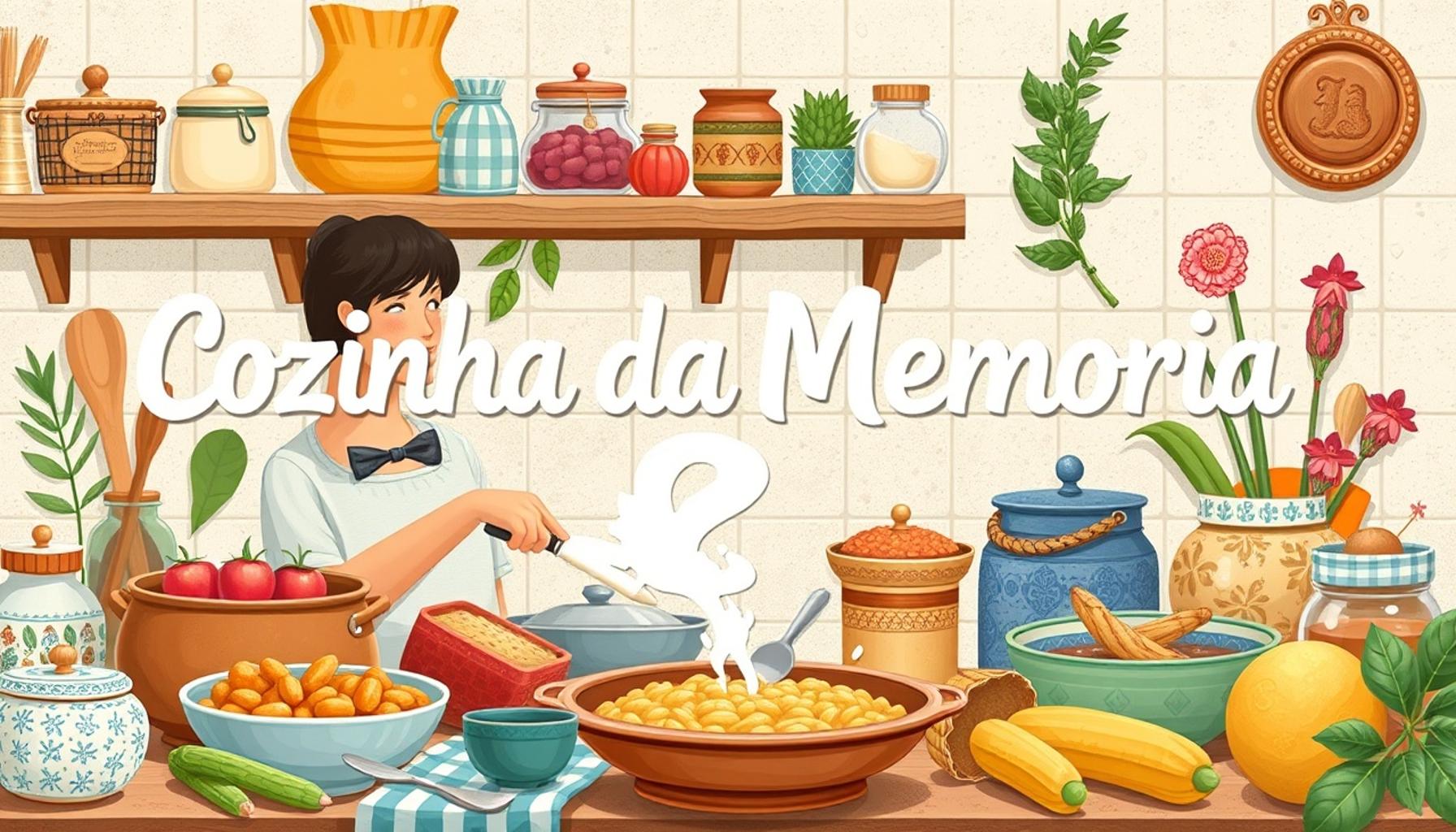
Exploring the Heart of Home Cooking
Every family has recipes that tell stories as rich and deep as the flavors they create. Recreating these beloved dishes connects us to our roots, evoking cherished memories and a sense of belonging. The kitchen becomes a canvas for tradition, transforming simple ingredients into legacies passed down through generations. With each simmering pot and baking tray pulled from the oven, we breathe life into our heritage, allowing the aroma of garlic and onions or the sweet scent of baked pie to take us back to moments spent with loved ones.
The Power of Family Recipes
Family recipes are more than just a collection of ingredients and steps; they are threads woven into the fabric of our history. These cherished dishes represent:
- Heritage: Recipes often reflect cultural backgrounds and regional influences. For instance, a classic Southern dish like gumbo might tell the story of Creole and Cajun traditions, while a New England clam chowder connects to the coastal communities and their robust seafood heritage.
- Emotional connections: Specific dishes can trigger fond memories of gatherings and celebrations. Perhaps your grandmother’s famous chocolate chip cookies remind you of rainy afternoons spent baking together, filling the house with warmth and laughter. Each bite can transport us back to moments that made us feel cherished and loved.
- Continuity: Preparing these recipes helps instill family traditions in younger generations. Teaching your children how to roll out dough for pie crusts or stir a pot of family chili not only imparts culinary skills but also nurtures a sense of identity and belonging. It is a way to whisper the family’s past to the future.
The Journey to Recreate
Recreating these treasured recipes involves more than simply following a guide; it requires engagement on various levels:
- Storytelling: Each dish carries memories and anecdotes to share while cooking. When preparing your family’s minestrone soup, recount how it was often made on Sunday evenings while gathering for family game night, infusing the cooking process with warmth and nostalgia.
- Experimentation: Don’t be afraid to adapt recipes using modern ingredients or techniques. Swapping out traditional meats for plant-based alternatives or incorporating local, seasonal vegetables can breathe new life into an old classic, making it both relevant and exciting for today’s palate.
- Connection: Inviting family members to participate fosters bonding and shared experiences. Cooking with others can transform a simple meal into an event filled with joy and laughter. Maybe you can gather cousins to tackle Aunt Mary’s famous lasagna recipe together, creating memories in the kitchen that mirror those enjoyed around the dining table.
Delving into the kitchen of memory allows us to rediscover our family’s culinary history, serving not just food, but also a taste of our collective identity. Cooking, in its essence, is a way to honor and celebrate those who came before us, tying us to our roots while simultaneously allowing for creativity. Join us as we embark on this flavorful exploration, uncovering the stories behind the dishes that make our family gatherings unforgettable. As we explore every ingredient and every technique, we invite you to engage with your own family’s legacy, discovering the rich tapestry of flavors and memories that bind us all.
The Heartbeat of Culinary Tradition
The act of cooking is not merely about preparing food; it is an ancient ritual steeped in memories and narratives that connect us to our past. Each family has its own unique collection of recipes that serve as a culinary diary, chronicling experiences shared around the table. One such example is the cherished holiday turkey, which doesn’t simply sustain; it evokes the sound of laughter, the clinking of glasses, and the warmth of familiar faces coming together. This recipe can hold the power to transport us back to Thanksgivings spent at Grandma’s house, where every bite conjures up the essence of belonging.
The Significance of Recipe Preservation
In an age where fast food reigns and quick meal solutions are the norm, taking the time to recreate family recipes becomes a transformative experience. It reinforces the notion that food is more than just sustenance; it is a vital part of our cultural identity. This concept can be understood through the following dimensions:
- Culinary Heritage: Each recipe often comes with an accompanying story that reflects the time, place, and culture it originates from. For example, a traditional Irish stew might tell the tale of ancestors who survived through hard winters and minimal resources, turning simple ingredients into hearty cuisine that warmed their spirits.
- Flavorful Rituals: Engaging in the cooking process can evoke the rituals associated with them—lighting a candle as the pot simmers or gathering family members to share tales while chopping vegetables. These acts transform ingredient preparation into an emotional experience, one that strengthens bonds among generations.
- Recipe Evolution: As we recreate family recipes, we might feel the urge to infuse them with contemporary tastes or dietary preferences. Imagine a classic Italian risotto, reimagined with local seasonal vegetables, elevating the dish while honoring its roots. This merging of past and present showcases the flexibility of culinary tradition, allowing recipes to evolve without losing their essence.
Connecting Generations Through Cooking
Inviting family members into the kitchen enriches the experience, making it a space for collaboration and discovery. Involving children in the process of recreating a family dish not only teaches them practical cooking skills but also imparts valuable lessons about their heritage. Tasks like kneading dough for Grandma’s famous bread or perfecting the balance of flavors in a spicy salsa can create treasured memories, fostering a sense of identity and belonging.
For instance, hosting a family cooking night where each person is responsible for a different dish could transform an ordinary meal into a festive celebration of your family’s culinary history. As each dish comes together, stories are shared, and laughter fills the air, creating an atmosphere where every milestone—no matter how small—becomes significant.
In the end, the kitchen is not merely a space for cooking; it evolves into a memory-making hub where the past meets the present. Through the relishing of family recipes, we can discover our roots, strengthening the ties that bind us across generations. As we stir, chop, and taste our way through the narratives etched into our recipes, we invite you to explore your own family’s culinary traditions. Join us as we delve deeper into the flavors and stories that shape our identities, keeping rich legacies alive while crafting new memories.
| Category | Details |
|---|---|
| Culinary Heritage | Discover the profound stories behind family recipes that define cultural identities. |
| Nostalgic Memories | Recreating recipes evokes emotions and strengthens familial bonds, connecting generations through taste. |
In the rich tapestry of culinary culture, the “Kitchen of Memory: Recreating Family Recipes and Their Stories” serves as a delightful bridge that connects individuals with their heritage. Each dish, lovingly prepared from age-old recipes, carries with it not just flavors, but also treasured moments and familial narratives. As you navigate the intricacies of these recipes, you are not just cooking; you are participating in a tradition that breathes life into memories long cherished.The aspect of culinary heritage in this theme reveals how food acts as a vessel for personal and cultural histories. Families often share recipes that are signature to their identity, highlighting regional ingredients and cooking techniques that define them uniquely. By diving into these culinary stories, you become part of an ongoing dialogue that transcends time and geography.Moreover, reminiscing through nostalgic flavors does more than just satisfy the palate. It taps into the emotional sphere, providing comfort and a sense of belonging. The act of recreating a beloved family recipe can ignite discussions about the past, allowing stories to flourish as meals are shared. Cooking with the intention of honoring those who came before us fosters a connection that strengthens family ties, making it an invaluable experience worth exploring.
Culinary Innovations in Family Cuisine
As we navigate the delicate dance between tradition and modernity in our kitchens, it becomes crucial to recognize that the act of recreating family recipes does not solely involve carbon-copying old favorites. Instead, it presents an opportunity for culinary innovation, allowing us to adapt age-old meals to suit contemporary tastes and dietary needs while preserving their essence. This duality of respecting the past while embracing the present captures the rich tapestry of our culinary stories.
Adapting Dishes for Dietary Changes
With the rising awareness surrounding food allergies, preferences, and health-conscious eating, many families have turned to reinventing classic recipes to accommodate these shifts. For instance, a classic Southern cornbread recipe might transform as families look to replace traditional flour with gluten-free options made from almond or coconut flour. This change not only makes the dish accessible to more diners but can also introduce new flavor profiles that invite discussion and highlight adaptive crafting in families’ culinary legacies.
As an example, consider a family recipe for creamy macaroni and cheese handed down for generations. An updated version could include nut-based cheeses, vegetables like spinach or nutritional yeast, which bring a modern, health-oriented twist while maintaining the dish’s core comforting qualities. The act of this creative culinary repurposing seamlessly merges the past and present, offering a delicious journey through flavors that connect us to our family’s roots.
Exploring Regional Influences
Beyond dietary adjustments, evolving family recipes often reflect technological advancements and globalization’s influence on cuisine. For instance, the infusion of Mexican flavors into traditional American dishes can create a thrilling exploration of fusion cuisine. A classic meatloaf, when seasoned with taco spices and layered with jalapeño peppers or topped with a zesty avocado salsa, becomes more than a mere meal; it becomes a culture-crossing celebration of innovation that recounts familial stories in bold flavors.
Regions across the United States also offer unique opportunities to explore local ingredients and cooking techniques through the lens of family recipes. Consider the Northeastern practice of clam chowder, rich in its creamy base. Families might recreate this dish, making it their own by incorporating locally sourced ingredients such as smoked bacon or fresh herbs from their gardens. By placing a local spin on a beloved dish, families can preserve memories of shared meals while contributing to a conversation surrounding sustainable cooking practices.
Documenting and Sharing the Legacy
In our digital age, the act of preserving family recipes has taken on a new dimension. Families are increasingly turning to social media platforms to share their culinary stories, creating a vibrant online tapestry of food memories and recipes. A simple hashtag can ignite an entire community of cooks dedicated to preserving and evolving their family dishes, fostering an environment ripe for exchange and rediscovery. Documenting family recipes through blogs or cooking videos serves not only as a tribute to the past but also as a resource for future generations. This allows for a broader sharing of culinary legacies while capturing the sentiment behind every recipe.
Additionally, creating a family recipe book that compiles generations of dishes allows families to solidify their history and pass it down in a tangible way. Including anecdotes, photographs, and even illustrations of the dishes can create a cherished heirloom that embodies the essence of family gatherings, love, and connection. By doing so, we invite younger generations to engage in the kitchen, armed with rich stories and newfound inspiration to carry the flavors of their heritage into their future kitchens.
Conclusion: A Culinary Journey Through Time
The Kitchen of Memory serves as much more than a cooking space; it acts as a sacred domain where flavors tell stories, and food becomes a medium for preserving family heritage. As we recreate family recipes, we’re not only savoring beloved dishes but also engaging in a profound dialogue with our past. Each recipe encapsulates the warmth of gatherings, the creativity of generations, and the evolution of tastes from one family member to another.
By adapting recipes for modern dietary needs and preferences, we bridge the gap between tradition and contemporary culinary practices, ensuring that cherished meals remain accessible to all. Similarly, with the exploration of regional flavors and ingredients, families enrich their culinary narratives, celebrating their unique identities through food. This innovation combined with nostalgia fosters a living legacy that honors ancestors while welcoming the future.
The digital age amplifies these narratives, as families share their culinary history with a broader audience, creating a tapestry filled with vibrant stories and recipes shared through social media platforms and personalized cookbooks. These avenues encourage collaboration and rediscovery, inviting future generations to cherish and celebrate their heritage. In embracing both the old and the new, the kitchen becomes not just a place for cooking but a sanctuary for collective memory, connection, and creativity. As we continue to pass down these recipes, we sow the seeds for future culinary explorers who will carry these traditions forward.