Night Photography Techniques: Capturing the Magic of Stars and the City
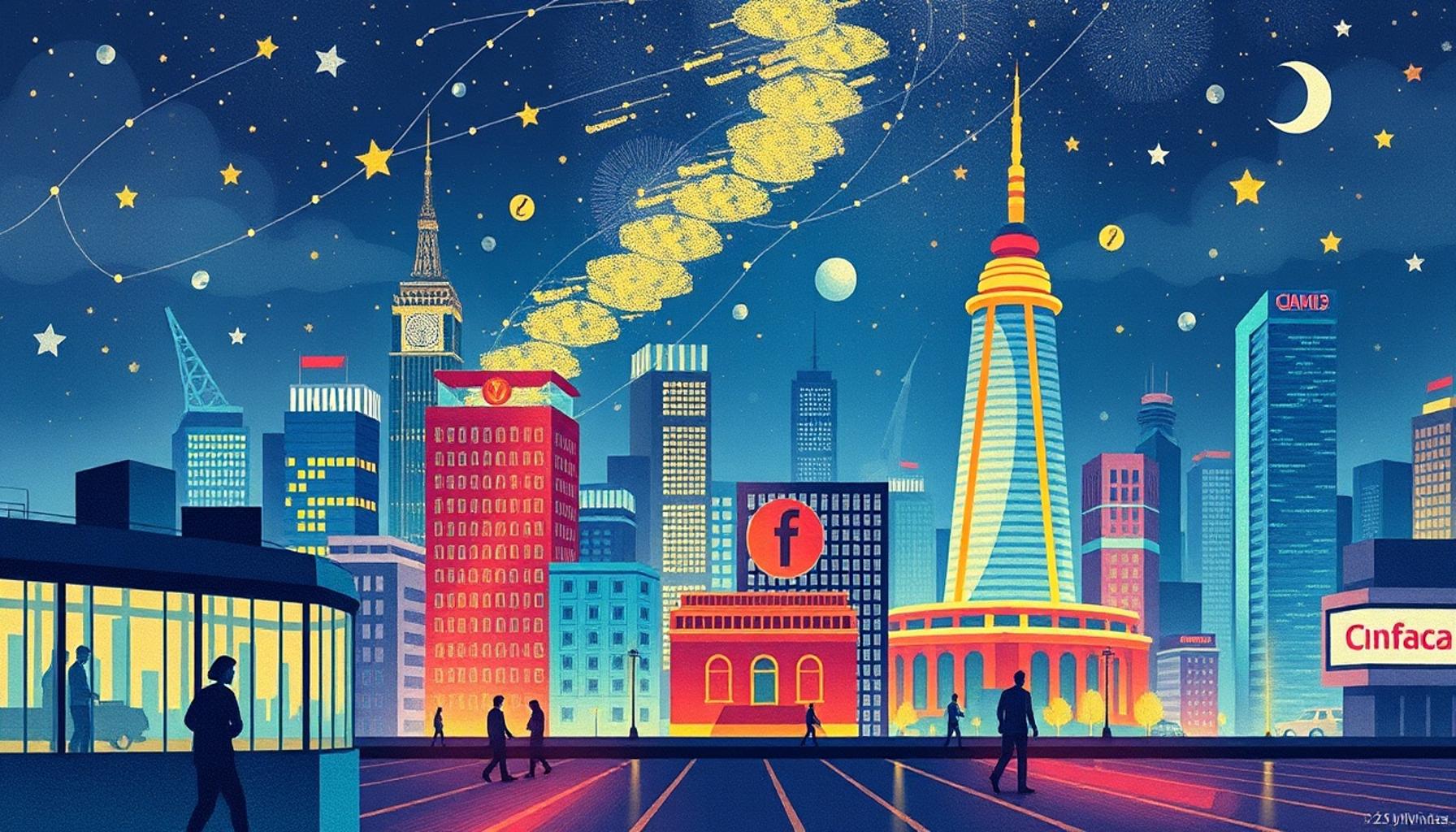
Discover the Enchantment of Night Photography
As the sun sinks below the horizon, the world around us undergoes an enchanting transformation, offering a chance for photographers to reveal landscapes in a different light—or lack thereof. Night photography transcends ordinary visuals, inviting artists to experiment with shadows, colors, and illuminations that exist only after sunset. This genre captivates both the amateur and the professional, turning the mundane into the magnificent.
A multitude of stunning subjects awaits photographers willing to venture outdoors once darkness falls. Incorporating advanced night photography techniques into your skill set can open the door to an array of breathtaking captures:
- Starlit Skies: The night sky is a treasure trove for night photographers. Learn how to photograph the Milky Way or catch spectacular meteor showers with techniques like long exposure. In locations like national parks or remote areas within the United States, minimal light pollution enhances visibility, allowing lenses to capture the delicate details of our galaxy.
- Urban Landscapes: Cities come alive at night with the flicker of neon signs and the glow of streetlamps, providing an ideal backdrop for photographers. Experimenting with low light settings can reveal the vibrant ambience of places like Times Square in New York City or the Gaslamp Quarter in San Diego, where every corner offers a kaleidoscope of color and life.
- Motion Blur: By embracing the art of long exposure shots, photographers can create mesmerizing light trails as cars whizz by. This technique can effectively portray the movement and energy of bustling city streets or serene highways, capturing both dynamism and tranquility simultaneously.
Equipped with the right strategies and knowledge, you can beautifully showcase the hidden gems of nightscapes, from serene moonlit fields to the electric vibrancy of city streets. Are you ready to take the plunge and explore the captivating magic of nighttime?
In our upcoming sections, we will delve into essential tips and tricks that can transform your experience in night photography. We’ll discuss important gear recommendations—such as the best lenses for low-light conditions and sturdy tripods for stability—as well as shooting techniques that can help you frame and compose stunning night shots.
By the end of our exploration, you will be better prepared to capture the essence of night in all its glory, inviting viewers to experience the world as you see it—a world that’s filled with wonder, beauty, and adventure under the stars.
Essential Gear for Night Photography
To embark on your journey into night photography, having the right equipment is essential. This genre often demands specific tools that can handle low light conditions, allowing you to capture enchanting images that resonate with beauty and depth. Here’s a rundown of the necessary gear to take your night captures from ordinary to extraordinary:
- Camera: While any camera can technically be used for night photography, digital single-lens reflex (DSLR) and mirrorless cameras excel due to their larger sensors and greater manual control capabilities. Opt for a camera that allows you to adjust settings such as ISO, shutter speed, and aperture, which are crucial for low-light conditions.
- Lenses: A lens with a wide aperture (such as f/2.8 or lower) is invaluable for night photography, as it permits more light to hit the sensor. Prime lenses and wide-angle lenses are particularly favored for capturing starscapes and expansive urban environments. Furthermore, a lens with image stabilization can help reduce camera shake during lengthy exposures.
- Tripod: Stability is key when photographing at night. A sturdy tripod is your best partner for preventing camera shake during long exposures. Ensure that your tripod is strong enough to withstand any wind and that it can be adjusted to the proper height for your desired angle.
- Remote Shutter Release or Timer: To achieve crisp and clear shots, avoid any camera shake that could be caused by pressing the shutter button manually. Using a remote shutter release or setting a timer can allow for seamless captures, especially during long exposure shots.
- Extra Batteries: Cold temperatures at night can drain camera batteries faster than you may expect. Always pack extra batteries to ensure that you can shoot throughout your night adventure without interruption.
Once you have the right tools, understanding how to use them effectively is the next step in your night photography journey. This means learning how to adjust your camera settings appropriately for various conditions. Here are some tips to maximize your gear:
Understanding Camera Settings
When it comes to night photography techniques, mastering your camera settings can drastically improve your results. Start by experimenting with your camera’s ISO, aperture, and shutter speed:
- ISO: Increase your ISO setting to enhance sensitivity to light, but be cautious: higher ISO values can introduce noise into your images. Start low (around 800) and gradually increase to find the balance between brightness and noise.
- Aperture: A wider aperture will allow more light in, which is critical for low-light situations. However, be conscious of depth of field; a narrow aperture can yield more background detail for landscape shots.
- Shutter Speed: Longer shutter speeds allow more light to reach the sensor, perfect for capturing star trails or light trails from cars at night. However, this requires a steady tripod to avoid motion blur.
With the right gear and knowledge of camera settings, you stand poised to unveil the hidden splendor of the night, whether it be the twinkling stars above or the pulsating heart of a city illuminated in vibrant hues. The journey to capturing the magic of stars and the city is just beginning, and soon you will be well on your way to creating breathtaking nightscapes brimming with wonder and beauty.
Essential Techniques for Stunning Night Photography
When diving into the world of night photography, a plethora of techniques awaits to enhance your ability to capture breathtaking images. Whether your focus is the twinkling stars or the vibrant city lights, mastery of these specialized methods can significantly elevate your work.
One critical technique is long exposure photography. This method allows you to capture the movement of stars, often resulting in beautiful star trails that tell a story of motion across the night sky. Utilizing a tripod is essential here, as even the slightest shake can blur your image. Setting a low ISO, combined with a smaller aperture, will also ensure that your photos are clear and detailed.
Don’t overlook the importance of composition. Consider framing your shots with elements of the urban landscape to create a dynamic juxtaposition of nature versus city life. Incorporating silhouettes of buildings or trees not only adds depth but also engages the viewer’s attention. Explore various angles and perspectives to find that unique shot that stands out.
Additionally, the use of light sources can play an intriguing role in your night photography. Experimenting with different light sources—such as flashlights or LED lights—can create stunning effects, illuminating parts of the scene while leaving the background beautifully dark. This can produce a mysterious and enchanting atmosphere in your photographs.
Lastly, don’t forget the planning phase. Researching locations that are relatively free of light pollution will ensure a clearer view of the stars. Apps designed for stargazing can provide details about celestial events, making it easier to align your photography sessions with the best opportunities to capture the cosmos.
With these techniques at your disposal, you are well on your way to mastering the art of night photography, enabling you to capture the magical intersection of stars and the city beyond.
| Technique | Benefits |
|---|---|
| Long Exposure Photography | Captures movement, creating star trails and dynamic images. |
| Lighting Techniques | Enhances composition, offers bold contrasts, and creates atmospheric depth. |
| Composition with Urban Elements | Adds depth and context while framing stunning backgrounds. |
| Planning and Location Research | Optimizes opportunities for capturing celestial events and clearer skies. |
Composing Stunning Night Shots
As you delve deeper into night photography, the next pivotal step is mastering composition. The way you frame your subject can significantly impact the story your image tells. Here are some key techniques to consider for both urban and astrophotography:
Utilizing Leading Lines
Leading lines can guide the viewer’s eye through your photograph, creating a sense of depth. Roads, rivers, and illuminated pathways in cityscapes can serve as effective leading lines. Positioning your camera at a low angle can enhance this effect, making the lines converge powerfully in the distance. In star photography, consider leveraging natural lines from mountains or the horizon to encapsulate the cosmos within the frame.
Incorporating Foreground Elements
Including a well-defined foreground is crucial in night photography techniques. It provides context and adds interest to the frame. Look for unique silhouettes, such as trees, buildings, or even people, that can enrich the depth of your image. For instance, if you are capturing a starry sky, positioning a tree as a silhouette in the foreground can create a striking contrast against the celestial background.
Finding the Right Balance of Light
Balancing the light between your foreground and background is particularly essential during nighttime. Works well with long exposure photography, gradual adjustments in exposure settings can help illuminate both areas without losing detail. Utilize the histogram feature on your camera to ensure well-balanced exposure—this provides a visual representation of light spread across the image.
Experimenting with Color
Nighttime offers a unique chance to explore different color palettes. Cities illuminated by neon signs and streetlights provide vibrant bursts of color that can bring your urban shots to life. Consider using a color checker or manually setting your white balance to capture true-to-life colors. Alternatively, you may want to experiment with cooler tones by setting a lower color temperature (around 3200K) to create moody and atmospheric effects.
Working with Star Trails
Capturing the motion of stars can create captivating star trails. This technique involves using a bulb mode for your camera and taking long exposures, where you’ll need to set it for intervals of 15 to 30 seconds and then combine them in post-processing. Alternatively, using a software like Starry Landscape Stacker can effortlessly merge multiple images, allowing you to showcase the trajectory of stars as they move across the night sky.
Additionally, consider scouting locations with minimal light pollution when aiming for astrophotography. Areas away from city lights, such as national parks or rural settings, will enhance the visibility of your shots—this will make a significant difference in how the stars appear in your composition.
With these composition techniques at your fingertips, your night photography can become increasingly artistic. Whether you are capturing the scintillating constellations or the electrifying essence of city life, remember to remain patient and experiment with various angles and settings. Constant practice will only refine your skills, allowing you to uncover the hidden beauty that night has to offer.
Conclusion
In the captivating realm of night photography, the key lies in embracing both technique and creativity. As you merge the enchanting beauty of star-studded skies with the vibrant energy of urban landscapes, these night photography techniques will equip you to unlock extraordinary imagery. From skillfully composing stunning shots with leading lines and foreground elements to meticulously balancing light during extended exposures, each method allows you to tell a unique story through your lens.
Furthermore, experimenting with colors and capturing the movement of stars can elevate your work to unprecedented heights. Techniques such as creating mesmerizing star trails or harnessing the electricity of city lights can transform ordinary scenes into striking visual narratives. Remember, practice is essential—over time, your ability to adapt and explore these techniques will lead you to discover remarkable perspectives that resonate with viewers.
Additionally, consider the impact of your chosen location, as exploring remote sites can unveil the hidden beauty of the night sky devoid of light pollution. By merging the tranquility of nature with the vibrancy of city life, you will not only improve your photographic skills but also gain a deeper appreciation for the world around you.
So grab your camera, venture out into the night, and let the magic of stars and the city inspire you. With a combination of patience, practice, and creativity, you’ll uncover new dimensions in your photography that capture the essence of both worlds. The night has untold stories waiting to be revealed—are you ready to discover them?