
The Art of Visual Storytelling: How Independent Cinema Is Changing the Industry
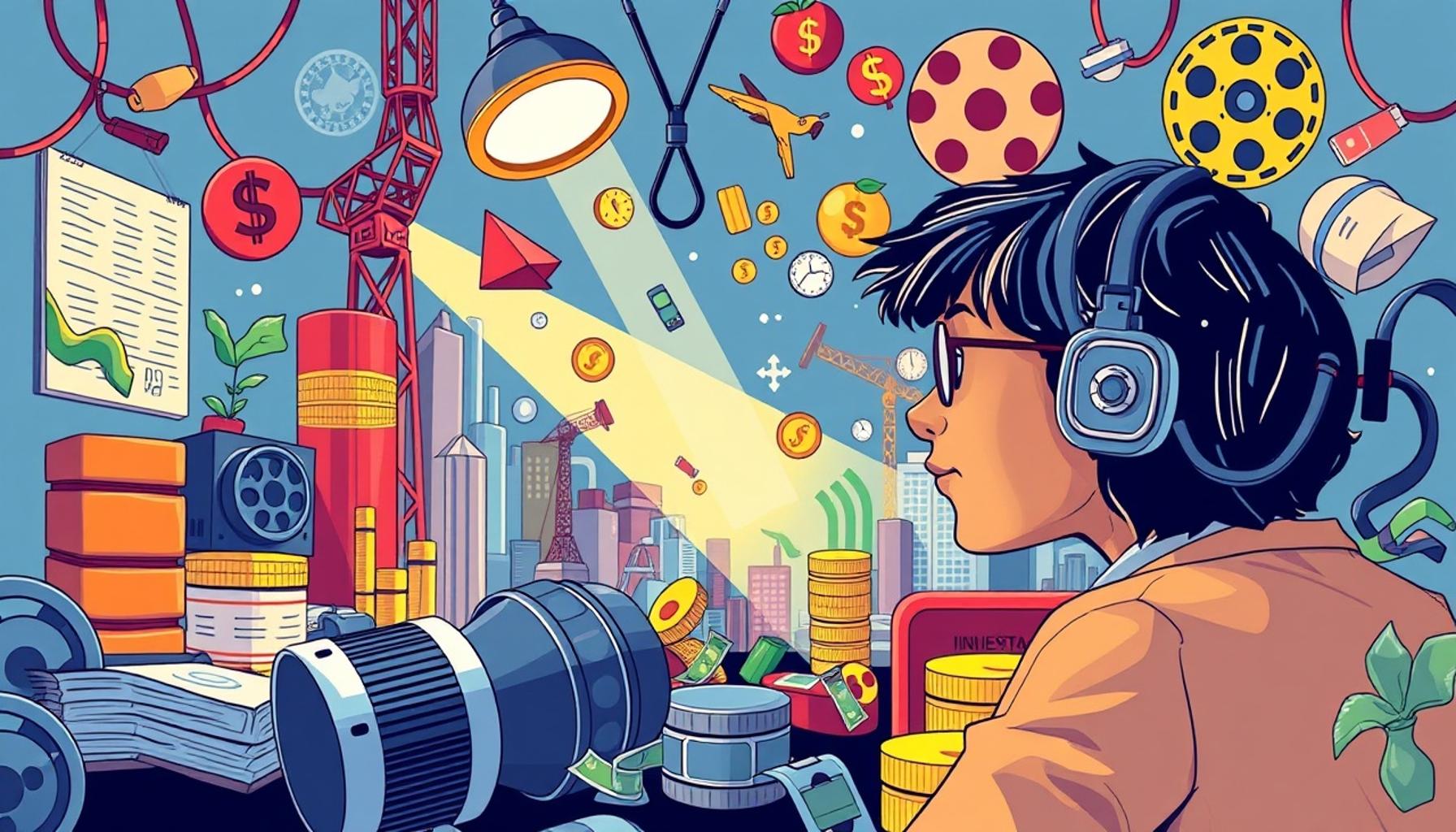
The Rise of Independent Cinema
Independent cinema has surged in popularity and significance, emerging as a formidable challenger to the mainstream film industry. This sector of filmmaking is not merely defined by its lower budgets; it encompasses a philosophy of art that prioritizes unique voices, innovative storytelling, and emotional resonance. Independent films often serve as a mirror reflecting the complexities of real-world experiences and societal issues, providing audiences with narratives that resonate on personal and cultural levels.
Authentic Voices
One of the most compelling aspects of independent cinema is its ability to convey authentic voices that are sometimes overlooked by Hollywood. Filmmakers such as Ava DuVernay and Barry Jenkins exemplify this trend, bringing personal elements and diverse perspectives to their work. For instance, DuVernay’s “Selma” explores the civil rights movement through the lens of its historical figures, while Jenkins’ “Moonlight” captures a profound coming-of-age story that addresses identity and sexuality. These films not only tell individual stories but also inspire broader dialogues about race, gender, and socio-economic disparities.
Innovative Techniques
Independent filmmakers frequently utilize innovative techniques that push the boundaries of traditional filmmaking. Instead of relying on high-budget special effects, they often employ creative cinematography and editing strategies to communicate their narratives. Consider the film “The Florida Project,” which uses vibrant colors and a documentary-style approach to immerse viewers in the lives of its characters living in a budget motel near Disney World. This unique storytelling method invites audiences to experience a juxtaposition of innocence and harsh reality.
Emotional Depth
With smaller budgets to manage, independent films can focus intently on emotional depth and character development. This intimate approach allows filmmakers to create stories that delve deeper into the human experience. For example, “Lady Bird” navigates the complicated relationship between a mother and daughter with a nuanced portrayal that feels both relatable and authentic. By concentrating on character-driven plots, independent cinema often leaves a lasting impact that resonates long after the credits roll.
Challenging Industry Norms
As audiences increasingly seek more than mere entertainment, independent cinema frequently serves as a breeding ground for unconventional themes and narratives that challenge societal norms. Films like “Get Out” showcase how horror can be used as a vehicle for social commentary, addressing issues of racism in a way that entertains while provoking thought. This evolution in narrative forms not only engages viewers but also challenges filmmakers to explore new creative avenues.
Paving the Way for Emerging Talent
Independent cinema’s impact on the industry is punctuated by influential film festivals, such as Sundance and Tribeca, which serve as launching pads for emerging filmmakers. These festivals highlight groundbreaking work and expose audiences to fresh storytelling methods. Many acclaimed directors, such as Quentin Tarantino and Greta Gerwig, have credited their success to the opportunities presented by independent filmmaking. As these festivals continue to champion diverse voices, they play a critical role in reshaping industry standards and inspiring future generations of filmmakers.
In summary, independent cinema is not just an alternative to mainstream films; it represents a significant shift in how stories are told and experienced. By championing authentic voices, innovative techniques, and emotional depth, independent films invite audiences to engage in meaningful conversations and reflection, ultimately expanding the landscape of the cinematic arts.
The Evolution of Storytelling in Independent Film
As independent cinema gains momentum, its evolution of storytelling has become a pivotal element in redefining how narratives are constructed and presented. Unlike their mainstream counterparts, independent filmmakers often have the liberty to explore unconventional structures and thematic elements, offering audiences a refreshing contrast to formulaic plots commonly found in blockbuster films. This flexibility allows for a richer exploration of identity, culture, and social critique, connecting with viewers on profound levels.
Breaking Traditional Structures
Independent films frequently defy the traditional three-act structure that is emblematic of mainstream cinema. Instead, they incorporate non-linear storytelling and ambiguity, compelling audiences to piece together narratives in unexpected ways. For example, “Pulp Fiction,” directed by Quentin Tarantino, is lauded for its fragmented plot and interwoven storytelling, which invite a more engaging viewer experience. The ability to manipulate time and perspective enables filmmakers to challenge viewers’ expectations and provoke deeper contemplation of the story’s message.
Expanding Visual Language
Visual storytelling in independent cinema is also notable for its expanded visual language, often characterized by innovative camerawork, striking color palettes, and ingenious use of lighting. These artistic choices enhance the emotional resonance of narratives and allow for a more immersive experience. Films like “Eighth Grade,” directed by Bo Burnham, utilize handheld camera techniques and candid framing to foster intimacy and realism, bringing the audience closer to the protagonist’s inner world. This visual adeptness becomes a vital tool not only for aesthetic purposes but also for furthering the emotional impact of the storytelling.
Fostering Cultural Conversations
Independent cinema also acts as a catalyst for cultural conversations that reflect the times. Filmmakers tackle contemporary issues such as mental health, immigration, and systemic inequality, translating complex societal problems into relatable stories that compel audiences to engage and reflect. Documentaries, such as “13th” by Ava DuVernay, offer potent examinations of race and justice in America, pushing viewers to reconsider their perceptions and understandings of these critical subjects. By addressing such themes, independent films often resonate more significantly with audiences, fostering a dialogue that can extend beyond the theater.
Embracing Diverse Perspectives
Furthermore, independent cinema is at the forefront of embracing diverse perspectives that enrich the storytelling landscape. The rise of filmmakers from underrepresented communities has led to a proliferation of narratives that explore varied experiences and identities. Films like “The Half of It,” directed by Alice Wu, diverge from traditional representations and celebrate LGBTQ+ stories, while also delving into themes of friendship and self-discovery. This embracing of diversity not only enhances the richness of the cinematic tapestry but also ensures that a broader audience feels seen and heard in the stories being told.
In conclusion, the art of visual storytelling in independent cinema is a dynamic and transformative force within the industry. By breaking traditional structures, expanding visual language, fostering cultural discussions, and embracing diversity, independent filmmakers are redefining the way stories are conceived and consumed. These elements not only craft more compelling narratives but also challenge and inspire a generation of filmmakers and audiences alike, paving the way for a more inclusive and thought-provoking cinematic future.
Independent cinema has become a powerful force in the film industry, revolutionizing the way stories are told and shared. Through innovative narratives and diverse perspectives, independent films have enriched the cinematic landscape, allowing for artistic expression free from the constraints of mainstream production companies. The rise of platforms such as streaming services has significantly contributed to the visibility and accessibility of independent works, ushering in a new era where unique and bold stories can thrive.One of the foremost advantages of independent cinema is the ability to explore unconventional themes and challenge societal norms. Directors and writers are no longer bound by the expectations of large studios, which often prioritize box office numbers over artistic integrity. This liberation fosters creativity, enabling filmmakers to delve into subject matter that resonates deeply with niche audiences, often sparking important conversations around pressing social issues.Moreover, the focus on visual storytelling within independent cinema has highlighted the significance of cinematography and artistic direction. Filmmakers leverage unique visual styles to convey emotion and narrative depth, further enhancing the audience’s connection to the story. Innovative techniques such as nonlinear storytelling and the use of symbolism have become hallmarks of independent films, setting them apart from mainstream productions that often rely on formulaic approaches.As independent cinema continues to evolve, it is prompting established studios to take notice and adapt. More mainstream productions now seek to incorporate diverse voices and stories that reflect the complexities of contemporary society. This shift not only benefits independent filmmakers but also enriches the cultural dialogue within the industry, resulting in a more vibrant and varied entertainment landscape.In this dynamic environment, the future of independent cinema appears bright. The potential for storytelling that breaks boundaries and resonates with audiences globally is immense. By supporting independent films, viewers are not just enjoying unique cinematic experiences; they are also championing a movement that is reshaping the foundations of the film industry itself. The art of visual storytelling in independent cinema opens doors to a world of possibilities, beckoning audiences to explore and engage with stories that inspire, provoke, and enlighten.
The Impact of Technology on Independent Filmmaking
The rapid advancement of technology has significantly influenced independent filmmaking, empowering creatives to tell their stories with more accessibility and innovation. With the democratization of filmmaking tools, such as high-definition cameras and affordable editing software, aspiring filmmakers can now produce high-quality content on a budget. This technological shift allows independent filmmakers to explore their visions without the financial constraints that often accompany traditional studio funding.
Enhanced Distribution Channels
In addition to production, technology has transformed the way independent films are distributed. The rise of streaming platforms like Netflix, Hulu, and Amazon Prime has opened new avenues for indie filmmakers to reach wider audiences. These platforms often prioritize unique, original content, creating a space where independent films can flourish alongside mainstream offerings. By bypassing traditional theatrical releases, independent films can gain exposure that might have been unattainable just a decade ago. For instance, films like “The Florida Project,” which explores themes of poverty and childhood, found a significant audience through various streaming options, further validating the importance of independent narratives in Hollywood’s ecosystem.
Utilizing Social Media as a Marketing Tool
Moreover, the role of social media cannot be understated in the realm of independent cinema. Filmmakers are harnessing platforms like Instagram, Twitter, and TikTok to engage with audiences, build hype, and promote their projects directly. Social media not only allows creators to showcase behind-the-scenes content but also enables them to cultivate a vibrant community around their films. For example, during the promotion of “Lady Bird,” director Greta Gerwig used social media to highlight the film’s relatable coming-of-age themes, thereby sparking conversations that amplified its popularity before its release. This grassroots marketing approach fosters a sense of connection and investment between the filmmakers and their audience.
Interactive Storytelling and Transmedia Experiences
Independent filmmakers are also experimenting with interactive storytelling and transmedia experiences that blend different formats and platforms, enhancing audience engagement. By integrating social media campaigns, video games, and online content, filmmakers can create immersive worlds for viewers. Notable examples include “Bandersnatch,” a standalone interactive film from the “Black Mirror” series, which allows audiences to make decisions for the protagonist, making them active participants in the narrative. This innovative approach challenges traditional storytelling techniques and pushes the boundaries of how stories are experienced in the digital age.
Documenting Social Issues through Visual Storytelling
Finally, independent filmmakers are increasingly leveraging their platforms to document and amplify social issues, bringing critical narratives to the forefront. The rise of vérité documentaries, such as “Won’t You Be My Neighbor?” which examines the life and impact of Fred Rogers, honors the power of storytelling to inspire empathy and change. Such films not only resonate deeply with diverse audiences but also challenge established norms, making them catalysts for social awareness and action. As independent cinema continues to evolve, filmmakers will likely remain at the vanguard of documenting the intricacies and injustices of modern life, compelling audiences to reflect and respond.
Conclusion: Embracing the Future of Independent Cinema
As we delve into the world of independent cinema, it becomes increasingly evident that visual storytelling plays a pivotal role in shaping not only individual narratives but also the broader cinematic landscape. The convergence of cutting-edge technology, innovative distribution methods, and active engagement through social media has empowered independent filmmakers to transcend traditional barriers. By embracing these advancements, they have unlocked new avenues for creativity, enabling diverse voices to share their stories.
This evolution not only enriches the film industry but also allows audiences to engage with content that reflects their realities, challenges conventions, and ignites social conversations. Films addressing core human experiences and pressing social issues, like those highlighted in recent indies, serve as reminders of cinema’s unique power to provoke thought and inspire change.
Moreover, the emerging practices of interactive storytelling and transmedia experiences promise to redefine audience engagement, creating immersive environments that invite participation. This forward-thinking approach suggests that independent cinema may not only continue to flourish but will also revolutionize how stories are told and experienced in an increasingly digital world.
As independent filmmakers continue to push creative boundaries, it is essential for audiences and industry stakeholders alike to support these transformative narratives. In doing so, we all contribute to an ecosystem that celebrates originality, diversity, and the enduring art of visual storytelling. The future of the film industry lies within these independent voices—an exciting adventure waiting to unfold.