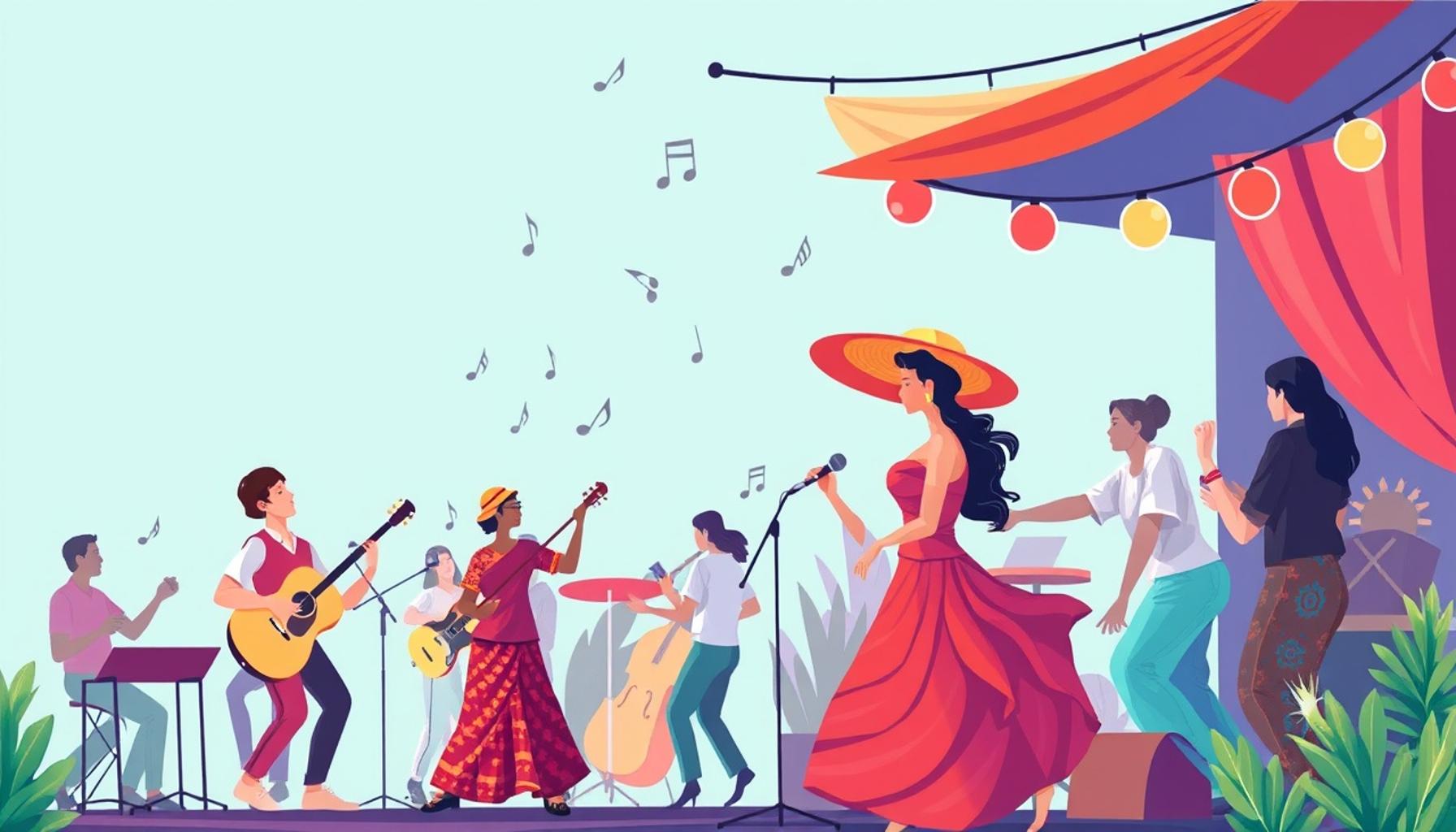
Dance as a Tool for Self-Expression: Releasing Emotions Through Movement
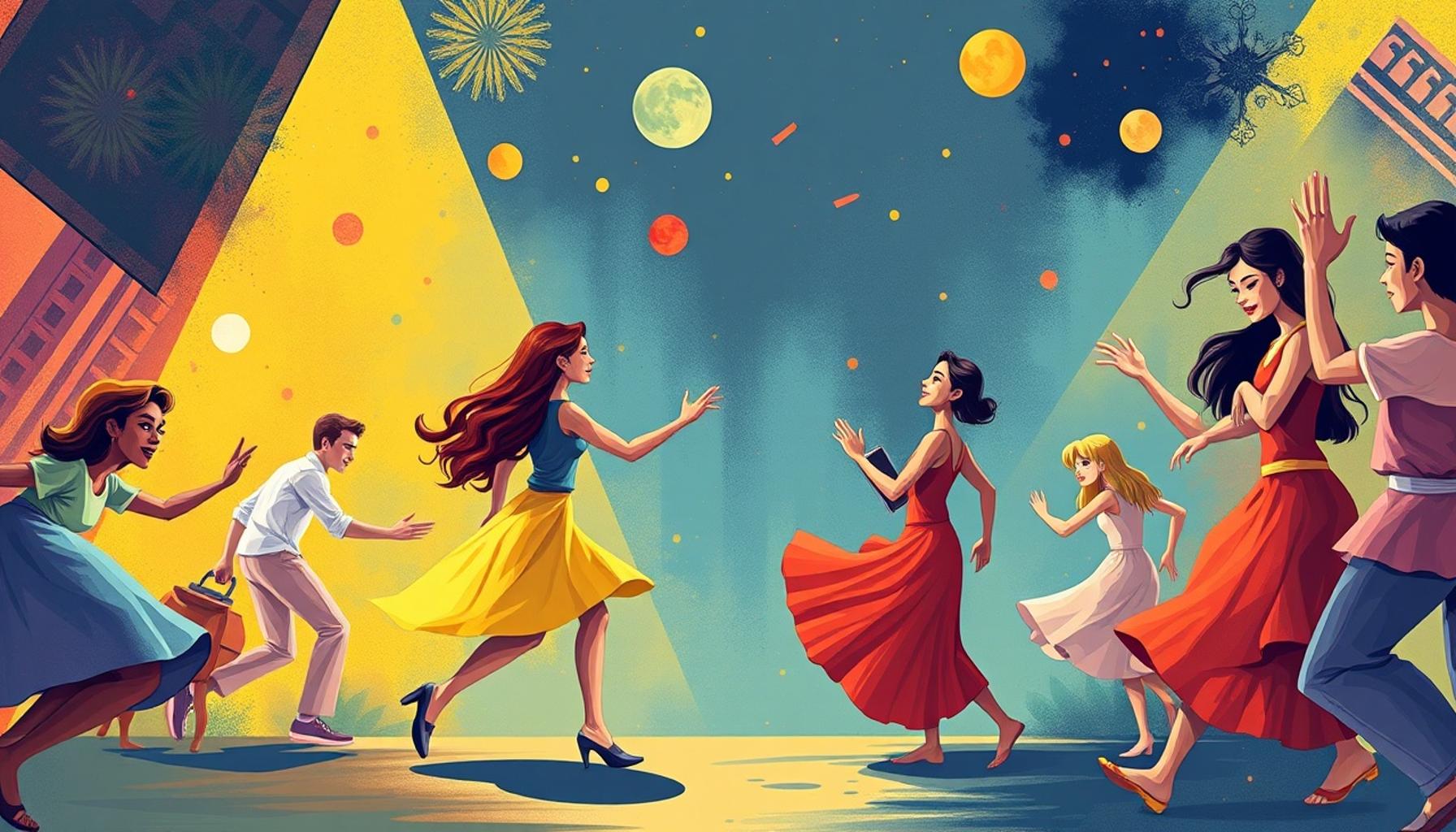
Exploring the Transformative Nature of Dance
Throughout history, dance has served as more than just a form of entertainment; it has evolved into a powerful medium for self-expression. Across various cultures and epochs, dance has provided a vital outlet for individual and communal emotions, often reflecting societal traditions, struggles, and celebrations. Whether on the vibrant streets of urban areas or within the serene atmosphere of a dance studio, movement becomes a universal language that articulates feelings and experiences that words often cannot convey.
The Impact of Dance on Emotions
Engaging in dance invites profound emotional exploration, often leading to deep personal insights and therapeutic releases. When individuals allow their bodies to move, they can release built-up tensions, transforming their emotional state in the process. Here are some key aspects to consider:
- Therapeutic Benefits: Dance therapy, a recognized practice in many health facilities across the United States, employs movement to promote emotional stability and psychological resilience. Studies have shown that participating in dance therapy can significantly reduce symptoms of anxiety and depression, allowing individuals to process complex feelings in a safe environment.
- Community Connection: Group classes and public performances cultivate a sense of belonging among participants. In cities like New York and Los Angeles, dance studios have become hubs for social interaction, where like-minded individuals support each other’s journeys. This communal aspect fosters emotional support and encourages people to celebrate their vulnerabilities together.
- Creative Outlet: Dance offers a unique platform for storytelling, enabling individuals to express their personal experiences through movement. From contemporary to hip-hop, dancers often imbue their performances with narratives of love, loss, and triumph, creating a tapestry of human emotion that resonates with audiences. Renowned choreographers like Martha Graham and Alvin Ailey have shaped this artistic legacy, highlighting how movement can encapsulate profound personal histories.
As we delve deeper into the realm of dance, we will uncover the perspectives of dancers and experts who attest to its transformative qualities. Testimonials, such as those from participants in community dance programs, reveal how movement has empowered individuals to reclaim their narratives and foster resilience. Join us as we explore how this ancient and dynamic form of self-expression not only serves to release emotions but also cultivates a liberating sense of freedom through movement.
Ultimately, the world of dance beckons those willing to explore its depths, offering tools for emotional growth and connection. It invites everyone—from seasoned performers to curious newcomers—to step into the rhythm of life and experience the cathartic power of dance.
Emotional Release Through Dance Movement
As a form of self-expression, dance transcends mere physicality. It integrates body, mind, and spirit, providing individuals with a unique avenue to express and release complex emotions. This deep-seated connection between movement and emotional insight invites individuals to explore their innermost thoughts and feelings, promoting mental clarity and emotional well-being. Here are some pivotal aspects that illustrate how dance serves as a potent tool for emotional release:
- Physical Expression of Inner Feelings: When we dance, our bodies become vessels for expressing emotions, often bypassing the limitations of verbal communication. Through movements like fluid arm gestures or sharp footwork, dancers can convey feelings of joy, sorrow, rage, or tranquility. Studies have demonstrated that engaging in dance stimulates areas of the brain associated with emotion, making it easier for individuals to articulate what they may find difficult to verbalize.
- Mind-Body Connection: Dance encourages an acute awareness of the body, leading to what many refer to as a “flow state.” This psychological phenomenon enhances focus and presence, allowing dancers to immerse themselves fully in the moment. The mind-body connection established during dance can lead to reduced stress levels, as the act of moving helps release tension stored in the body, paving the way for emotional freedom.
- Empowerment Through Creation: Choreographing a dance or interpreting a piece gives a sense of agency to individuals. This process of creation can empower dancers, allowing them to turn their experiences into art. Whether it’s through individual choreography or collaborative performances, the act of creating and sharing dance can foster a sense of accomplishment and pride that positively impacts mental health.
- Release of Endorphins: The physical activity involved in dance naturally stimulates the production of endorphins, often referred to as “feel-good” hormones. This physiological response can lead to a sense of euphoria, helping to alleviate feelings of sadness or anxiety. As dancers engage their bodies, they not only express emotions but can also uplift their spirits in the process.
These facets of dance as a medium for emotional release have caught the attention of therapists, educators, and wellness advocates alike. For many, simply participating in a dance class or engaging in freestyle movement can serve as a cathartic experience, offering them the chance to connect with their feelings in a profound, fulfilling way. The path of dance encourages individuals to journey inward, unearthing hidden emotions and fostering a deeper understanding of themselves in the process.
As we continue to unpack the significance of dance in self-expression, we will delve into personal anecdotes from dancers who have utilized movement to confront their emotional challenges. Their stories illustrate how dance has not only aided in releasing pent-up emotions but also provided them with a sense of identity and community.
Exploring the Emotional Depth of Dance
Dance, often perceived merely as a form of entertainment or an art, holds profound potential as a powerful tool for emotional expression. When people engage in dance, they tap into a reservoir of emotions that may otherwise remain unexpressed or suppressed. This liberation of feelings can serve as a therapeutic outlet, allowing individuals to communicate their internal experiences through movement. Moreover, various dance styles—ranging from contemporary to hip-hop—offer unique ways to express feelings such as joy, anger, sadness, or relief. For instance, the fluidity of contemporary dance can embody graceful acceptance of pain, while the rigorous movements of hip-hop might channel a sense of defiance or energy. The physical act of moving can enhance emotional well-being and promote mental health, offering a sense of control and relief amid life’s chaos.A fascinating component to consider is the relationship between social connections and dance. Dancing in groups, whether at social functions or community classes, fosters a sense of belonging and shared experience. Participants can express their emotions collectively, reinforcing social bonds and promoting a supportive environment for emotional exploration. This camaraderie within dance circles encourages individuals to remain open and vulnerable, leading to enhanced self-acceptance and healing.Additionally, research has shown that dance can stimulate the production of endorphins, the body’s natural feel-good hormones. This biochemical aspect further illustrates how engaging in dance not only serves as a medium for expression but also enhances overall emotional health. From alleviating stress to increasing self-esteem, the act of moving rhythmically can truly transform one’s emotional landscape.By breaking away from the confines of verbal communication, dance offers a refreshing approach to emotional revelation. The exploration of movement as a language of its own helps individuals convey sentiments that words may fail to express, thereby enriching their connection to themselves and others.
| Key Theme | Description |
|---|---|
| Emotional Release | Dance allows individuals to express suppressed emotions and release pent-up feelings. |
| Social Connection | Engaging in group dance fosters a sense of belonging and supports emotional exploration. |
Personal Narratives: The Transformative Power of Dance
The emotional landscape navigated through dance is often richer and more nuanced than words alone can convey. Many dancers have shared their personal stories, revealing how movement not only facilitated emotional release but also played a crucial role in their journeys toward self-discovery and connection with themselves and others. Here, we explore a few inspiring anecdotes that highlight the profound impact of dance as a tool for self-expression.
- The Healing Journey of a Survivor: For Sarah, a survivor of a traumatic experience, dance became a sanctuary. After years of battling anxiety and depression, she found solace in a local contemporary dance class. With each movement, she felt an emotional catharsis, allowing herself to grieve, heal, and ultimately reclaim her body. “Every time I stepped onto that floor, I was giving myself permission to feel,” Sarah explains. Her story resonates with many who find that through dance, they can escape the confines of their struggles and embrace their truth.
- Finding Community Through Shared Movement: Similarly, Marcus, a member of a dance collective in New York City, shares how dance provided him with not just an outlet for his feelings but also a support network. As he navigated his identity in a fast-paced urban environment, the dance group became a home. “We express who we are without judgment,” he says. The collaborative nature of dance, whether through hip-hop or salsa, fosters an environment where individuals can share their stories, building camaraderie while releasing their emotions through movement.
- The Role of Dance in Mental Health Initiatives: Increasingly, organizations across the United States are recognizing the therapeutic benefits of dance in mental health. Programs that integrate dance into therapy have emerged, offering therapeutic outlets for expression. Studies show that participants report reduced levels of stress and improved mood after engaging in expressive dance sessions. The National Dance Therapy Organization has highlighted various success stories where participants have used dance to confront anxiety, trauma, and various emotional disorders, showcasing the potential of movement as a form of healing.
- Dance as a Catalyst for Growth: The journey of dance can also spark personal growth and development. For instance, youth programs that focus on dance often instill a sense of discipline, creativity, and confidence. These qualities can be transformative, especially for young individuals navigating the complexities of adolescence. Programs like Dance for All in Baltimore promote self-expression while encouraging participants to confront and express their emotional realities, nurturing resilience through creative movement.
The narratives of individuals like Sarah and Marcus illuminate the multifaceted nature of emotional release through dance. It is evident that this art form not only serves as a means of self-expression but also nurtures connections within communities, empowering individuals to embrace their emotions boldly. As more people engage with dance, we witness a profound shift that elevates the conversation surrounding mental health and emotional resilience.
As we delve deeper into the significance of dance in various contexts, it becomes clear that the movements we choose can echo the emotional narratives we carry. From the streets of urban centers to local studios, dance continues to be a universal language—one that speaks not only in steps and rhythms but through the resonance of shared experiences.
Conclusion: The Emotive Language of Dance
As we reflect on the powerful narratives shared throughout this discussion, it is clear that dancing serves as an invaluable tool for self-expression and emotional release. Individuals like Sarah and Marcus exemplify how movement transcends verbal communication, allowing personal stories and feelings to emerge in vibrant, expressive gestures. The therapeutic potential of dance offers not only a release of pent-up emotions but also a pathway toward healing and connection, reinforcing the age-old notion that art, especially in the form of dance, is a mirror reflecting our inner lives.
The rise of dance therapy initiatives across the United States highlights this recognition of dance as a meaningful modality for emotional exploration and mental health. These programs are paving the way for conversations about mental well-being, empowering diverse communities to engage in their own healing journeys through movement. Furthermore, youth programs that emphasize the role of dance are fostering environments where young people can cultivate resilience, instill discipline, and embrace creative outlets—all essential aspects of navigating life’s complexities.
In an increasingly fragmented world, dance wields the power to unite, providing spaces where individuals can express their authentic selves without fear of judgment. As we continue to explore the impact of dance on human experience, it becomes evident that its capacity for emotional release and community building is boundless. Therefore, we invite readers to consider their own relationship with movement and the potential it holds for expressing unspoken emotions. In this dance of life, each step we take can echo our insights, vulnerabilities, and transformative journeys.