The Intersection of Music and Dance: How Artistic Performance Can Enrich the Creative Experience
The Dynamic Interplay of Sound and Movement
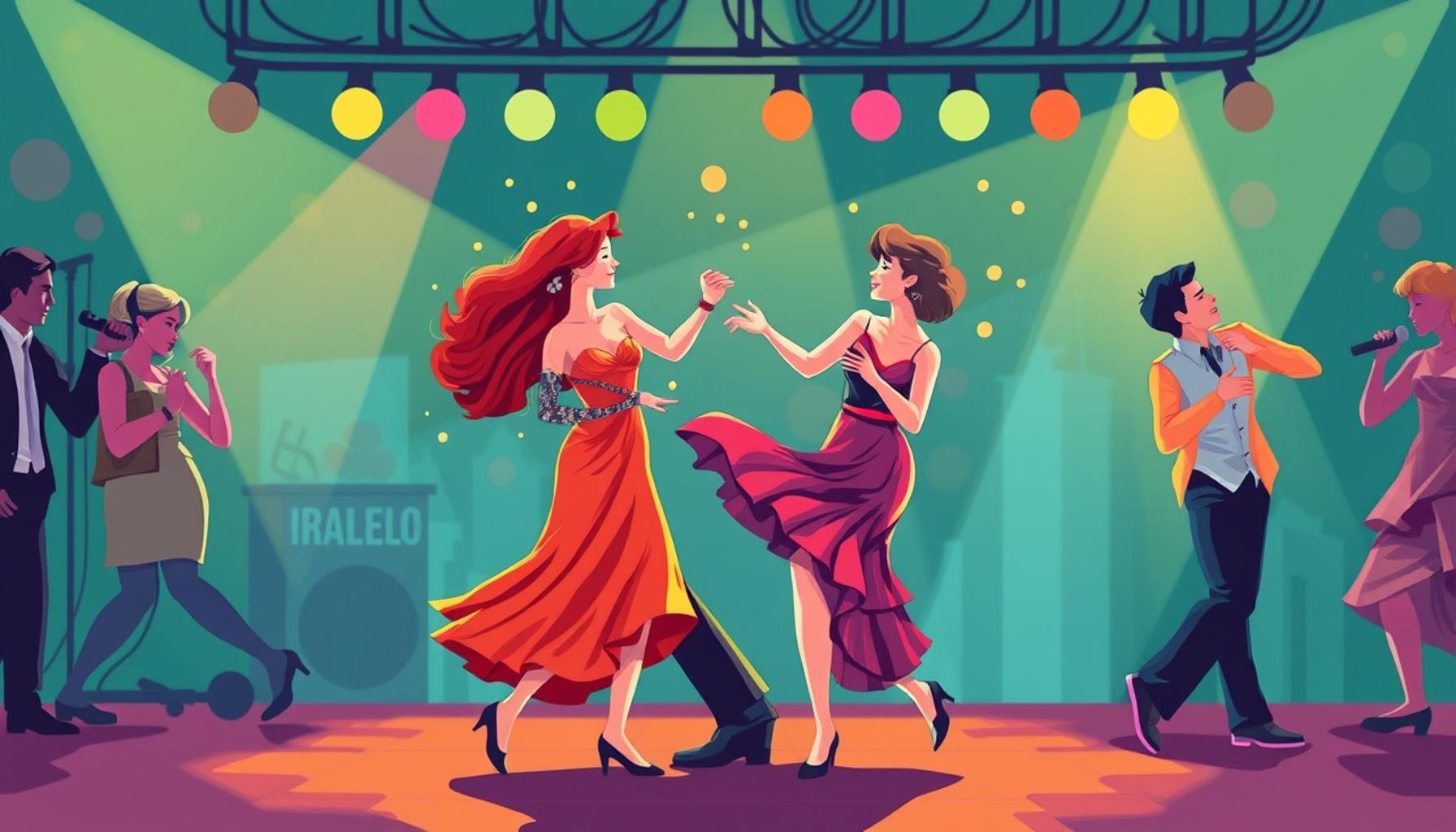
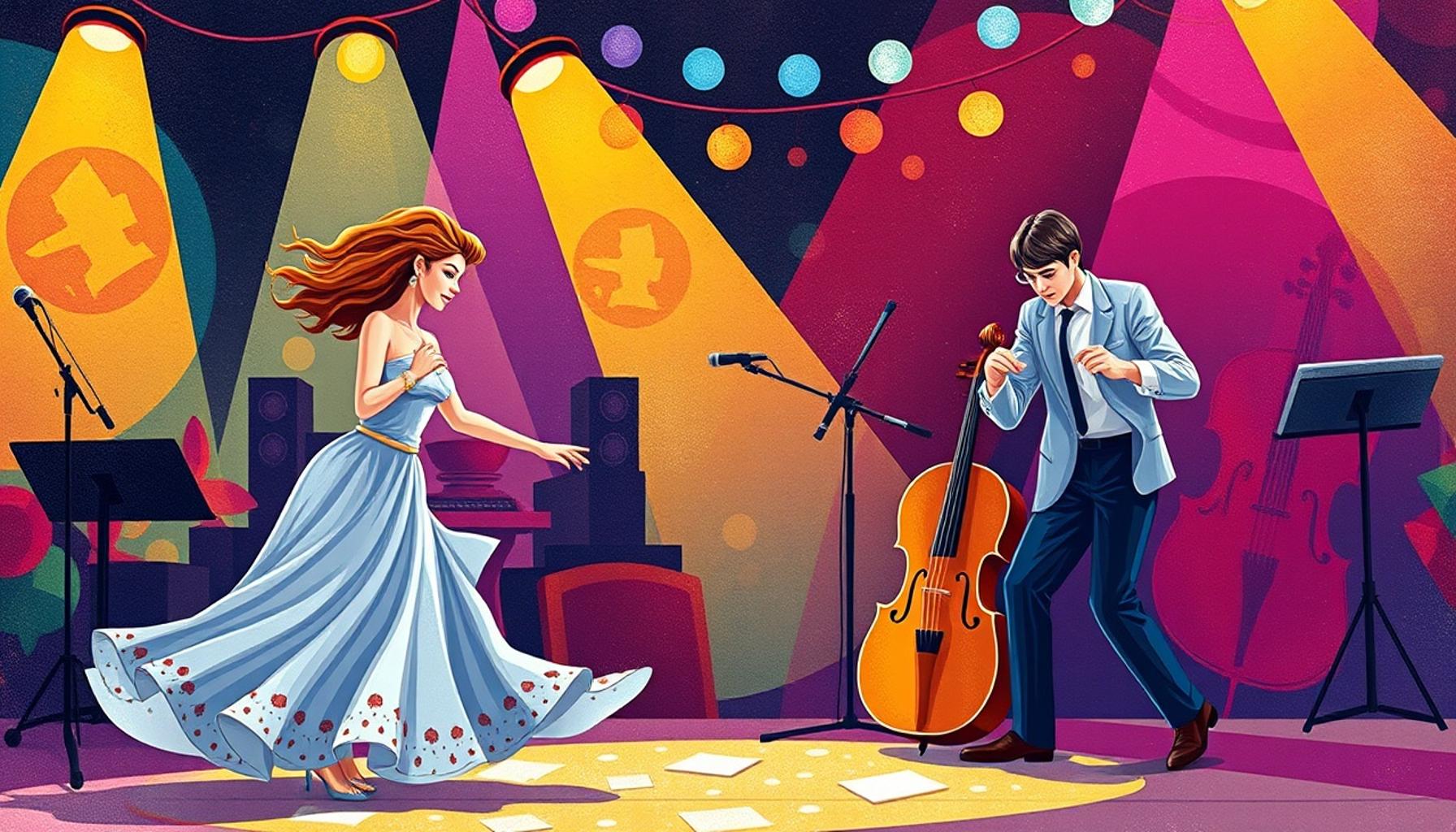
Artistic performance is a mesmerizing realm where music and dance engage in a symbiotic relationship that transcends mere entertainment. This powerful union serves as a vehicle for creativity, offering individuals the opportunity to express their innermost emotions and stories through their bodies and melodies. When combined, these art forms present audiences with an immersive experience that resonates on multiple levels, engaging not only the senses but also the spirit.
To appreciate this synergy more profoundly, let’s delve into how music and dance complement each other:
- Emotional Expression: Both music and dance possess the innate ability to invoke emotions, bridging gaps between performers and audiences. A poignant melody can accompany the graceful movements of a dancer, amplifying the emotional narrative. Think of a contemporary ballet piece set to a haunting violin composition; the dancers’ movements often mirror the intensity and nuance of the music, creating an emotional tapestry that speaks to the human experience.
- Cultural Storytelling: Across various cultures, the union of music and dance serves as a vital storytelling medium. For instance, Native American powwows incorporate traditional drumming and dancing to convey stories of heritage and spirituality, while the vibrant samba is integral to Brazil’s Carnival, depicting tales of joy, struggle, and resilience. These rituals not only entertain but also preserve cultural identities for future generations.
- Physical and Mental Well-being: Engaging in music and dance promotes not only physical fitness but also mental health benefits. Dance, particularly, is a full-body workout that enhances coordination and stamina while releasing endorphins that elevate mood. Programs like Dance Dance Revolution and Zumba have made a significant impact on community health in the United States, bringing people together in joyful fitness while fostering a sense of belonging.
Cooperation between musicians and dancers often gives rise to extraordinary performances that inspire and ignite creativity. From the bustling streets of New Orleans, where jazz meets improvisational dance forms like the jitterbug, to the iconic Broadway stages of New York where choreographers and composers collaborate to create timeless musicals, this fusion encapsulates the richness of American artistic expression.
Exploring this dynamic relationship further reveals how these art forms enhance the creative experience. Modern artists in various genres, whether hip-hop, ballet, or even contemporary pop performances, continue to experiment with integrating movement and sound. For example, the choreography of Beyoncé in her music videos stands as a testament to the power of combining dance with heartfelt lyrics and catchy beats, making cultural impacts while inviting audiences to delve into new forms of artistic appreciation.
In a world where instant gratification is often the norm, the thoughtful interplay between music and dance offers a deeper journey into the beauty of human expression—urging us to pause, reflect, and appreciate the artistry that surrounds us. As we continue to explore this fascinating intersection, the enrichment it brings to our lives becomes increasingly undeniable, inviting both participants and spectators to investigate the limitless possibilities and stories waiting to be discovered.
Harnessing Rhythm and Movement for Innovation
The intersection of music and dance not only captivates audiences but also sparks a creative revolution among artists. This synergy unleashes innovative ways for creators to communicate complex ideas and emotions, driving them to explore uncharted territories. As artists continue to collaborate, they weave together unique narratives that inspire, challenge, and expand the boundaries of their respective art forms.
One vital aspect of this collaborative energy lies in the exploration of genres. By blending diverse styles, artists can create a fusion that appeals to a wider audience. For example, the emergence of street dance, such as hip-hop and breakdancing, has inspired musicians across genres to incorporate rhythmic beats and improvisation into their work. A notable example is the seamless integration of hip-hop dance in live performances by musicians like Lizzo and Bruno Mars, where dancers complement the music, bringing an exhilarating visual component to the experience.
Moreover, choreography serves as a bridge between music and dance, offering an intricate language that expresses the essence of a song. A carefully crafted routine can elevate a performance from routine to extraordinary. In major music festivals like Coachella, we witness a remarkable blending of live performance and dance routines, where artists like Beyoncé and The Weeknd utilize choreographers to create unforgettable experiences that leave lasting impressions. These performances highlight how intentional movement can enhance the audience’s appreciation of the music.
Additionally, the technical aspects of both art forms play a crucial role in creating a captivating experience. The timing, tempo, and intonation of music can dictate the rhythm and flow of dance sequences, while movements can also influence how music is perceived. For instance, in ballet, the synchrony between orchestral scores and fluid motions creates a visual spectacle that demands precision and harmony. As performers intertwine their skills, the audience is invited to immerse themselves in a world where every beat and step aligns in perfect harmony.
As artistic performance continues to evolve, it becomes increasingly essential to recognize the ways in which collaborative works push the boundaries of creativity. The power of performance art extends beyond traditional settings, as we witness its impact on digital platforms, social media, and community events. Projects like “Dance for Kindness,” an annual global dance event, seek to unite individuals across the world through a choreographed performance to a specific song, demonstrating how music and dance can foster a spirit of collaboration while promoting positivity.
In essence, the partnership between music and dance serves as a catalyst for creativity, transcending cultural, social, and generational divides. As we continue to explore this intersection, we uncover opportunities for personal and artistic growth, revealing how together, these forms of art can allow individuals to not only express themselves but also connect with others on a profound level.
The Transformative Power of Collaboration
At the heart of artistic performance lies collaboration, a dynamic interplay between musicians and dancers that fosters a unique creative synergy. This collaboration not only enhances individual skill sets but also opens up new avenues for expressive storytelling and emotional connection. By merging different artistic disciplines, performers can create a richer narrative, engaging audiences on multiple sensory levels. The confluence of sound and movement invites participants to experience art in a multifaceted way, transforming a simple performance into a vibrant celebration of creativity.
Enhancing Cultural Awareness
The intersection of music and dance is a powerful vehicle for cultural exchange. Various styles of dance, influenced by distinct musical traditions, can introduce audiences to diverse cultural backgrounds. Performances often serve as a celebration of heritage, fostering appreciation and understanding among different demographics. Through this artistic fusion, performers and viewers alike gain a deeper understanding of the world around them, blurring the lines between cultures and encouraging a dialogue that transcends language barriers.
Empowering Emotional Expression
Artistic performances allow individuals to explore and express complex emotions, creating a safe space to convey feelings that may be difficult to articulate. The combination of rhythm, melody, and movement can evoke deep emotional responses, acting as a therapeutic outlet for both performers and audiences. Dance and music function as a mirror reflecting shared human experiences, promoting healing and connection for those involved. This emotional engagement not only enriches the creative experience but also fosters a greater sense of community and empathy among participants.
| Category | Benefits |
|---|---|
| Cultural Exchange | Promotes understanding of diverse backgrounds through shared performances. |
| Emotional Healing | Acts as a therapeutic outlet for expressing complex feelings. |
Driving Innovation in the Arts
The blend of music and dance not only enriches the creative experience but also stimulates innovation within the arts. Artists experimenting at this intersection often push the boundaries of traditional genres, leading to the emergence of new styles and forms. This continuous evolution invites creators to challenge the norm and engage with audiences in fresh, unexpected ways, ultimately contributing to a vibrant, ever-changing artistic landscape. The collaboration across disciplines inspires artists to question and reshape their mediums, encouraging growth and exploration within the arts community.
Creating Cultural Conversations through Performance
The fusion of music and dance extends beyond individual artistry, acting as a medium for cultural expression and societal commentary. With the rise of global interconnectedness, artists are increasingly using these art forms to address pressing social issues and explore cultural narratives, creating a powerful dialogue that resonates within communities and beyond.
A prominent example of this phenomenon can be found in the African diaspora, where the rhythms, movements, and stories of various cultures are interwoven into performances that celebrate and critique their histories. The Broadway hit “Hamilton,” for instance, blends hip-hop, R&B, and traditional musical theater with choreography that reflects the dynamic movements of hip-hop dance. This amalgamation not only enriches the storytelling but also instills a sense of urgency and relevance, weaving the past with contemporary cultural contexts. Such performances challenge audiences to reflect on history while engaging with its implications for the present and future.
Moreover, projects like the “Project Dance” initiative highlight how dance serves as a powerful tool for advocacy. By showcasing the intersection of various dance forms with diverse music styles, this global movement encourages artists to utilize their talents to promote mental health awareness, social justice, and community solidarity. Events are organized worldwide, where artists come together to dance for those who cannot, creating a vibrant tapestry of movement and sound that underscores the transformative potential of artistic expression.
Throughout history, dance has also played a pivotal role in cultural rituals and celebrations, where music serves as the heartbeat of the festivities. From the ecstatic rhythms of traditional Native American powwow dances to the elegant movements of the Argentine tango, these performances encapsulate the essence of community and identity. The New Orleans Mardi Gras, for example, exemplifies this intersection spectacularly through parades filled with music and lively dance, serving as a joyous celebration of cultural heritage and a vibrant display of artistic collaboration.
Furthermore, innovative technological advancements have opened new avenues for artists, enabling them to explore and reimagine the connection between music and dance. The rise of digital performances—which took a significant leap during the global pandemic—testifies to the resilience and adaptability of artists in the face of adversity. Collaborations in virtual reality (VR) and augmented reality (AR) have allowed creators to transcend traditional performance boundaries, crafting immersive experiences that engage audiences in unprecedented ways. One notable project is the immersive concert experience created by the artist U2, where music and choreographed visual elements combined to transport viewers beyond mere observation into an interactive emotional journey.
The progressive embrace of inclusive practices in choreographic and musical settings has also enriched the artistic landscape. Notable organizations, such as DanceAbility, promote the integration of dancers with disabilities into mainstream performances, further emphasizing the idea that artistry knows no limitations. This inclusive approach not only broadens the spectrum of creativity but also challenges societal perceptions, showcasing the beauty found in diversity within the realms of music and dance.
Concluding Thoughts on the Synergy of Music and Dance
In exploring the intersection of music and dance, we unearth a vibrant tapestry of cultural narratives, personal expression, and societal reflection. As demonstrated through various examples—from the musical genius behind “Hamilton” to the advocacy-driven movements like “Project Dance”—it is clear that these art forms collaborate to create a profound impact that extends beyond entertainment. They forge connections across diverse communities and serve as a mirror to our social issues, challenging us to engage with pressing topics in a meaningful way.
The role of music and dance in celebrating cultural heritage has also been significant, encapsulating the rhythms and traditions of the past while adapting to modern influences. Festivals such as New Orleans Mardi Gras embody the lively spirit of this synergy, reminding us of the importance of unity and shared identity through artistic expression. Innovations such as digital performances and inclusive practices in choreography further enhance this landscape, ensuring that creativity remains unhindered by boundaries.
As we move forward, the ongoing relationship between music and dance will likely evolve, continuously shaping and enriching the creative experience. This ever-expanding dialogue invites artists and audiences alike to investigate the depths of their creativity and remind us that through these art forms, we can find common ground, inspire change, and celebrate diversity. Embracing this intersection could lead us to an even more inclusive and dynamic future, making it imperative for individuals to delve deeper into the multifaceted world where music meets dance.