Creation of Thematic Playlists to Accompany Different Dance Styles: Music as a Tool for Inspiration

The Power of Thematic Playlists
Music and dance are intertwined in ways that make them inseparable forms of art. This connection is evident across various cultures and genres, highlighting the universal language that both mediums speak. For dancers, curating the right playlist is more than just a simple task; it can be the fuel that ignites creativity, enhances performance, and elicits emotional connection. Here, we explore the essential components of creating thematic playlists that can uplift the dance experience.
Genre-Specific Choices
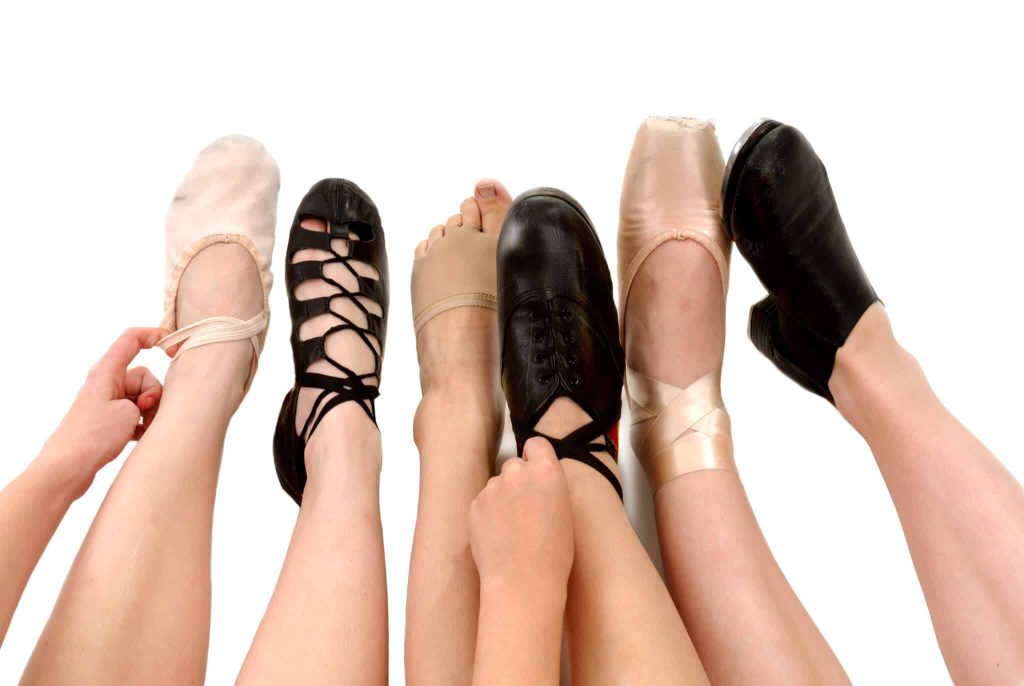
Every dance style brings with it a distinct energy and requirement for musical accompaniment. For instance, hip-hop thrives on urban beats and rhythmic vocal flows that encourage expressive freestyle movements. Tracks by artists like Kendrick Lamar or Missy Elliott infuse life into these performances. Conversely, ballet often relies on classical music, with composers such as Tchaikovsky or Prokofiev, whose orchestrations set a graceful backdrop for the intricate footwork and storytelling involved in ballet. Additionally, salsa, with its roots in Latin music, necessitates vibrant, fast-paced rhythms that engage dancers to move with passion and flair. The right genre creates an authentic atmosphere that allows dancers to fully embody their craft.
Tempo and Rhythm
The impact of tempo on a dance routine cannot be overstated. Tempo, measured in beats per minute (BPM), determines the pace of movements. For example, a faster BPM, such as 120-130, typically energizes dancers, pushing them towards quick and dynamic choreography, suitable for styles like jazz or funk. In contrast, slower tempos found in ballads or ambient music allow for more deliberate, pronounced expressions—think of the poignant moments in contemporary dance that require exquisite control and emotion. Dancers are not only inspired by the music but are also guided by its tempo, shaping their transitions and movement phrases.
Emotional Resonance
Music has an innate ability to evoke emotions vividly, providing dancers with a canvas for emotional expression. The selection of tracks that resonate on a personal or universal level can imbue a performance with depth and authenticity. A heart-wrenching ballad can transform a simple dance into a storytelling masterpiece, as seen in artists like Adele or Sam Smith, whose lyrics and melodies resonate deeply with audiences. This emotional connection enables dancers to convey their feelings and experiences, making the performance genuine and relatable.
In the dynamic landscape of American dance music, trends are constantly shifting, filled with exciting fusion genres and innovative interpretations of classic styles. As artists experiment, dancers are met with an ever-expanding array of musical choices. Curating playlists that align with these trends allows dancers to explore new forms of movement and discover fresh pathways for creativity.
Delving into the art of crafting thematic playlists unveils the exquisite interplay between music and movement. By understanding and implementing genre-specific choices, tempo, and emotional resonance into their playlists, dancers can elevate their craft. This exploration not only encourages personal growth but also invites dancers to express their artistry with an added layer of passion and skill, inspiring both performers and audiences alike.
The Role of Music in Dance Expression
In the world of dance, music serves as the essential backbone that defines movement and expression. The careful selection of thematic playlists provides dancers with a framework to explore their creativity, embody various styles, and connect with their audience. As dancers seek to infuse their performances with passion and imagination, understanding the intricate relationship between music and dance becomes a powerful tool for inspiration.
Building a Diverse Musical Palette
The process of creating a thematic playlist begins with an extensive exploration of musical genres. Each dance style, from contemporary to traditional folk, has specific characteristics that guide the selection of tracks. To effectively craft playlists that resonate with intended emotions and movement, consider the following key genres and their associated qualities:
- Contemporary: Known for its freedom of movement, contemporary dance can thrive on a mix of genres, including indie, electronic, and cinematic scores, which offer both lyrics and instrumental interludes that encourage emotional storytelling.
- Ballet: Typically accompanied by orchestral music, ballet thrives on composers like Giselle or Sleeping Beauty by Tchaikovsky, which provide an ethereal quality, elevating the dancer’s graceful arcs and lines.
- Tap Dance: The rhythmic footwork of tap dance calls for music with prominent percussion such as jazz or blues. Artists like Ella Fitzgerald or Louis Armstrong can inspire intricate choreography that highlights the syncopation of taps.
- Flamenco: This passionate Spanish dance form requires lively guitar, handclaps, and percussive beats, which evoke the intense spirit of the dance. Artists like Paco de Lucía perfectly convey the heart and soul of flamenco.
Curating a playlist that reflects the varied essence of dance styles enhances the overall experience for both the dancer and the audience. By tapping into distinct musical genres, dancers can create an authentic atmosphere that radiates their artistry while staying true to the historical roots of their dance form.
Creating a Narrative through Sound
Thematic playlists allow dancers to construct narratives within their performances. By refining their choices based on lyrical content and musical motifs, dancers can develop cohesion and emotional impact. Here are some strategies for weaving storytelling into playlists:
- Character-driven selections: Choose songs that embody specific characters or themes relevant to the performance, enhancing the narrative arc.
- Pacing the playlist: Arrange songs in a sequence that reflects the desired emotional journey, using slower ballads for introspection and more vibrant pieces for climaxes.
- Incorporating sound effects: Consider tracks that include environmental sounds or spoken word elements to add a layer of intrigue and immersion in the performance.
Overall, thematic playlists not only serve as a professional tool for choreographers and dancers but also enrich the audience’s experience, inviting them to embark on an emotional journey through movement. Music transforms the dance floor into a canvas, providing a rich backdrop where artistic expression flourishes.
| Category | Description |
|---|---|
| Enhanced Creativity | Thematic playlists stimulate innovative movement, encouraging dancers to explore new styles and techniques while engaging with their artistic process. |
| Mood Regulation | Curating playlists for specific dance genres helps maintain a dancer’s emotional state, allowing for a more focused and energized practice session. |
| Cultural Appreciation | Exposure to music from diverse dance styles broadens a dancer’s understanding of cultural expressions and enhances storytelling through dance. |
| Improved Rhythm | Listening to well-structured playlists helps dancers internalize dynamics and beats, facilitating better rhythm in their performances. |
As demonstrated, the creation of thematic playlists is essential for dancers to explore and articulate their craft. By focusing on different styles, dancers can unlock avenues for personal expression while fostering an environment where music becomes a true source of inspiration. Such playlists not only enhance the physical experience of dance but also enrich the emotional and cultural facets, creating a holistic approach in the dance community. Embracing this musical strategy allows for a deeper connection with both the art of dance and the narratives that accompany each movement.
Thematic Playlists: Bridging Tradition and Innovation
The power of music extends beyond merely providing a backdrop for dance. Thematic playlists enable dancers to explore a fusion of traditional and contemporary sounds, creating a unique performance experience that resonates with a broad audience. In this context, the inclusion of both classic and modern tracks can invigorate performances, showcasing the evolution and adaptability of different dance styles. Here are some noteworthy approaches for integrating this interplay between the old and new:
Defining the Timeless Classics
Every dance style has its roots steeped in history, often epitomized by iconic tracks that have stood the test of time. These classics serve as milestones, encapsulating the essence of the genre. For instance:
- Salsa: Classic salsa rhythms, like “El Manisero” by Mario Bauzá, are vital for traditional salsa performances. However, integrating modern remixes can breathe new life into these cherished tracks, appealing to contemporary audiences.
- Hip-Hop: Tracks like “Rapper’s Delight” by The Sugarhill Gang laid the groundwork for hip-hop dance. Including recent hits from artists like Kendrick Lamar or Cardi B allows dancers to perform to a soundscape that resonates with younger dancers, creating an energetic bridge between eras.
By incorporating both timeless classics and contemporary adaptations, dancers can trace the narrative arc of their dance style and showcase its cultural significance while still remaining relevant to modern audiences.
Emphasizing Cultural Context Through Music
Thematic playlists can also reflect the cultural context of various dance styles. By selecting tracks that honor traditions, dancers pay homage to the origins of their art form. For example:
- Bharatanatyam: Traditional Indian dance thrives on intricate rhythms and subtle melodies, making compositions from Shankar Jaikishan essential. Pairing these with contemporary interpretations can illuminate the dance’s adaptability.
- Irish Dance: Traditional tunes, such as “Danny Boy,” pave the way for lively jigs and reels. However, modern takes—from artists like Lord of the Dance or Riverdance—can enrich the experience, merging traditional sound with innovative choreography.
This cross-pollination of sounds invites dancers to explore their cultural heritage while celebrating the evolution of their dance form, enriching their performances with deeper layers of meaning.
Utilizing Technology for Enhanced Playlists
In our digital age, technology plays a pivotal role in the creation and distribution of thematic playlists. Platforms like Spotify or Apple Music allow choreographers to curate playlists with ease, incorporating real-time feedback from both dancers and audiences. Here are some innovative ways technology impacts thematic playlist creation:
- Social Media Collaboration: Dancers can engage with their community on platforms like Instagram or TikTok to gather song suggestions and opinions, resulting in playlists that reflect collective preferences.
- Data Analytics: Using analytics from streaming services, choreographers can identify trending sounds in dance genres, allowing them to stay ahead of the curve and appeal to current cultural dynamics.
Through the utilization of technology, dancers today can not only refine their thematic playlists but also connect with a global audience, enhancing their artistry and expanding the reach of their performances.
Conclusion: The Harmonic Dance Journey of Thematic Playlists
The creation of thematic playlists that accompany various dance styles transcends mere entertainment; it represents a profound exploration of music’s role as a catalyst for inspiration and expression. This dynamic interplay between traditional and contemporary genres not only invigorates performances but also celebrates the cultural heritage embedded in each dance form.
By embracing timeless classics alongside modern adaptations, dancers create a narrative that honors their roots while engaging today’s audiences. The emphasis on cultural context through music enriches performances, allowing dancers to delve deeper into their artistic journey and connect more authentically with viewers. Furthermore, leveraging technology enables choreographers to craft playlists that are both innovative and reflective of current trends, fostering a sense of community and collaboration through social media interactions.
As we continue to witness the evolution of dance and music, the strategic use of thematic playlists will play an instrumental role in shaping future performances. They offer a profound opportunity for dancers to weave together stories, emotions, and cultural nuances through sound, further enhancing the audience’s experience. Thus, the art of playlist creation stands not only as a way to elevate individual performances but as a celebration of dance in all its forms, inviting everyone to join in this vibrant, rhythmic journey.