Music as a Tool for Social Inclusion: Stories of Overcoming and Connection
The Power of Music in Building Connections
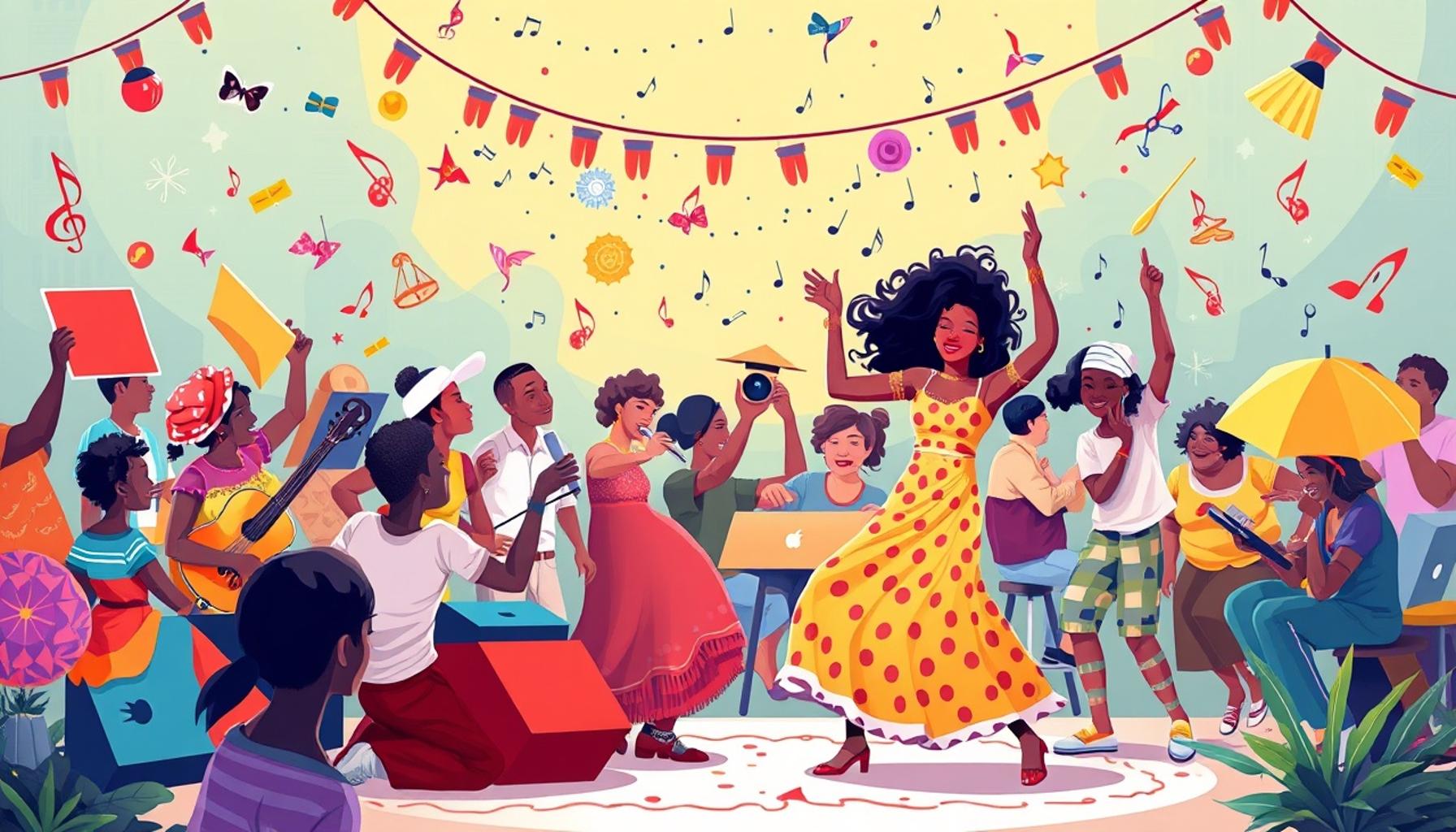
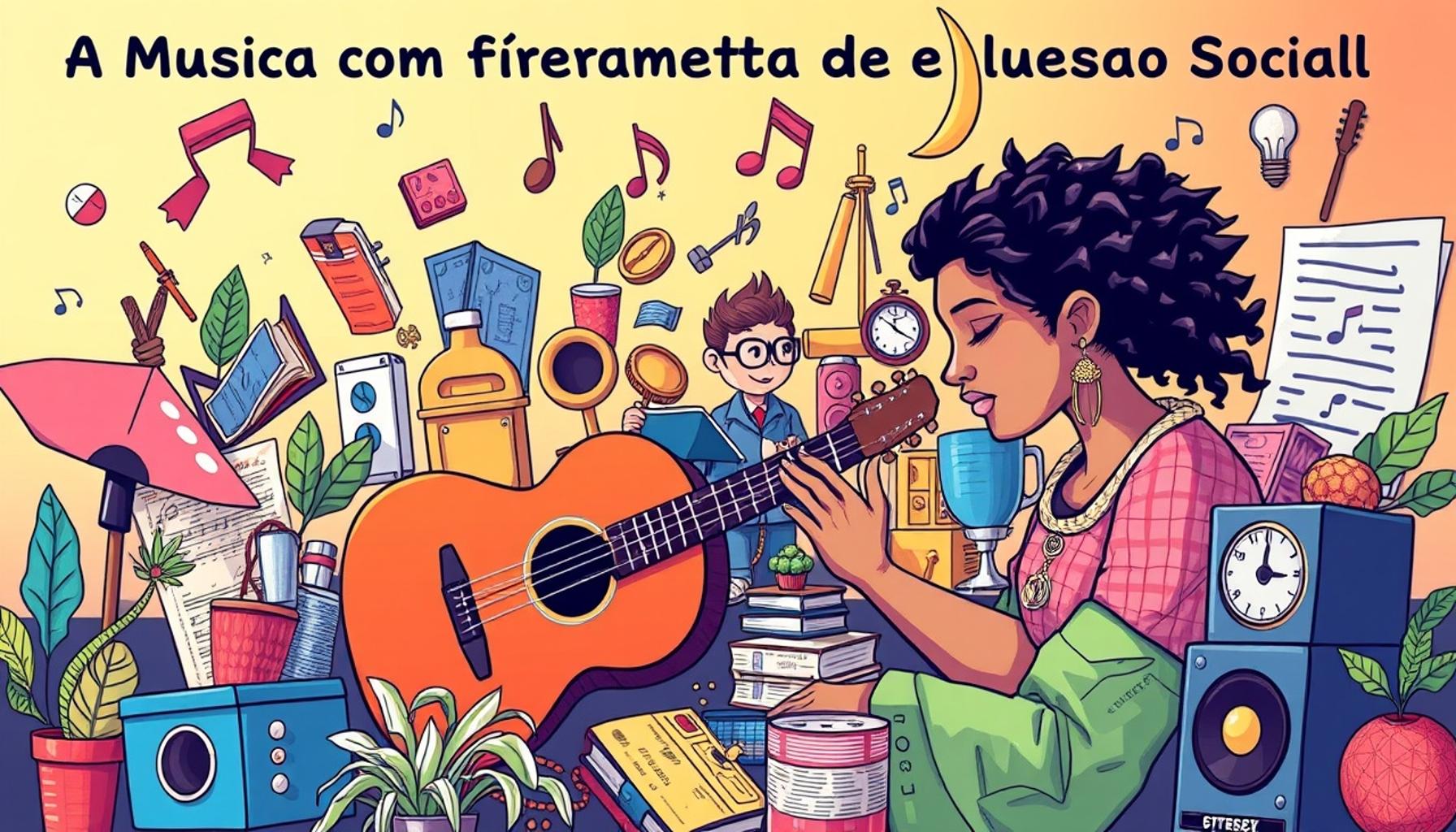
Music has an incredible ability to transcend barriers, transforming lives and fostering connections. Across diverse communities, it serves as a bridge that unites people from all walks of life, creating shared experiences and understanding. From the soulful tunes of blues in Chicago to the vibrant beats of hip-hop in New York City, music resonates deeply within the cultural fabric of America, helping to shape identities and foster dialogue among individuals. The impact of music extends beyond mere entertainment; it is a powerful vehicle for promoting inclusion and healing within our society.
Here are some key ways music promotes social inclusion:
- Healing and Rehabilitation: One of the most profound applications of music can be found in therapy. Music therapy has proven effective in aiding recovery for individuals struggling with mental health issues, trauma, and addiction. For example, hospitals and rehabilitation centers across the United States use music therapy to help patients express emotions, alleviate anxiety, and improve mood. Case studies have shown that patients who engage in music therapy often exhibit improved emotional well-being by tapping into their feelings through music.
- Cultural Exchange: Music provides a platform for cultural exchange, allowing communities to celebrate their unique heritages while fostering mutual respect and appreciation. Festivals like the Newport Folk Festival or the Coachella Valley Music and Arts Festival showcase a melting pot of genres and cultures, where artists from diverse backgrounds come together. These gatherings not only provide entertainment but also educate audiences about different traditions, fostering a sense of global unity and understanding through shared musical experiences.
- Empowerment: Music education programs are vital in empowering underprivileged youth, as they offer opportunities for personal development and self-expression. Initiatives such as the Little Kids Rock organization provide instruments and instruction to students in low-income areas, allowing them to explore creativity and build confidence. Programs like these can lead to improved academic performance and foster a lasting love for music, helping to break the cycle of poverty.
Numerous stories illustrate the transformative power of music:
- A choir that brings together veterans and civilians, healing wounds of the past, exemplifies how shared musical experiences can bridge the gap between different demographics. In cities such as Los Angeles, inter-generational choirs allow veterans to share their stories through song, promoting healing and understanding both for themselves and their community.
- Local musicians mentoring the next generation not only enhance musical skills but also foster a sense of belonging. Programs in urban environments, such as Youth on Record in Denver, create mentorship opportunities where established artists share their knowledge and experiences, empowering young people to pursue their passions.
- Community festivals featuring diverse genres, like the annual Summerfest in Milwaukee, showcase unity in diversity, celebrating everything from hip-hop to country. These events provide a space for local artists to shine while encouraging attendees to experience genres outside of their usual preferences, further broadening cultural understanding.
As we explore these stories of overcoming and connection, we will uncover not only how music enriches lives but also the profound impact it has on fostering inclusion and understanding among different groups. The stories from various neighborhoods and communities demonstrate that music serves as a universal language, speaking to the heart and creating connections that transcend societal divisions.
Transformative Journeys Through Music
Throughout history, music has acted as a profound catalyst for social inclusion. Stories abound that highlight how music provides a voice to the voiceless and fosters connections that reshape lives. Within communities across the United States, music serves as a conduit for personal and collective healing, bridging the gaps that often separate us due to race, socioeconomic status, or trauma. From the heartfelt melodies of folk music to the electrifying rhythms of hip-hop, these tunes tell collective tales of overcoming adversity and uniting hearts.
One striking example is the work being done in correctional facilities, where music programs help inmates reconnect with themselves and their communities. Projects like the Prison Arts Project and Music Behind Bars provide opportunities for inmates to learn instruments, write songs, and collaborate on musical projects. Participants often report an increased sense of self-worth and empowerment, with many discovering a passion for music that they never knew existed. Inmates who take part in these programs find a constructive outlet for their emotions, and many emerge from their experiences with renewed hope and direction, illustrating the powerful capacity of music to forge personal transformation and re-enter society on more positive terms.
Moreover, music’s role in education cannot be understated. School programs incorporating music not only enhance learning but also build a sense of community among students from diverse backgrounds. For instance, initiatives like El Sistema USA aim to provide free orchestral training to underprivileged youth. By immersing students in collaborative music-making, these programs instill a sense of belonging and teamwork. Studies have shown that students involved in such music programs experience greater academic achievement, increased self-esteem, and improved social skills—a testament to music’s power to empower individuals and foster inclusive environments.
At the grassroots level, local community organizations are utilizing music to break cultural barriers and encourage dialogue. Events such as open mic nights and community jam sessions are popping up in neighborhoods from coast to coast, allowing artists to showcase their talents while inviting local residents to engage with diverse musical expressions. These gatherings create space for participants to share their stories, destinies intertwined through a shared love for music. For instance:
- Harmony Project in Los Angeles uses music to uplift at-risk youth in underserved communities, providing mentorship and scholarships to help students pursue careers in music.
- Playing for Change engages musicians worldwide, bringing people together through the universal language of music to inspire change and support social causes.
- Sing for Hope organizes pop-up choir events, where individuals from all backgrounds come together, harmonizing their differences and finding common ground.
The narratives that emerge from these musical interactions underline the unparalleled ability of music to generate a sense of community and belonging. As we delve deeper into these remarkable stories of overcoming challenges and fostering connections, it becomes increasingly evident that music is not only a form of expression but a powerful tool for driving social change and building a more inclusive society.
| Category | Details |
|---|---|
| Community Building | Music fosters a sense of belonging among participants, creating supportive networks. |
| Holistic Benefits | Engagement in music can improve mental health, emotional expression, and life skills. |
Music has long been recognized as a powerful medium for social inclusion, transcending barriers such as age, disability, and cultural differences. Through the medium of music, individuals share their stories of overcoming adversity and forging connections that were once thought impossible. Programs utilizing music engage participants in ways that traditional methods often cannot, inviting them into a space where they can express themselves freely and build relationships with others who share similar experiences.Moreover, the benefits of musical engagement extend beyond just social interactions. Participants often report improving their mental well-being, with increased self-esteem and reduced feelings of isolation. Local music projects often see remarkable transformations, where individuals find empowerment and a sense of identity through collaboration, whether it be in ensembles, choirs, or even informal jam sessions. The rhythmic harmony serves not only to educate but to heal, emphasizing the profound impact of music as a tool for social connection and resilience. This transformative power of music can encourage communities to work together in ways that create lasting change and understanding, demonstrating that the ties forged through musical experiences can lead to a brighter, more inclusive future.
The Unifying Power of Music Festivals and Collaborations
In addition to grassroots organizations and educational initiatives, music festivals and collaborative projects serve as major platforms for social inclusion, offering opportunities for diverse communities to come together in celebration and unity. Notably, festivals like the Newport Folk Festival and South by Southwest (SXSW) have evolved beyond mere entertainment; they are now incubators for social change. These events often highlight socially conscious artists who use their platforms to address pressing issues such as inequality, poverty, and mental health, inspiring audiences to connect and engage in dialogue long after the music stops.
A remarkable example is the Global Citizen Festival, which unites millions of people around the world to advocate for various social causes, from education to climate change. Through the power of music, this festival has ignited a movement that transcends borders, emphasizing the role of collective action in addressing global challenges. The participation of both renowned international artists and local talents creates an atmosphere where cultural exchange thrives, allowing individuals from all backgrounds to feel included and appreciated.
Collaborative projects are further reshaping the landscape of social inclusion through music. Initiatives like Playing for Change bring together musicians across the globe, creating a unique tapestry of sounds that showcases the beauty of cultural diversity. By recording performances in different locations, these collaborations not only promote the artists involved but also send a powerful message about unity and empathy. Such initiatives highlight how music can bridge geographical and cultural divides, fostering a sense of community and shared purpose.
Furthermore, the mental health benefits of engaging with music as part of community initiatives cannot be ignored. Programs such as Musicians on Call take music to patients in healthcare settings, providing comfort and emotional support. Volunteer musicians perform in hospitals, where the power of live music facilitates emotional healing and connection for patients and their families. This approach not only uplifts those in medical distress but also engenders a supportive atmosphere where caregivers and patients can share experiences through the universal language of music.
The rise of digital platforms has also contributed significantly to social inclusion through music. Platforms like YouTube and SoundCloud allow independent musicians to reach audiences they may never have encountered otherwise, while simultaneously fostering a sense of community among creators. Artists can collaborate across distances, amplifying their messages and reach. Campaigns that promote social justice, such as the Black Lives Matter movement, have utilized music as a powerful vehicle for advocacy, as seen in viral songs that elevate voices and promote awareness around systemic issues.
As we explore these diverse manifestations of music as a tool for social inclusion, it’s clear that each story of connection and triumph contributes to a broader narrative. Through shared experiences, whether at festivals, community gatherings, or in digital spaces, music continues to break down barriers and inspire individuals to overcome challenges together. This rich tapestry of stories—from concert stages to hospital wards—reveals an inherent truth: music is a timeless language of empathy that builds bridges in the spirit of inclusivity.
Conclusion: The Harmony of Togetherness through Music
Ultimately, the stories and initiatives discussed reveal that music is far more than mere entertainment; it serves as a profound tool for social inclusion, enabling communities to unite, share experiences, and overcome adversity. The events and programs we have seen, from grassroots movements to global festivals, all underline the incredible potential of music to break down barriers, foster communication, and cultivate empathy. By creating shared spaces where individuals can connect through the universal language of melody and rhythm, we witness firsthand how music can uplift spirits and forge lasting bonds.
As we move forward in a world that often feels divided, the examples of collaboration and advocacy within the musical landscape serve as reminders of our shared humanity. Artists who transcend geographical and cultural divides highlight the significance of collective action for social justice, addressing pressing issues such as mental health, inequality, and climate change through the medium of song. Programs like Musicians on Call illustrate how even the smallest acts of bringing music into the lives of those in need can lead to profound emotional healing.
Engaging with and supporting these initiatives not only benefits individuals but enriches society as a whole. By participating in or promoting music as a platform for social inclusion, we can play a role in fostering a more compassionate world. As we celebrate the stories of those who have overcome challenges through music, it is clear that together, we can create a symphony of inclusion, hope, and understanding—reminding us all of the powerful role music plays in constructing a more connected and inclusive future.