The Evolution of Music and Dance Festivals: Celebrating Creativity and Human Connection
The Role of Festivals in Celebrating Unity and Diversity
Music and dance festivals have long served as crucial platforms for creativity and human connection. From intimate gatherings on sun-drenched fields to massive international spectacles that fill entire cities, these events weave together diverse cultures and artistic expressions. The journey of these festivals reveals not only shifting musical trends but also the evolving values of society, making them significant cultural phenomena that deserve exploration.
A Historical Perspective
- The roots of music festivals can be traced back to ancient cultures, where rituals involved song and dance. Communities would gather to celebrate seasonal changes, harvests, and religious events, with music serving as a spiritual connector.
- The 1960s saw a revolutionary shift with festivals like Woodstock, embodying counterculture and unity. More than just a music festival, Woodstock became a symbol of the 1960s peace movement, attracting hundreds of thousands and showcasing the era’s top musical talents, including Jimi Hendrix and Janis Joplin.
- Today, events like Coachella and Lollapalooza not only reflect changing music trends but also highlight contemporary social issues such as environmentalism, inclusivity, and mental health awareness. These festivals serve as forums where advocacy and artistry intersect.
Key Features of Modern Festivals
- Diversity: One of the defining traits of present-day festivals is their commitment to diversity. Artists from various genres and cultural backgrounds come together to share their creativity. For instance, the Afro-Punk Festival in Brooklyn not only showcases diverse musical acts but also promotes a broader dialogue on race and identity.
- Innovation: The incorporation of technology has enhanced the festival experience, offering attendees immersive interactions. From augmented reality experiences at the Electric Daisy Carnival to live-streaming sets for virtual audiences, technology allows festivals to reach wider audiences while providing unique experiences.
- Community: Festivals foster connections among attendees, leading to lasting friendships and shared experiences. This sense of community can be felt in festivals that focus on arts and crafts, such as the American Folk Festival, where visitors can participate in hands-on workshops alongside artists.
As we delve deeper into the evolution of music and dance festivals, we uncover the myriad ways they celebrate creativity while addressing societal issues. These events transcend mere entertainment, becoming vital spaces for expression and connection in an increasingly fragmented world. From the grassroots movements that sparked change to the contemporary spectacles that bring information and art together, festivals invite us to engage with cultural narratives in a dynamic way.
With every passing year, these vibrant gatherings transform, reflecting not only the tastes of new generations but also providing a platform for voices that challenge the status quo. As you consider attending a festival, reflect on the impact these experiences can have, not just on you as an individual but on the collective consciousness of society. Prepare to explore how these events continue to resonate, drawing us closer together to celebrate the universal language of music and dance.
The Transformation of Festival Culture Through the Decades
The evolution of music and dance festivals reflects significant societal shifts and underscores the power of creativity to forge human connections. As we traverse the timeline of these events, we see how they have transformed from simple gatherings into monumental celebrations of cultural expression, capable of mobilizing communities and advocating for social change.
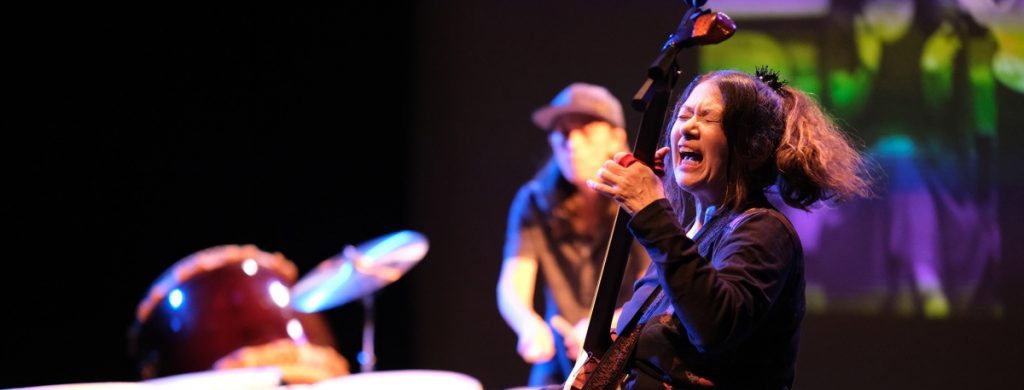
The Birth of Modern Festivals
Modern music festivals, as we know them today, began taking shape in the mid-20th century. The 1960s counterculture movement played a pivotal role in redefining the festival landscape. Events like the iconic Woodstock festival in 1969 not only showcased groundbreaking musical talent but also became emblematic of a generation’s desire for peace, love, and unity. With stunning performances by artists such as Jimi Hendrix and Janis Joplin, Woodstock captured the spirit of the age, creating a blueprint for future festivals.
Following this era, the 1970s and 1980s saw the rise of a multitude of festivals across the United States, targeting various genres like rock, jazz, and punk. These events were often politically charged, serving as platforms for activism. The Newport Folk Festival, for example, continued to spotlight not only musical legends but also movements fighting for civil rights and social justice. This trend continued into the 1990s, as festivals began to embrace more diverse musical styles, paving the way for the eclectic lineups we see today.
Festivals as Reflections of Culture
Fast forward to the present day, and festivals have grown remarkably in scope and significance. They are now multifaceted cultural gatherings, highlighting issues that resonate with audiences worldwide. Events like Coachella and Lollapalooza don’t just offer musical performances; they present a microcosm of contemporary culture, addressing topics like environmentalism, inclusivity, and even mental health awareness. This merging of advocacy and artistry transforms festivals into vital forums for discussion, fostering a sense of responsibility alongside enjoyment.
Celebrating Diversity through Music and Dance
- Global Representation: Festivals have increasingly made efforts to include artists from various cultural backgrounds, thereby promoting a more inclusive celebration of talent. The Global Gathering festival seeks to showcase international artists, emphasizing the unifying power of music.
- Supporting Local Artists: Many festivals now prioritize giving a platform to local musicians, nurturing community talent and encouraging regional creativity. For instance, the Americana Music Festival not only highlights established artists but also promotes emerging voices within the genre.
- Interactive Experiences: Modern festivals leverage technology to create immersive experiences for attendees. From live-streamed performances to interactive art installations, these innovations enhance the overall experience, allowing for connections to form in new and exciting ways.
As we peel back the layers of the evolution of music and dance festivals, it’s clear they are more than just entertainment; they encapsulate the collective aspirations and emotions of society. Festivals invite us to participate in a shared cultural narrative while celebrating the creativity that can bring diverse communities together. With each new wave of artists and attendees, these events continue to shape and reflect our ever-changing world.
The Evolution of Music and Dance Festivals: Celebrating Creativity and Human Connection
The journey of music and dance festivals reflects a rich tapestry of cultural expression and communal unity. As these festivals evolve, they showcase not only the changing tastes in music but also the growing significance of creativity in fostering human connections. From the spontaneous gatherings of folk dances in rural communities to the grand-scale productions seen today, each festival serves as a testament to the transformative power of music and dance.
Historically, many festivals were deeply rooted in traditional ceremonies that celebrated seasons, harvests, or other significant events. In modern times, festivals have expanded their scope, now intertwining various genres and artistic expressions that highlight the diversity of human experience. This evolution provides a rich backdrop for collaboration among artists, leading to innovative performances that challenge the conventional boundaries of creativity.
Furthermore, the emergence of technology has revolutionized how festivals are experienced. Live streaming, immersive virtual reality experiences, and cutting-edge stage designs have opened new avenues for creativity and audience engagement. Festivals are no longer confined to physical spaces; they have transcended geographical limitations, allowing people from all around the world to partake in the exuberance of collective creativity. The use of social media to unite festival-goers extends beyond mere attendance, fostering global conversations that celebrate cultural interchange and understanding.
In essence, the evolution of music and dance festivals is not just about the music being played; it’s about creating an inviting environment where shared experiences foster a sense of belonging. Each festival brings together artists and audiences, forming connections that are fundamental to the human experience. As communities continue to gather to celebrate the vibrancy of culture, the future of these festivals seems destined to become even more interconnected and dynamic.
| Festival Elements | Impact on Society |
|---|---|
| Cultural Representation | Fostering awareness and appreciation for diverse cultures. |
| Community Bonding | Strengthening social ties and enhancing community spirit. |
As the realm of music and dance festivals continues to grow, their role in not just entertainment but as a pivotal facilitator of human connection and cultural exchange cannot be underestimated. This transformation is a celebration of creativity that beckons everyone to partake in its vibrant narrative, encouraging exploration and connection across the globe.
The Role of Technology in Shaping Festival Experiences
As music and dance festivals continue to evolve, technology has emerged as a significant catalyst for change, fundamentally reshaping how audiences engage with their favorite artists and fellow festival-goers. The integration of cutting-edge technology has not only amplified the artistic expression during performances but has also fostered deeper human connections through innovative experiences.
Virtual and Augmented Realities
The use of virtual reality (VR) and augmented reality (AR) within festivals represents a new frontier, allowing fans to step into immersive worlds that transcend traditional concert settings. Events like the Tomorrowland festival have embraced VR, enabling global audiences to experience the festival from their own homes. Through 360-degree live streams, attendees can feel as if they are standing front row, amplifying a shared sense of connection among fans who might never otherwise have the opportunity to attend.
Moreover, AR technology has enabled interactive elements that encourage audience participation. For instance, at festivals like Electric Daisy Carnival, festival-goers can engage with interactive art installations that come alive through their smartphones. Such experiences bridge the gap between the physical and digital realms, creating memorable interactions that foster creativity and community.
Social Media and Community Building
Another transformational aspect of festival culture is the influence of social media, which plays a crucial role in shaping the experience of festivals. Platforms like Instagram and TikTok have turned festival moments into shareable content, amplifying artists’ reach and integrating fan engagement in real-time. Highlights, live performances, and behind-the-scenes glimpses can now circulate widely, creating a communal atmosphere that extends beyond the event itself.
This digital presence also allows festivals to cultivate communities around specific genres and interests. For example, the Bonnaroo Music and Arts Festival actively encourages participants to share their experiences via hashtags and geotags, fostering a sense of belonging. As attendees share their memories online, they help to build vibrant, lasting connections that resonate long after the festival concludes.
Eco-Friendly Innovations in Festivals
As awareness around sustainability grows, many festivals are now prioritizing eco-friendly practices to minimize their environmental impact. The Austin City Limits Music Festival, for instance, is designed with sustainability in mind, incorporating measures such as waste reduction programs and partnerships with local organizations to promote eco-consciousness. These initiatives not only resonate with environmentally-aware audiences but also instigate a collective responsibility towards a healthier planet.
- Waste Management Innovations: Many events have pioneered composting initiatives and recycling programs that reduce landfill waste significantly. Festivals like Green Man in the UK demonstrate how waste can be repurposed, setting benchmarks for ecological responsibility.
- Renewable Energy Usage: Increasingly, festivals are utilizing solar and wind energy to power their stages and facilities. The Shambhala Music Festival in Canada is a prime example, moving towards a zero-carbon footprint.
The role of technology and eco-conscious initiatives within music and dance festivals illustrates a promising future where creativity harmonizes with responsibility and innovation. As diverse representations of artistry flourish and technology enhances the experience, festivals remain pivotal arenas for celebrating human connection and cultural expression.
Conclusion: A Harmonious Future for Festivals
The journey of music and dance festivals from their humble beginnings to the grand, multifaceted experiences they offer today underscores not just the evolution of entertainment, but also the profound human connections fostered within these shared spaces. As these cultural phenomena continue to grow, they not only highlight the artistry of performers but also reflect the diverse communities that gather to celebrate creativity together.
With the advent of technology, festivals have transcended geographical barriers, enabling fans to engage through immersive experiences and social platforms. From virtual reality concerts to trending social media challenges, the impact of digital innovation enhances participation and brings fans closer than ever. This technological shift resonates especially in a world that increasingly values connection, allowing festival-goers to forge lasting memories and relationships beyond physical attendance.
Moreover, as the awareness of our environmental impact rises, the integration of sustainable practices within festival operations reflects a collective commitment to preserving the planet for future generations. Emphasizing eco-friendly initiatives showcases how creativity can coexist with responsibility, empowering artists and audiences alike to champion change.
As we look toward the future of music and dance festivals, it is clear that these events remain vital platforms for celebrating culture, fostering community, and ultimately bridging the gaps between people. The harmonious blend of artistry, technology, and sustainability positions festivals not merely as entertainment venues but as essential gatherings that embody the spirit of collaboration and human connection in an increasingly interconnected world.