Music and Dance as Tools of Protest: Artistic Expression in Social Movements
Art as a Voice for Change
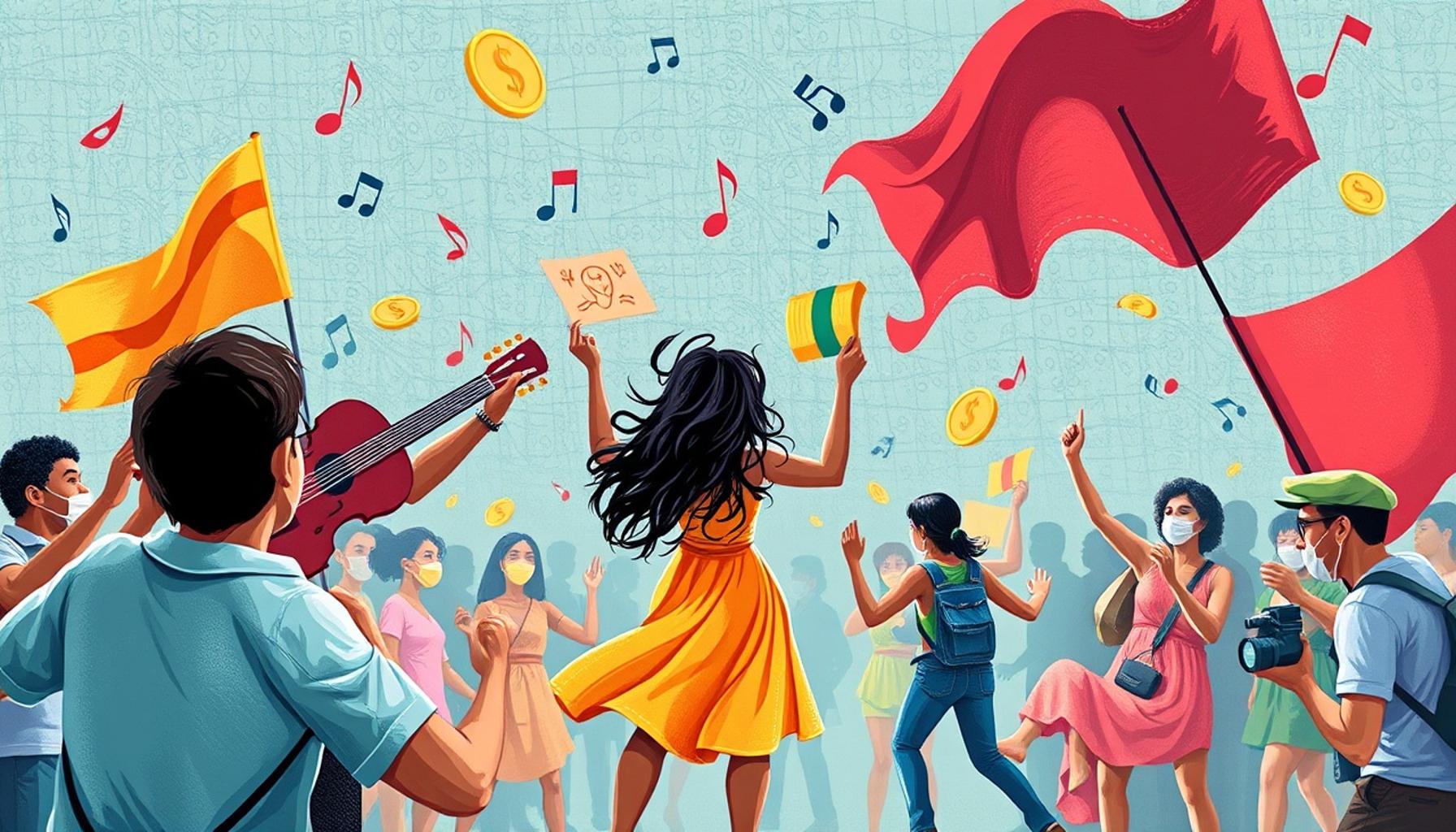
Throughout history, music and dance have emerged as powerful forms of expression, particularly in times of social upheaval. These art forms not only entertain but also convey messages of resistance, unity, and hope. They serve as catalysts for change, mobilizing communities and amplifying voices that might otherwise go unheard.
The Role of Music and Dance in Protest
In various social movements, music and dance have played pivotal roles. They can:
- Unite individuals under a common cause. Music serves as a rallying cry, where songs resonate deeply with shared experiences. For instance, the song “We Shall Overcome” became an anthem during the Civil Rights Movement, bringing people together across racial lines in their fight for justice.
- Convey complex emotions and ideologies. Artistic expressions often encapsulate feelings that words alone cannot express. The emotional weight of Nina Simone’s “Mississippi Goddam” articulated the urgency and outrage felt during the civil rights struggles, making it a poignant soundtrack to the fight against racial injustice.
- Invite participation and engagement from diverse audiences. Dance, especially in community settings, encourages involvement. Traditional dance forms like the powwow, particularly prevalent among Native American communities, not only celebrate cultural heritage but also serve as platforms for political statement and community solidarity during protests against land injustices.
From the Civil Rights Movement to contemporary protests against systemic injustices, artists have utilized their craft to foster solidarity. Notable examples include:
- The anthems of the 1960s, which fueled the anti-war movement. Songs like “Fortunate Son” by Creedence Clearwater Revival articulated the frustrations of young Americans who opposed the Vietnam War, resonating deep within the youth culture of the time.
- Hip-hop as a voice for marginalized communities. Originating in the Bronx during the late 1970s, hip-hop has evolved into a global movement, empowering voices in urban communities. Artists like Kendrick Lamar and J. Cole have highlighted social issues such as police brutality and systemic racism, igniting discussions and advocacy among listeners.
- Traditional dances celebrating cultural heritage during protests. Dance displays, such as the #NoDAPL movement at Standing Rock, showcased Native American heritage while protesting against the Dakota Access Pipeline. These performances not only preserved culture but also attracted national attention to the environmental issues at stake.
This exploration delves into how music and dance not only reflect societal struggles but also actively shape them. In doing so, we uncover the profound impact of artistic expression in the fight for justice and equality. Through the rhythms and movements that define our cultures, we can see how art forms serve as an enduring legacy of resilience and activism, driving conversations toward meaningful change.
Historical Context of Protest Music and Dance
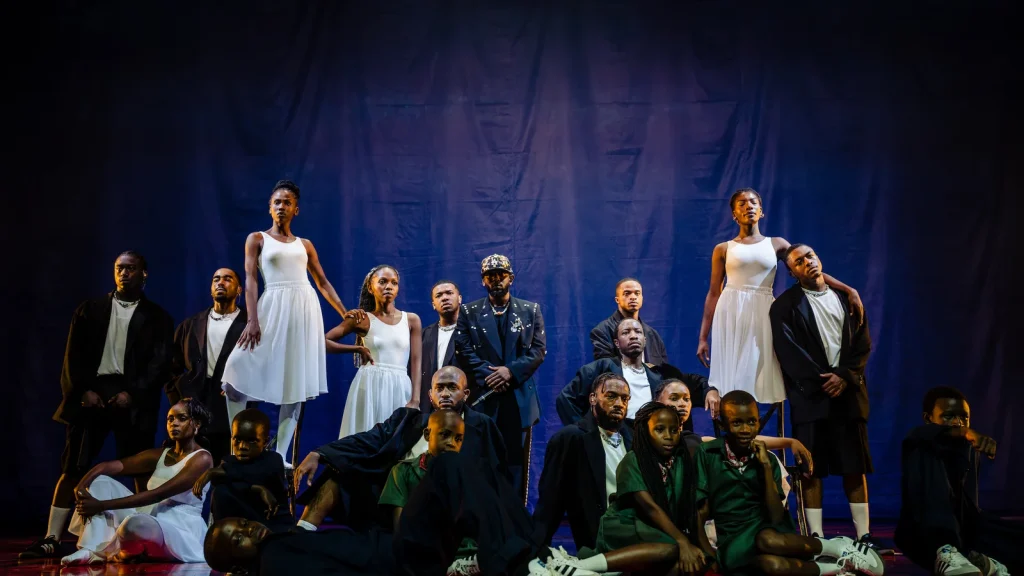
The rich tradition of using music and dance as tools of protest can be traced back to pivotal moments in history. The resonance of these art forms in social movements reveals a deeper connection to the collective consciousness of communities striving for justice. Music and dance have provided not only emotional support during challenging times but also strategies for organizing and communicating dissent.
One of the most significant historical examples is the labor movement in the early 20th century. Songs like “Solidarity Forever” became anthems for workers fighting for rights and fair wages. In gatherings and protests, these songs created a sense of unity among individuals from diverse backgrounds and helped articulate shared grievances. Through rhythmic lyrics and memorable melodies, the labor movement was able to enhance morale and foster camaraderie among its supporters.
Folk Music: The Soundtrack of Resistance
Folk music, often characterized by its narrative style, has served as a profound vessel for political expression. During the 1960s, folk singers like Bob Dylan and Joan Baez emerged as key figures in the counterculture movement. Their music laid bare the struggles against war, racism, and social inequality. Dylan’s song “The Times They Are a-Changin'” encapsulated the urgent call for change, resonating with a generation disillusioned by mainstream politics.
The adaptability of folk music has played a crucial role in the preservation of cultural identities, particularly for marginalized communities. Songs passed down through generations often recount violations of rights and injustices faced by these groups, intertwining cultural heritage with activism. The storytelling aspect of folk music provides a powerful platform that bridges personal experiences with larger social movements. Notably, the Inuit throat singing has been employed in modern protests to assert cultural identity while resisting colonial narratives.
Dance as a Physical Expression of Resistance
While music compels listeners to reflect, dance engages the body in a visceral expression of defiance. The act of dancing can symbolize freedom and liberation, transforming the energy of protests into a collective experience. For instance, the Flash Mob Revolutions that gained momentum during the Arab Spring utilized dance as a means of peaceful rebellion. This tactic not only captivated global attention but also infused a sense of joy and hope amid political turmoil.
Furthermore, traditional dance forms have played an essential role in preserving cultural legacies during protests. For example, the Haka, performed by Māori communities, acts as a call to arms and a demonstration of unity, often showcased during protests against land dispossession in New Zealand. Similarly, the vibrant Chicago-style stepping has evolved as a dance of resistance against systemic racism, promoting community identity while addressing social injustices through organized events.
In examining the fusion of music and dance in various social movements, one can see how these forms of artistic expression merge creativity with activism. By reflecting on the historical context and contemporary applications, it becomes evident that these art forms are not mere embellishments to protests; they are intrinsic to shaping narratives and mobilizing communities toward a more equitable future.
| Category | Description |
|---|---|
| Cultural Identity | Music and dance often reflect the cultural heritage and identity of communities, fostering unity during protests. Their rhythms express shared experiences and struggles, serving as a collective voice. |
| Empowerment | Participating in music and dance empowers individuals to express their emotions and frustrations, creating a sense of agency. This artistic form offers strength and resilience to marginalized groups, enhancing their advocacy efforts. |
Artistic expressions like music and dance have always played pivotal roles in social movements, acting as enduring symbols of resistance and resilience. By utilizing these creative outlets, activists capture attention and elevate their messages, making them more relatable and impactful. For example, during the Civil Rights Movement, the incorporation of gospel and soul music galvanized protests, enabling participants to share their messages with passion and purpose. Moreover, dance, as seen in the movements of artists like Bill T. Jones or contemporary flash mobs, underscores a unique way of storytelling that transcends language. These performances can ignite emotions and provoke thought, encouraging audiences to reflect on societal issues. Ultimately, the interplay of music and dance not only enriches the protest experience but also links generations in their shared fight for justice.
Contemporary Movements and the Power of Performance
The influence of music and dance as tools of protest continues to evolve, shaping contemporary movements across the globe. Modern social justice movements leverage these art forms to articulate their messages, energize supporters, and garner public attention. From Black Lives Matter to climate activism, the performance arts play integral roles in framing narratives and mobilizing communities around pressing issues.
Hip-Hop: Voice of the Urban Revolution
In the United States, the rise of hip-hop has marked a significant evolution in protest music. Beginning in marginalized neighborhoods, artists like Kendrick Lamar, Janelle Monáe, and Killer Mike have addressed systemic racism, police brutality, and socioeconomic disparities through their lyrics. Songs like “Alright” by Lamar became rallying cries, encapsulating the resilience of communities facing oppression. The fusion of sharp social commentary with infectious rhythms ensures the message reaches a broad audience, bridging gaps across diverse demographics.
Moreover, hip-hop culture thrives on dance, with styles like breaking and krumping transforming physical movements into powerful expressions of resistance. During protests, dancers often seize public spaces to perform, turning courts, streets, and parks into stages for their art. This has a dual effect: it not only communicates frustration and aspiration but also draws in spectators, who become more then distant observers, potentially transforming into active participants.
The Global Impact of Dance in Activism
Globally, dance remains a pivotal aspect of protest culture, often reflecting local histories and struggles. The Women’s March in the United States utilized choreography—often inspired by viral dance trends—to infuse energy and joy into the gathering. The adaptation of wellness- and empowerment-focused moves made a statement about reclaiming public spaces, while also promoting solidarity among participants.
In the Middle East, the Arab Spring propelled forms of dance such as dabke—a national folk dance in Lebanon, Syria, and Palestine—into global awareness. As protesters danced in the streets, they celebrated their culture while defiantly expressing their desire for change. The communal nature of these dances fosters a sense of belonging and shared purpose, bridging divides and encouraging collective action.
Digital Platforms and the New Age of Protest Art
As social movements transition into the digital realm, platforms like TikTok and Instagram have become crucial battlegrounds for activism. Short-form videos that incorporate music and dance allow activists to reach vast audiences rapidly. When movements like #BlackLivesMatter and climate strikes gain traction through viral dance challenges, they illustrate the blend of the digital age with traditional art forms. This technique not only spreads awareness but also encourages participation globally, proving that contemporary protest can transcend geographic barriers.
Additionally, interactive performances such as “The Revolution Will Not Be Televised” utilize multimedia components, intertwining theatrical elements with social commentary through dance and spoken word. These innovative forms posit that artistic expression in protests can adapt to the times, shifting how messages are delivered and received.
As societies grapple with pressing issues ranging from climate change to social injustice, the integration of music and dance into activism remains a dynamic and essential method of resistance. Their ability to connect people on emotional, cultural, and political levels cannot be understated, serving as reminders that even in the face of adversity, creativity and rhythm can lead the way toward change.
Conclusion: The Enduring Legacy of Music and Dance in Activism
As we explore the multifaceted role of music and dance as tools of protest, it becomes evident that these art forms serve as powerful vehicles for expressing dissent, fostering community, and igniting change. Throughout history, artists have used their craft not only to reflect societal struggles but also to inspire action and solidarity among those yearning for justice. Contemporary movements like Black Lives Matter and environmental activism demonstrate how music and dance continue to resonate with audiences, transforming spaces into stages of resistance and resilience.
With the advent of digital platforms, new opportunities arise for artistic expression within social movements. The viral nature of social media has empowered activists to share their message widely, engaging younger generations and transcending geographical boundaries. Music and dance, now more accessible than ever, have the potential to create a domino effect—mobilizing millions around shared causes and interests.
As we look to the future, it is crucial to recognize that creativity and activism are intertwined. The rhythmic beats and vibrant movements not only amplify voices silenced by oppression but also pave the way for reflection, healing, and collective purpose. Music and dance remind us that protest can be dynamic, inclusive, and deeply human, ensuring that the fight for social justice is not only heard but also felt. Therefore, embracing these forms of artistic expression will continue to be vital as societies seek to navigate the complexities of change, ultimately enriching the narrative of protest as a tool for liberation and empowerment.