The Influence of Technology on Music Creation and Dance: New Creative Frontiers
The Transformative Role of Technology in Music and Dance
The rapid advancement of technology has fundamentally changed the landscape of music creation and dance, offering artists groundbreaking tools that enhance their creative processes. What once required a full studio or a large stage can now be accomplished from the comfort of one’s home or a small studio space, making creative expression more accessible than ever. This evolution not only influences individual artists but also shapes the entire creative ecosystem.
Digital Production has emerged as a cornerstone of modern music creation. With powerful software programs like Ableton Live, Pro Tools, and Logic Pro, musicians can produce professional-grade recordings without the need for traditional recording studios. Home studios equipped with high-quality microphones, MIDI keyboards, and audio interfaces allow artists to experiment with sounds and compositions at their own pace. For instance, artists like Billie Eilish and her brother Finneas O’Connell exemplify this trend, having recorded some of their most significant hits in a bedroom studio. This democratization of music production empowers emerging artists and gives rise to diverse sounds across genres.
Furthermore, accessible collaborations have seamlessly linked artists worldwide. Platforms like SoundBetter and Splice enable musicians to work together, regardless of their physical locations. This has opened doors for unique genre-blending creations that may have never happened otherwise. One vibrant example is the collaboration between American rapper Lil Nas X and his international team, which helped create a global phenomenon with the hit “Old Town Road.” Such associations highlight how geographical barriers are minimized by technology, fostering a collaborative spirit and bringing fresh influences to the table.
In the realm of dance, technology plays a pivotal role in creating interactive dance experiences. Choreographers now use advanced digital platforms to design performances that not only showcase skill but also engage audiences in innovative ways. With augmented reality (AR) and motion capture technologies, dancers can perform alongside digital enhancements that elevate the storytelling aspects of their art. Companies like Cirque du Soleil have harnessed these technologies to create mesmerizing shows that blend physical movement with stunning visuals. The potential for audience interaction has grown, allowing spectators to become part of the performance experience, thereby transforming traditional dance into an immersive spectacle.
This transformative impact of technology culminates in dynamic performances where artistry and innovation coexist. With the incorporation of virtual reality (VR), viewers can now enter entirely new dimensions of performance, allowing for a sense of presence that was once reserved for live audiences. Similarly, the advent of AI-generated music is revolutionizing how soundtracks are created, providing composers with fresh ideas and inspirations at lightning speed. This fusion of technology and artistry is not merely about enhancing existing art forms but redefining what creativity itself can encompass.
As we navigate this exciting intersection of technology, music, and dance, it becomes evident that the future of these artistic expressions lies not in clinging to tradition but in wholeheartedly embracing innovation. The changes we are witnessing today invite artists and audiences alike to explore uncharted territories of creativity. With every new tool and technology, there lies an opportunity for each artist to push boundaries and redefine their craft in ways that inspire and captivate.
Embracing Innovation in Music Creation
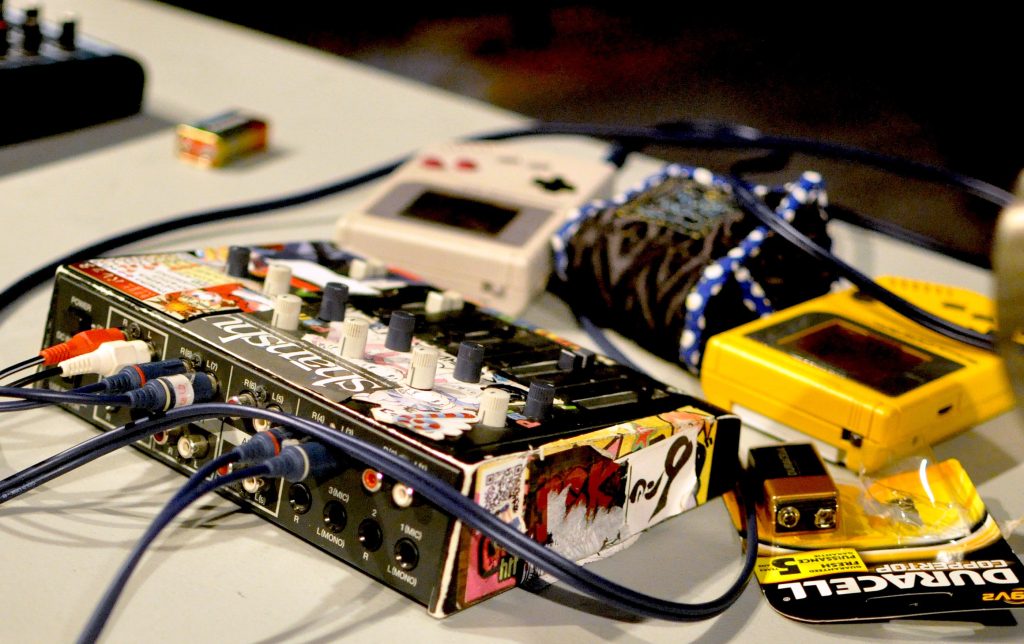
The influence of technology on music creation is not just transformative—it is revolutionary. Musicians now have a wealth of tools at their fingertips, redefining how music is produced, distributed, and consumed. With the integration of advanced technology such as digital audio workstations (DAWs), synthesizers, and looping machines, artists are pushing the limits of their creativity like never before. These innovations have birthed a new wave of creativity, enabling artists to manipulate sound in ways previously thought impossible.
An exciting trend within the music industry is the rise of loop-based music production. Many artists utilize various software solutions, including GarageBand and FL Studio, to create tracks layered with sampled loops. This process allows musicians, both amateur and professional, to reinvent traditional genres while exploring new sonic landscapes. Notably, electronic music producers like Deadmau5 and Daft Punk exemplify the art of loop-based production, merging rhythmic beats with melodic layers that captivate audiences worldwide.
The evolution of music distribution platforms has further shifted the creative dynamic in the music industry. Streaming services such as Spotify, Apple Music, and SoundCloud have changed how artists share their work while enhancing their reach. Artists can now upload tracks directly to these platforms, making their music accessible to global audiences without the constraints of record labels. This accessibility allows for a more diverse range of voices and styles to emerge, reflecting an eclectic tapestry of cultural influences. Moreover, platforms like TikTok have given rise to viral hits, where short snippets of songs can catapult an artist to fame overnight, illustrating a completely new avenue for music creation and promotion.
Beyond creation and distribution, technology enables artists to harness data analytics for audience engagement. By analyzing listener data, musicians can tailor their music and marketing strategies to resonate more effectively with their audience. Insights into demographic preferences and listening habits allow for targeted campaigns that enhance visibility and touchpoints with fans. Artists like Taylor Swift have successfully utilized digital analytics to curate touring strategies and setlists, ensuring concert experiences align with fan expectations.
Revolutionizing Dance Through Technology
In the world of dance, technology has become a game-changer, infusing performances with innovative elements that engage audiences in unprecedented ways. Digital projection is one technological advancement that has transformed how dance is presented. Dance companies can now project visuals on stage that interact with performers, blurring the lines between reality and the virtual world. This trend allows choreographers to create rich narratives that captivate viewers through visual storytelling, as seen in productions like “Tree of Codes” by Wayne McGregor, where projections create moving landscapes alongside dance.
Moreover, technology offers new ways to learn and practice dance. Online platforms such as YouTube and specialized dance apps provide tutorials and training sessions, enabling budding dancers to hone their skills at home. Virtual dance classes have surged in popularity, especially following the COVID-19 pandemic, proving that technology can bridge geographical gaps and connect instructors with students worldwide. This flexibility eliminates barriers for aspiring dancers, making the art of dance more inclusive and accessible.
As we navigate through these advancements, several key themes emerge in the relationship between technology, music, and dance:
- Accessibility: Technology has made music creation and dance education more reachable for diverse audiences.
- Collaboration: Artists from different backgrounds can collaborate easily, blending styles and genres.
- Craftsmanship: The enhanced tools available empower artists to explore their creativity fully.
- Engagement: Technology capitalizes on audience interaction, evolving performances from passive viewership to active participation.
The fusion of technology with music and dance not only offers new methods of expression but also poses exciting challenges and opportunities for artists. As this evolution continues, it is clear that the creative frontiers of music and dance will only expand, inviting artists and audiences alike to be curious pioneers in this dynamic landscape.
The Influence of Technology on Music Creation and Dance: New Creative Frontiers
As we delve deeper into the evolving landscape of music and dance, it becomes increasingly apparent that technology plays a pivotal role in shaping these artistic expressions. From the advent of digital tools to innovative platforms, artists are utilizing technological advancements to push the boundaries of their creativity.
One of the substantial impacts of technology on music creation lies in the rise of digital audio workstations (DAWs). These powerful tools allow musicians to compose, edit, and produce their works from virtually anywhere, opening up opportunities for collaboration across the globe. Artists no longer need to book expensive studio time; they can experiment with sound and share their creations instantly, engaging with audiences in new and interactive ways.
In the world of dance, technology has similarly transformed artistic expression. The incorporation of augmented reality (AR) and virtual reality (VR) allows choreographers to create immersive experiences that were previously unimaginable. Dancers can now perform in virtual environments, engage with digital avatars, and reach audiences without geographical limitations. Such innovations not only enhance performance art but also encourage new forms of storytelling through movement.
Moreover, social media platforms have emerged as significant tools for both music and dance promotion. Artists leverage these platforms to share snippets of their work, gain followers, and even launch viral trends. The influence of platforms like TikTok has proven that a brief performance can lead to widespread recognition and success, exemplifying how technology reshapes how artists connect with fans.
To further illustrate these advancements, let’s explore how technology is driving creativity in our modern artistic landscape.
| Category | Description |
|---|---|
| Digital Audio Workstations | Empowers musicians to compose and collaborate globally. |
| Augmented and Virtual Reality | Transforms performances into immersive experiences, engaging wider audiences. |
| Social Media Platforms | Acts as a promotional tool for artists, leading to viral trends. |
The fusion of technology with music and dance not only enhances the creative process but also democratizes art, allowing diverse voices to emerge in the creative industry. As we continue to explore these new frontiers, the potential for innovation remains boundless, inviting artists and audiences alike to engage in dynamic, cutting-edge experiences.
Enhancing Interactivity and Immersion in Performance Art
The integration of technology into music and dance has not only redefined the creation and distribution process but has also reimagined how audiences experience performances. One of the most compelling advancements is the use of augmented reality (AR) and virtual reality (VR), which has begun to revolutionize live performances by creating immersive environments that transport viewers beyond the physical limitations of traditional venues. Artists like Coldplay and Imogen Heap have experimented with AR, incorporating interactive elements into their concerts that invite audience members to participate in the artistic process. This democratization of performance allows fans to engage with the music in a more personal and transformative way.
Additionally, technology has facilitated the emergence of wearable devices in dance, where performers can utilize sensors and motion-capture technology to enhance their capabilities. These devices can interpret body movements in real time, allowing for a dynamic interplay between the dancer and choreographed elements that respond to their actions. The collaboration between technology and choreography has taken center stage in productions like “The Motion Capture Project,” which utilizes sensors to create stunning visual displays that complement live dance performances, effectively merging the physical and digital realms.
Moreover, advancements in algorithmic composition have opened new avenues for music creation. Using artificial intelligence (AI), musicians can now collaborate with algorithms to generate new sounds, harmonies, and rhythms that challenge traditional songwriting conventions. Applications like AIVA (Artificial Intelligence Virtual Artist) offer composers an innovative toolkit that can interpret human emotion and musical styles, providing unique compositions that might not have emerged through human effort alone. Artists like her blue finger have begun exploring such technology as a creative partner, expanding the boundaries of what is classified as music and further inviting listeners to ponder the essence of creativity itself.
Another notable intersection of technology and dance can be seen in the rise of real-time audience participation. Platforms such as Zoom have enabled new forms of interactive performance where viewers can influence the outcome of a dance piece through their choices or reactions. Choreographers are experimenting with this format to create live, hybrid productions that challenge not only the dancers but the audiences as well. Projects like “Remote Together” have embraced this trend, showcasing how technology can foster genuine connections between performers and their audience, bridging the gap created by distance.
Furthermore, the impact of social media on both music and dance cannot be overstated. The rapid consumption of content through platforms like TikTok, Instagram, and YouTube has led to viral dance challenges and music trends that can elevate lesser-known artists to global fame in a matter of days. For instance, songs such as “Savage Love” by Jawsh 685 and Jason Derulo gained international recognition largely due to viral dance challenges on social media, illustrating the symbiotic relationship between technology-driven platforms and the evolution of contemporary music and dance. This phenomenon not only showcases new talent but also highlights the importance of trending culture within the digital landscape.
As technology fosters ongoing experimentation in music creation and dance, we can anticipate an exciting future where artists continue to explore innovative forms of expression. The combination of immersive technology, real-time interactions, and social media channels presents unprecedented opportunities for creatives to captivate audiences and collaborate in ways previously unimaginable.
Conclusion: Embracing the Future of Creative Expression
The fusion of technology with music creation and dance has undeniably unlocked new creative frontiers, pushing the boundaries of artistic expression in unprecedented ways. As we look back on the remarkable developments in augmented reality, wearable technology, and algorithmic composition, it becomes evident that the landscape of performance art is rapidly evolving. This transformation is not only enhancing the artistic process but is also inviting audiences into an era of interactivity and personal engagement.
The rise of social media further illustrates how technology can accelerate cultural trends and democratize fame, empowering emerging artists to reach global audiences overnight. The virality of dance challenges and the creative exchange fostered by platforms like TikTok serve as a testament to the significant role technology plays in shaping contemporary music and dance. As artists navigate this dynamic terrain, they are not only redefining their craft but are also cultivating new relationships between themselves and their fans.
Looking ahead, it is crucial to consider the implications of these technological advancements—how they will continue to reshape the creative industries and influence future generations of artists. While embracing innovation, musicians and dancers must also reflect on the authenticity of their work and the core essence of human creativity. The adventure into the intersection of technology and art is just beginning, and as curious explorers in this realm, we are invited to witness a future rich in innovation, collaboration, and inspiration.