Exploring the Role of Music and Dance in Education: Cognitive and Social Development in Children
Discovering the Impact of Artistic Expression on Development
The integration of music and dance into educational settings presents a transformative approach that goes far beyond mere entertainment. These art forms serve as essential catalysts for children’s cognitive and social development, offering a multifaceted framework for enhancing their overall learning experiences. As educators and parents look for innovative ways to foster growth in young minds, the benefits of incorporating artistic expression into the curriculum become increasingly noteworthy.
Cognitive Benefits
Participation in music and dance taps into several areas of cognitive function. Research indicates that learning to play an instrument can lead to improvements in memory retention. For instance, studies have shown that children involved in music training have better verbal memory, spatial reasoning, and literacy skills compared to their non-musical peers. This cognitive interplay occurs as children learn to read music, follow rhythms, and internalize melodies, all of which require advanced problem-solving skills and critical thinking.
Social Skills
The collaborative nature of music and dance significantly enhances children’s social skills. Engaging in group activities like a choir or a dance ensemble helps children learn the importance of teamwork. Through these experiences, they practice communication—both verbal and nonverbal—as they work together to achieve a common goal. Research has indicated that students participating in group arts activities exhibit increased empathy, as they learn to appreciate diverse perspectives and feelings, which builds stronger relationships with peers.
Emotional Development
Engaging with music and dance also plays a crucial role in emotional development. Creative expression allows children to articulate and process complex emotions. Classes in dance or music therapy have gained traction, demonstrating how artistic outlets can help children deal with feelings such as anxiety or sadness. For example, children involved in a drama class often find it easier to discuss their emotions and experiences, leading to improved emotional resilience and an ability to cope with challenges.
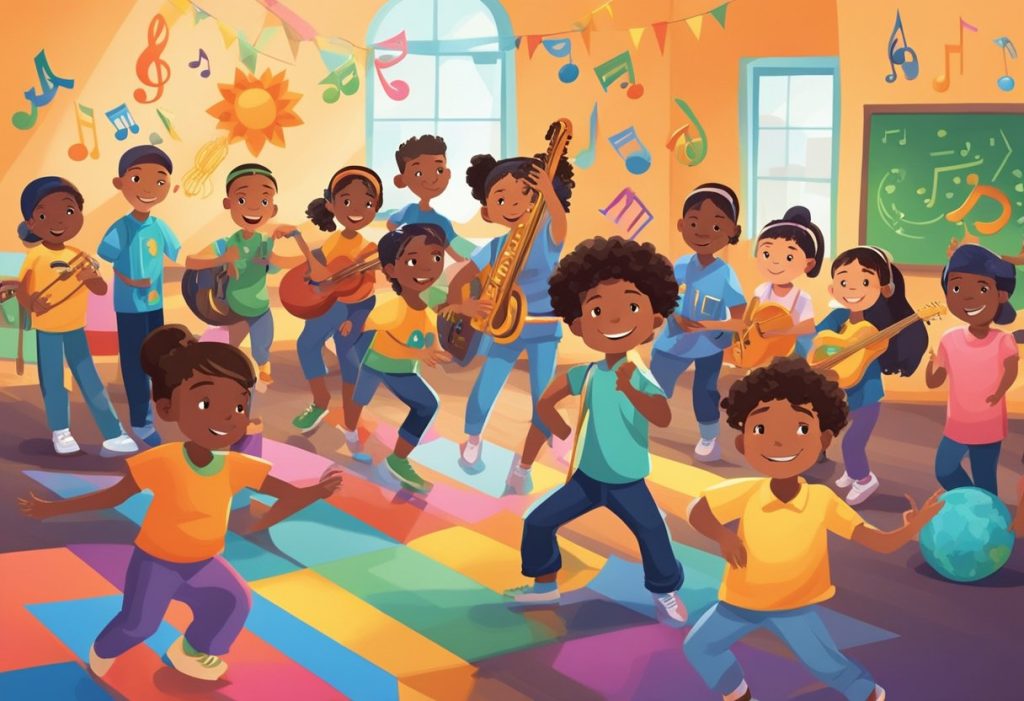
Across the United States, initiatives are being launched to highlight and enhance the role of the arts in education. Schools that embrace arts integration often witness higher levels of student engagement and performance across academic subjects. According to a report from the Arts Education Partnership, schools that integrate music and arts into their curriculum show a 20-25% increase in standardized testing scores, further supporting the idea that artistic expression enriches traditional education.
Understanding the dynamic role of music and dance in education is vital. Research underscores that the early years of a child’s development are critical for instilling a love for learning that can last a lifetime. Advocating for music and dance in schools can pave the way for nurturing a generation that values both creativity and academic skills equally. As the educational landscape continues to evolve, the call for integrating artistic expression has never been more significant, promising to enrich the minds and lives of our children.
Cognitive Advantages of Musical Engagement
Music and dance are not only forms of artistic expression; they are potent tools that can significantly enhance children’s cognitive abilities. Delving into these art forms provides children with unique opportunities to develop various skills and capacities essential for academic success and life-long learning. Studies reveal a compelling correlation between musical training and cognitive performance, suggesting that engaging with music can actually rewire the brain and improve functionality.
For example, researchers at Northwestern University found that children who participated in music lessons demonstrated a marked improvement in their auditory processing skills, which are crucial for language development and literacy. The practice of playing an instrument or learning dance choreography cultivates focus, discipline, and mental agility. Key cognitive benefits linked to music and dance education include:
- Enhanced Memory: Learning to play an instrument involves memorizing notes and skills, which has been shown to improve both short-term and long-term memory.
- Improved Attention Span: Children involved in music or dance must concentrate on their performance, leading to better attention regulation and the ability to focus on tasks.
- Boosted Mathematical Skills: Understanding rhythm and patterns in music relates closely to mathematical concepts, enhancing children’s numerical skills in the classroom.
- Language Development: Musical training helps develop phonological awareness, aiding in reading and language acquisition.
Fostering Collaboration: Social Skills Through the Arts
Beyond cognitive advantages, music and dance play a transformative role in cultivating a child’s social competencies. As children engage in group performances or collaborative dance routines, they learn valuable life skills that are critical for effective communication and teamwork. A study conducted by researchers at the University of Cambridge indicated that participants in group music settings saw a 30% increase in their ability to collaborate, cooperate, and empathize with peers.
The capacity to share space, rhythm, and melodies creates a supportive environment for children, fostering a sense of belonging and community. Notably, these experiences help children cultivate important social qualities, including:
- Empathy: Collaborating in dance or music encourages children to recognize and respect the emotions of others.
- Conflict Resolution: Working together in artistic settings often involves navigating differing opinions, which promotes the development of problem-solving skills.
- Communication Skills: Art forms like music and dance require both verbal and nonverbal cues, enhancing children’s ability to express themselves clearly.
As schools across the United States continue to recognize the value of incorporating arts education, it’s clear that fostering a creative environment lays the groundwork for a generation capable of critical thinking, collaboration, and emotional intelligence. The implications of integrating music and dance in education serve to not only enhance academic performance but also enrich the social fabric of the classroom, making it an essential component of holistic education.
Exploring the Role of Music and Dance in Education: Cognitive and Social Development in Children
Building on the foundational aspects of music and dance, it is essential to delve into how these art forms serve as instrumental tools in enhancing cognitive skills in children. Research shows that engaging with music can improve memory and attention span. For instance, learning to play an instrument strengthens neural connections in the brain associated with auditory skills and enhances mathematical abilities. Furthermore, dance offers unique opportunities for children to express themselves, effectively fostering creativity. Through movement, children learn to develop their imaginative skills while simultaneously improving their physical coordination and rhythm. This multidimensional approach to learning not only nurtures cognitive development but also encourages emotional regulation, which is critical during formative years.
Equally important are the social benefits that stem from music and dance education. Group activities, such as ensemble performances or dance troupes, cultivate a sense of community and teamwork among children. These collaborative experiences teach valuable lessons in communication, responsibility, and trust. By participating in music and dance, children learn to celebrate diversity through cultural expressions, enhancing their global awareness and empathy towards others. The process of working together to create art helps forge lifelong friendships and enhances social networks, vital for overall personal development. Ultimately, by incorporating music and dance into educational frameworks, educators are not merely teaching art; they are shaping well-rounded individuals poised for success in all areas of life.
| Cognitive Development | Social Development |
|---|---|
| Enhances memory and concentration. | Cultivates teamwork and community. |
| Boosts creativity and problem-solving abilities. | Encourages communication and empathy. |
The ongoing exploration of music and dance in education highlights an undeniable connection between these art forms and the holistic development of children. As educators and parents, fostering a rich, artistic environment can yield profound benefits, laying a strong foundation for future learning and social interactions.
Emotional Development Through Musical and Dance Interactions
Engaging in music and dance is not just a medium for artistic expression; it’s a vital pathway to developing emotional intelligence in children. The ability to understand and manage emotions is crucial for navigating social landscapes and establishing healthy relationships throughout life. Activities involving music and dance create a rich tapestry of emotional experiences that encourage children to explore and express their feelings creatively. A study published in the journal Psychology of Music found that children who participated in music programs reported a 25% increase in their emotional awareness, equipping them with the skills to articulate their feelings more effectively.
Through the rhythms and melodies of music or the movements of dance, children experience a range of emotional responses that help them understand themselves and others better. Some notable emotional benefits linked to participation in the arts include:
- Self-Expression: Music and dance provide children with an outlet to express their emotions in a non-verbal manner, enabling them to communicate feelings that they might find difficult to articulate.
- Stress Relief: Engaging with music and dance can lower stress levels in children, helping them navigate anxiety through creative movement and sound.
- Resilience Building: Performing arts often involve taking risks and dealing with failure, encouraging children to develop resilience and perseverance in the face of challenges.
Bridging Cultural Gaps Through Music and Dance
In a diverse society such as the United States, music and dance serve as powerful mediums for cultural exchange and understanding. The integration of different musical and dance forms in educational settings not only enhances children’s cultural awareness but also promotes inclusivity and respect for various backgrounds. Engaging with diverse cultural expressions through performance, historical music, and dance styles fosters an appreciation for global perspectives among young learners. A survey by the National Endowment for the Arts revealed that exposure to a variety of art forms helps children develop a sense of multicultural empathy and appreciation, essential in today’s interconnected world.
Moreover, initiatives such as cultural exchange programs and local community performances are crucial in bringing children together from different ethnic and social backgrounds. These shared experiences allow children to:
- Develop Global Awareness: Exposure to diverse musical traditions and dance styles broadens children’s horizons, cultivating an understanding of cultural diversity.
- Enhance Community Bonds: Collaborative performances create opportunities for communities to come together, fostering relationships that can enhance social cohesion.
- Encourage Open-Mindedness: Learning about and participating in different cultural expressions can break down stereotypes and promote a more inclusive mindset.
Integrating music and dance into education not only supports cognitive and social development but also enriches emotional intelligence and cultural understanding. By embracing these art forms, educators, parents, and communities can help shape well-rounded individuals who are not only academically proficient but also emotionally attuned and socially responsible citizens. In this light, the role of music and dance in education is pivotal, serving as both a catalyst for personal growth and a bridge to greater connections within our diverse society.
Conclusion: The Transformative Power of Music and Dance in Education
In conclusion, the integration of music and dance into educational frameworks is not merely an enhancement of the curriculum; it is a fundamental component of holistic child development that nurtures both cognitive and social growth. Through the rhythmic beats and expressive movements, children develop crucial skills that transcend traditional learning methodologies. The findings from various studies highlight that participation in music and dance fosters improved memory, enhanced creativity, and greater emotional intelligence, resulting in well-rounded individuals capable of thriving in diverse environments.
Furthermore, music and dance act as bridges between cultures, fostering an appreciation for diversity and promoting inclusivity among children. They cultivate empathy and understanding, allowing young learners to connect with peers from different backgrounds. As children engage with various cultural expressions, they not only gain a global perspective but also strengthen community ties, thus enhancing social cohesion. In an age where collaboration and cultural sensitivity are increasingly important, the arts provide an essential platform for learning and growth.
As educators, parents, and community leaders advocate for the reintegration of arts education, it is imperative to recognize the broader implications of these art forms. The incorporation of music and dance into education requires commitment and resources but ultimately paves the way for future generations who are not just academically successful but also emotionally balanced and socially responsible. By championing the role of music and dance in education, we nurture a generation of thinkers, creators, and empathetic individuals, ensuring a brighter, more connected future for all.