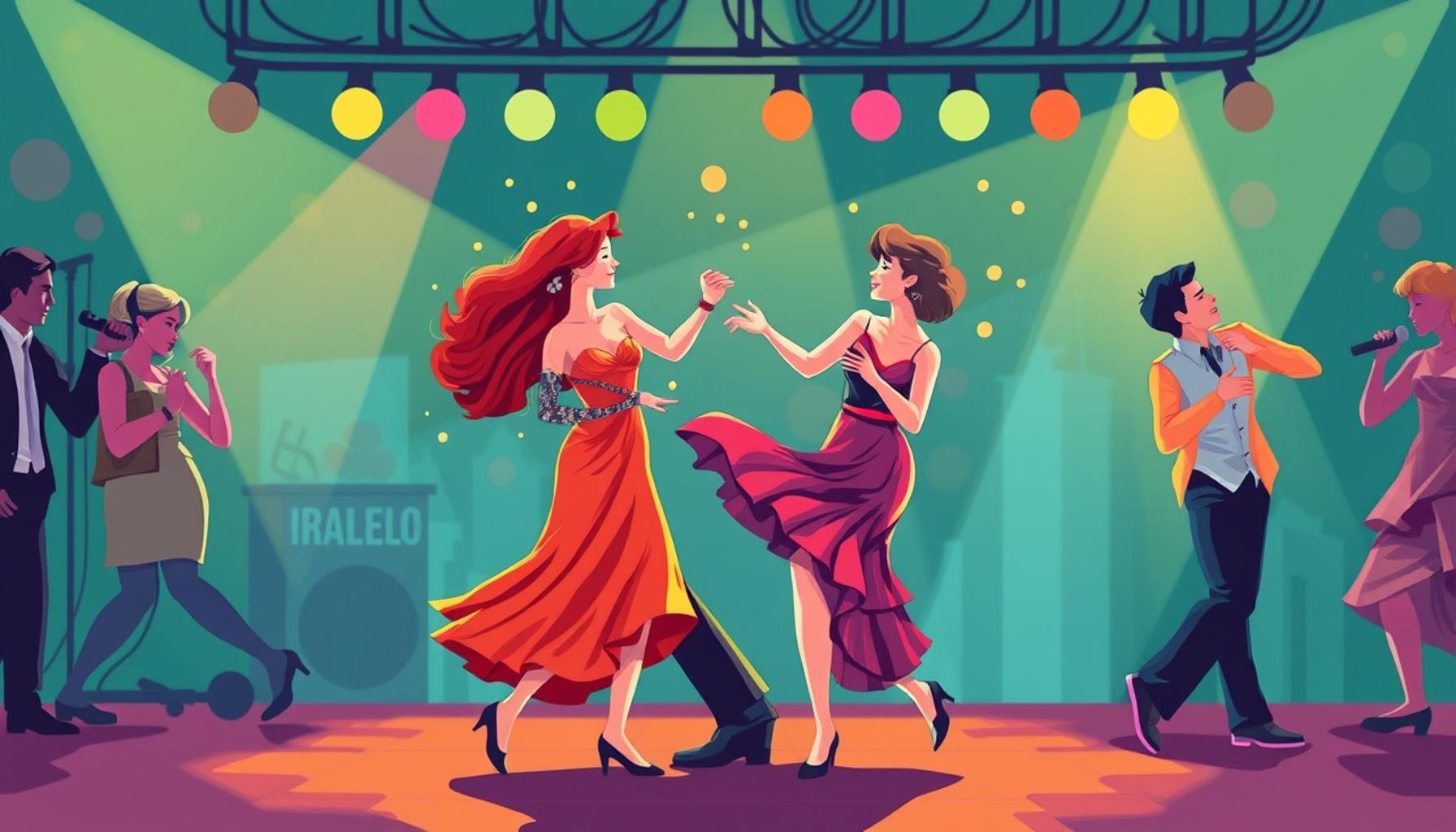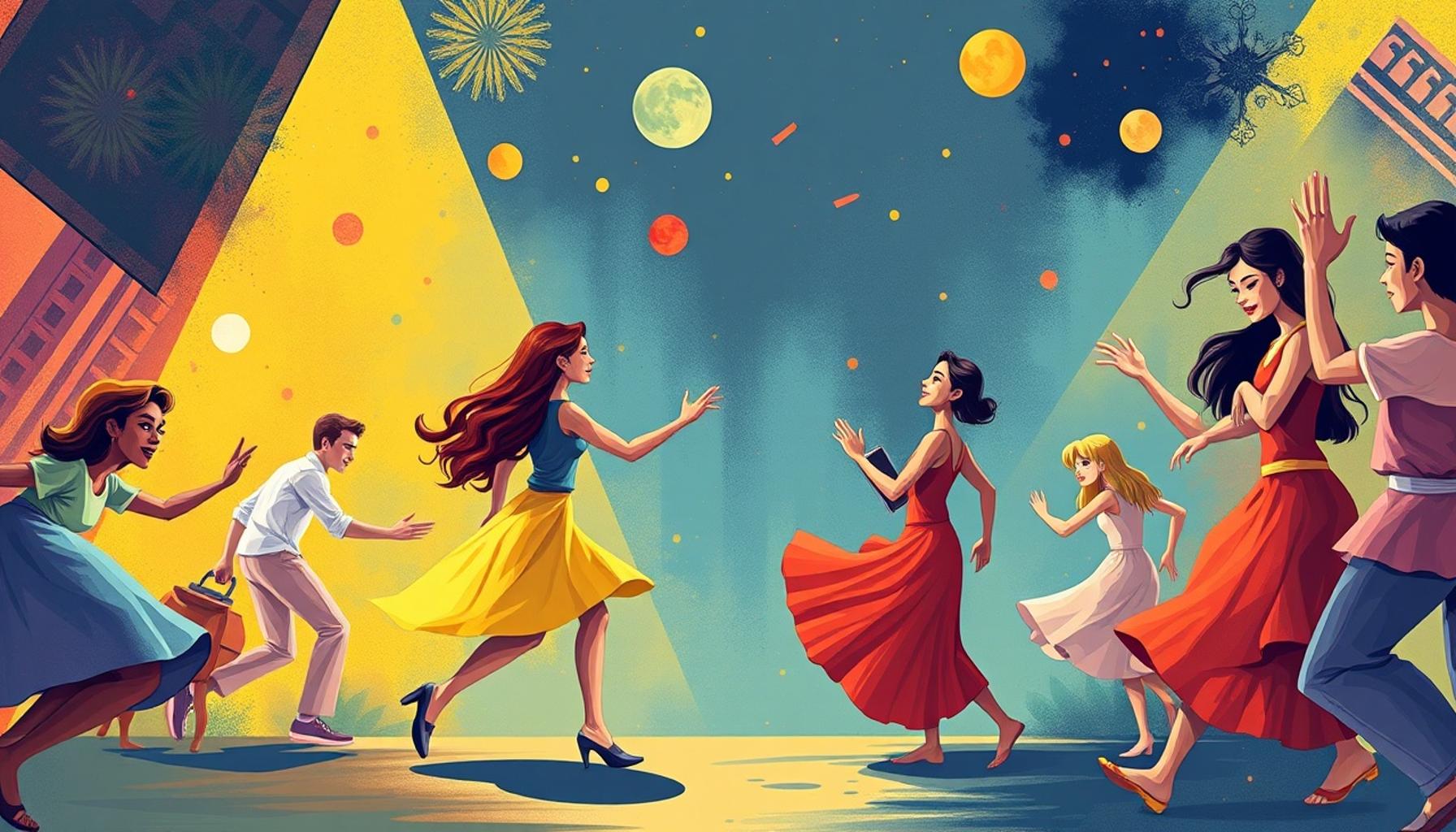
Music and Dance in Cultural Events: Celebrating Traditions and Artistic Innovations
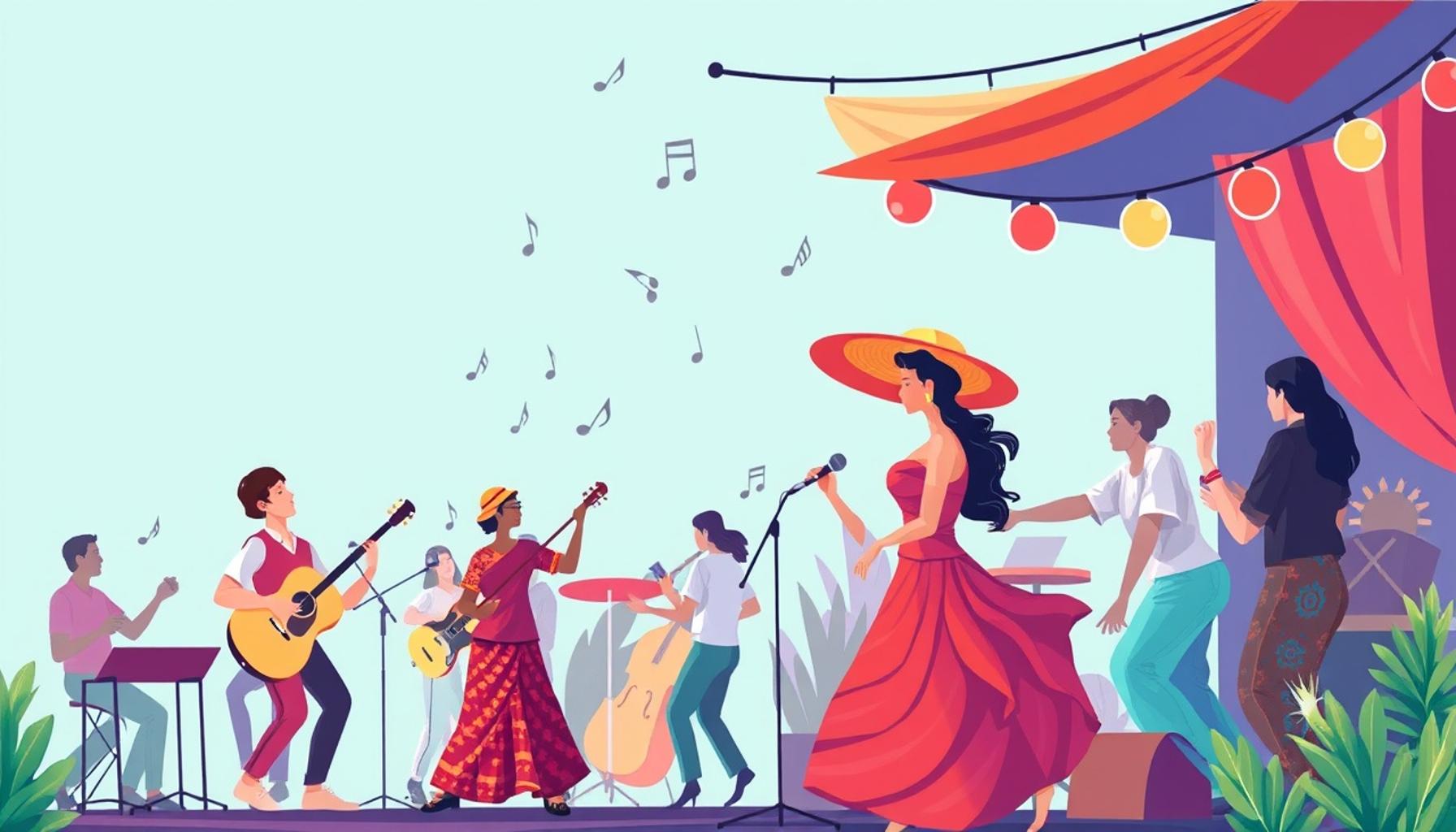
The Transformative Power of Music and Dance in Cultural Events
Music and dance serve as powerful expressions of cultural identity, intricately weaving together narratives, beliefs, and histories that define the character of communities across the nation. In vibrant cultural events throughout the United States, these art forms take center stage, inviting both active participation and passive appreciation from audiences of all ages.
The rich tapestry of traditions displayed in cultural events reflects the diverse heritage of the American people, encompassing a multitude of styles and expressions. Among these are:
- Folk Festivals: Events such as the Philadelphia Folk Festival and the American Folk Festival in Bangor, Maine, celebrate regional roots with traditional songs and dances. These festivals often feature local artisans, storytellers, and food vendors, enriching the cultural experience while preserving the unique heritage of various communities.
- Powwows: Indigenous gatherings like the Gathering of Nations in Albuquerque, New Mexico, showcase the vibrancy of Native American music and dance while emphasizing spiritual connections to the land and heritage. Dancers clad in elaborate regalia perform intricate routines, each telling a story that resonates with the audience and honors their ancestors.
- Jazz and Blues Festivals: Festivals such as the New Orleans Jazz & Heritage Festival or the Chicago Blues Festival pay homage to the profound African American cultural contributions. These events not only celebrate historical and contemporary rhythms but also feature workshops and discussions, enabling attendees to delve into the roots of these unique genres and their impact on American music.
- Ballet and Modern Dance Performances: Events like the American Dance Festival in Durham, North Carolina, highlight the blending of classical and contemporary styles. Showcasing works from established companies and emerging artists, these performances challenge conventional approaches to movement and storytelling while inspiring audiences with their innovation.
What stands out about these cultural events is their role in bridging generations. Participants of varying ages come together to engage in shared rituals that foster a sense of belonging and community. For instance, at many folk festivals, young children learn dances from their grandparents, creating a living link to their cultural heritage. This transmission of knowledge not only preserves traditions but also adapts them to contemporary contexts, demonstrating the evolution of these art forms.
With each beat and movement, cultural events transform into living tapestries of human experience. They invite us to discover deeper meanings, connect with one another, and collectively celebrate our shared humanity through music and dance. By exploring the intricacies of these art forms, we uncover rich narratives that highlight the significance of cultural expression in American society.
As we engage in these events, we are encouraged to look beyond the surface and appreciate the histories that shape the stories being told. The vibrant exchange of ideas, rhythms, and movements found at these cultural gatherings not only entertain but also challenge us to acknowledge and honor the diverse backgrounds that contribute to the fabric of our nation.
Connecting Communities Through Music and Dance
The essence of cultural events lies not only in the showcasing of art but in the immense sense of community they foster. Through music and dance, individuals from diverse backgrounds unite, celebrating shared stories while honoring their unique heritages. As the rhythm of traditional beats fills the air, listeners become participants in an exhilarating experience that transcends generations and backgrounds.
One of the critical aspects of cultural events is the inclusion of community participation. In folk festivals, for instance, local musicians invite attendees to join them, breaking down barriers between performers and audiences. This interaction enhances cultural appreciation, creating immersive environments where the shared act of dancing and singing becomes a bridge that connects people of varying ages and experiences. Programs that encourage audience involvement, like traditional square dancing or group singing, engage participants, deepening their connection to the art form and each other.
Moreover, cultural events often serve as a platform for artistic innovations, where traditional music and dance styles blend with contemporary influences. The incorporation of modern elements allows artists to reinterpret and reinvent cultural expressions, ensuring their relevance in today’s rapidly changing society. For example, at festivals such as the Electric Forest in Michigan, DJs and electronic musicians collaborate with traditional artists, merging beats and styles to create a unique cultural fusion. This synthesis ignites curiosity and invites exploration, ultimately presenting new avenues for artistic expression.
The themes of celebration and innovation intertwine, evident in various cultural festivities across the country. For instance, events like:
- Dia de los Muertos Celebrations: These events in places like San Antonio, Texas, showcase traditional music and vibrant dances that pay tribute to loved ones who have passed on, blending age-old customs with contemporary interpretations.
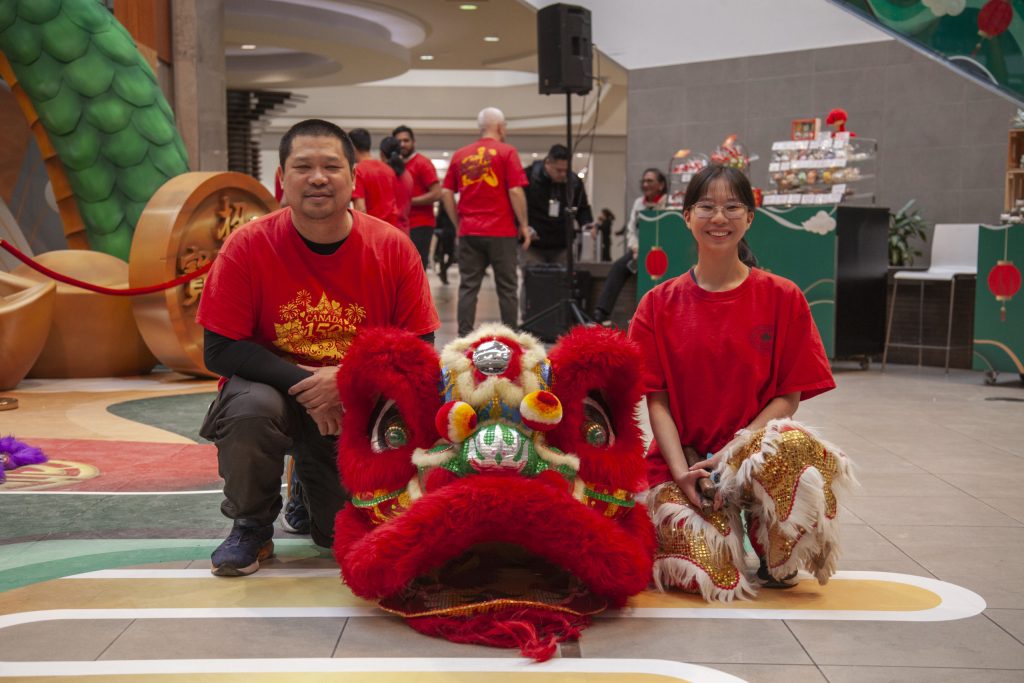
- The Chinese New Year Parade: Celebrated in cities like San Francisco, this event features lion dances and traditional music that not only welcome the new year but also highlight the rich history of Chinese culture in America.
- Carnevale in Venice: While not exclusively American, this festival influences cities like New Orleans, where magic and music spill into the streets as revelers embrace their heritage through vibrant costumes and lively dances, marrying the old with the new.
As communities assemble to engage in these artistic expressions, the importance of preserving traditions becomes evident. Festivals and events devoted to music and dance act as powerful reminders of culture’s roots while actively engaging younger generations to carry forward these vital customs. The dynamic relationship between tradition and modernity encourages the evolution of art forms, ensuring their longevity well into the future.
Ultimately, the celebration of music and dance at cultural events contributes significantly to the understanding of one’s identity and heritage. With each note played and each step danced, an intimate bond forms between both the performers and their audience, creating moments that resonate long after the event concludes. As we delve into the heart of cultural gatherings, we uncover not only artistic delights but also an enduring sense of belonging and connection that is profoundly human.
| Cultural Significance | Artistic Expression |
|---|---|
| Preserving Heritage | Innovative Techniques |
| Music and dance act as vessels for cultural traditions, ensuring they are passed down through generations. Celebrations often include local narratives, rituals, and histories. | Through artistic innovation, performers blend traditional moves with contemporary styles, creating a dynamic tapestry that captivates audiences and inspires further evolution in art. |
Music and dance are not only forms of entertainment; they serve as vital expressions of cultural identity and community. These art forms bring together people from diverse backgrounds, enriching the experiences during cultural events. The rhythm, melody, and movement allow participants to connect deeply to their roots while also embracing new artistic horizons.In today’s rapidly changing world, artistic innovations breathe fresh life into age-old traditions. Dancers might incorporate new genres or technology, while musicians experiment with cross-cultural collaborations that redefine their sound, reducing barriers and fostering inclusivity. The result is a celebration of diversity and creativity that reflects the evolving spirit of cultural heritage. As we continue to explore how music and dance intertwine within cultural events, the emphasis on collaboration among various communities illustrates the powerful role they play in society, fostering unity while showcasing distinct traditions. Engaging with these artistic expressions challenges us to appreciate the depth and breadth of human creativity and connection.
The Role of Music and Dance in Reflecting Cultural Narratives
Music and dance serve as vital instruments for conveying the stories and values of a community. These art forms offer a lens into the histories, triumphs, and struggles that define cultural identities across the globe. In the United States, where multiculturalism thrives, festivities such as the National Hispanic Heritage Month in September and October showcase the artistic expressions of the Hispanic community through song, dance, and traditional costumes. Events like these provide the opportunity to witness the influence of both indigenous cultures and colonial histories, woven together over centuries.
Moreover, certain dance forms, such as hip-hop, have emerged from urban communities and evolved into powerful vehicles for social commentary. Festivals like the Hip Hop International showcase teams from around the globe, celebrating the creativity that emerged out of the struggles for address inequality and social change. As part of this celebration, competitors express personal and collective narratives, making each performance a testament to resilience and innovation.
Audiences often witness the significance of regional differences in the music and dance styles presented at cultural events. For instance, the rustic bluegrass music celebrated at the MerleFest in North Carolina highlights Appalachian culture through banjo and fiddle tunes, while simultaneously embracing the innovative element through collaborations with modern musicians. These festivals allow performers to pay homage to their roots while experimenting with new sonic landscapes, highlighting that tradition and modernity can coexist harmoniously.
Influences Beyond Borders
In an increasingly globalized world, the exchange of musical and dance traditions enhances the cultural tapestry of American society. Events like the Smithsonian Folklife Festival in Washington D.C. emphasize cross-cultural collaborations, where artists from different backgrounds come together to share their unique practices. Visitors to the festival might experience everything from the intricate patterns of Indian classical dance to the soul-stirring rhythms of African drumming, each performance sharing a facet of the artist’s heritage.
Furthermore, the impact of technology cannot be overlooked in the evolution of music and dance within cultural festivals. Social media platforms have allowed artists to reach wider audiences and experiment with digital formats. Streaming live performances has transformed the way cultural events are accessed, facilitating greater engagement from those unable to attend physically. For instance, organizations such as Bandcamp and SoundCloud have fostered communities where emerging artists showcase their original works, connecting global audiences to local cultural expressions.
- Native American Powwows: These gatherings not only celebrate the dance and music of Indigenous peoples but also share poetry and storytelling to express cultural pride and resilience. Participants often wear intricate regalia that honors their heritage and showcases unique artistry.
- Kwanzaa: Celebrated in December, this event promotes African heritage through song, dance, and storytelling, reinforcing cultural values of family, community, and faith. The performances serve as a means of preserving African traditions while also adapting to contemporary messages.
- International Folk Fest: Held annually in cities across America, this festival gathers performers from various countries, promoting cultural exchange and understanding through music and dance. Such events create opportunities for local artists to collaborate and innovate while staying true to their own cultural narratives.
The synergy created by music and dance at these cultural events transcends mere entertainment, amplifying the voice of community and healing while fostering a sense of shared identity. Through celebration, innovation, and collaboration, these performances breathe new life into cultural traditions, ensuring they remain vibrant and relevant for future generations to enjoy and learn from.
Conclusion: The Endless Journey of Cultural Expression Through Music and Dance
The significance of music and dance in cultural events goes far beyond mere entertainment; they serve as dynamic channels for storytelling and connection, preserving heritage while embracing modernity. As we have explored, these art forms have the power to reflect the narratives of diverse communities, creating vibrant tapestries that celebrate both tradition and artistic innovation. Festivals like the Smithsonian Folklife Festival and Hip Hop International epitomize this fusion, allowing artists to interact and collaborate, fostering appreciation for both local and global traditions.
In a world increasingly shaped by globalization, the blend of styles and influences enriches the American cultural landscape, offering opportunities for dialogue and understanding. Events such as Kwanzaa and Native American Powwows exemplify how cultural celebrations can rejuvenate ancestral bonds while adapting to contemporary contexts, ensuring relevance for new generations. Additionally, technological advancements have transformed the accessibility of these events, allowing deeper engagement and connection among audiences worldwide.
As we continue to navigate the evolving realm of music and dance, we are reminded of their vital role in fostering community cohesion and individual expression. Each performance serves not only as an artistic showcase but as a reflection of the ongoing narrative of identity and resilience. By engaging with these cultural events, we have the opportunity to honor the past while participating in the exciting future of artistic expression, ensuring that the heartbeats of our many cultures remain vibrant for years to come.