The Evolution of Digital Photography: Impacts on Creativity and Personal Style

The New Era of Photographic Expression
The landscape of photography has undergone a seismic shift over the past few decades. With the advent of digital technology, countless opportunities have emerged, reshaping how we capture and express moments. This evolution impacts not only the technical aspects of taking a picture but also expands the boundaries of creativity and personal style. Today, photography is more than just a means of documentation; it’s a vehicle for storytelling and self-expression.
Key Changes in Digital Photography
Consider the following key changes in digital photography that exemplify this shift:
- Accessibility: Cameras have become exceedingly more affordable over the years. For instance, modern smartphones like the iPhone and Google Pixel are equipped with state-of-the-art cameras capable of capturing high-quality photos that rival professional gear. As a result, nearly everyone can consider themselves a photographer, democratizing the art form and allowing people from all walks of life to document their experiences easily.
- Editability: The ability to alter images is another milestone in this photography evolution. Editing software such as Adobe Lightroom and Photoshop allows photographers, both amateur and professional, to enhance their images in ways that were previously labor-intensive and less accessible. These tools empower individuals to alter anything from lighting adjustments to intricate retouching at the click of a button, providing an expansive playground for creativity.
- Sharing: In today’s fast-paced visual culture, social media platforms like Instagram, TikTok, and Snapchat have transformed the landscape of image dissemination. Photographers can share their work instantaneously with a global audience, triggering immediate feedback and evaluations. This real-time engagement allows artists to adapt their style and content according to what resonates with viewers, thereby influencing their creative direction. Social media not only serves as a gallery but also as a networking tool that fosters collaboration among creators.
Individual Expression in Visual Art
These transformations have invited both amateur and professional photographers to explore new horizons. The digital age has democratized the art of photography, enabling diverse voices to emerge and innovate. As we navigate this new landscape, the question arises: how has this shift affected individual expression in visual art?
From stunning landscapes to captivating portraits, each photograph serves as a reflection of personal perspectives and narratives. The creative potential fueled by technology offers unprecedented avenues for storytelling. For instance, a photographer capturing the diverse culture of urban America may use vibrant colors and dynamic compositions to reflect the energy of city life, whereas another might choose monochrome to emphasize the abstract beauty hidden in everyday scenes.
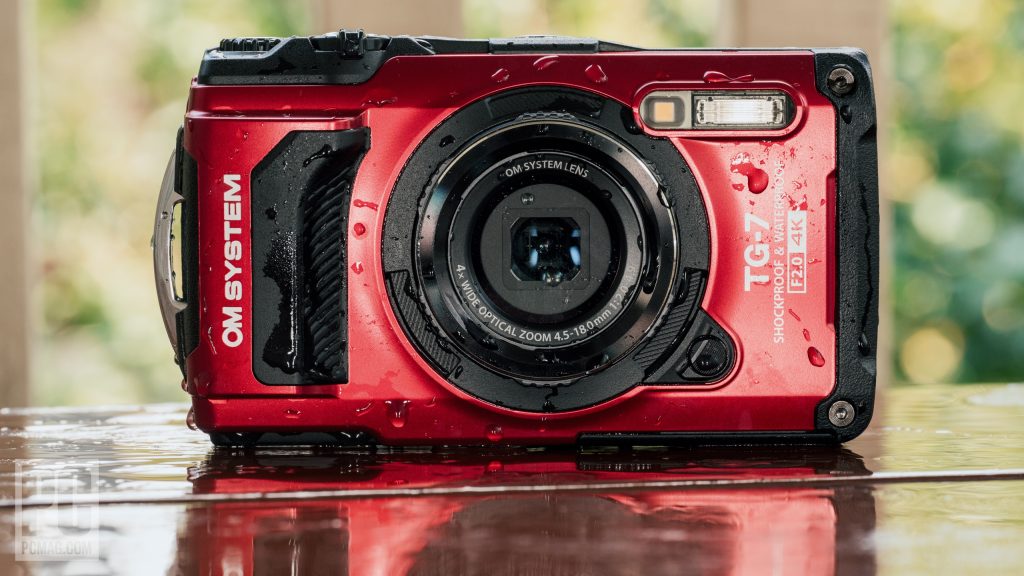
As technology continues to advance, the intersection of creativity and personal style remains vibrant and evolving. Photographers are increasingly blending various mediums such as video and digital art into their workflows, breaking traditional boundaries. The integration of new technologies like virtual reality and augmented reality is on the horizon, pushing the capabilities of visual storytelling even further.
In this fascinating kaleidoscope of change, where innovation meets imagery, photographers stand at an exciting precipice. They are not merely aiming to take a beautiful picture; they are creating art that resonates with personal significance and cultural commentary. As the world continues to evolve and adapt to new technological advancements, the future of photography promises a rich tapestry of diverse voices and unique perspectives inviting exploration and engagement.
Unleashing Creativity Through Technology
The transformation brought about by digital photography has not only changed the way images are captured but also redefined the very essence of creativity. With an increasing number of photographers now wielding powerful devices, the question of what constitutes creativity is being continuously rewritten. At its core, the evolution of digital photography has allowed for a more expressive medium, fostering artistic exploration that transcends traditional boundaries.
The Shift in Creative Techniques
The availability of digital tools has revolutionized creative techniques, providing countless options to enhance an artist’s vision. With features like high dynamic range (HDR) imaging, dual-lens systems, and even artificial intelligence-enabled enhancements, photographers can now experiment in ways that were previously unimaginable. This technological progress leads to several noteworthy changes in photographic techniques:
- Innovative Composition: Digital photography encourages experimenting with composition, including unconventional angles and perspectives. Photographers can take a multitude of shots with little to no cost, allowing them to explore various framing techniques, such as the rule of thirds, leading lines, and symmetry, all without the fear of running out of film or overspending on prints.
- Instant Feedback: The immediate nature of digital photography enables creators to review their shots on-site, making it easier to refine techniques and approaches in real-time. This rapid feedback loop helps photographers adjust their settings for optimal lighting, focus, and framing, fostering a learning environment that cultivates rather than stifles creativity.
- Experimental Editing: Advanced editing software provides access to a suite of tools that can manipulate images artistically. With the ability to layer images, create composites, and apply various filters, photographers can achieve unique visual styles that push the envelope of conventional photography art. This capability grants artists a wider arsenal of techniques to explore personal expression.
Embracing Individual Style
One of the most profound impacts of the digital era is the ability for photographers to embrace and showcase their personal style. The fusion of technology and creativity has led to distinct stylistic movements inspired by the photographers’ backgrounds, social environments, and individual experiences. As such, there is a growing appreciation for unique visual voices that transcend merely capturing a moment and instead aim to evoke emotion, provoke thought, and tell compelling stories.
For instance, the rise of influencer culture has popularized certain aesthetics, resulting in distinct styles that emerge from various social media platforms. Photographers often adapt their portfolios to appeal to specific audiences, enriching the dialogue between personal creativity and public identity. This ability to blend consumerism with individual expression constructs a unique dynamic, allowing artists to flourish while also conforming to certain market trends.
The evolution of digital photography, therefore, stands as a testament to the fusion of technological progress and creative exploration. As artists navigate this vibrant landscape, they aren’t just adapting to change; they are shaping it, channeling their unique perspectives through an ever-evolving medium. With endless possibilities ahead, photographers can look to the future with anticipation and excitement, ready to explore new facets of creativity that digital advancement continues to unveil.
| Advantage | Impact on Creativity and Personal Style |
|---|---|
| Accessibility | The rise of digital cameras and smartphones has made photography more accessible to the general public, enabling diverse voices to express personal artistry. |
| Instant Feedback | Photographers can instantly review and edit images, fostering an environment of trial and error that encourages creative exploration and innovation in style. |
| Editing Tools | Advanced digital editing software allows for significant transformations of images, thus expanding the creative possibilities for self-expression. |
| Social Media Integration | Platforms like Instagram have revolutionized how images are shared and critiqued, creating a dynamic community where personal styles flourish and evolve. |
The evolution of digital photography has not only democratized the art form but also transformed how individuals perceive and cultivate their creativity. As photographers gain easier access to tools and platforms, they are more inclined to push boundaries and explore new styles. This shift is significant in the personal journey of artistic expression, helping creators to showcase their unique identities in ways not previously imaginable. The combination of technology and social connectivity continues to shape the rules of engagement in photography, ultimately allowing personal narratives to emerge with vibrant clarity.
The Influence of Social Media on Photography Trends
The integration of digital photography with social media platforms has significantly reshaped the landscape for photographers and their audiences alike. Today, platforms like Instagram, Pinterest, and TikTok serve as both showcases and incubators for creative styles, offering instant access to a global audience. The impact of social media is multifaceted, affecting not only the dissemination of personal style but also the emergence of new photographic trends.
Visual Storytelling in the Digital Age
Digital photography has ushered in a new era of visual storytelling, where photographers use their images to communicate personal narratives and engage with their audiences in ways that were not previously possible. Social media facilitates this by allowing photographers to share their work immediately, often accompanied by personal anecdotes or thematic captions. This synergy creates a compelling context for the images, guiding viewers’ interpretations and emotional responses.
The shift toward storytelling can also be seen in the rising popularity of series and themed projects. Many photographers now curate their Instagram feeds as cohesive galleries, using a consistent aesthetic, color palette, or theme to enhance their narratives. For instance, the trend of “feed aesthetics” encourages photographers in the United States and beyond to create visually harmonious profiles, further establishing their unique styles while appealing to follower preferences.
The Democratization of Photography
Digital photography has democratized access to high-quality tools and platforms, allowing aspiring photographers to enter the field without traditional barriers. Previously, entering the world of photography required significant financial investment in equipment and film, often making it inaccessible for many. Now, even smartphone cameras have advanced capabilities that rival professional equipment; devices like the iPhone and Google Pixel are equipped with sophisticated image sensors, computational photography features, and easy-to-use editing applications.
The consequence of this democratization is a broader pool of talent contributing to the visual conversation. Emerging photographers can leverage social media to gain visibility and traction, often gaining followers through compelling content rather than formal training. The result is a diverse tapestry of voices and styles that enrich the photographic landscape, challenging conventional practices and encouraging viewers to rethink their perceptions of creativity.
Collaboration and Community Building
The digital photography era has also fostered a culture of collaboration among photographers. Social media platforms support networking, where established photographers and newcomers can connect, share techniques, and collaborate on projects. This sense of community enhances creativity, as photographers exchange ideas and inspiration, forming creative partnerships that often yield innovative results.
Online challenges and themed contests, such as “30 Days of Photography,” invite photographers to stretch their creative limits while engaging with peers. These collaborative exercises not only build camaraderie but also encourage participants to explore techniques outside their comfort zones. In this way, the evolution of digital photography is not just about technological advancements but also about the growth of communal creativity that inspires individual and collective expression.
As digital photography continues to evolve, the intricate interplay with social media will undoubtedly shape its trajectory, fostering new relationships between personal style and audience engagement. The future promises not only advances in technology but also a richer tapestry of visual storytelling, challenging photographers to expand their horizons and redefine their creative potential.
Conclusion: A Transformative Journey in Digital Photography
The evolution of digital photography has undoubtedly transformed the creative landscape, empowering individuals to express their personal styles like never before. With advancements in technology and the proliferation of accessible photography tools, the barriers once faced by aspiring photographers have diminished profoundly. As a result, a diverse array of voices now contributes to a vibrant visual dialogue, challenging traditional norms and reshaping the essence of creativity.
Moreover, social media platforms have emerged as crucial facilitators in this new age of photography, encouraging instant sharing and connection among artists and audiences alike. This interconnectivity has not only fueled the rise of unique photographic trends but also solidified the importance of visual storytelling. Photographers are able to craft compelling narratives through their work, engaging a global community in shared experiences and perspectives.
As we look to the future, the merging of technology with community-driven creativity will continue to enhance the art of photography, offering even more opportunities for innovation and collaboration. Each click of the shutter has the potential to evoke emotions and provoke thought—reminding us that photography is not merely about capturing moments, but about creating lasting visual legacies. Exploring these evolving dynamics of digital photography will undoubtedly reveal a wealth of insights into how we perceive creativity, style, and the narratives we choose to share.
As photographers and enthusiasts alike navigate this ever-changing terrain, it is essential to embrace the opportunities that arise, using technology not just as a tool, but as a conduit for artistic revolution. Those willing to adapt and innovate stand to leave a profound mark on the photography world of tomorrow.