
Capturing Emotions: The Art of Portrait Photography in Personal Projects

Understanding Portrait Photography
Portrait photography transcends mere image capture; it encapsulates the intricate ranges of human emotions. Each photograph serves as a visual narrative that unveils layers of identity, stories, and experiences inherent in the subject. This art form is as much about the connection between the photographer and the subject as it is about the lighting and composition. Whether you find yourself behind the lens as a professional or exploring photography as a hobby, plunging into portrait photography can be an enriching journey filled with both challenges and rewards.
Elements That Shape Portrait Photography
When embarking on portrait photography, several critical elements contribute significantly to the emotional impact of your images. Understanding these factors can sharpen your skills and heighten the depth of your work.
- Connection: Building a rapport with your subject is essential for capturing authentic emotions. For example, during a photoshoot, taking time to engage in light conversation can ease tension and allow the subject’s real personality to surface. Capturing the laughter of a child or the thoughtful gaze of an elderly person requires genuine interaction that leads to heartfelt expressions.
- Environment: The environment can greatly influence the mood of a portrait. Whether it’s a cozy living room filled with personal memorabilia or a bustling urban backdrop, the surroundings can add context and narrative. Think about how iconic photographers like Richard Avedon used stark backgrounds to enhance the emotional intensity of their subjects. The right setting can elevate a simple portrait into a story waiting to be told.
- Lighting: Light can be a photographer’s best ally or worst enemy. Natural light, with its warmth and dynamism, can enhance a portrait’s emotive quality, while dramatic shadows can evoke mystery or tension. Experimenting with different times of day can produce varied results—consider how the soft golden hour light can evoke a feeling of nostalgia, or how a high-contrast studio setup might channel intensity.
The process of creating portraits taps into a world of introspection. The photographer’s emotional landscape often mirrors or contrasts the subjects captured, allowing for deep connections. Taking the time to think about what stories you wish to convey will lead to greater fulfillment in your work.
The Personal Journey
As you dive into the realm of portrait photography, remember that it is not solely about technical skill; it is also a journey through the complexities of human emotions. Each project has the power to lead you into explorations of your creativity and reflections on your relationships. Whether it’s capturing the joy of a family reunion or the solemnity of a lone figure in a park, every photograph has the potential to touch hearts and provoke thoughts.
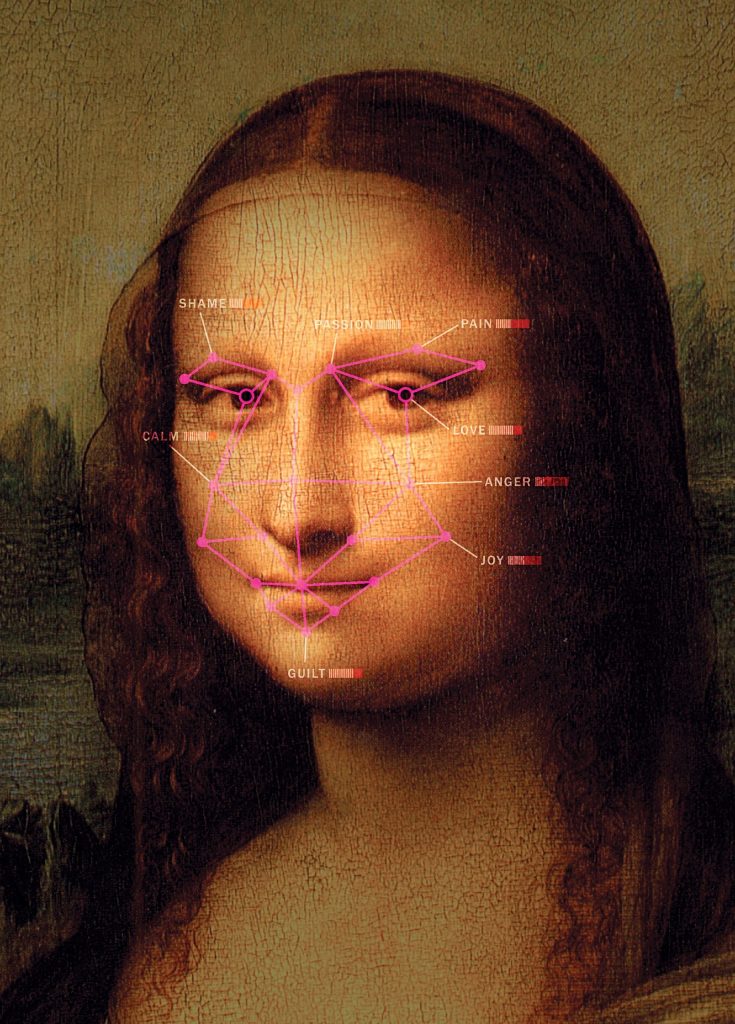
We encourage you to embrace your creative instincts. Each click of the shutter brings a new opportunity to discover the depth of the human spirit. As you refine your observation skills and hone your ability to capture authentic moments, you will uncover a profound appreciation for the emotional narratives that unfold in front of your lens. Take the leap into personal projects, and allow your photographic journey to unfold.
Emotional Connection in Portrait Photography
At the core of portrait photography lies the emotional connection between the photographer and the subject. This relationship is pivotal in attempting to encapsulate the complexities of human emotions within a single frame. As photographers, tapping into the essence of who our subjects are allows us to create portraits that resonate on a deeper level. To craft emotional portraits, it’s essential to approach each session with empathy and openness, allowing the subject to feel comfortable and seen.
The notion of capturing emotion in a portrait goes beyond simply documenting facial expressions. It involves delving into the intricate dance of vulnerability and authenticity. For example, renowned photographer Annie Leibovitz is celebrated for her ability to evoke powerful emotions through her portraits, often transforming celebrity subjects into relatable figures. Her famous image of John Lennon curled around Yoko Ono just hours before his death illuminates how profound personal moments can reflect universal emotions that resonate with audiences.
The Role of Storytelling
Storytelling is a vital component of portrait photography. A great portrait conveys not only the subject’s appearance but also their narrative. Thinking about the backstory of the individual can elevate your photographs even further. Here are several aspects to consider when pursuing storytelling in your portrait projects:
- Personal Narratives: Encourage your subjects to share their stories. Understanding their background, trials, and dreams can help you capture their essence more accurately. For instance, photographing a local musician may involve exploring their journey to success, which will add layers to the final image.
- Emotionally Charged Moments: Seek moments of spontaneity and authentic emotion during the shoot. These instances often yield the most impactful photographs, displaying true expressions of joy, sadness, or contemplation.
- Contextual Elements: Incorporate props or settings relevant to the subject’s story. A painter might be portrayed surrounded by their artwork, while an athlete could be photographed with their gear in a familiar environment. This not only informs the viewer about the subject but also strengthens the narrative.
The effectiveness of a portrait lies in its capacity to evoke an emotional response from viewers. This evocativeness stems from more than just the aesthetics of a photograph; it arises from the narratives embedded within. When approaching the art of portrait photography, consider how every aspect, from connection to environment, contributes to the story you wish to tell.
Reflections on Personal Projects
Venturing into personal projects can be a powerful way to experiment with your artistic style and voice. By engaging in projects that resonate with you personally, such as capturing the essence of your family or documenting a community event, you’ll forge a deeper connection with your subjects. This allows for a more immersive experience that encourages vulnerability and genuine expression. Ultimately, it not only hones your technical skills but also enriches your understanding of how to capture the raw beauty of human emotion through photography.
| Advantage | Description |
|---|---|
| Emotional connection | Portrait photography emphasizes the subject’s emotional depth, allowing viewers to form a bond. |
| Personal storytelling | Each project can convey a unique narrative, transforming moments into art. |
| Skill enhancement | Engaging in personal projects hones technical skills and fosters creativity. |
| Portfolio development | Personal projects enrich your portfolio, showcasing versatility in capturing emotions. |
The art of portrait photography deeply engages the viewer through the emotions captured within each shot. By mastering this form, photographers not only enhance their technical abilities but also develop a nuanced approach to storytelling. This deep emotional connection is vital, allowing the audience to resonate with the subject on a profound level. In personal projects, photographers have the freedom to explore diverse themes and concepts, ultimately enriching their portfolios with unique narratives that display individual artistic vision. Whether it is capturing joy, solitude, or introspection, the emotional landscape portrayed in each image serves to invite viewers to explore their own feelings and reflections. Such projects not only elevate a photographer’s craftsmanship but also contribute significantly to personal growth and expression in the field. Enthusiasts seeking to make a mark in portrait photography will find immense value in pursuing these deeply personal endeavors.
Finding Inspiration in Everyday Life
One of the most enriching aspects of portrait photography is the ability to draw inspiration from everyday life. Personal projects can often emerge from moments that might seem trivial to others but hold significant meaning for you as a photographer. By observing the ordinary, you can uncover emotional depths that transform mundane scenes into compelling portraits.
For instance, consider the theme of family dynamics. Capturing your own family members in their natural environment highlights not only their individual personalities but also the unique relationships that bind you together. With each click of the shutter, you can document unscripted interactions that reveal joy, love, and even conflict. These nuances render your portraits relatable, allowing viewers to resonate with their own familial experiences.
Engaging with your local environment can also unveil fresh perspectives. Participating in community events or local gatherings might inspire you to capture the emotions tied to shared experiences. For example, documenting a local festival or a protest can allow you to tell stories of joy, hope, anger, and solidarity through the faces of participants. These portraits become vessels through which your audience can empathize with the subjects’ sentiments and share in their experiences.
The Technical Aspects of Emotional Portraits
While emotional resonance is fundamental, the technical aspects of portrait photography also play a crucial role. Understanding lighting, composition, and post-processing enhances your ability to convey emotions effectively. Natural light can create a sense of warmth and intimacy, while dramatic lighting can evoke tension or edginess, depending on your desired effect.
For example, portrait photographers often utilize the golden hour—shortly after sunrise or before sunset—when the soft, diffused light can create a magical feel. This warm, flattering light can cast gentle shadows across the face, imparting a beautiful depth and dimension to your subject. By mastering these techniques, you can elevate your emotional narrative and engage viewers on a more profound level.
- Natural Light: Relying on natural light enables photographers to create an organic atmosphere that connects with viewers emotionally. Outdoor settings, such as parks or urban landscapes, can become visually striking backdrops that complement the portrait’s narrative.
- Close-Up Shots: Focusing on the eyes or hands of your subject can effectively communicate their emotions. The eyes often serve as the window to the soul, expressing subtle feelings that are powerful enough to resonate with viewers immediately.
- Post-Processing Techniques: Enhancing colors, adjusting contrast, or opting for a specific color palette during the editing process can shift the mood of your portraits. A sepia-toned photograph might evoke nostalgia, while high-contrast black and white imagery may incite raw emotion.
By thoughtfully integrating these technical elements, you can create portraits that capture the essence of your subject’s emotions. Remember that with personal projects, you have the freedom to experiment and learn, making each shoot an opportunity to grow both artistically and personally.
Conclusion: The Power of Emotional Connection in Portrait Photography
In a world constantly evolving through technology and social media, the age-old art of portrait photography remains a profound way to capture and convey emotions. Personal projects provide a unique canvas for photographers to explore the intricacies of human relationships and individual stories. By embracing the beauty found in everyday life and connecting with subjects on a personal level, photographers can craft images that transcend mere aesthetics and resonate deeply with viewers.
The technical aspects of portrait photography—ranging from the skillful use of natural light to thoughtfully curated compositions—serve as tools to enhance the storytelling process. These elements impact not only the visual appeal of a portrait but also its emotional impact. Each photograph becomes a narrative that invites the viewer to engage with it on a personal level, sparking memories, feelings, and reflections.
Ultimately, capturing emotions through portrait photography is an evolving journey. Personal projects allow photographers the freedom to experiment, learn, and develop their unique voice. By continually seeking inspiration in their surroundings and honing their technical skills, they can transform ordinary moments into extraordinary visual stories. As photographers pursue this art form, they contribute to a collective understanding of the human experience, compelling audiences to appreciate the beauty and complexity of emotions reflected in each portrait.
Let your creative endeavors celebrate the connections that bind us, and allow your lens to reveal the emotional landscapes that are often hidden from plain sight.