
Creating Custom Jewelry: Techniques and Materials for Beginners

Understanding Custom Jewelry-Making
Embarking on the journey of custom jewelry-making is not just an artistic endeavor; it’s a way to express individuality. With the right techniques and materials, anyone can create stunning pieces that resonate with personal style. From delicate necklaces to bold statement rings, the art of jewelry-making allows creators to reflect their unique stories and emotions through wearable art. Whether you are new to crafting or looking to expand your creative horizons, the world of jewelry making offers endless possibilities ready to be explored.
Essential Tools for Beginners
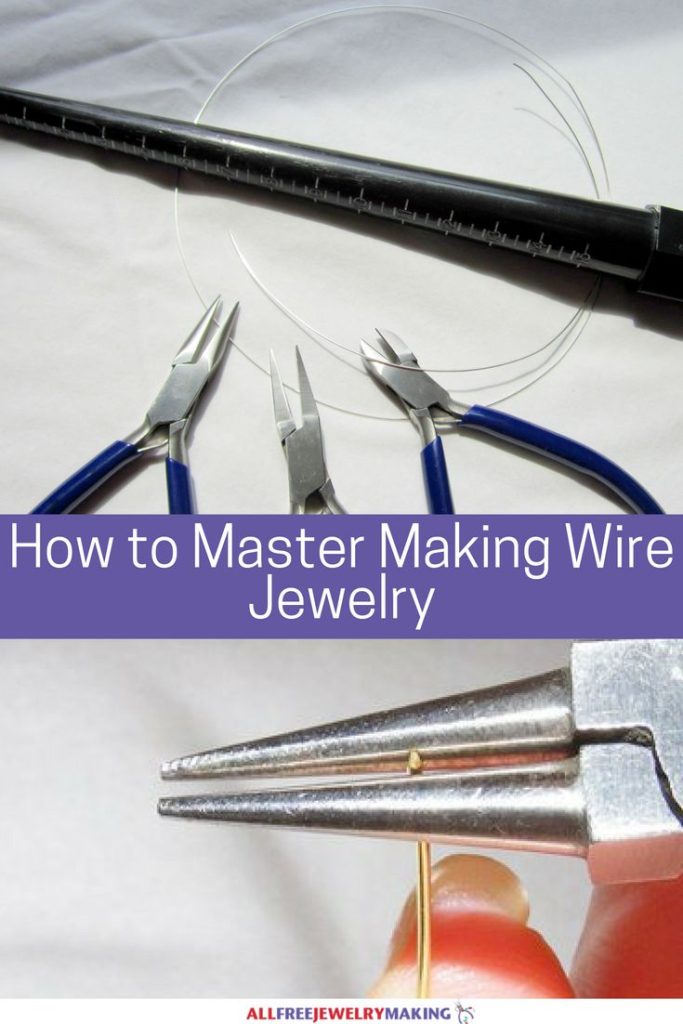
One of the first steps in custom jewelry-making involves acquiring the right tools. Basic tools include pliers, wire cutters, and a solid workbench. Pliers are essential for bending, twisting, and gripping wire, while wire cutters help in trimming materials to size. A workbench provides a designated space for your projects, keeping materials organized and enhancing the creative flow. Equip yourself with a few more tools like beading needles, jewelry saws, and a mandrel for shaping rings as you progress.
Choosing the Right Materials
When it comes to materials, the choices are vast and varied. Common materials range from beads and wires to more luxurious options like precious metals and gemstones. For example, using sterling silver can give your piece a classic elegance, while gold-filled materials offer durability and a warm hue without the hefty price tag of solid gold. Additionally, incorporating natural gemstones not only adds beauty but also allows you to tap into their perceived metaphysical properties, such as rose quartz for love or amethyst for tranquility.
Mastering Key Techniques
Understanding various jewelry-making techniques is crucial for innovation. Techniques often include stringing, where beads are threaded onto a wire or string; soldering to join metal pieces together; and lost-wax casting, a method allowing for intricate shapes and designs. As you practice these techniques, you’ll learn to combine them to create truly unique pieces—a pendant that incorporates both soldered silver accents and stringing, for example.
Finding Inspiration
Inspiration for custom jewelry can come from many sources. Nature is a rich canvas, offering colors, textures, and forms that can be translated into stunning designs. Art and culture, from ancient motifs to modern abstracts, may ignite your creativity, encouraging you to explore various themes or historical influences. Consider visiting local art shows, museums, or even nature trails to engage in exploration that may spark your next design idea.
As you delve deeper into the world of custom jewelry-making, you’ll discover how choosing the right materials and mastering various techniques can significantly affect your creative output. The journey is filled with learning processes that hone your skills while allowing your unique voice to shine through. Are you ready to transform your ideas into beautiful, one-of-a-kind jewelry pieces? The adventure awaits!
Getting Started: Your First Steps in Custom Jewelry-Making
As you step into the captivating realm of custom jewelry-making, it’s vital to grasp the foundational components that will empower your creative expression. This segment will guide you through essential tools, popular materials, and key techniques to ensure you embark on this artistic journey with confidence and clarity.
Essential Tools for Beginners
Before diving into the creation of your unique jewelry pieces, assembling a comprehensive toolkit is essential. Investing in the right tools can significantly influence your crafting experience. Here are a few must-have tools for beginners:
- Pliers: A set of various pliers, including chain-nose, round-nose, and flat-nose, enables precise manipulation of wires and components.
- Wire Cutters: Sharp wire cutters are critical for easily trimming and adjusting the lengths of materials to suit your design.
- Beading Needles: These specialized needles help in threading beads onto wires or strings, especially if you’re working with smaller holes.
- Jewelry Saw: A jewelry saw allows you to cut intricate designs in metal, providing advanced artists with the ability to create custom shapes.
- Mandrel: For those interested in making rings, a mandrel offers a flexible way to shape and size your creations accurately.
Having these tools at your disposal will set a strong foundation as you start crafting your custom jewelry.
Choosing the Right Materials
The array of jewelry-making materials is as diverse as the creativity behind them. Your material choices can dramatically impact the design and finish of your work. Here are some common materials that beginners can consider:
- Beads: Available in various shapes, sizes, and materials, beads can add texture, color, and depth to your creations.
- Wire: Choose between copper, brass, and silver-plated wire, each offering unique characteristics that affect your finished piece.
- Precious Metals: Options like sterling silver and gold-filled materials are popular for their aesthetic appeal and long-lasting quality.
- Natural Gemstones: Incorporating gemstones not only elevates the aesthetic of your jewelry but adds a personal touch with meaningful stones, such as turquoise for protection or lapis lazuli for wisdom.
As you select materials, consider how their properties align with your design ideas, ensuring that your creations embody your personal style.
Mastering Key Techniques
While having the right tools and materials is crucial, mastering fundamental jewelry-making techniques will elevate your creations from basic to extraordinary. A few essential techniques include:
- Stringing: The simplest of techniques involves threading beads onto wire or string to create necklaces or bracelets.
- Soldering: This advanced technique allows you to fuse metal pieces together, enabling the creation of seamless designs.
- Lost-Wax Casting: Ideal for those exploring sculptural designs, this method offers the ability to create intricate shapes and forms in metal.
Each technique provides not only a new skill set but also opens avenues for creativity and experimentation. Embrace the learning process, as each step taken enhances your capabilities and unique artistic voice in jewelry-making.
With a fundamental understanding of tools, materials, and techniques, you are now poised to create beautiful, personalized jewelry that reflects your distinctive style. As you continue on this exciting journey, remember that practice is key, and each piece you make is an opportunity to learn and grow as an artist.
Exploring Techniques for Creating Custom Jewelry
Creating custom jewelry can be a rewarding and therapeutic process, especially for beginners eager to express their creativity. There are various techniques to explore, each offering a different avenue for jewelry creation. One fundamental technique is beading, which involves stringing beads onto a wire or thread. This method is particularly accessible for beginners and allows for endless combinations of colors, sizes, and shapes, enabling the creation of unique designs. Another popular technique is wire wrapping, which provides more structural integrity to pieces while allowing for artistic freedom. Using just a few essential tools, such as pliers and wire, beginners can make beautiful pendants, earrings, and bracelets. Learning the basics of wire wrapping can open up opportunities for more complex designs as confidence and skill progress.For those interested in incorporating a bit of texture into their creations, metal stamping offers a wonderful way to personalize jewelry. This technique enables beginners to imprint letters, numbers, or symbols onto metal pieces, adding a sentimental touch. Metal stamping can be used in combination with other techniques to create more intricate designs.In addition to these techniques, it’s vital to understand the materials used in custom jewelry. Some common options include various metals such as silver, gold, copper, and brass. Each material has its unique properties and aesthetic appeal. For instance, sterling silver is known for its durability and appealing shine, making it a preferred choice among beginners. Additionally, natural gemstones and crystals can be incorporated into designs, providing color and vibrancy. As you embark on your journey of creating custom jewelry, consider investing in a few essential tools, including pliers, cutters, and a work surface. With practice and exploration of techniques and materials, you will undoubtedly develop your own style and flair.
Understanding Tools and Equipment
Before diving into your jewelry-making projects, it’s crucial to familiarize yourself with the tools of the trade. Having the right tools will enhance your ability to bring your creative visions to life. Begin with the basics: – Pliers: Essential for bending and shaping wire.- Wire Cutters: Necessary for cutting metal and wire to the desired length.- Beading Mat: Helps keep beads and materials organized, preventing spills and loss.- Jewelry Hammer: Used for flattening or texturing metals, adding subtle design elements.As you progress, you may wish to explore additional tools that cater to specific techniques, such as soldering equipment for metalworking or resin molds for creating custom pieces.Whether you are creating simple beaded necklaces or intricate wire-wrapped rings, the combination of diverse techniques and materials opens up a world of possibilities in the realm of custom jewelry design. Dive into each method, and let your creativity flow as you craft beautiful, one-of-a-kind pieces.
Exploring Unique Techniques and Advanced Material Options
Moving beyond the fundamentals can be both exhilarating and daunting for beginners venturing into the realm of custom jewelry-making. Once you are comfortable with basic tools, materials, and techniques, it’s time to explore unique methods and material options that can set your pieces apart. This knowledge fosters creativity and lends an innovative touch to your jewelry designs.
Exploring Additional Techniques
As your confidence grows, consider diving into these intermediate to advanced techniques that can significantly enhance your crafting repertoire:
- Wire Wrapping: This technique involves bending and twisting wire to create intricate designs while securing stones or beads in place. Wire wrapping allows for unique and organic shapes, making it a favorite among jewelers looking to combine artistry with engineering.
- Macramé: This knotting technique, which uses cords instead of traditional wires, allows artisans to create beautiful, textured pieces. Macramé jewelry provides a bohemian flair, and its versatility is perfect for making anything from bracelets to necklaces.
- Enameling: A process of fusing colored glass powder to metal can create stunning finishes. With careful temperature control, beginners can produce vibrant colors and textures that add complexity to any design.
- Bead Crochet: This technique blends crochet techniques with beadwork, creating flowing, delicate pieces that have an intricate feel. It requires practice, but the resulting pieces often boast rich textural layers that can captivate anyone.
With these techniques, you can infuse your pieces with distinctive character and style, showcasing your personal aesthetic.
Advanced Materials to Elevate Your Work
As your skills progress, elevating your material choices can significantly impact the quality and appeal of your creations. Here are some advanced materials to consider:
- Jewelry Clay: Polymer clay or metal clay allows for sculpture-like creations. These materials can be molded into various shapes, offering endless possibilities for customization. Once baked, they harden, allowing for intricate designs that can emulate precious metals.
- Leather: Incorporating leather adds an edgy and rustic element to your jewelry, ideal for bracelets and neckpieces. It also opens the door to diverse textural combinations when paired with metals and beads.
- Authentic Findings: Investing in quality findings—such as clasps, earring hooks, and jump rings—can enhance the durability and overall look of your pieces. Opt for stainless steel or solid gold, which are less prone to tarnishing and more durable than basic findings.
- Resin: By embedding objects in resin, you can create stunning, unique pieces that preserve and display items like flowers, pictures, or glitter. Resin jewelry is heavily sought after for its customizability and the eye-catching results it can produce.
These advanced materials can not only elevate the aesthetics of your custom jewelry but also improve functionality and longevity. As you experiment with different combinations of techniques and materials, your creativity will flourish.
Inspiration and Learning Resources
To truly excel in custom jewelry-making, seeking inspiration is crucial. Explore local art galleries, craft fairs, or online platforms like Pinterest and Instagram, which are overflowing with unique designs and innovative techniques. Books and tutorials can provide deeper insights into specific techniques, while online marketplaces can offer an avenue for feedback and community engagement.
Additionally, consider local workshops or classes available through community colleges or specialized craft centers. These opportunities often provide hands-on experience and guidance from experienced artists, allowing you to further hone your skills and expand your creativity.
As you delve into the advanced aspects of custom jewelry-making, remember that the journey of exploration is just as valuable as the unique creations crafted along the way. Immerse yourself in the process, and watch your artistic vision become a tangible reality.
Conclusion: Embrace Your Creative Journey in Custom Jewelry-Making
Creating custom jewelry is an enriching and fulfilling artistic endeavor that allows you to express your personal style while honing your craft. As a beginner, mastering basic techniques and materials lays a strong foundation for your growth, but fear not the leap into more advanced methods. Exploring options like wire wrapping, macramé, and enameling not only enhances your skill set but also invites a world of creativity into your designs.
Moreover, elevating your materials—by incorporating elements like jewelry clay, leather, and resin—can significantly enhance the beauty and durability of your pieces. Paying attention to quality findings further ensures your creations are both visually appealing and long-lasting, setting the stage for stunning jewelry that captivates and delights.
As you venture deeper into this craft, remember that inspiration is everywhere. From local art shows to myriad online platforms, the possibilities for learning and growth are boundless. Connecting with fellow jewelry-makers through workshops or community events can provide invaluable insights and motivation.
Ultimately, the beauty of custom jewelry-making lies not only in the creations themselves but in the journey of exploration and self-discovery it fosters. Embrace the challenges, celebrate your successes, and let your imagination soar. With persistence and passion, you will continuously evolve as an artist in this vibrant field, producing pieces that are uniquely yours.