The Role of Poetry in Building Communities: Connecting People Through Writing
The Strength of Verse in Creating Community Connections
Among the myriad forms of human expression, poetry stands out as a unique medium that fosters connection and understanding. It transcends individual differences, bringing people together by resonating with shared emotions and collective experiences. In a landscape often fragmented by social, economic, and cultural disparities, poetry unites people, offering a healing and expressive platform that bridges gaps and cultivates community unity.
One of the most potent ways poetry enhances community cohesion is through the ability to share stories. Each poem is a snapshot of an individual or collective experience, whether it details the struggles of an immigrant family, celebrates local traditions, or illustrates everyday life in a neighborhood. In cities such as New York and Chicago, community poetry projects often focus on capturing the voices of underrepresented populations, providing an opportunity for these narratives to emerge and be valued. Events that showcase such works allow participants to see their own stories reflected in others, reinforcing a sense of belonging.
By encouraging readers and listeners to embrace empathy, poetry also serves as a powerful tool for fostering understanding. When we read or hear a poem that articulates someone else’s pain or joy, it can evoke feelings that help us imagine their perspective, even if we have never experienced similar circumstances ourselves. This emotional exercise can lead to greater compassion and solidarity, which are essential for thriving communities.
Furthermore, poetry often encourages dialogue on pressing social issues, making it an essential instrument for advocacy and change. Consider the legacy of poets such as Langston Hughes and Maya Angelou, whose works have called for justice and equality. In today’s context, open mic nights and community poetry slams serve as engaging platforms for such dialogues, allowing citizens to confront and discuss topics such as race, gender, and environmental concerns. These events are vital as they cultivate spaces where voices can be heard and acknowledged.

The intertwining of poetry and activism highlights how powerful written and spoken word can be in amplifying marginalized voices. Through collective presentations, poets transform personal narratives into movements for social justice, illustrating how individual experiences are part of larger societal frameworks. Today’s initiatives—including cultural celebrations like National Poetry Month and grassroots poetry workshops—continue to honor local talent while actively shaping community identities.
Ultimately, as we delve deeper into the transformative role of poetry, we uncover its profound capacity not only to reflect the culture from which it emerges but also to actively influence and shape community identities. Through shared expressions of creativity, the written word has the potential to unite diverse groups, fostering solidarity in an ever-evolving social landscape.
Connecting Through Words: The Power of Community Poetry
Poetry, often referred to as the language of the soul, serves as a vital medium for community building across various demographics in the United States. By harnessing the nuances of language, poets can express not only personal sentiments but also the collective hopes and fears that bind communities together. Workshop initiatives, spoken word performances, and poetry readings utilized as community engagement tools empower residents to voice their stories and struggles while fostering a sense of solidarity.
In numerous towns and cities, community poetry projects have emerged as a creative solution to engage citizens and inspire action. Local libraries, schools, and art centers often host workshops where participants, regardless of age or background, collaborate to craft poems that reflect their experiences, traditions, and aspirations. This artistic process serves several critical functions in a community setting:
- Facilitating Personal Expression: When individuals share their original pieces, they unleash a wave of creativity that allows them to articulate their unique experiences. This personal expression often inspires others, encouraging the sharing of stories and helping participants feel seen and heard.
- Strengthening Bonds: The act of creating poetry together can forge friendships and deep connections. Participants often find common ground through shared experiences, discussing themes like identity, loss, joy, and resilience woven into their verses.
- Encouraging Diverse Perspectives: Poetry allows for a rich exploration of diverse voices within a community. This can result in a greater appreciation for cultural differences, fostering an inclusive environment where varied perspectives enrich the collective narrative.
In regions across the country, initiatives such as Poetry Out Loud and the Poets’ House highlight how local and national platforms can emerge from grassroots efforts. These programs not only showcase the talent within communities but also demonstrate the power of poetry to facilitate a collective dialogue on pressing social themes. In some cases, poetry has been used effectively in schools to bridge gaps between students of varying backgrounds, creating a forum where young people can collaborate and share their insights.
Another powerful aspect of the role of poetry in community building is its ability to instigate social change. When poets use their words as a means of advocacy, they can shine a light on issues that matter to the community. This has led to the flourishing of events like slam poetry competitions, where performance poetry often focuses on inequality, justice, and the status quo, prompting listeners to reflect on their roles within the societal fabric.
Additionally, poetry is often woven into cultural celebrations such as National Poetry Month, local festivals, or events that seek to highlight the artistry within neighborhoods. These occasions not only provide a stage for local voices but also celebrate the shared heritage and identity of a community. The vibrancy of spoken word encourages active participation, drawing audiences into a collaborative expression of identity and culture.
In examining the role of poetry, we see how it becomes a living, breathing entity within a community. It reflects not just individual voices but also the tapestry of human connection that binds us all together.
In examining the role of poetry in building communities, it is essential to recognize the myriad ways that this art form fosters connections among individuals. Poetry acts as a powerful vehicle for self-expression, allowing community members to voice their thoughts and feelings in a format that often resonates deeply with others. This shared emotional experience not only empowers writers but also creates a sense of solidarity among readers and listeners, regardless of their background or experiences.
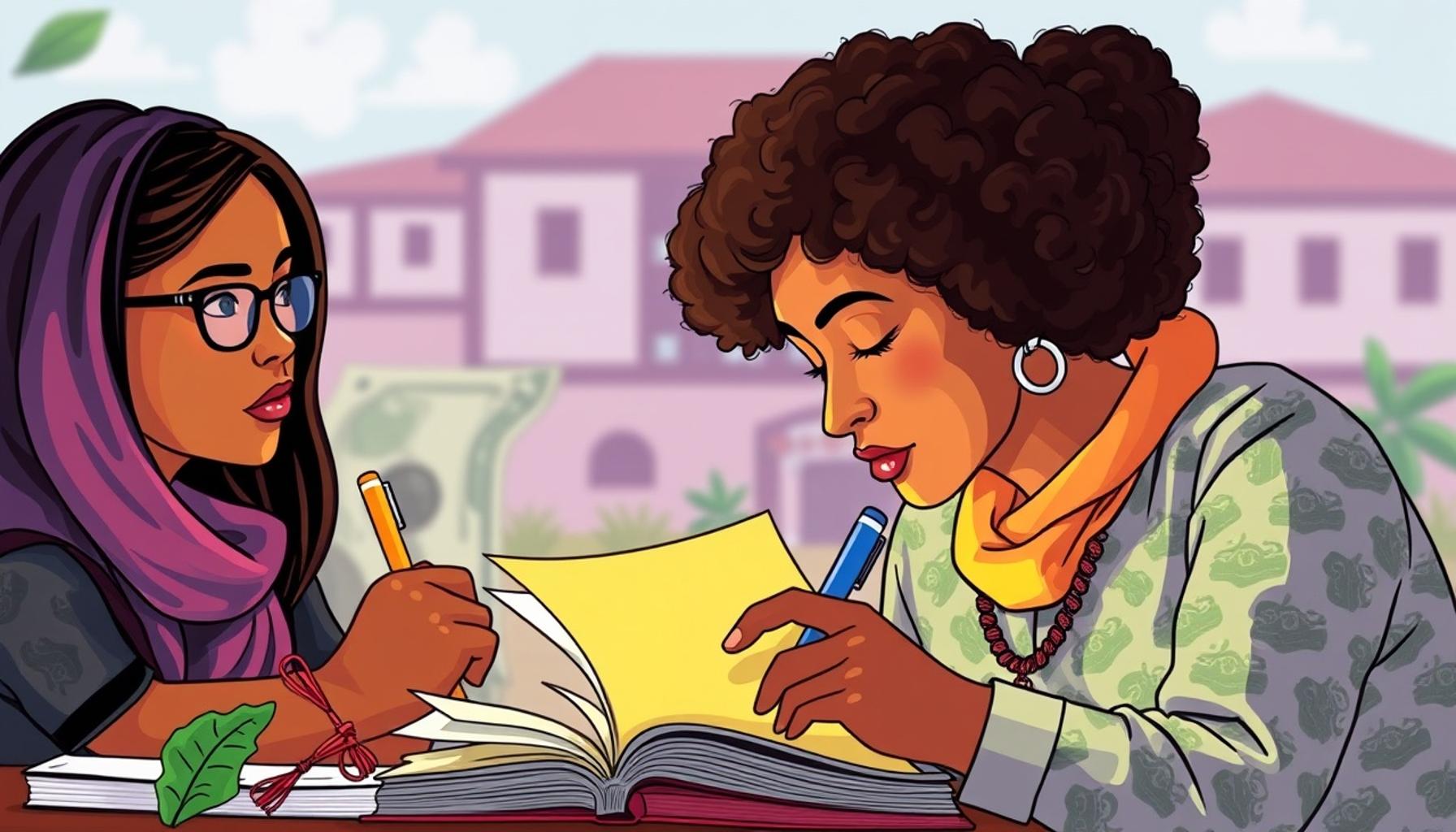
Moreover, organized poetry events and workshops serve as pivotal spaces where individuals from diverse walks of life can gather. These communal activities encourage collaboration and dialogue, breaking down barriers that might otherwise divide neighbors, friends, and even strangers. The act of collectively engaging with poetry can ignite conversations about social issues, cultural heritage, and personal struggles, further deepening the bonds formed within the community.
In many localities, initiatives like open mic nights or poetry slams play a crucial role in promoting inclusivity. By providing platforms for shared storytelling, participants can gain insights into each other’s lives, leading to greater empathy and understanding. Whether celebrating triumphs or mourning losses, the collective experience of poetry can unify individuals, offering a shared emotional landscape that echoes the broader community narrative.
Such events do not just passively entertain but actively involve community members in the creation of a shared identity. When people come together to write, read, and discuss poetry, they are, in essence, weaving the fabric of their community’s culture. Each poem shared becomes a thread that connects individual experiences to a larger tapestry, illustrating how shared artistic expression can transform a group into a cohesive unit.
| Category | Description |
|---|---|
| Emotional Connection | Poetry resonates with readers, fostering shared feelings and experiences. |
| Community Events | Open mic nights and workshops create collaborative environments for community building. |
Ultimately, the threads of poetry intertwine individuals, crafting a communal narrative that celebrates diversity while forging strong connections. The profound impact of poetry goes beyond mere words; it becomes a bridge that links souls, inviting collaboration and the sharing of our human experiences.
The Healing Power of Poetry: Uniting Voices and Experiences
Beyond fostering connections, poetry has the remarkable ability to act as a healing force within communities. In times of crisis or collective trauma, poetry provides an avenue for catharsis and solidarity. Many organizations harness the therapeutic potential of poetry to help community members process feelings of grief, loss, and anxiety that arise from events such as natural disasters, violence, or economic hardship. This concept of “poetry as healing” has been studied and practiced in various settings, including hospitals, schools, and community centers, where workshops are designed specifically to allow participants to express and release their emotions through writing.
For instance, the Poetry Therapy initiative has gained traction across the United States, facilitating workshops that encourage participants to share their stories. This sharing goes beyond mere storytelling; it transforms personal narratives into communal experiences, helping individuals feel less isolated in their struggles. Evidence from research shows that writing poetry can lead to reduced levels of stress and anxiety while promoting resilience and emotional well-being. This is especially important for communities frequently facing socioeconomic challenges, where structural issues may contribute to collective mental health struggles.
Moreover, poetry can serve as a bridge for intergenerational dialogue, allowing younger and older members of a community to connect and learn from each other’s experiences. Programs like Words Unlocked have successfully engaged incarcerated youth in poetry writing, offering them a platform to express themselves while fostering connections with mentors and community leaders. These interactions not only help to break down stereotypes that often divide generations but also create a supportive framework for shared understanding and empathy.
Furthermore, the digital landscape has transformed the ways in which poetry can be shared and embraced by communities. Social media platforms like Instagram, Twitter, and Facebook have become essential spaces for poets to showcase their work and engage with a broader audience. Hashtags such as #PoetryCommunity serve as virtual meeting places where poetry lovers can discover and advocate for local artists, encouraging collaboration and engagement across geographic boundaries. This online presence often leads to real-world events like pop-up poetry readings and workshops, bringing together diverse groups of people united through their shared passion for words.
As poetry continues to weave itself into the fabric of everyday life, various nonprofit organizations emphasize its potential in social justice movements. Campaigns like Poets Against Silence and Write for Rights engage poets to raise awareness about social issues including racism, gender inequality, and environmental degradation. By harnessing the power of poetic expression, activists create compelling narratives that resonate deeply, fostering collective action and mobilizing communities towards positive change.
The impact of poetry as a tool for community engagement highlights its ability to transcend barriers. It offers a framework for individuals to acknowledge and celebrate their differences while weaving a common thread of humanity that encourages unity and shared purpose. By participating in the poetic journey, communities not only cultivate a rich cultural landscape but also empower one another to address issues that matter, ultimately reaffirming the connection between personal arts and collective identity.
Conclusion
In conclusion, the role of poetry in building communities and connecting people through writing is both profound and multifaceted. As we have explored, poetry serves not only as a means of individual expression but also as a collective voice that bridges gaps between diverse backgrounds and experiences. Through workshops and initiatives, such as Poetry Therapy and Words Unlocked, individuals are encouraged to transform their personal challenges into shared narratives, fostering empathy and understanding within communities.
The advent of digital platforms has further amplified the reach of poetry, enabling voices that may have once been marginalized to be heard. Social media allows poets to connect with audiences far beyond their immediate locales, creating vibrant, visible #PoetryCommunity networks that inspire real-world interactions and collaborations. These burgeoning communities often step into the spotlight with impactful social justice movements, demonstrating how poetry can illuminate pressing societal issues, from inequality to environmental concerns.
Essentially, poetry cultivates a cultural richness that empowers individuals while unifying them under shared aspirations and struggles. It works as a testament to the interconnectedness of the human experience, reminding us that in our differences, there lies an opportunity for collective healing and growth. As we continue to embrace the transformative power of poetry, we unlock the potential to not only enrich our lives through art but also strengthen the bonds that hold our communities together, encouraging further exploration and innovation in this indispensable medium.