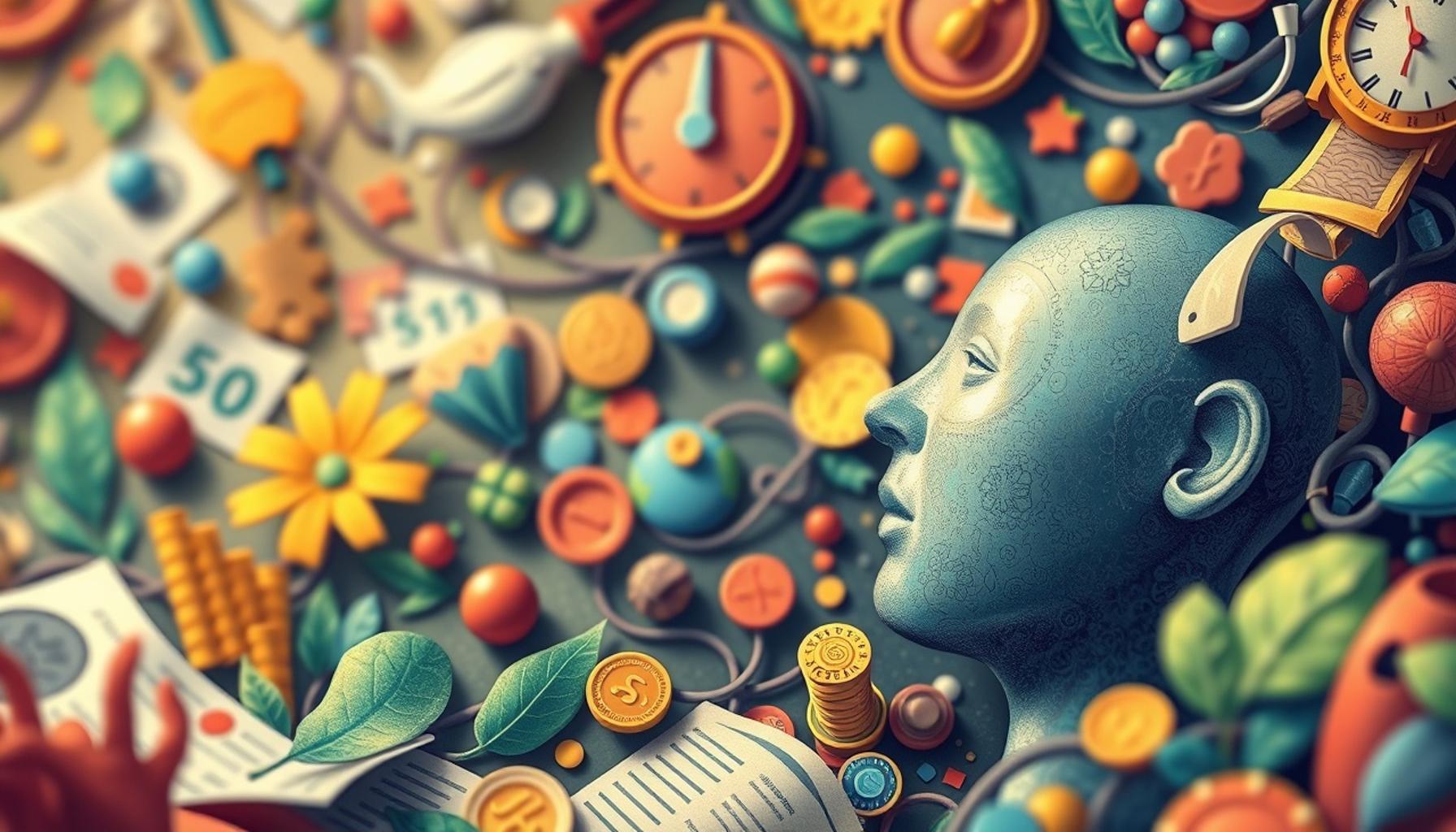
The Art of Writing: How to Transform Emotions into Words

Understanding the Essence of Emotive Writing
Every great piece of writing begins with a pulse—a rhythm of emotions waiting to be expressed. Transforming these feelings into words is more than just a skill; it is an art form that delves into the depths of human experience. Whether it’s joy, sorrow, anger, or love, the ability to convey emotions can captivate readers and create lasting connections. A pivotal aspect of this art form is the writer’s capability to connect personal feelings to universal experiences, making the written word a vibrant tapestry of emotions.
At the heart of emotive writing lies a few key elements, which serve as the foundation for any compelling narrative. One such component is observation. Writers must keenly observe their surroundings and the emotions they evoke. For example, consider the bustling streets of a city like New York. The chatter of people, the urban landscape, and even the scents drifting from food carts can evoke a whirlwind of feelings that a skilled writer can harness. By paying close attention to these details, writers can draw readers into the scene, making the emotions feel tangible and unmistakable.
Empathy is another crucial aspect of capturing emotions effectively. It requires an understanding of and ability to relate to others’ feelings, which enriches a writer’s perspective. For instance, in literary works such as John Steinbeck’s “The Grapes of Wrath,” the author profoundly connects with the struggles of displaced families during the Great Depression. By immersing readers in their plight, Steinbeck fosters a bond that transcends time and allows readers to feel the weight of the characters’ experiences.
Furthermore, the use of imagery is vital in crafting vivid images that allow readers to immerse themselves in the emotional landscape. The more effectively a writer paints a picture with words, the more likely readers are to experience empathy, excitement, or nostalgia. Poetic devices such as similes, metaphors, and sensory descriptions can elicit strong emotional responses. For instance, rather than merely stating that a character feels sad, a writer might describe the gray skies, the fading warmth of summer, or the silence in a crowded room, allowing readers to feel that sadness viscerally.
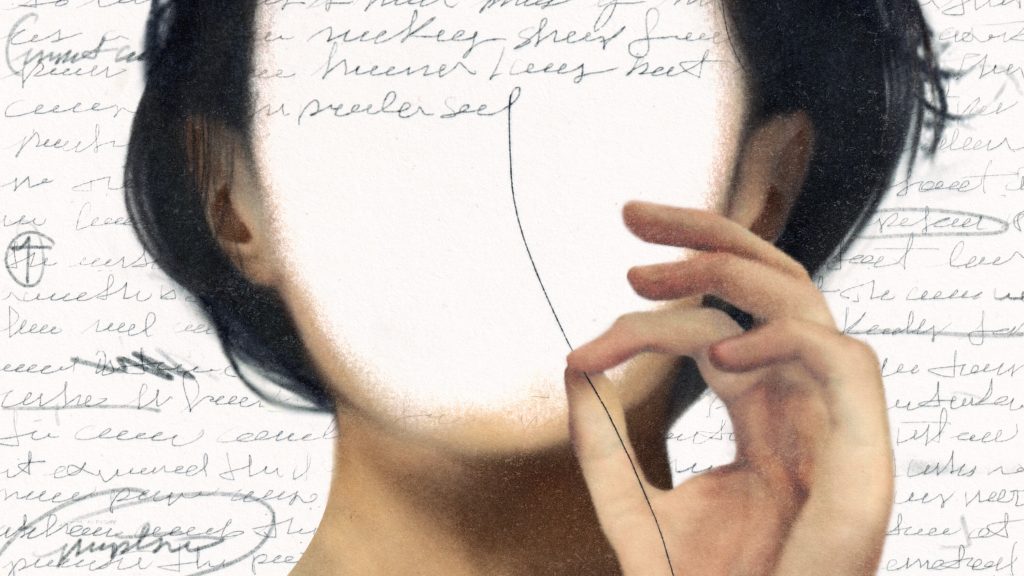
In the realm of literature and creative writing, mastering the technique of expressing emotions can set an author apart. Most readers seek not just a story, but an emotional journey that resonates with their own experiences. This ability to translate complex feelings into relatable narratives requires not just practice but a profound understanding of human nature. Iconic authors like Maya Angelou or Ernest Hemingway have showcased this mastery, inviting readers to explore the intricacies of joy, suffering, love, and loss through their unique storytelling lenses.
As we continue to explore the techniques to craft these emotional translations, it’s essential to recognize how the written word can heal, inspire, and provoke thought. From personal essays to fiction, each genre has the potential to evoke emotions and connect with readers on a deep level. Join us on this journey to uncover the secrets of emotive writing and discover how to unlock your own potential, making your words resonate far and wide.
Techniques for Evoking Emotion in Writing
To master the art of emotive writing, one must delve into a variety of techniques that enhance the ability to evoke deep feelings within readers. Understanding these techniques allows writers to effectively transform their emotions into words, crafting narratives that resonate on multiple levels. Below are some essential strategies to consider:
- Character Development: Building multi-dimensional characters is essential for creating an emotional connection with readers. A character’s struggles, aspirations, and relationships create a mirror through which readers can see themselves or understand others. For example, in J.K. Rowling’s “Harry Potter” series, Harry’s journey from an isolated boy to a celebrated hero invites readers to experience the full range of emotions—love, friendship, loss, and triumph—alongside him.
- Vivid Descriptions: The use of descriptive language breathes life into narratives, allowing readers to visualize the emotional context. By painting detailed scenes with words, writers can immerse their audience in the atmosphere they wish to create. In setting the stage with sights, sounds, and sensations, a writer can evoke nostalgia or excitement simply through careful selections of detail.
- Dialogues: Authentic dialogue reveals character emotions and motivations. Through carefully crafted conversations, a writer can showcase vulnerability, tension, or love, bringing characters to life. For instance, consider how a fleeting moment shared between two characters can encapsulate their feelings without the use of exposition. A single question or a pause can convey more than whole paragraphs.
- Symbolism and Metaphor: These literary devices enrich narratives by associating complex ideas with simple images or concepts. An author might use the changing seasons to symbolize a character’s emotional journey, where spring marks hope and renewal, while winter signifies grief and isolation. Such elements encourage readers to interpret and engage with the text on a deeper level.
- Personal Experiences: Infusing writing with personal anecdotes can heighten authenticity. Sharing your own feelings and experiences resonates with readers, making emotional complexity relatable and accessible. Writing about your experiences not only enriches your work but also encourages readers to reflect on their own lives.
As each technique unfolds, it becomes evident that the key to wielding emotions in writing lies in the interplay between honesty and artistry. Writers who can embrace the vulnerability in their experiences often find that their stories resonate profoundly with others. This authenticity draws readers in, shaping their understanding of fundamental human emotions and experiences.
In effect, the transformation of emotions into relatable words requires a careful balance of thoughtful craftsmanship and raw, genuine expression. With mastery over these techniques, writers can become adept at touching the hearts of their audience, bridging emotional gaps and creating an indelible impact with their work. This exploration of emotive writing not only articulates personal narratives, but also taps into shared human experiences, forging connections beyond the written page.
The Art of Writing: How to Transform Emotions into Words
Writing is not merely a series of words strung together; it is the nuanced art of capturing the essence of human experience. Each word holds emotional weight, allowing the writer to convey complex feelings that resonate profoundly with readers. When embarking on this journey of emotional expression, one must harness various techniques to transform raw feelings into articulate prose.
The first technique involves vivid imagery. This means using descriptive language that paints mental pictures. For instance, rather than stating “I was sad,” one could describe the feeling by saying “a heavy cloud settled over my heart.” Such imagery not only evokes emotions but also invites readers to experience them viscerally.
Another effective method is the use of metaphors and similes. These literary devices help bridge the gap between abstract emotions and concrete experiences. For example, likening heartbreak to a shattering glass creates a powerful image that resonates deeply and lingers long after the initial reading.
Furthermore, employing personal anecdotes is a compelling way to engage readers emotionally. Sharing one’s own stories creates a sense of intimacy and connection, as readers often see reflections of their own experiences. This element of storytelling fosters empathy, making the emotional journey all the more engaging.
Lastly, consider the rhythm and flow of your writing. Well-crafted sentences that mimic the ebb and flow of emotion can enhance the narrative. Short, choppy sentences may convey urgency or panic, while long, flowing sentences can evoke a sense of calm or introspection. The choice of sentence structure contributes significantly to the emotional impact of the piece.
| Category | Description |
|---|---|
| Vivid Imagery | Descriptive language that engages the senses. |
| Metaphors and Similes | Literary devices that create relatable comparisons and deepen understanding. |
| Personal Anecdotes | Stories that foster intimacy and emotional connection with readers. |
| Rhythm and Flow | Sentence structure that reflects emotional intensity and enhances narrative impact. |
Each of these elements plays a crucial role in transforming emotions into words. As writers, mastering these techniques not only enhances our craft but also enriches the reader’s experience, conveying the intricate tapestry of human emotions with clarity and artistry.
Crafting Emotional Narratives
Creating a story that resonates with readers involves weaving together various elements that enhance emotional engagement. Beyond employing individual techniques, a writer can build a tapestry of emotional narratives that elevate the reader’s experience. Here are several critical components to consider in the emotional architecture of a narrative:
- Conflict and Resolution: Every compelling story thrives on conflict, which often serves as an emotional catalyst for characters. Whether internal struggles or external obstacles, the tension created by conflict allows characters to develop and grow. In John Steinbeck’s “Of Mice and Men,” the dreams and aspirations of George and Lennie clash with the harsh realities of the Great Depression. The subsequent resolution—or lack thereof—elicits a profound emotional response, making readers grapple with the fragility of hope.
- Point of View: The narrative perspective chosen can dramatically influence the emotional tone of the text. A first-person narrative provides intimacy and immediacy, allowing readers to experience emotions firsthand. Conversely, a third-person omniscient viewpoint can create a broader emotional panorama that shows multiple characters’ feelings and experiences. For instance, in “The Road” by Cormac McCarthy, the stark and haunting first-person perspective draws readers deeply into the desolation and despair of a post-apocalyptic world.
- Emotional Arcs: Crafting an emotional arc involves plotting the trajectory of emotions over the course of a narrative. By mapping out key moments where emotions swell or recede, writers can guide readers on a journey that reflects the ebb and flow of real human experiences. Notable novels like “The Great Gatsby” exhibit this through Jay Gatsby’s ambitious rise and tragic fall, expertly leading readers through a spectrum of emotions including longing, love, and ultimately, loss.
- Theme and Motif: The underlying themes of a story can anchor emotional responses. By employing recurring motifs—such as isolation, love, or redemption—writers create a fabric within which emotional experiences can unfold. For example, in Alice Walker’s “The Color Purple,” themes of empowerment and resilience are portrayed through the lens of personal and cultural trials, demonstrating how emotional suffering can ultimately lead to strength and understanding.
- Emotionally Charged Language: The specific choice of words can transform mundane descriptions into powerful emotional expressions. Writers can employ charged adjectives, strong verbs, and lyrical language that resonates on a personal level. When Maya Angelou describes the “stillness” that envelops a character in one of her poems, readers are between the pauses, feeling the weight of the moment.
By intertwining these components, writers can create multilayered narratives that effortlessly draw readers into emotional landscapes. The goal is more than simply recounting events; it’s about tapping into the universal experiences that characterize the human condition. As writers navigate the complexities of emotional storytelling, they invite readers not just to observe but to feel—transforming their writing into a mirror of shared human emotion.
Ultimately, the art of writing involves a delicate balance of technical proficiency and emotional authenticity. Through the exploration of conflict, perspective, and language, writers can cultivate an immersive experience that encapsulates deeper feelings and shared truths. Mastery in crafting emotional narratives not only captivates readers but also fosters a profound understanding of empathy and connection in a world that often feels fragmented.
Conclusion: Mastering the Language of Emotion
In conclusion, the art of writing is an intricate dance between emotion and expression, where words become vessels for feelings that resonate deeply with readers. As we have explored, the ability to transform emotions into words is not merely a talent; it is a skill that can be developed through understanding core narrative techniques. By mastering elements such as conflict, point of view, and emotional arcs, writers can create powerful stories that invite readers to experience the full spectrum of human emotion.
The integration of theme and motif provides a solid foundation upon which emotional narratives are built, allowing profound connections to flourish. Furthermore, through the use of emotionally charged language, writers can elevate their narratives beyond mere storytelling, transforming them into evocative experiences that linger in the hearts and minds of their audience. This artistic process not only fosters compassion and understanding but also serves as a reminder of our shared humanity.
As aspiring writers embark on their journey, it is crucial to remember that while technique is essential, the heart of storytelling lies in authenticity. Genuine emotions offer the richest soil for creativity to blossom, allowing writers to cultivate narratives that are as meaningful as they are memorable. By embracing the nuances of emotion in their writing, authors not only hone their craft but also contribute to a greater dialogue about what it means to be human in today’s world.
Ultimately, transforming emotions into words is a powerful tool for connection, empathy, and storytelling—an art form that continues to evolve and inspire. As you reflect on your own writing endeavors, consider how you can harness this art to express your unique perspective and share in the human experience.