Exploring New Styles: The Influence of Social Media on Contemporary Poetry
Entering the Digital Poetry Renaissance
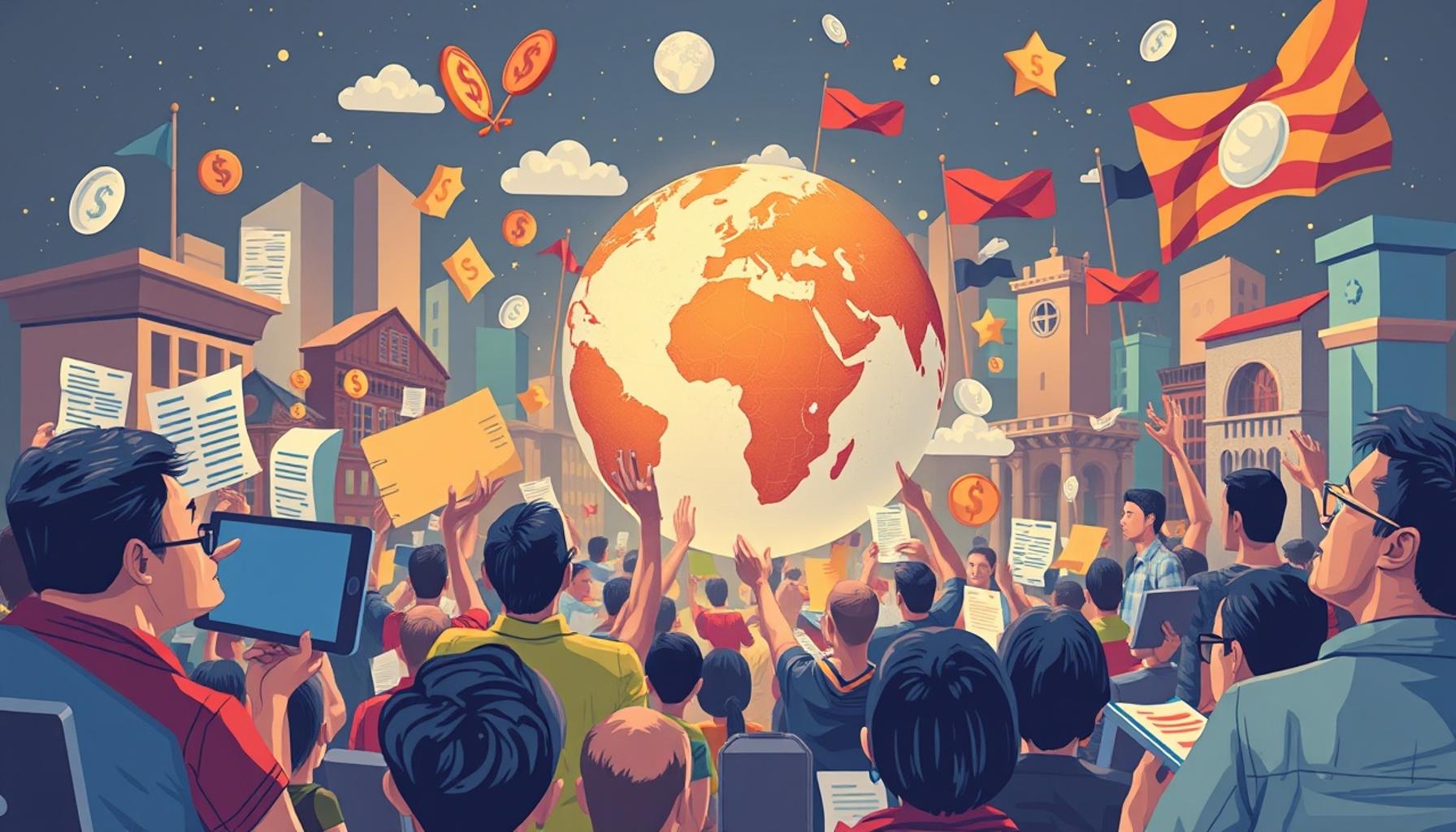
In today’s fast-paced digital world, social media platforms have fundamentally transformed the landscape of contemporary poetry. These platforms are not merely repositories for text; they act as dynamic arenas where diverse voices come together, fostering an artistic revolution. The ability to share poetry widely and instantly represents a break from conventional publishing barriers, allowing poets and readers to engage with each other as never before.
The Dynamics of Digital Poetry
The influence of social media on poetry is profound and multifaceted, with a few key dynamics driving its evolution:
- Accessibility: Aspiring poets are liberated from the constraints of traditional publishing, enabling them to disseminate their work widely. For instance, platforms like Instagram and Twitter allow users to share their poems instantly, reaching audiences that may have been inaccessible before. This democratization of poetry means that even unknown writers can gain recognition and build a following.
- Audience Engagement: The immediacy of social media facilitates real-time feedback from readers, creating a vibrant dialogue between poets and their audiences. For example, poets can gauge reactions through comments and likes, adjusting their style and approach according to the desires and interpretations of their followers, which in turn influences their creative process.
- Diverse Voices: Social media platforms amplify underrepresented narratives, showcasing work from a multitude of cultural backgrounds and experiences. This has led to a renaissance in poetry that includes voices from marginalized communities, offering fresh perspectives that challenge the status quo.
This shift not only transforms the content of poetry but also reinvents its form. Contemporary poets are increasingly experimenting with multimedia elements, showcasing their work through innovative methods:
- Visual Poetry: By combining text and imagery, poets create layered effects that enhance meaning and emotional resonance. This form can be seen in Instagram poetry where images are carefully chosen to complement the words.
- Spoken Word: With the rise of video-sharing platforms, poets can record and share their performances, bringing their work to life in a manner that resonates with many. This newfound accessibility and performance aspect brings a visceral quality to poetry, appealing to audiences who may not engage with the written word alone.
- Collaborative Works: Digital platforms enable poets to collaborate across distances, forging partnerships that might otherwise be impossible. This collaboration can lead to innovative and unexpected creations, enriching the poetic landscape.
As we explore these emerging trends, it becomes clear that social media is redefining not just how poetry is created and consumed, but also who gets to participate in the conversation. The contemporary poetic revolution invites us to embrace new styles, broaden our understanding, and explore the myriad of voices that shape this vibrant art form today. Join in the journey of discovery as we delve deeper into this exciting era of poetry.
Reinventing Poetic Expression
As social media becomes pivotal in the world of contemporary poetry, it’s essential to recognize how the nuances of digital communication influence poetic form and style. No longer confined to the pages of literary journals or the recitation halls of cafes, poetry has found a new home where brevity and immediacy reign supreme. This transformation has led to the emergence of various unique styles that reflect the multifaceted nature of our digital lives.
Micro-Poetry: The Art of Brevity
One of the most notable trends in contemporary poetry fueled by social media is the rise of micro-poetry. Platforms such as Twitter, where character limits dictate communication, have inspired poets to convey profound thoughts in concise formats. This style forces poets to distill their emotions and ideas into a few impactful words. The challenge of crafting poems in 280 characters or less has not only popularized the art of brevity but has also attracted many newcomers to the medium. In this fast-paced environment, poets like Jennifer K. Sweeney and Jesus J. Barquet have gained recognition for their sharp and poignant observations delivered in small doses, seamlessly adapting their voice to fit the medium.
Hashtag Poetry: The Power of Community
Another exciting development is the concept of hashtag poetry, where poets and readers connect through shared interests defined by hashtags. This form has cultivated community engagement, enabling poets to interact directly with their audience and create a sense of collective experience. Themes ranging from #LovePoems to #MentalHealthPoetry are reshaping how work is categorized and discovered. This grassroots movement has facilitated powerful conversations surrounding important social issues, thus intertwining activism with art in a manner that resonates deeply with many participants. It empowers poets to establish a robust presence while contributing to larger dialogues about societal change.
The Role of Visuals in Poetry
Moreover, the integration of visuals in poetry has taken on a significant role, leading to the rise of visual poetry. On platforms such as Instagram and Pinterest, poets are pairing their written words with compelling images to create more immersive experiences. This type of poetry is designed to be aesthetically pleasing as much as it is thought-provoking, allowing the text to blend seamlessly with visual elements. This style broadens the appeal of poetry, compelling users who may not ordinarily engage with the written form to stop, look, and reflect. Through the fusion of text and imagery, poets like Rupi Kaur have gained massive followings, highlighting the potential of compelling visual narratives in their work.
The proliferation of these new styles showcases an undeniable shift in how poetry is created, shared, and appreciated. As the boundaries continue to blur between traditional forms and innovative expressions, we stand at the forefront of a literary culture that encourages continuous exploration and reinvention. The next section will delve into how these trends not only redefine poetic styles but also shape the relationship between poets and their audiences in meaningful ways.
Exploring New Styles: The Influence of Social Media on Contemporary Poetry
As we delve further into the realm of poetry influenced by social media, it becomes evident that this platform is not just a space for distribution; it serves as a crucible for creative innovations. Social media allows poets to interact directly with their audience, breaking the barriers that once isolated art from its viewers. This phenomenon of instant feedback enables poets to refine their work in real time, which in turn contributes to the dynamic evolution of their styles. The immediacy of social media fosters a sense of community among writers, inspiring collaborative poetry projects that were rare in traditional literary circles.
Furthermore, the accessibility of platforms like Instagram and Twitter has democratized poetry, allowing for a diverse array of voices to emerge. Poets from marginalized communities are finding their platforms and amplifying their messages through short, impactful verses that resonate with contemporary audiences. The visual aspect of platforms such as Instagram prompts poets to pair their work with captivating images, thus transforming poetry into a multimedia experience that captivates viewers’ attention and provokes deeper engagement.
| Category | Description |
|---|---|
| Engagement | Social media fosters direct interaction between poets and readers, enriching the poetry experience. |
| Diversity | A platform for underrepresented voices, social media allows a rich tapestry of perspectives in contemporary poetry. |
Moreover, hashtags on platforms such as Twitter and Instagram facilitate the discovery of poetry and thematic trends that might otherwise go unnoticed. Poets can leverage these trends to reach wider audiences while experimenting with new techniques and styles. This interconnectivity not only elevates the poetry community but also encourages poets to push the boundaries of traditional forms, weaving contemporary themes into their work that reflect the fast-paced digital age. As such, social media becomes an indispensable tool for poets aiming to remain relevant in a rapidly changing world.
Bridging Poets and Audiences
The relationship between poets and their audiences is becoming increasingly interactive and dynamic as social media shapes contemporary poetry. Gone are the days when poetry existed solely in the pages of books, shrouded in an air of exclusivity. Today, poets often engage directly with their followers, inviting feedback and fostering discussions that can lead to collaborative works. This interactivity has not only transformed how poetry is perceived but also how it is produced.
Real-Time Interaction: Engagement and Impact
Social media platforms allow poets to connect in real time with their audience, facilitating instant dialogue. This engagement helps poets understand the immediate reactions to their work, leading to a more participatory poetic process. For example, poets like Nayyirah Waheed utilize platforms like Instagram to share their work and respond to comments, creating a dialogue that extends beyond the poem itself. Her ability to capture attention with innovative formats has garnered millions of followers, illustrating the profound impact of social media in shaping her narrative voice.
This instantaneous interaction fosters a sense of community. Poets and readers alike can engage not just with individual works but with the larger conversations surrounding themes that resonate in contemporary culture, such as identity, love, and politics. Through live readings and Q&A sessions, audiences can witness the thought processes behind the poetry creation, establishing a deeper affinity towards the poet and their work.
The Role of Algorithms in Poetry Distribution
Moreover, the algorithms that drive these platforms play a critical role in how poetry is disseminated. Social media giants like Facebook and Instagram curate content based on user interaction, possibly elevating the visibility of certain poets and styles over others. This brings forth a new challenge: the need for poets to engage strategically in these platforms to reach broader audiences. Hashtag trends, viral challenges, and algorithmic preferences can propel a specific poetic style into the limelight or overshadow it, influencing what poetry gains popularity at any given time.
Emerging Forms: Video Poetry and Spoken Word
In addition to traditional formats, the rise of video poetry and spoken word performances on platforms like TikTok and YouTube has revolutionized how poetry is experienced. These modalities emphasize the human voice, allowing poets to convey tone, rhythm, and emotion more effectively than written words alone. The rise of poets like Sarah Kay and her compelling spoken-word pieces exemplify this trend, reaching wider audiences through engaging video formats.
Furthermore, social media makes it possible to fuse multiple art forms with poetry. Poets collaborate with musicians, dancers, and visual artists to create multi-sensory experiences that captivate audiences in fresh and unexpected ways. This blending of styles enriches the poetic experience, pushing creative boundaries and inviting audiences to engage with poetry in innovative formats that resonate with their everyday lives.
Through these developments, social media is not merely a distribution channel; it is fundamentally reshaping the landscape of poetry itself. As poets and audiences navigate this evolving terrain together, the future of contemporary poetry appears vibrant, multifaceted, and unpredictably exciting.
Conclusion: The Future of Poetry in the Digital Age
The exploration of new styles in contemporary poetry, spurred by the omnipresence of social media platforms, marks an unprecedented evolution in the art form. With poets engaging directly with their audiences through real-time interactions, the barriers that once separated writer and reader are dissolving. This era embraces a vibrant community where dialogues flourish, and poetry transforms into a shared experience rather than an isolated endeavor.
The influence of algorithms and the strategic dissemination of content play a significant role in amplifying diverse voices, yet they also present challenges regarding visibility and authenticity. As poets navigate this digital landscape, they must balance artistry with the need for strategic engagement, adapting to the ever-changing preferences of their audiences. The rise of formats like video poetry and spoken word further enriches the tapestry of contemporary poetry, inviting artists to experiment with cross-disciplinary collaborations. The melding of genres creates immersive experiences that capture the complexities of human emotion, ensuring poetry remains relevant and resonant.
As we move forward, the impact of social media on poetry will undoubtedly continue to evolve. It challenges poets to innovate, compelling them to explore new narratives and themes that reflect our rapidly shifting cultural landscape. The interaction between technology and art fuels a rich dialogue that champions inclusivity and diversity, paving the way for future generations of poets. In this thriving ecosystem, the art of poetry finds renewed significance, encouraging us all to engage, reflect, and participate in the creative conversations that define our lives today.