The Impact of Live Music on Dance Practice and the Artistic Community
The Dynamic Interplay of Live Music and Dance
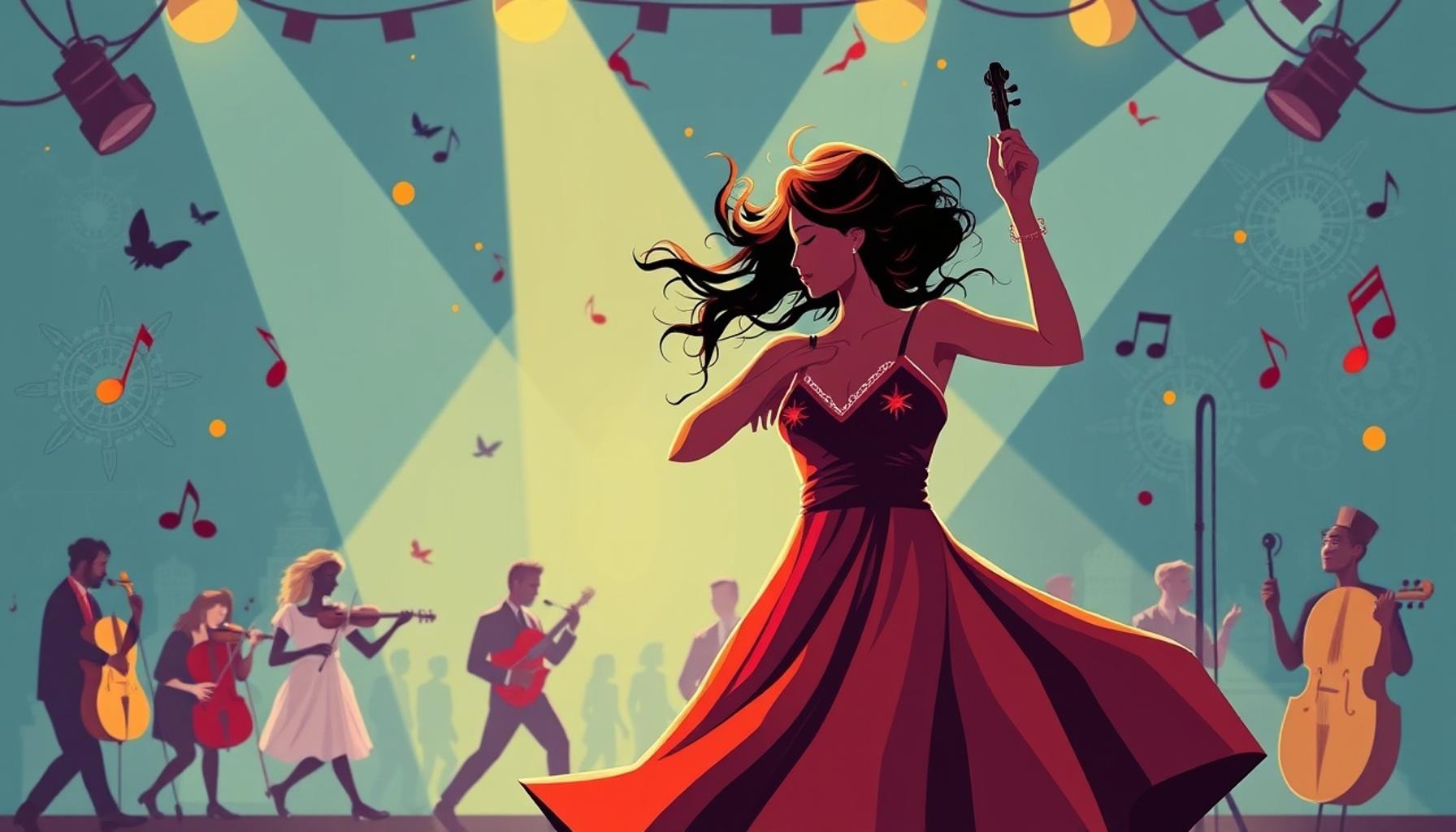
Live music serves as a vital force in the dance community, acting not just as a backdrop for movement but as a fundamental element that shapes and enhances the entire experience. This relationship transforms both the performance and the practice of dance, resulting in a vivid interplay that fuels artistic collaboration and pushes creative boundaries. In this exploration, we will examine several dimensions of how live music enriches the dance landscape.
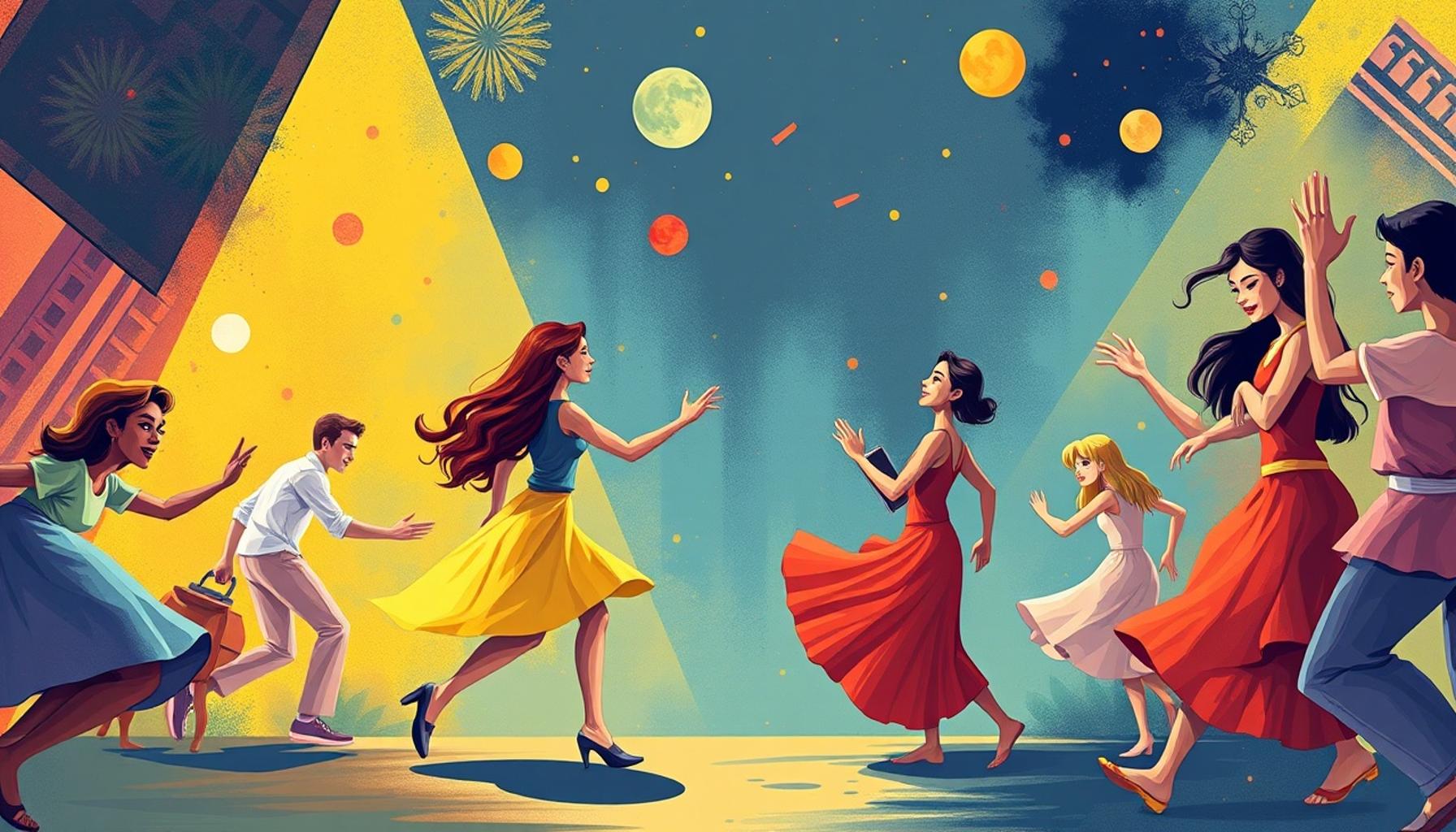
Rhythm and Energy: The synergy between musicians and dancers generates an electric atmosphere that invites spontaneity and improvisation. For example, during a jazz dance performance, musicians might adjust their tempo in real-time, encouraging dancers to take risks and interpret the rhythms in fresh ways. This interaction creates an unpredictable energy that can lead to breathtaking moments on stage—an embodiment of true artistic expression.
Emotional Resonance: The genuine emotions evoked in live performances foster a deep connection between dancers and the audience. A poignant piece set to a live piano score can transport viewers into an entirely different emotional realm, allowing them to feel the essence of the performance. This emotional synergy is especially apparent in styles like contemporary dance, where interpretive movements paired with live music can amplify the narrative of the performance, making it a shared emotional experience.
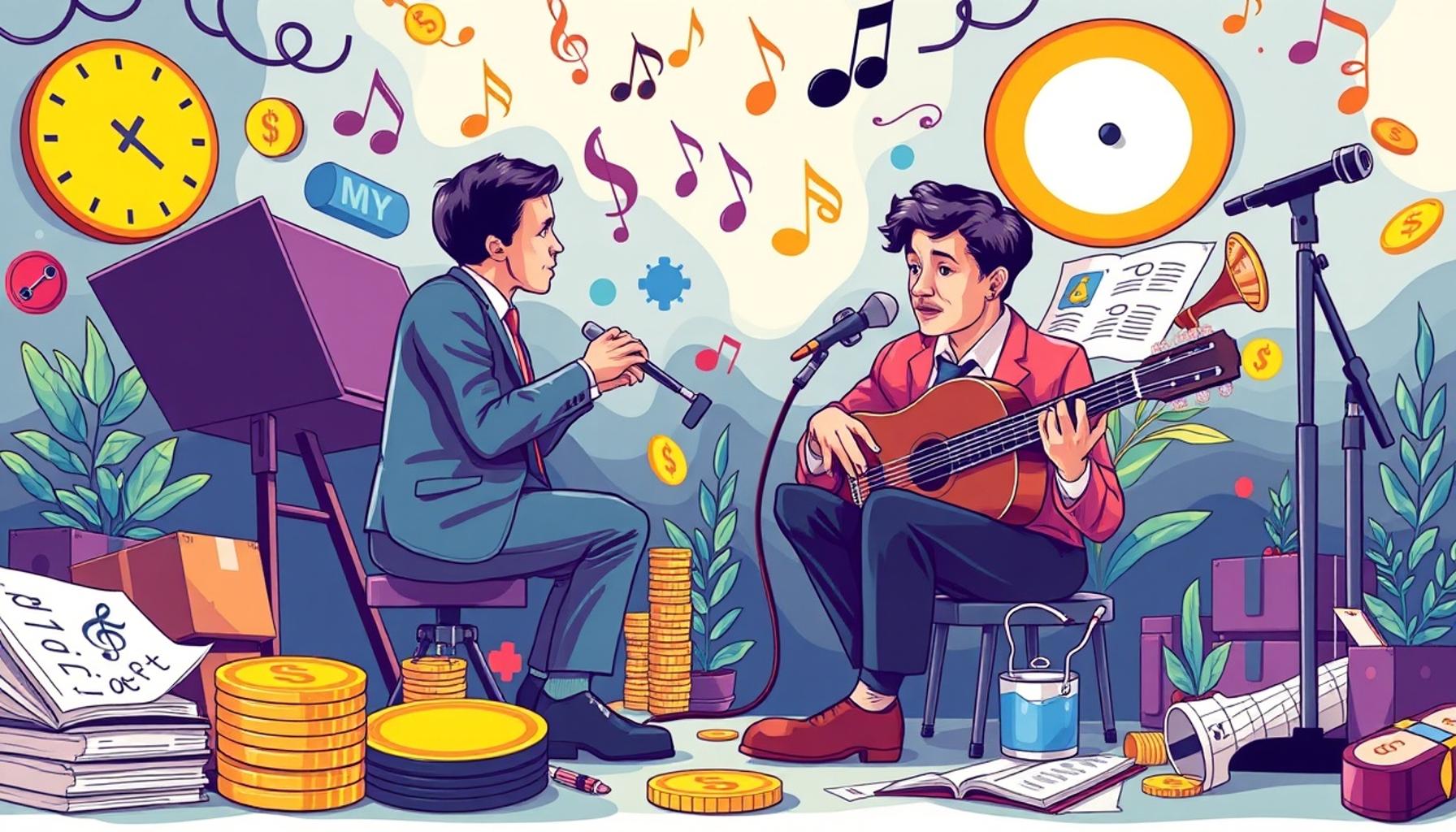
Collaboration Opportunities: The collaboration between various artists fuels the creation of new styles and dance forms. For instance, consider the blending of hip-hop and live funk music, which has led to a uniquely American dance culture that challenges traditional boundaries. Artists from diverse backgrounds converge, allowing them to exchange ideas and techniques that can reshape both music and dance into something novel and extraordinary.
Beyond Performance: The Broader Impact
The influence of live music stretches far beyond the performance space, contributing meaningfully to the dance community in several ways.
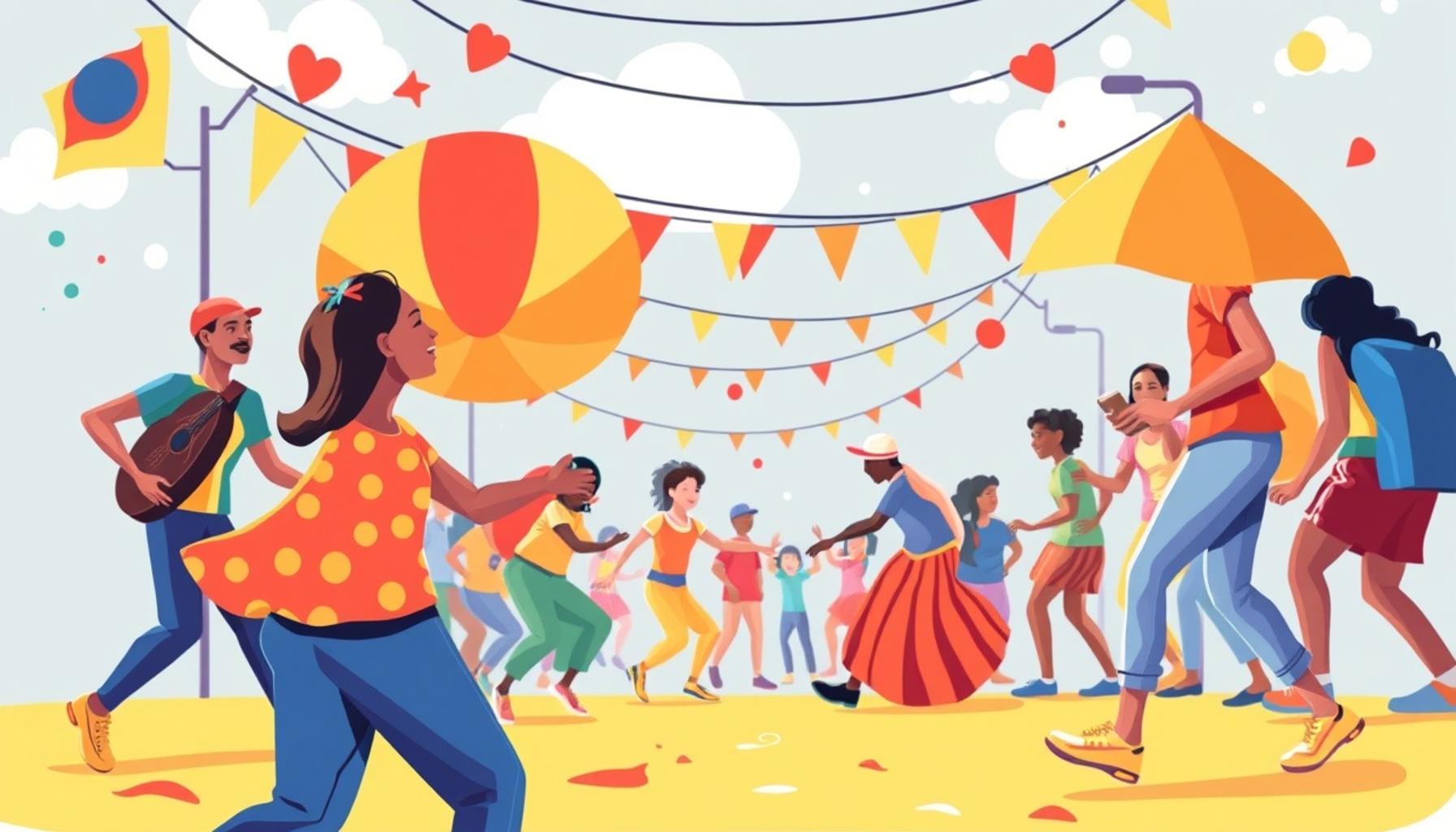
- Community Building: Engaging local artists not only enhances the performance experience but also fosters a sense of belonging within the artistic community. This can be seen at festivals and dance gatherings, where local musicians and dancers collaborate, cultivating connections and shared experiences that strengthen community bonds.
- Skill Development: Dancers exposed to live musicians develop a unique skill set. They learn to adapt in real time, listening and responding to the nuances of the music. This ability to interpret unspoken musical cues translates into more dynamic performances and enhances their overall versatility as artists.
- Innovation in Choreography: The subtleties of live sound can inspire innovative movement. For example, a choreographer might create a piece that deeply reflects the idiosyncrasies of a particular musician’s style, resulting in a choreography tailored to match the rhythms and patterns of live instrumentation.
In conclusion, the relationship between live music and dance is layered and multifaceted. The synergy of these two art forms enriches not just the dancers and musicians but the community at large, encouraging innovation, emotional depth, and a sense of connectedness. As one delves deeper into this dynamic interplay, it becomes evident that the vibrancy of cultural environments—especially in the diverse landscape of the United States—thrives on this collaboration, ultimately benefiting the broader artistic community. This exploration serves as an invitation to further investigate how live music influences a multitude of dance forms and enriches the cultural fabric of our society.
Exploring Community Dynamics Through Live Music
The interplay between live music and dance not only enriches artistic performances but also plays a pivotal role in fostering community dynamics within the artistic world. As artists come together to create, dance practices evolve, leading to a collaborative environment where innovation thrives. This vibrant relationship allows for a myriad of alterations in how dance is perceived, taught, and produced within various artistic networks.
Inclusive Artistic Spaces: Live music has the remarkable ability to create inclusive spaces, inviting diverse voices and talents to participate in dance and performance. Events such as open mic nights and local music festivals often serve as incubators for artistic expression, allowing emerging dancers and musicians to collaborate and showcase their work. For instance, the annual Philadelphia Folk Festival provides a platform for traditional artists and contemporary performers alike, fostering a blend of dance forms that resonate with both younger and older generations.
Shared Experiences: The live music scene encourages a sense of belonging among artists, pushing individuals to explore new styles while honoring their roots. Collaborative performances build communal ties that transcend typical artistic boundaries. Dancers may, during a live performance, interpret the music of a local band, creating plans and relationships that are later fortified through shared narratives and artistic journeys. This constant interaction between musicians and dancers fosters a rich cultural tapestry, where each performance is a living expression of the community’s identity.
The Role of Live Music in Enhancing Dance Education
In addition to cultural enrichment, live music significantly influences dance education practices. As educators increasingly incorporate live music into their curricula, students learn to adapt their movements in real-time, cultivating adaptability and responsiveness. The education landscape sees notable changes through:
- Engagement and Motivation: Learning to dance to live music engages students on a deeper emotional level, making lessons more impactful. The experience of performing to a live band can reignite enthusiasm for dance and inspire students to explore their creativity.
- Rhythmic Awareness: Exposure to live musicians allows dancers to develop a heightened sense of rhythm, timing, and musicality. This not only improves their technique but also enhances their improvisational skills, essential for many dance styles, such as jazz and modern.
- Collaborative Projects: By working with local musicians during dance workshops or intensive programs, dancers learn the art of collaboration early on. These joint endeavors cultivate skills that are vital for future professional engagements, where flexibility and teamwork are indispensable.
Through these influences, live music fuels not only the artistic practice itself but also the education that shapes future generations of dancers. This connection highlights just how integral live music is in crafting a rich, diverse, and dynamic dance community, paving the way for continued innovation and exploration.
The Synergy of Sound and Movement
The intersection of live music and dance practice creates a vibrant atmosphere that invigorates the artistic community. When dancers move to the rhythm of live musicians, there is an undeniable energy that enhances both the performance and the practice experience. This dynamic environment fosters creativity, pushing artists to experiment with new styles and techniques. The live interaction between musicians and dancers offers a platform for spontaneity, allowing performances to evolve in real-time, creating a unique experience for both performers and audiences alike.In particular, genres such as jazz, funk, and contemporary dance thrive in this setting. They showcase the improvisational nature of both disciplines, highlighting how the emotional connection in live music can inspire dancers to explore deeper storytelling through movement. Collaborative events, workshops, and showcases provide dancers with opportunities to connect with musicians, fostering a sense of community that benefits everyone involved.Moreover, the artistic community benefits exponentially from these partnerships. Local musicians and dancers often join forces for community events, building networks that encourage support and collaboration. This not only strengthens local art scenes but also promotes a culture of accessibility where emerging artists can find their niche. By blending live music with dance practice, artists engage in a transformative exchange that enriches their creative processes and enhances communal bonds.As such, it is crucial to continue exploring how live music impacts both dance and the overall artistic community. The vibrancy that live sound instills in dance practices may hold the key to uncovering innovative approaches to performance and collaboration, leading to a renaissance of artistic expression that is sure to resonate throughout various creative circles.
| Advantage Category | Description/Impact |
|---|---|
| Enhanced Creativity | Live music inspires dancers to break free from conventional patterns, fostering new choreographic ideas. |
| Community Engagement | Collaborations between local musicians and dancers strengthen bonds within the artistic community, promoting shared experiences. |
Transforming Performance Spaces Through Live Music
Live music not only influences dance practice and education but also plays an integral role in transforming the environments where performances take place. The atmosphere of a venue can dramatically affect both the performance experience and the audience’s engagement. Various aspects of these transformative spaces include:
- Interactive Venues: The rise of immersive performance spaces, such as those seen in cities like New York and San Francisco, encourages interactions that go beyond the traditional viewing experience. Venues that integrate live music with dance performances often have a more relaxed and heightened energy. This dynamic environment allows audiences to interact with not only the performers but also with each other, breaking down barriers that usually exist in conventional theater settings.
- Adaptable Performance Spaces: Many contemporary venues are designed with versatility in mind, allowing for varied setups that accommodate both music and dance. This flexibility can be observed in spaces like Los Angeles’ Grand Performances, which hosts free outdoor concerts that integrate a plethora of dance styles. By providing a platform for participation, these venues encourage spontaneous collaborations, resulting in vibrant performances that resonate with audiences.
- Cross-Disciplinary Collaboration: Live music facilitates cross-disciplinary collaborations that energize the artistic community. For example, dance companies like the Alvin Ailey American Dance Theater frequently collaborate with live musicians to create unique works that celebrate cultural diversity and artistic exploration. Such partnerships enhance public appreciation for both dance and music, enriching the local artistic landscape and encouraging other artists to step outside their comfort zones.
Fostering Innovation: When dancers perform to live music, they often find themselves inspired to experiment with improvisation and new choreographic ideas. This spirit of innovation can manifest itself in unique dance styles that mirror evolving musical trends. For instance, the fusion of hip-hop dance with live instrumentation has led to fresh expressions in performance that resonate deeply with younger audiences, as seen in showcases like Body Rock competitions.
Building Audience Connections: Audiences are more likely to feel a personal connection to a performance that features live music, as the spontaneous nature of live music evokes raw emotions. This connection is evident in community events, such as outdoor dance performances paired with local musicians, which foster a sense of ownership and pride within the community. Programs like the Dance on the Lawn initiative, held in various American suburbs, exemplify how live music combined with dance can serve as a unifying force, drawing diverse audiences together for collective enjoyment and support of the local arts.
The combination of live music and innovative performance spaces enhances the capability for artistic exploration and community bonding, creating an environment where dance can thrive. Increased audience engagement and adaptability in performance settings not only highlight the significance of live music in the dance arena but also underscore its role in shaping the broader artistic community.
Conclusion: The Harmonious Relationship Between Live Music and Dance
The fusion of live music and dance not only cultivates a rich tapestry of artistic expression but also enhances the overall dynamic of the artistic community. As explored throughout this article, live music serves as a catalyst for creativity, innovation, and collaboration within the dance realm, paving the way for new styles and forms of performance that resonate with diverse audiences.
Moreover, the essence of live music transforms performance spaces into vibrant, interactive environments, inviting a more engaged audience experience. This transformation is critical in fostering community connections, as seen in events like the Dance on the Lawn initiative, which promotes local pride and participation. These communal gatherings highlight the unique ability of live music to break down barriers, fostering unity among different artistically inclined individuals and groups.
Looking forward, it’s essential for artists, educators, and venue curators to recognize the profound impact that live music has on dance practice and the broader artistic community. By embracing this synergy, there lies an opportunity to cultivate a more inclusive and innovative environment that can inspire generations of dancers and musicians alike. As audiences continue to crave authentic and immersive experiences, the collaboration between dance and live music stands at the forefront of shaping the future of performing arts in the United States.
Ultimately, live music is not just a backdrop for dance; it is a vital part of the narrative that creates an interconnected artistic landscape. Embracing this relationship can lead to groundbreaking performances and stronger community ties, underscoring the undeniable impact that live music has on dance practice and the artistic community.