The Evolution of Dance Styles Accompanied by Musical Changes Over the Decades
Unraveling the Dance-Music Connection
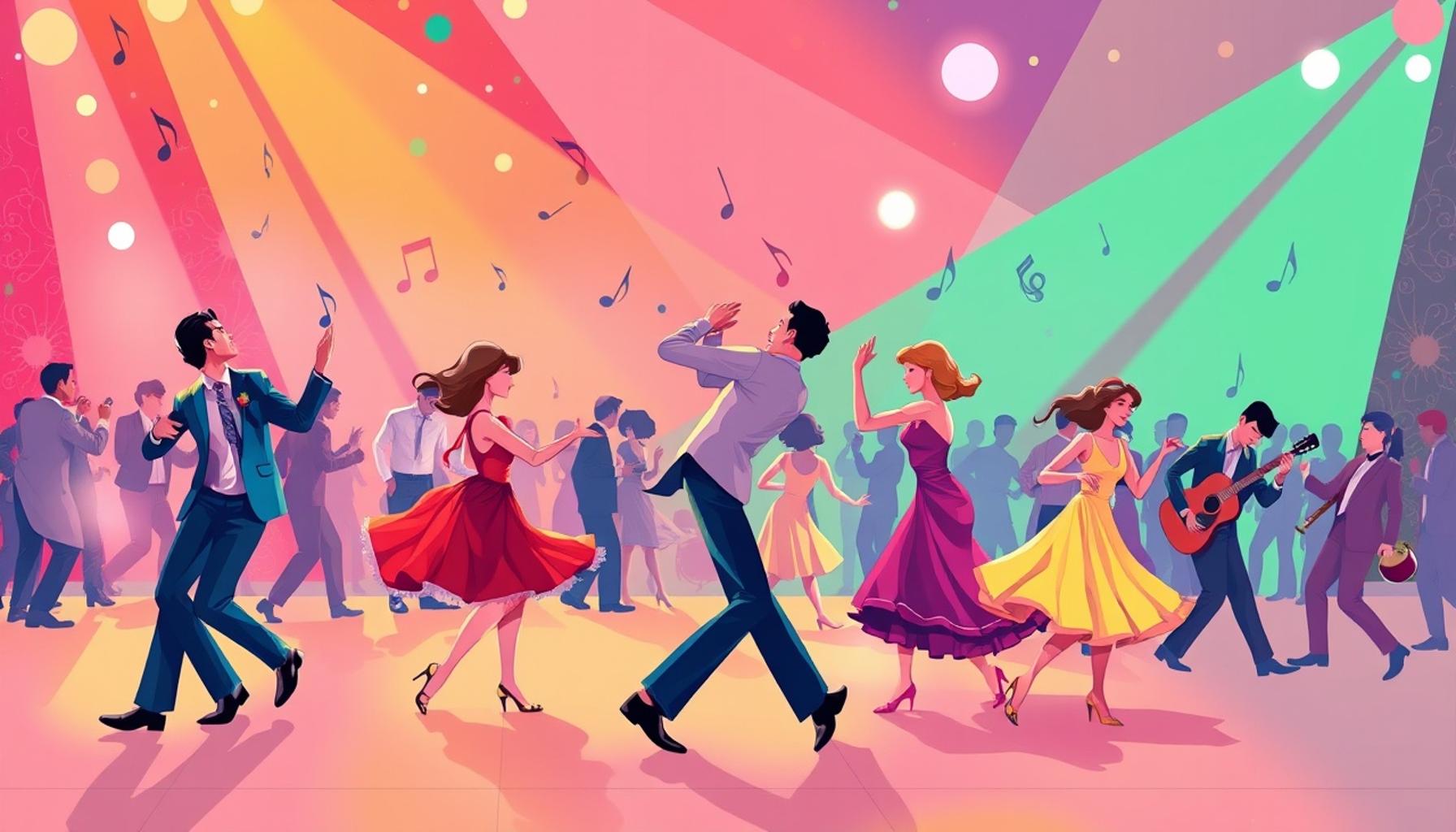
Dance is more than just movement; it is a vibrant expression of culture, emotion, and history. Over the decades, dance styles have evolved dramatically, influenced by changing musical trends and social dynamics. This fascinating relationship between dance and music reflects the very spirit of each era, encapsulating the zeitgeist of history and societal change.
A Glimpse into Dance Evolution
From the lively Charleston of the 1920s to the effortless Hip-Hop moves of the present day, various styles symbolize distinct cultural shifts. Each dance form tells a story shaped by:
- Historical Events: Dance has frequently responded to the backdrop of significant occurrences. For instance, the jitterbug emerged during the Great Depression, highlighting the need for joyous expression amidst hardship. Likewise, the electrifying dance styles of the disco era reflected a newfound sense of freedom and hedonism in the wake of social revolutions during the late 20th century.
- Cultural Influences: Migrations and the fusion of different traditions have birthed unique forms of dance. The twist, popularized in the 1960s, combined influences from African and European dance traditions, showcasing how cultural exchange creates new art forms. More recently, the fusion of Latin influences with hip-hop has led to styles like Reggaeton, which resonate powerfully in both clubs and on social media platforms.
- Musical Innovations: The emergence of genres like jazz, rock, funk, and electronic dance music (EDM) spurred new rhythms and styles. As jazz brought syncopation to the forefront, it paved the way for styles such as swing dancing. Similarly, the rise of EDM has transformed dance culture in the 21st century, energizing audiences at massive festivals like Coachella and Ultra Music Festival.
As we journey through the decades, it’s intriguing to see how these elements intertwine to create new dance forms. The disco phenomenon of the 1970s not only revolutionized dance floors but also reshaped social interactions, fostering a sense of community among diverse groups. In contrast, the rise of rave culture in the 1990s emphasized liberated self-expression, characterized by spontaneous dance and inclusivity.
Exploring the Future
The exploration of dance is boundless, with each style representing a unique intersection of music and movement. From the viral dance trends on platforms like TikTok to the resurgence of traditional styles in contemporary performances, dance is constantly evolving. The impacts of technology are undeniable, as digital platforms democratize dance, allowing anyone with an internet connection to share their movement and innovation.
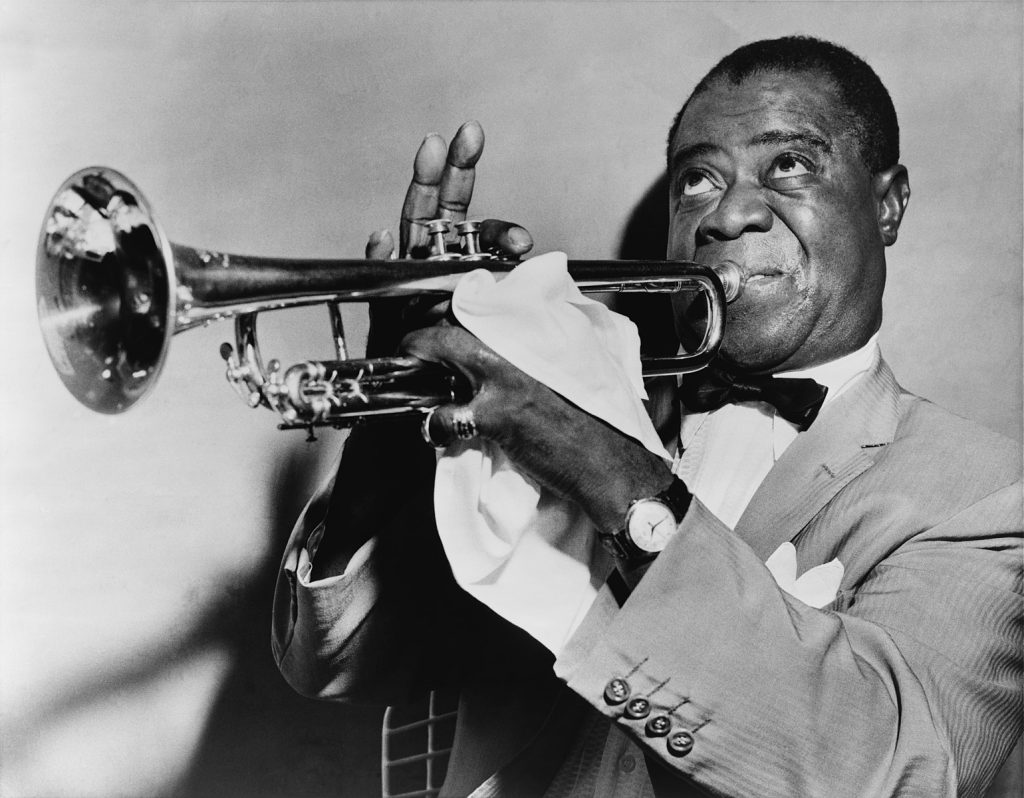
Join us as we delve deeper into how these art forms have transformed over the years, continuously adapting and reshaping our entertainment landscape. Discover the rhythms that drove generations to dance and the musical trends that inspired them!
Ultimately, the relationship between dance and music is not merely transactional; it is a complex dialogue. Each movement carries the weight of its historical and cultural context, reflecting the rich tapestry of human experience. In this ongoing discussion between music and movement, we find a mirror to society, capturing its joys, struggles, and achievements.
Pivotal Dance Movements and Their Musical Roots
The evolution of dance styles over the decades is intricately woven with shifts in musical genres, creating a rich tapestry of expression that defines cultures and generations. From the roaring 1920s to the dance floors of today, each decade’s distinctive dance forms reflect not only the rhythm and tempo of prevailing music but also societal values and cultural milestones. Understanding this connection unveils fascinating insights into human creativity and social resonance.
The 1920s: Jazz and the Charleston
The 1920s marked a significant turning point in dance, driven largely by the emergence of jazz music. The lively Charleston, characterized by its fast-paced footwork and exuberant body movements, captured the spirit of a nation recovering from the struggles of World War I. Jazz music, with its syncopated beats and improvisational flair, provided the perfect accompaniment for this dance, encouraging a sense of freedom and rebellion against the Victorian-era constraints. Dance halls filled with young people, eager to embrace the dynamic rhythms of jazz, demonstrated how the Charleston became a symbol of societal change, emphasizing a more liberated and equal social interaction between men and women.
The 1960s: Rock ‘n’ Roll and The Twist
As we ventured into the 1960s, the musical landscape underwent another transformation with the rise of rock ‘n’ roll. This new genre birthed the iconic Twist, a dance that was easy to learn and required no partner, making it accessible to everyone. The Twist became emblematic of the youth culture explosion, infused with rebellion and a desire for individual expression. The interplay between the upbeat tempos of Elvis Presley and Chuck Berry and the uninhibited dance styles of the time showcased how music could energize social movements and counterculture. It reinforced the emergence of teenage identity, reflecting the cultural shifts that permeated throughout America during this dynamic decade.
The 1970s: Disco and Community Connection
The disco movement in the 1970s propelled dance into a realm of extravagant nightlife and social gatherings. With the proliferation of discotheques, the genre of dance music evolved, influenced by soul, funk, and the burgeoning electronic sounds of the time. The disco dance style, laden with flashy moves and rhythmic grooves, became a nationwide phenomenon, bringing diverse groups together in celebration. Notable tracks like the Bee Gees’ “Stayin’ Alive” became anthems of a movement, symbolizing not just the dance itself but also a broader spirit of freedom, acceptance, and community.
The 1980s to the 1990s: Hip-Hop and Rave Culture
The cultural milieu shifted again in the 1980s with the rise of hip-hop. Street dance emerged as a powerful form of expression rooted in African American culture, pushing boundaries and redefining performance art. Breakdancing, locking, and popping showcased innovative styles unique to urban environments, resonating with the raw energy of rap music. As we transitioned into the 1990s, rave culture took center stage, marked by pulsating electronic beats and a heightened focus on individual liberty. This period emphasized spontaneous dance, further shifting societal norms into a more inclusive and liberated space.
These pivotal decades illustrate how dance, influenced by corresponding musical styles, acts as a social commentator, reflecting historical events, changes, and trends. Each dance craze is a unique lens through which we can view the evolution of our society, setting the stage for continued exploration of future dance movements and their musical accompaniments.
The Evolution of Dance Styles Accompanied by Musical Changes Over the Decades
Dance is a powerful form of expression, intricately woven into the fabric of cultural identity. Over the decades, it has evolved as a reflection of societal changes, musical innovations, and technological advancements. From the swing dances of the 1920s to the hip-hop moves of today, each era has introduced unique styles that resonate with the music of the time.
In the 1950s, rock ‘n’ roll brought a new vibrancy to dance floors, as couples twirled and twisted to the upbeat rhythms. This period saw the birth of iconic dances like the Twist and the Jitterbug, which showcased spontaneous movements that captivated audiences. As the decade turned into the 60s, the emergence of Motown transformed the dance scene again, allowing for more expressive and soulful movements, which were often characterized by elaborate arm and footwork.
The 1980s marked the rise of breakdancing and the influence of pop music on dance culture. As television and music videos surged in popularity, young dancers sought to create visually captivating routines, leading to the explosion of dance competitions. Groups like the Rockettes and the Solid Gold Dancers showcased high-energy performances that blended various styles, exemplifying a fusion of jazz, hip-hop, and street dance.
Today, with the rise of digital platforms, dance has taken on new dimensions. Social media challenges have ignited a global phenomenon, allowing anyone with an internet connection to participate and showcase their dance skills. The viral nature of these trends enables dance styles to spread and evolve rapidly, often blending elements from various genres, reflecting an increasingly interconnected world.
| Dance Styles | Musical Influence |
|---|---|
| Swing Dance | Characterized by faster tempos and improvisation, influenced by jazz music in the 1920s. |
| Breakdancing | Emerging in the 1980s, it was largely shaped by hip-hop beats and urban culture. |
Exploring the interrelation between music and dance unveils a profound narrative of cultural evolution. As we trace the progression of these styles, it becomes evident that music has not only influenced dance but has also served as the backdrop to societal changes, instilling a sense of unity and community across generations. The experience of dance continues to evolve, affirming its role as an essential element of human creativity.
The Influence of Pop Culture and Dance Revolution
As we moved into the 2000s, the interplay between dance styles and musical shifts became even more pronounced with the advent of pop culture icons. The emergence of music videos from artists like Michael Jackson and Britney Spears showcased iconic dance moves that transcended music and found their way into global consciousness. Jackson’s signature moonwalk, for example, became a cultural phenomenon, inspiring countless imitations and an entire generation of dancers. With the rise of music television networks, dance was no longer just an accompaniment to music but often the focal point, blending visual arts with rhythmic expression.
The 2000s: MTV and the Rise of Dance Competitions
The 2000s also saw an explosion in televised dance competitions, notably Dancing with the Stars and So You Think You Can Dance. These shows propelled amateur and professional dancers into the mainstream spotlight, offering a glimpse into diverse styles, including contemporary, ballroom, and hip-hop. The competitive nature of these shows generated renewed interest in various dance forms, with contestants showcasing their talent against the backdrop of music that spanned multiple genres. Popular songs from artists like Usher and Beyoncé helped cultivate new dance fads, such as the Single Ladies dance, which became a viral sensation, inviting viewers to actively participate and share their renditions on social media platforms.
The 2010s: Viral Dance Challenges and Social Media
The rise of social media in the 2010s marked a turning point in how dance was perceived and practiced. Platforms like Instagram and TikTok facilitated the rapid dissemination of dance challenges, enabling anyone with a smartphone to create and share their moves with a global audience. Viral challenges, such as the Harlem Shake and the In My Feelings Challenge, became phenomena that merged music and dance, often creating moments of cultural unity across diverse demographics. This democratization of dance allowed for an endless variety of styles to emerge and evolve, showcasing cultural backgrounds and perspectives through spontaneous creativity.
Exploration of International Styles
As global connectivity increased, American dance also began to absorb and incorporate international dance styles. The reggaeton beats popularized by artists like Bad Bunny and the Bachata rhythms brought Latin dance to the forefront, showcasing styles that had previously been less recognized within mainstream American dance culture. Furthermore, dances such as the K-Pop choreography from South Korean groups like BTS not only influenced American artists but also resulted in an influx of dance enthusiasts trying to emulate their skill and precision. This global exchange has further enriched the tapestry of contemporary dance, showcasing an increasingly multicultural expression in both music and movement.
The symbiotic relationship between evolving dance styles and musical influences over the decades illustrates a vibrant cultural landscape, manifesting changes that resonate beyond the dance floor. This ongoing interaction continues to shape societal norms and artistic expression, setting the stage for the dance styles of tomorrow as they weave through the ever-changing fabric of music and culture.
Conclusion: The Rhythmic Journey Through Time
In tracing the evolution of dance styles alongside the musical transformations over the decades, we uncover a rich tapestry woven with cultural significance and artistic expression. From the spirited jazz moves of the Roaring Twenties to the dynamic hip-hop styles that surged in urban centers during the late 20th century, dance has consistently mirrored the societal shifts and musical innovations of its time. Each era brought forth new rhythms that inspired a plethora of dance forms, creating a profound interplay between sound and movement.
The influence of pop culture, especially through the lens of television and social media, has further revolutionized how dance is perceived and shared. Platforms like TikTok have democratized dance, allowing every individual the opportunity to shape trends and participate in a global conversation through choreography. This evolution highlights not only the adaptability of dance to different musical genres but also its role as a powerful tool for cultural exchange and unity.
Looking ahead, as we stand on the brink of new musical frontiers with advancements in technology and globalization, it is undeniable that dance will continue to evolve—always reflecting the diversity of human experience and creativity. As new styles emerge, inspired by an amalgamation of international influences and contemporary beats, one can only anticipate the exciting dance revolutions that await. The journey of dance, intertwined with the rhythms of music, remains an enthralling saga, inviting exploration and appreciation from audiences everywhere.