Capturing Moments: The Evolution of Photography in the Age of Social Media
The Evolution of Photography in the Age of Social Media
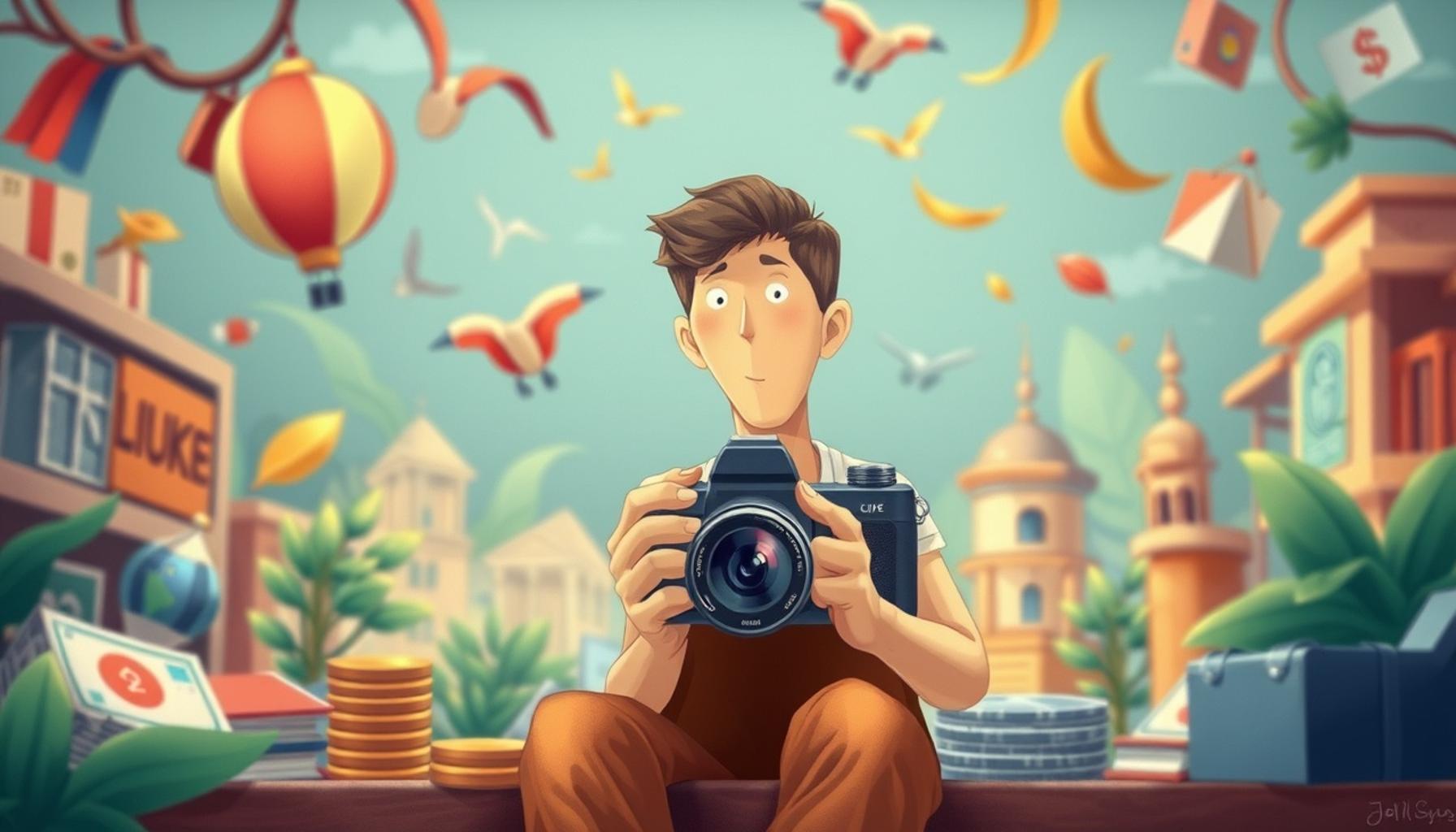
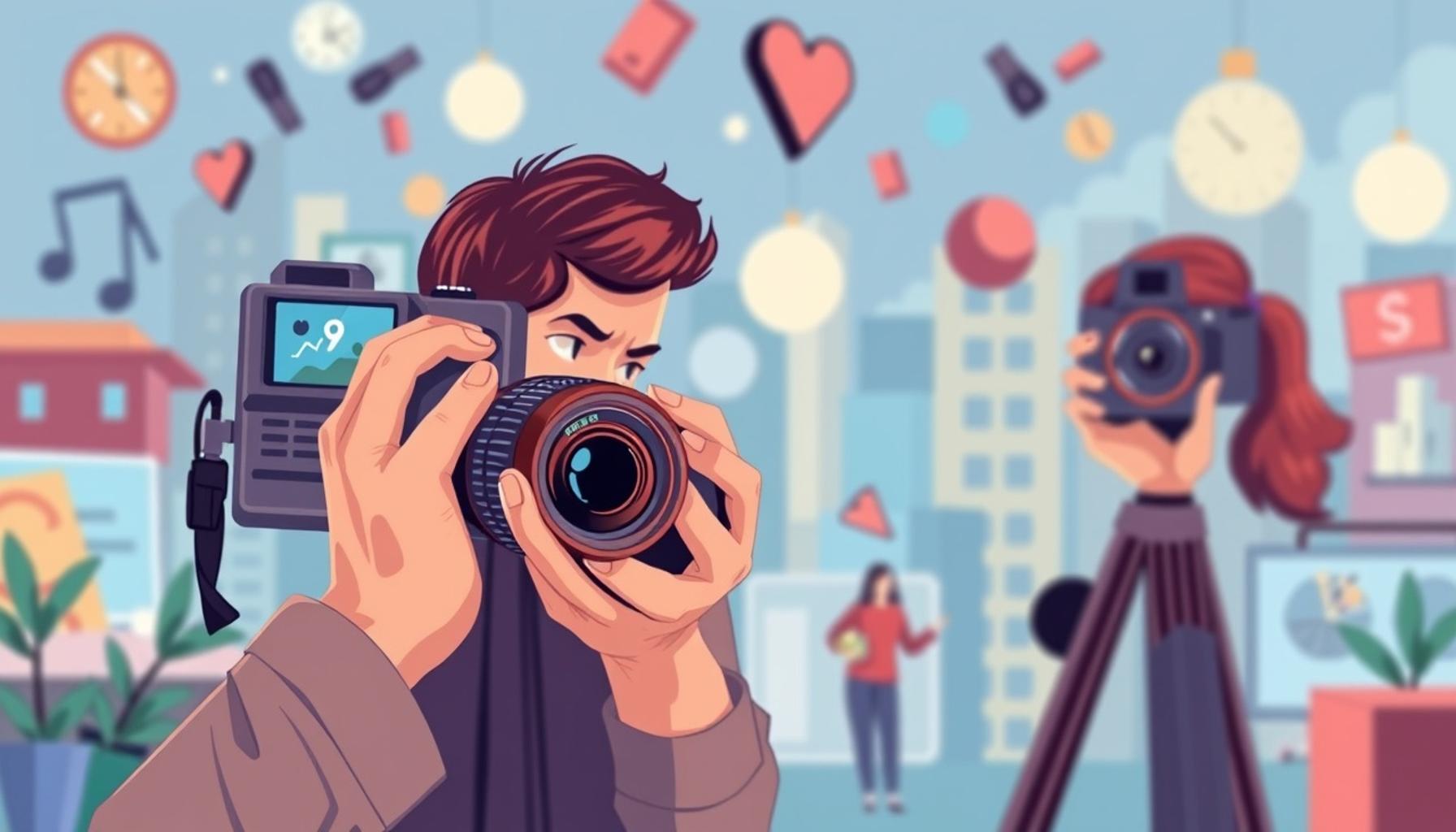
Photography has found itself at the forefront of a transformative wave, revolutionized by technological advances and the ubiquitous presence of social media. Every smartphone now serves as a powerful camera, erasing barriers that once confined photography to professionals. Now, anyone can capture a moment with just a tap of a finger, leading to an unprecedented democratization of this art form.
Accessibility: A New Era of Photographers
The accessibility of photography has skyrocketed due to the increasing availability of smartphones equipped with high-quality cameras. This phenomenon has turned casual observers into avid photographers. According to a report by the Pew Research Center, approximately 85% of Americans own a smartphone, consistent with a global trend toward mobile device usage. This wide accessibility allows people from varying backgrounds and skill levels to engage with photography, taking snapshots of their daily lives, adventures, and milestones with ease. Platforms like TikTok have further popularized photography through short-form videos, inviting even more users to experiment with capturing visuals.
Instant Sharing: Capturing Moments in Real-Time
Gone are the days of waiting weeks to develop film. The advent of social media platforms such as Instagram, Snapchat, and Facebook has enabled instantaneous sharing, allowing users to broadcast their images to a global audience within seconds. This instant feedback loop encourages creativity and experimentation, as users gain immediate reactions to their posts. In fact, brands have capitalized on this trend, leveraging user-generated content in marketing campaigns to foster authenticity and connection with consumers.
Visual Storytelling: The Power of One Image
Today, images are not merely visual artifacts but rather powerful storytelling tools that embody complex emotions and narratives. This shift towards visual storytelling reflects a cultural change where a single photograph can encapsulate an entire experience. For instance, a photo from a social gathering can convey joy, nostalgia, or even heartache, inviting viewers to share that emotional journey. Such an approach enhances engagement and makes photography an essential medium for both personal expression and communication.
Emerging Trends in Photography
As the landscape continues to evolve, several prominent trends are emerging:
- Influencer Culture: Social media influencers have revolutionized both photography styles and equipment marketing. These individuals often showcase specific aesthetics, leading to the rise of trending styles, such as moody filters or vibrant color palettes, that followers aspire to emulate.
- Editing Revolution: With advanced editing tools and apps like Lightroom and VSCO, users can enhance or alter their images to elevate their visual storytelling. This editing revolution raises questions about the authenticity of photographs and what it means for an image to represent reality.
- Community Engagement: Users actively bond over shared photography experiences. The rise in popularity of hashtag challenges allows photographers to showcase their work, compete for recognition, and connect with like-minded creatives. This sense of community fosters inspiration and encourages the growth of individual style.
As we navigate this intricate relationship between photography and social media, it becomes clear that these platforms have shifted not only our perspectives but also the very act of capturing moments. The lines that once separated amateur and professional photography are becoming increasingly blurred, inviting everyone to contribute their unique voice to the vast tapestry of visual culture.
The Evolution of Photography in the Age of Social Media
Photography has found itself at the forefront of a transformative wave, revolutionized by technological advances and the ubiquitous presence of social media. Every smartphone now serves as a powerful camera, erasing barriers that once confined photography to professionals. Now, anyone can capture a moment with just a tap of a finger, leading to an unprecedented democratization of this art form.
Accessibility: A New Era of Photographers
The accessibility of photography has skyrocketed due to the increasing availability of smartphones equipped with high-quality cameras. This phenomenon has turned casual observers into avid photographers. According to a report by the Pew Research Center, approximately 85% of Americans own a smartphone, consistent with a global trend toward mobile device usage. This wide accessibility allows people from varying backgrounds and skill levels to engage with photography, taking snapshots of their daily lives, adventures, and milestones with ease. Platforms like TikTok have further popularized photography through short-form videos, inviting even more users to experiment with capturing visuals.
Instant Sharing: Capturing Moments in Real-Time
Gone are the days of waiting weeks to develop film. The advent of social media platforms such as Instagram, Snapchat, and Facebook has enabled instantaneous sharing, allowing users to broadcast their images to a global audience within seconds. This instant feedback loop encourages creativity and experimentation, as users gain immediate reactions to their posts. In fact, brands have capitalized on this trend, leveraging user-generated content in marketing campaigns to foster authenticity and connection with consumers.
Visual Storytelling: The Power of One Image
Today, images are not merely visual artifacts but rather powerful storytelling tools that embody complex emotions and narratives. This shift towards visual storytelling reflects a cultural change where a single photograph can encapsulate an entire experience. For instance, a photo from a social gathering can convey joy, nostalgia, or even heartache, inviting viewers to share that emotional journey. Such an approach enhances engagement and makes photography an essential medium for both personal expression and communication.
Emerging Trends in Photography
As the landscape continues to evolve, several prominent trends are emerging:
- Influencer Culture: Social media influencers have revolutionized both photography styles and equipment marketing. These individuals often showcase specific aesthetics, leading to the rise of trending styles, such as moody filters or vibrant color palettes, that followers aspire to emulate.
- Editing Revolution: With advanced editing tools and apps like Lightroom and VSCO, users can enhance or alter their images to elevate their visual storytelling. This editing revolution raises questions about the authenticity of photographs and what it means for an image to represent reality.
- Community Engagement: Users actively bond over shared photography experiences. The rise in popularity of hashtag challenges allows photographers to showcase their work, compete for recognition, and connect with like-minded creatives. This sense of community fosters inspiration and encourages the growth of individual style.
As we navigate this intricate relationship between photography and social media, it becomes clear that these platforms have shifted not only our perspectives but also the very act of capturing moments. The lines that once separated amateur and professional photography are becoming increasingly blurred, inviting everyone to contribute their unique voice to the vast tapestry of visual culture.
Capturing the Essence of Every Moment
In the digital landscape of today, the evolution of photography has undergone a profound transformation, particularly amplified by the rise of social media platforms. The art of photography now serves not just as a means of preserving memories, but as a powerful tool for storytelling and personal branding. With smartphones equipped with advanced camera technology, every individual holds the power to create, edit, and share stunning visual narratives instantly. Notably, platforms like Instagram and TikTok have revolutionized how we perceive and engage with photography. Visual content has become the language of social interaction, fostering communities that thrive on shared experiences and creativity. Statistically, it is estimated that around 95 million photos are shared on Instagram daily. This influx has led to a democratization of photography, where influencers and everyday users alike can gain recognition based on the authenticity and creativity of their work. However, this rapid evolution comes with its challenges. The sheer volume of shared images often leads to a saturation of content, making it difficult for emerging photographers to stand out. As viewers scroll through countless posts, maintaining viewer engagement becomes crucial. Understanding composition, lighting, and the emotional impact of a photograph is more critical than ever for those wishing to make their mark in this competitive environment.The integration of social media has not only changed the way images are captured and shared but has also influenced cultural trends and expectations about photography itself. Today’s consumers not only crave visually appealing content but also seek out experiences that resonate with their values and aesthetics. This demands a deeper understanding of visual storytelling techniques, which can inspire individuals to delve into photography more seriously, fostering a community that encourages artistic innovation.To further explore the intricate layers of this intersection between social media and photography, consider the latest trends such as mobile photography festivals and the impact of filters on public perception. As we continue to navigate this digital era, the fusion of technology with artistic expression will undoubtedly shape the future of photography in ways we have yet to fully comprehend.
Transforming Narratives: The Role of Social Media in Photography
The metamorphosis of photography in the age of social media has also shaped our understanding of influence and representation. With every swipe and scroll, users are exposed to a cacophony of styles, perspectives, and themes, making the visual narrative richer but also more complex. In an era where images often captivate audiences before words do, this visual language is evolving, encapsulating social messages and cultural shifts.
The Commercialization of Photography
As social media blurs the line between personal and professional photography, commercial enterprises have recognized the power of visuals in brand storytelling. 87% of marketers now use visual content as part of their digital marketing strategy, underlining the dire importance of photography and imagery in consumer engagement. Businesses are no longer just competing for attention with effective language but must also invest in striking visuals that resonate with their audience’s values and desires.
The Impact of Algorithmic Filters
Interestingly, social media platforms are not just hosting content; they are actively shaping the kind of images we see. Algorithms prioritize certain content types, often favoring polished, aesthetically pleasing visuals over candid snapshots. This practice promotes a narrow interpretation of beauty and quality, leading to a culture where curated feeds often eclipse authenticity. According to a study by Hootsuite, image-based posts receive 94% more views than text-based posts, compelling users to adopt trends dictated by the algorithm rather than fostering individuality.
Challenges of Authenticity
With the rise of digital filters and editing apps comes a challenge to photography’s authenticity. The manipulation of images raises questions about the representations of reality in social media. The hashtag #nofilter has gained traction, revealing a desire for unretouched authenticity amid a sea of heavily edited images. As highlighted in a survey conducted by Adobe, 61% of respondents believe that photo manipulation epitomizes unrealistic standards, leading to discussions around body image and self-perception among young users. This growing awareness has sparked a movement advocating for raw imagery and transparency in photography.
Visual Activism: Photos that Propel Change
Beyond lifestyle photography, social media has emerged as a stage for visual activism. Photographers are using their platforms to address social and political issues, leveraging the power of imagery to mobilize support and promote awareness. Movements like Black Lives Matter and climate strikes have effectively utilized social media to amplify their message through evocative visuals, transforming photos into calls to action. In fact, a study by Variety Insights indicates that content tagged with specific social movements sees a 50% increase in engagement, highlighting how photography can serve as a catalyst for societal change.
The Future of Photography in a Digital Landscape
As we look ahead, the evolution of photography in the age of social media seems bound to continue shaping our visual culture. Innovations such as augmented reality (AR) filters and 360-degree photography are on the rise, offering new ways to capture and share experiences. Additionally, social media platforms are set to become even more integrated with emerging technology, potentially leading to new forms of visual storytelling that blend reality with digital enhancement. As these changes unfold, the ongoing interplay between accessibility, influence, and authenticity will be crucial in defining the future landscape of photography.
Conclusion: The Multifaceted Future of Photography
The journey of photography in the age of social media is an intriguing reflection of both technological advancement and societal shifts. As visual storytelling continues to flourish, we witness a stronger emphasis on the interplay between creativity, commercial strategy, and personal expression. The rise of platforms like Instagram and TikTok has transformed ordinary individuals into powerful visual narrators, enabling a democratization of photography that was previously unimaginable.
However, this evolution doesn’t come without challenges. The tension between curated perfection and genuine authenticity serves as a vital point of discussion among users and creators alike. The demand for visually appealing content propelled by complex algorithms has the potential to stifle individuality while simultaneously opening doors for new forms of artistic expression. As evidenced by the growing trend of visual activism, the capability of photographs to influence movements and propel social change cannot be overstated.
Looking to the future, innovations such as augmented reality and interactive formats promise to reshape the photographic landscape further. It is essential for creators, marketers, and consumers to navigate this dynamic environment, finding ways to balance aesthetic appeal with authenticity. Ultimately, photography is more than capturing moments; it is about sharing experiences and fostering connections in a rapidly shifting digital world. Engaging with these themes will be crucial for anyone interested in understanding the profound impact of photography in the age of social media.