Menu

The Art of Writing: How to Transform Emotions into Words

Explore the transformative power of emotive writing, where words become vessels for deep feelings. Discover key techniques such as vivid imagery, character development, and emotional arcs that enhance storytelling. Mastering these elements fosters empathy and connection, allowing writers to effectively engage readers in shared human experiences.

Exploring New Styles: The Influence of Social Media on Contemporary Poetry

Social media revolutionizes contemporary poetry by enhancing accessibility, fostering community engagement, and amplifying diverse voices. This digital landscape encourages innovative styles, such as micro-poetry and visual poetry, enriching the poetic experience and enabling direct interactions between poets and their audiences, transforming how poetry is created and consumed.

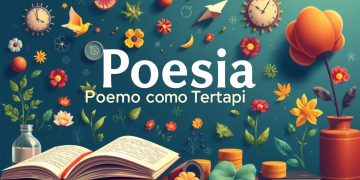
Poetry as Therapy: The Power of Creative Writing for Mental Health

Creative writing, particularly poetry, is increasingly recognized as a powerful therapeutic tool for mental health. Its benefits include emotional release, self-reflection, and stress reduction. As therapy practices evolve, combining poetry with traditional treatment fosters resilience, enhances self-expression, and cultivates community—a profound path to healing and emotional well-being.


The Role of Poetry in Building Communities: Connecting People Through Writing

Poetry plays a vital role in building communities by fostering connection and understanding through shared emotions and collective narratives. Workshops and events encourage personal expression, empathy, and advocacy, uniting diverse individuals and highlighting social issues. Ultimately, poetry cultivates cultural richness and strengthens community bonds through the transformative power of writing.

The Art of Free Writing: Exploring Boundless Creativity

Free writing is a transformative practice that fosters boundless creativity and self-exploration. By allowing thoughts to flow without judgment, individuals can unlock their authentic voice, enhance writing skills, and discover innovative ideas. This unstructured approach encourages emotional processing and problem-solving, making it a valuable tool for writers and creatives alike.

Writing to Free: The Role of Poetry in the Expression of Marginalized Identities

This article explores the transformative power of poetry as a tool for self-expression among marginalized identities. Through cultural narratives, emotional connections, and social activism, poetry enables underrepresented voices to reclaim their stories and foster community solidarity, ultimately challenging societal norms and promoting healing and empowerment.

The Power of Words: How Poetry Can Inspire Personal and Social Change

Poetry harnesses the power of words to inspire personal transformation and social change. Through emotional expression and shared narratives, it fosters healing, ignites activism, and bridges cultural divides. By amplifying diverse voices, poetry encourages critical dialogue, empowering communities to confront injustice and advocate for a more equitable world.

Poetry as a Tool for Self-Discovery: Exploring Identity Through Writing

Poetry serves as a powerful tool for self-discovery, enabling individuals to explore their identities and emotions. Through introspective writing, it fosters personal expression, challenges societal norms, and promotes healing. By connecting personal narratives with universal themes, poetry encourages deeper understanding and fosters community among diverse voices.

Poetry and Music: The Synergy Between Lyrics and Melodies in Creative Expression

Explore the deep connection between poetry and music, where lyrics and melodies intertwine to convey emotions and tell stories. This creative synergy not only enriches individual artistic expression but also fosters cultural understanding, revealing the timeless relevance of both forms in the human experience.

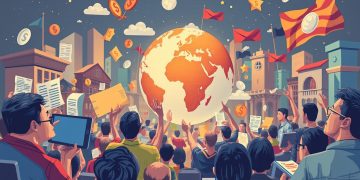
Writing for the World: The Influence of Poetry on Social Movements

The article explores how poetry serves as a powerful catalyst for social movements, capturing the emotional struggles and aspirations of marginalized communities. Through historical and contemporary examples, it highlights poetry's role in inspiring activism, fostering solidarity, and challenging societal norms, ultimately shaping the landscape of social justice.