Cooking with Kids: Fun and Educational Recipes
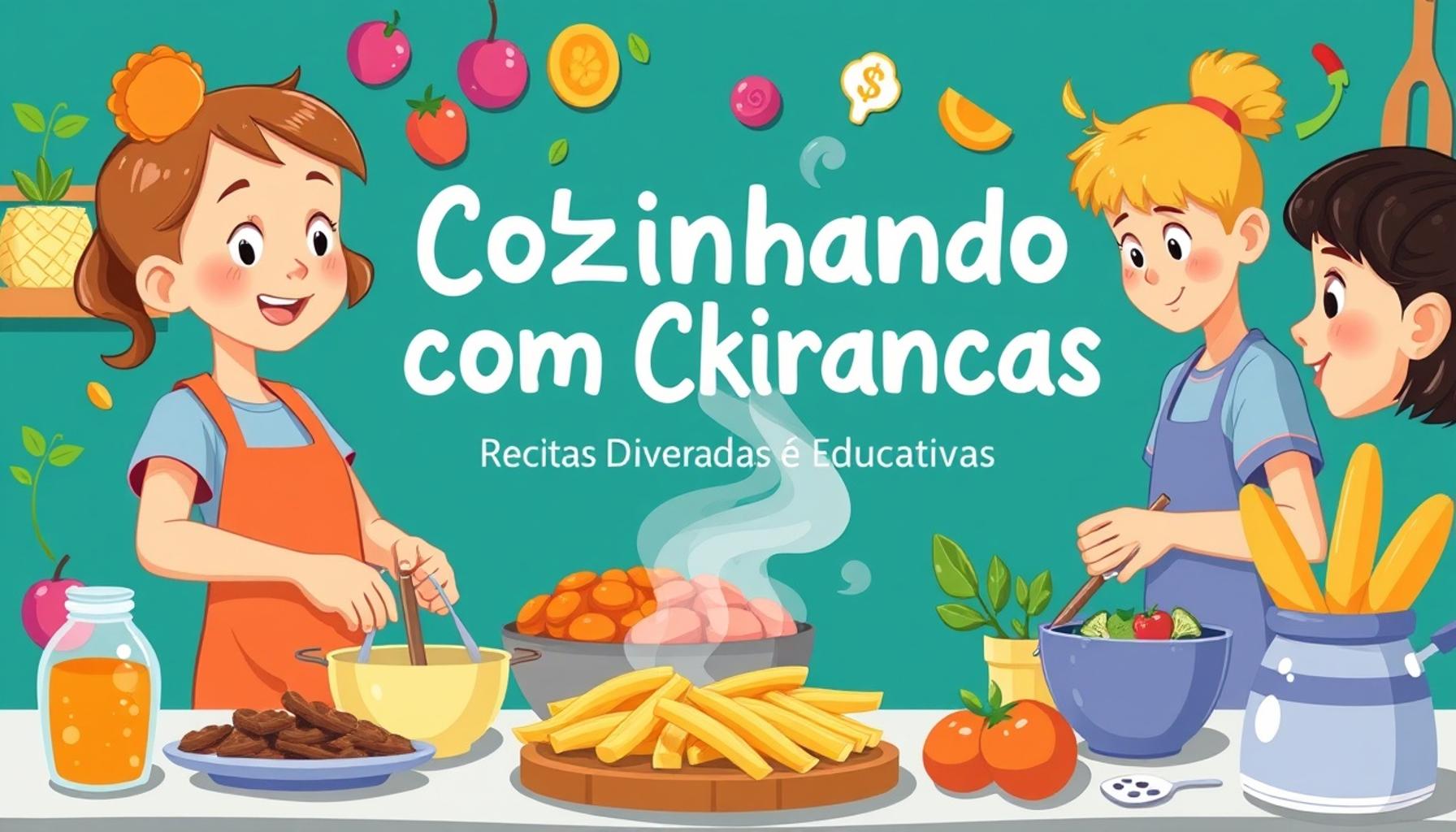
Discover the Joy of Cooking with Kids
Engaging children in the kitchen can be a delightful and enriching experience. Not only does it create lasting memories, but it also introduces them to the fundamentals of cooking. Families across the United States are embracing this trend, recognizing its educational benefits and the joy it brings to mealtimes.
Why Cook with Kids?
- Life Skills: Cooking teaches kids important life skills, such as measuring ingredients, following instructions, and even budgeting when shopping for groceries. For instance, while making cookies, children can practice measuring flour and sugar, providing a hands-on approach to learning about volumes and proportions.
- Nutrition Awareness: Involving children in food preparation promotes awareness of healthy eating habits. By discussing the nutritional value of foods while cooking, children learn to appreciate fruits, vegetables, and whole grains. You might even introduce them to seasonal produce, igniting a curiosity about local farming practices.
- Creativity: Cooking encourages kids to express their creativity through food, allowing for fun experimentation. From designing their own pizza to constructing unique desserts, children can play with colors, shapes, and flavors. Engaging in these creative processes also boosts their confidence in making food choices.
Each recipe can transform into a learning opportunity. For example, when measuring ingredients, a child might learn about fractions and ratios. Discussing the interactions of baking soda and vinegar introduces basic chemistry, while the different cooking methods—like sautéing versus steaming—can lead to fascinating conversations about heat transfer and food safety. The kitchen is indeed a fantastic classroom. Furthermore, cooking together fosters teamwork, enhances problem-solving skills, and improves communication abilities as families discuss their ideas and preferences.
Engaging Recipes to Try
Looking for fun and educational recipes? Here are some ideas to spark imagination while learning:
- Homemade Pizza: Let kids choose their toppings—pepperoni, mushrooms, or bell peppers—and learn about food origins. This activity can also include a discussion about food sustainability, encouraging them to think about where their food comes from.
- Colorful Fruit Salad: A great way to teach about different fruits and their nutritional values. Challenge your kids to select a rainbow of fruits, prompting discussions about vitamins and minerals each color provides, making learning both tasty and visually appealing.
- DIY Tacos: Assembling tacos allows children to learn about different cuisines and the cultural significance of food. You could explore how tacos originated from Mexican tradition and then allow children to innovate with their combinations, such as adding unexpected toppings or trying out various sauces.
Join the journey into the world of cooking, where every meal becomes an adventure and every ingredient holds a story waiting to be shared. By involving children in the kitchen, parents can cultivate healthy relationships with food, instilling confidence in their cooking skills and fostering a lifelong appreciation for culinary arts.
Transforming Cooking into a Learning Adventure
Cooking with kids opens the door to a world of learning that extends far beyond the kitchen. Engaging children in the culinary arts cultivates a sense of curiosity about their meals, encourages healthy eating habits, and builds essential skills they will carry into adulthood. Research suggests that interactive cooking experiences can enhance children’s nutrition knowledge and improve their overall food preferences. This hands-on method encourages them to become more mindful eaters while making the entire cooking process an enjoyable family affair.
Educational Benefits Beyond the Recipe
The benefits of cooking with children are profound and multi-faceted. Each recipe encourages various aspects of education, from mathematics to environmental science. Here’s a closer look at some of the remarkable ways cooking can serve as a powerful educational tool:
- Mathematics: Simple tasks like measuring ingredients introduce children to concepts of volume, weight, and proportionality. Recipes often require conversions, which can create an opportunity to explore fractions and calculations in a practical setting. For example, halving a recipe can become a fun math lesson!
- Science: Cooking is essentially a form of applied chemistry. Discussions around ingredients—such as how yeast makes bread rise or how sugar caramelizes—reinforce scientific concepts. Kids can learn about chemical reactions and the changes that occur during cooking, transforming a simple baking project into an exciting scientific experiment.
- Language and Literacy: Reading recipes builds literacy skills. Children learn new vocabulary, comprehend instructions, and explore the culinary nuances of different cuisines. This can also open the dialogue about cultural diversity, enhancing their global awareness while they cook!
- Fine Motor Skills: From chopping vegetables to whisking batter, cooking involves various hand movements that strengthen fine motor skills and hand-eye coordination. These skills are critical for young children’s development and can enhance their performance in school.
Moreover, cooking together fosters a bond between parents and children, making it an ideal activity to enhance communication skills. Discussing options for dinner or deciding on cookie flavors engages kids in dialogue and helps them articulate preferences, needs, and creativity. The kitchen becomes a safe space for families to connect, share stories, and collaborate in a fun and engaging environment.
Inspiring Recipes to Get Started
Now that you’re aware of the educational benefits, why not dive right into some fun and educational recipes that will captivate the whole family? Here are a few ideas:
- Veggie Quesadillas: This recipe encourages kids to explore different vegetables while learning about cooking techniques. Discuss the vitamins found in each veggie as they help prepare a delicious dish bursting with color and flavor.
- DIY Pancakes: Encourage creativity by allowing kids to add their favorite ingredients like blueberries, chocolate chips, or nuts. This can also be a gateway to talk about breakfast nutrition and how different foods fuel the body.
- Creative Spaghetti: Let children create their very own pasta sauce using a variety of herbs, spices, and vegetables. Discuss the flavor profiles and origins of the ingredients used, further igniting their culinary curiosity.
As you embark on this culinary adventure, remember that each dish prepared together can teach valuable lessons while fostering a lifelong passion for cooking. So roll up your sleeves, don your aprons, and let the cooking journey begin!
| Advantage | Description |
|---|---|
| Fosters Creativity | Cooking with kids encourages them to explore their imagination through ingredient selection and recipe modifications. |
| Enhances Learning | Recipes involve math, science, and literacy, making cooking an engaging way to reinforce educational concepts. |
Engaging children in the kitchen not only provides them with valuable skills but also offers numerous cognitive benefits. Recipes can be a gateway to teaching fractions when measuring ingredients, exploring chemical reactions in baking, or even nurturing reading skills by following instructions.Moreover, the act of cooking together allows for bonding and enhances a child’s sense of responsibility as they understand the importance of preparing meals and contributing to the family. Through these activities, kids also develop a greater appreciation for food, potentially leading to healthier eating habits in the future. By integrating play with nutrition education, kids will be more excited to try new foods and flavors, fostering a lifelong interest in cooking and healthy eating. This unique approach not only makes meal prep fun but educational, thereby creating a memorable and enriching experience that families can treasure together.
Building Lifelong Skills Through Cooking
The engaging process of cooking with kids not only provides a fun activity but also serves as a platform for them to acquire essential life skills. From time management to teamwork, cooking fosters a variety of abilities that will benefit children well into their adulthood. Cooking teaches kids how to follow directions, manage tasks, and even take initiative in the kitchen. These skills can translate to their schoolwork and future careers, promoting a sense of responsibility and independence.
Time Management and Organization
Cooking requires planning and organization, which can significantly enhance a child’s time management skills. As you prepare a meal, children will learn the importance of gathering ingredients, measuring out portions, and ensuring everything is executed in a timely manner. They can create a simple timeline for meal preparation, which can help them understand how to prioritize tasks. For instance, chopping vegetables might need to happen before boiling pasta, illustrating the sequential steps involved in cooking. Such organized approaches teach kids not only the art of culinary timing but also how to apply these principles in their daily lives.
Encouraging Creativity and Problem-Solving
Cooking also serves as an expression of creativity. While following a recipe is important, children can experiment with ingredients to create unique dishes. Encourage them to substitute certain items based on personal preferences or dietary requirements, fostering an innovative mindset. For example, if a recipe calls for zucchini but the child prefers carrots, discuss how they can make that swap without losing taste. This process invites problem-solving discussions, as children learn how different flavors and textures work together, enhancing both critical thinking and adaptability.
Promoting Healthy Choices
In an era where fast-food culture predominates, cooking with kids presents an opportunity to instill healthy eating habits. When kids participate in meal preparation, they develop a better understanding of nutrition and the benefits of wholesome ingredients. As they engage in cooking, introduce discussions about the food pyramid and the importance of balancing different food groups. Highlighting the significance of fresh fruits and vegetables can empower kids to make healthier choices outside the kitchen. Studies show that children who are actively involved in cooking often develop a preference for fruits and vegetables, thus reducing picky eating tendencies and promoting a balanced diet.
Fun and Interactive Recipe Ideas
Here are more fun recipes that can inspire curiosity and education in the kitchen:
- Fruit Kabobs: Kids can choose their favorite fruits, learn about colors, and even discuss the health benefits of each. This bright and colorful activity is a perfect way to teach about portion sizes while making healthy snacking enjoyable.
- Simple Sushi Rolls: Let children explore various fillings using fresh ingredients like cucumber, avocado, and crab sticks. This hands-on approach not only develops manual dexterity but also opens up discussions about different cultures and cuisines.
- Mini Pizzas: Allow kids to take control of their toppings while learning about moderation and portion control. Discuss nutritional aspects of cheese, sauces, and various toppings, engaging them in healthy eating dialogues.
With every recipe chosen, children can construct memories alongside newfound knowledge and skills in the kitchen. The learning experience becomes more dynamic when they have the freedom to express their preferences and creativity, making the culinary journey not just about food, but about personal growth and development as well.
Conclusion
Incorporating cooking activities into family life is a rewarding endeavor that extends far beyond simply preparing meals. Cooking with kids not only transforms the kitchen into a hub of creativity and teamwork, but it also opens doors to crucial life lessons that are invaluable in their overall development. As they measure, chop, and mix their way through delightful recipes, they learn essential skills that include time management, organization, and decision-making.
Furthermore, cooking fosters a unique space where children can explore and embrace their creativity, providing them with the freedom to express personal tastes and preferences. The simple act of substituting ingredients allows them to think critically and adapt, skills that are beneficial in educational settings and beyond. Emphasizing healthy choices while cooking reinforces the importance of nutrition, ultimately shaping their attitudes towards food and wellness.
The journey through culinary exploration can be exhilarating, but it is also a fantastic opportunity for children to forge memories and build confidence. Each recipe can spark curiosity about different cultures, ingredients, and cooking techniques, encouraging a lifelong love for gastronomy that can last well into adulthood. As families gather around the kitchen, they create a nurturing environment where learning becomes deliciously fun.
With resources, creativity, and enthusiasm, engaging in fun and educational recipes is a productive way for families to bond while richly investing in their children’s future. Embrace the joy of cooking together and watch as your children thrive both in and out of the kitchen.