Dance and Mental Health: Exploring How Music and Movement Contribute to Emotional Well-Being

The Transformative Power of Dance
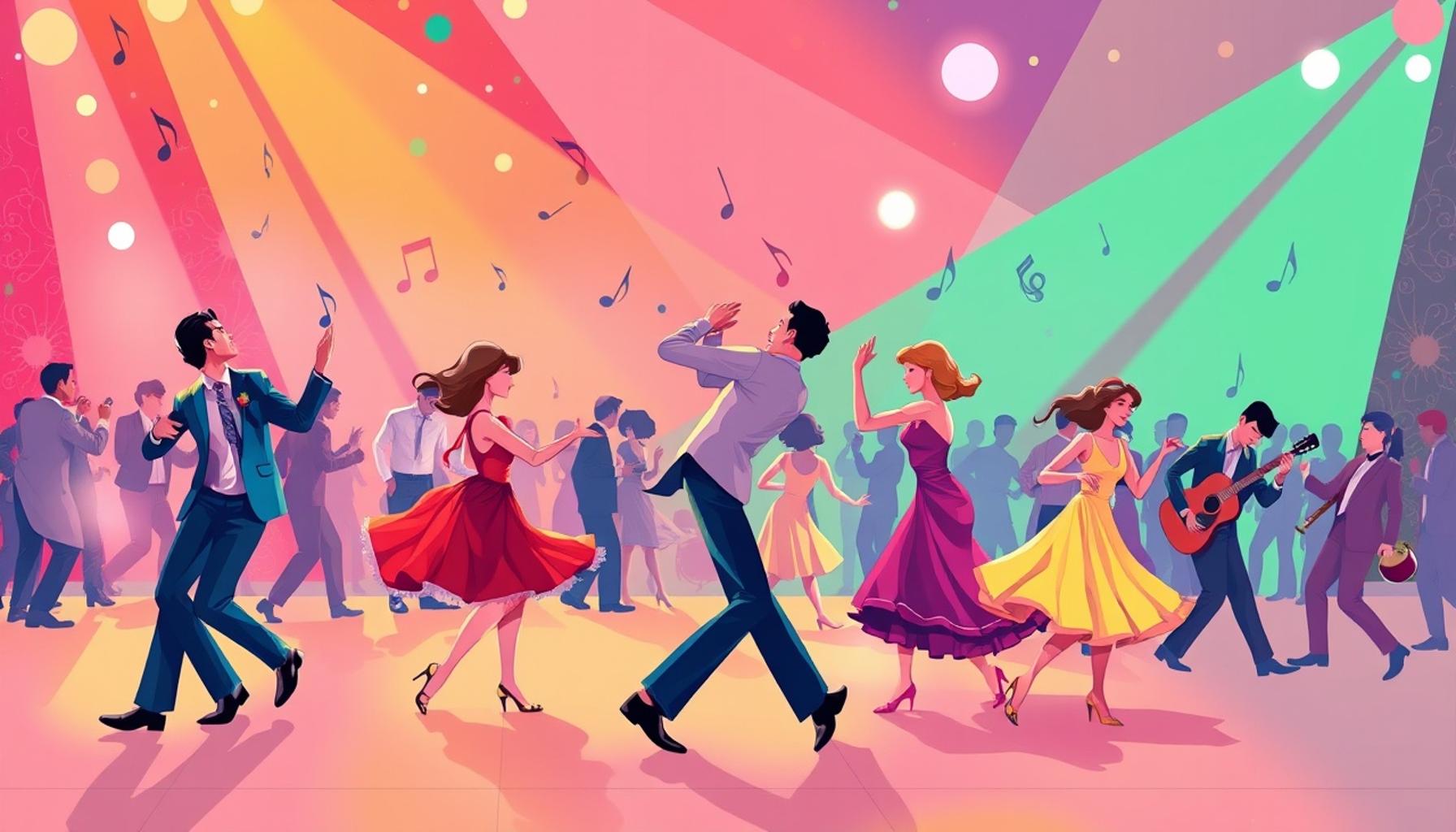
Movement has an extraordinary ability to connect us not just physically but emotionally. Dance serves as a powerful tool for enhancing mental health, bridging the gap between body and mind. Recent studies reveal fascinating insights into how rhythm and motion affect our emotional state.
Engagement in dance can lead to profound psychological benefits that have garnered attention across the United States. For instance, various forms of dance—from ballet to hip-hop—offer individuals unique methods of expression and healing. One of the most significant benefits of dancing is stress reduction. Studies indicate that physical activity triggers the body’s natural relaxation response, which can alleviate anxiety and promote relaxation. This effect is particularly valuable in today’s fast-paced society, where stress levels often run high.
Along with stress reduction, dance is known to elevate one’s mood. As individuals engage in rhythmic movement, their brains release endorphins, commonly known as the body’s natural “feel-good” hormones. This biochemical boost contributes to increased feelings of happiness and contentment. For example, social dance classes in urban areas, such as salsa or swing, often leave participants with both a sense of joy and renewed energy.
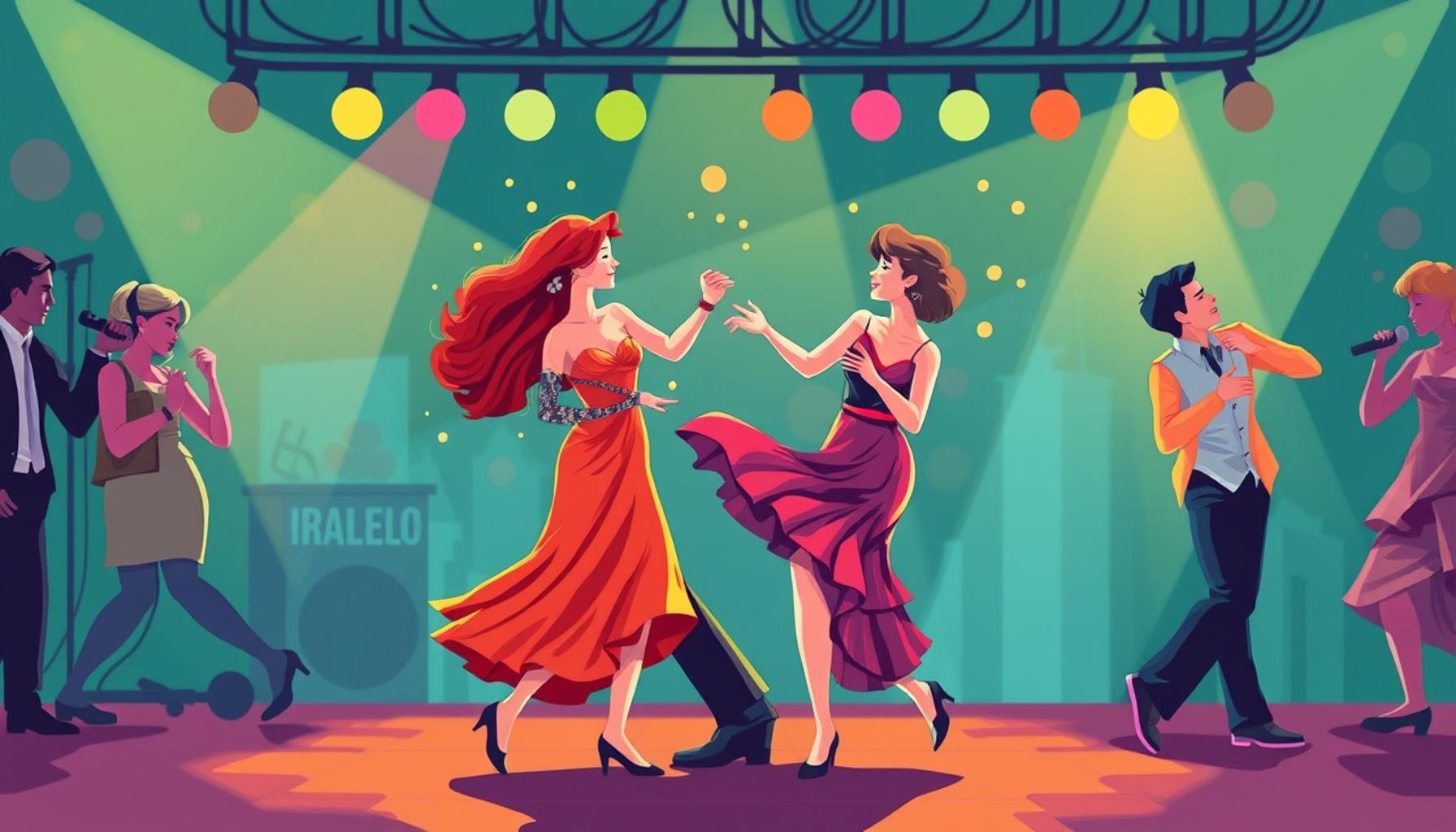
Moreover, dance fosters social connection. Whether in a formal dance class or an informal gathering, participants often build relationships through shared experiences on the dance floor. Research suggests that such connections can lead to improved social skills, creating a support network that is essential for emotional well-being. In this context, dance serves not only as a physical activity but as a means of cultivating a sense of community and belonging.
Recognizing the mental health benefits of dance, a growing number of programs across the United States are exploring its potential through dance therapy. This innovative approach is being utilized to address various challenges, such as emotional trauma, by providing a safe space for individuals to express their feelings through movement. Dance therapy can enhance self-esteem as participants discover new movements and abilities, empowering them in ways that verbal therapy may not always achieve. Furthermore, it combats feelings of loneliness or isolation, particularly in populations like the elderly or those with disabilities, by offering a way to connect with others in a meaningful and engaging manner.
As we delve deeper into this exploration, we will uncover how music and movement create a unique synergy that nurtures emotional well-being. The next section will provide insights into different types of dance that have been studied for their mental health benefits, as well as testimonials from individuals whose lives have been changed by engaging in this captivating form of expression. Join us in discovering the transformative power of dance and its profound impact on mental health.
Dancing Through Diversity: The Styles That Heal
When it comes to dance, the myriad of styles available allows individuals to explore various forms of movement, each carrying its unique emotional benefits. Understanding the connection between dance and mental health involves not only the physical aspect but also the individual’s emotional journey through different rhythms and expressions. Below are some popular forms of dance and their specific contributions to emotional well-being:
- Ballet: Known for its grace and discipline, ballet encourages precision and focus. It can help individuals build confidence and self-discipline, serving as an outlet for expressing deep emotions through storytelling.
- Hip-Hop: This energetic and expressive genre allows individuals to connect with their inner creativity. Hip-hop often serves as a channel for expressing frustrations and experiences, empowering dancers to process feelings in a vibrant and socially engaging environment.
- Latin Dance: Styles such as salsa or tango offer not only physical exercise but also social interaction, enhancing feelings of connection and belonging. The rhythm and sensuality involved in Latin dance can boost mood and confidence.
- Contemporary Dance: This form encourages free expression and exploration of emotions, making it suitable for individuals seeking to process their feelings in a fluid and unrestricted manner. Participants often report a sense of liberation after engaging in contemporary dance.
These diverse dance styles foster a space where individuals can explore their emotions through movement. In dance therapy sessions, trained therapists utilize these styles to help individuals confront and process challenging emotions, ultimately contributing to enhanced mental health outcomes.
Scientific research further supports these findings. For instance, a study conducted by the American Journal of Public Health found that engaging in dance, whether socially or as part of a structured program, significantly reduces symptoms of depression and anxiety. Participants reported improvements not only in their moods but also in their overall outlook on life. In addition to boosting emotional health, dance has been linked to improved cognitive functioning, particularly in older adults.
Moreover, understanding the importance of music in the realm of dance adds another layer to this exploration. The relationship between music and movement is profound, as the tempo and melody often dictate the pace and style of dance. As individuals move in synchrony with music, they can experience a release of stress and anxiety, creating a deeper connection to their bodies and emotions. This transformative alliance between sound and movement is one of the key elements in harnessing the benefits of dance for mental health.
As we continue to dive deeper into the subject, we will highlight real-life narratives from individuals who have experienced the life-changing effects of dance. Their testimonials will shed light on how music and movement work hand in hand to uplift the spirit and stimulate emotional well-being.
| Benefits of Dance | Emotional Well-Being Connection |
|---|---|
| Physical Exercise | Stimulates the release of endorphins, enhancing mood and reducing stress. |
| Social Interaction | Fosters connections with others, combating feelings of isolation and loneliness. |
| Creative Expression | Provides an outlet for externalizing emotions, leading to a clearer understanding of oneself. |
| Stress Relief | Engagement in rhythmic movement can significantly lower anxiety levels. |
| Joy and Enjoyment | Critical in enhancing overall life satisfaction, making dance a pleasurable activity. |
The *multi-faceted advantages* of dance extend beyond physical fitness to encompass critical psychological benefits. For example, when individuals engage in dance, they often experience a sense of euphoria, attributed primarily to the release of endorphins, which help in maintaining emotional stability. Moreover, *dance* serves as a meaningful form of social interaction, allowing individuals to connect and communicate, which is essential for mental health. Furthermore, the creative nature of dance promotes *self-expression*, allowing individuals to articulate emotions often difficult to express verbally. As movements synchronize with music, the body becomes a canvas for both *emotional release* and *interpretation*, leading to deeper self-awareness. Stress relief should also be highlighted, as the rhythmic patterns and repetitive movements can decrease anxiety and promote relaxation effectively. This engaging activity can significantly improve life satisfaction, making it a joy-inducing pursuit that aligns the mind, body, and spirit in a cohesive manner.
Movement as Medicine: The Therapeutic Benefits of Dance
Diving deeper into the intersection of dance and mental health, research also illuminates how dance serves as a form of therapy. Dance therapy is increasingly recognized as a beneficial approach for various mental health conditions, such as PTSD, anxiety disorders, and depression. In this therapeutic context, movement becomes a non-verbal means of communication, allowing individuals to express what may be difficult to articulate in words. Dance therapists utilize a combination of structured and improvisational movement to help clients explore their emotions, uncover suppressed feelings, and ultimately achieve emotional healing.
One of the compelling elements of dance therapy is its adaptability. For instance, a study published in the American Journal of Dance Therapy highlighted how tailor-made dance interventions can positively impact individuals recovering from trauma. By allowing clients to experience the joy of movement within a safe space, therapists can guide them in processing painful memories and fostering resilience. This shift from merely recounting trauma to embodying emotions can lead to transformative healing experiences.
The Science Behind Dance and Emotional Regulation
Researchers have found that engaging in regular dance activities can enhance emotional regulation. A systematic review in the journal Health Psychology Review indicated that dance promotes the release of endorphins, the body’s natural mood lifters. Additionally, dancing can elevate serotonin levels, which play a crucial role in regulating mood and alleviating symptoms of depression. This biochemical response underscores how movement combined with rhythm and melody can act as a natural antidote to emotional distress.
- Improved Body Image: Many dancers report enhanced self-esteem and body image through their practice. Engaging in dance encourages an appreciation of one’s body and its capabilities, promoting a positive self-image that translates to improved mental health.
- Social Connection: Dance is inherently social. Whether participating in a group class or performing with partners, the social interactions fostered by dance can help combat feelings of isolation. Studies have shown that building connections within a dance community can significantly enhance one’s sense of belonging and reduce feelings of loneliness.
- Mindfulness and Presence: Dance emphasizes being present in the moment. Engaging with music and movement allows dancers to cultivate mindfulness, a practice linked to reduced anxiety and enhanced emotional resilience. This deep presence in movement can lead to a meditative state that further promotes mental clarity and well-being.
Exploring personal stories, many individuals have shared how dance has been a lifeline during challenging times. For instance, a 25-year-old New York dancer revealed that after struggling with anxiety, she found solace in weekly ballroom dance sessions. The rhythm and connection with her partner helped her navigate her emotions safely and joyfully. These personal testimonies serve to highlight the real-world applications of dance as a tool for enhancing emotional well-being.
As this conversation around dance and mental health continues to evolve, a growing number of community programs and workshops focus on integrating dance as a form of therapy. Cities across the United States are embracing this movement to make dance more accessible, providing opportunities for individuals to experience the countless benefits of music and movement as essential elements of harmonious mental health.
Embracing Dance for Mental Health
In conclusion, the intricate relationship between dance and mental health underscores the potential of music and movement as powerful tools for enhancing emotional well-being. As explored throughout this article, dance not only serves as a creative outlet but also acts as a therapeutic modality that can facilitate healing from trauma, anxiety, and depression. The ability of dance to enable non-verbal expression allows individuals to navigate complex emotions, providing a unique path toward self-discovery and recovery.
Furthermore, evidence indicates that dance contributes to mindfulness and social connectivity, elements critical in combating loneliness and fostering a sense of belonging. By actively engaging in dance, individuals can enhance their self-esteem and body image, paving the way for a more positive self-view and improved mental health outcomes. Programs promoting dance therapy are popping up across the United States, making these benefits more accessible to diverse communities.
As the dialogue surrounding dance and mental health evolves, it encourages further research and exploration into the myriad ways movement can support emotional resilience. This is a call to action for mental health advocates, healthcare professionals, and community leaders to embrace dance as a legitimate and transformative therapeutic practice. Whether through professional dance therapy or casual social dancing, the invitation is clear: integrating dance into our lives may be the key to unlocking a healthier emotional landscape, proving that the rhythm of life truly can lead to harmony in mind and spirit.