Dance as a Form of Personal Expression: Stories of Transformation and Self-Discovery
The Diverse Impact of Dance on Self-Discovery
Every movement tells a story, and in the realm of dance, those stories can resonate deeply within us. As an art form, dance serves as a vibrant medium for personal expression, allowing individuals to explore their identities and emotions. From ballet and hip-hop to salsa and contemporary, the myriad styles of dance offer unique pathways for transformation. Each style not only has its own set of techniques and history but also provides a distinct invitation for the dancer to delve into their own narrative.
Consider the following ways in which dance contributes to self-discovery:
- Emotional Release: Dance allows individuals to channel their feelings, whether joy, sadness, or anger. For example, the emotive quality of a contemporary piece can facilitate healing, enabling dancers to express and process complex feelings such as grief or anxiety. Many mental health professionals recommend movement therapy, which incorporates dance as a healing modality.
- Cultural Identity: Many dancers find empowerment by embracing their cultural backgrounds through traditional dance forms. Styles such as African dance or Flamenco do not merely serve as performance art; they encapsulate rich historical narratives and communal ties that evoke a sense of pride and belonging for participants. Events like powwows or regional folk festivals in the U.S. exemplify this, allowing dancers to connect deeply with their heritage.
- Community and Belonging: Group classes and performances foster a sense of connection, encouraging individuals to find their tribe. Many dance studios across the country cater to diverse backgrounds and skill levels, creating inclusive environments where dancers can support each other. The popularity of dances like Zumba and line dancing illustrates how shared movement can bridge generational gaps and unite people from different walks of life.
Throughout the United States, stories abound of individuals who have embarked on journeys of transformation through dance. For instance, a young girl may discover her voice and confidence while performing in her school’s annual recital, while an adult may find solace and renewed joy through a local dance therapy class after experiencing trauma. On platforms like social media, these narratives of personal growth and healing have prompted numerous online communities and challenges, such as the viral dance trends on TikTok, which invite users to express themselves through creative movement.
This exploration into the world of dance unveils not merely a series of steps but rather a profound journey toward understanding oneself better. Each dancer contributes a unique perspective and experience, transforming the art form into a tapestry of human emotion and connection. Join us as we dive into inspiring stories of self-discovery that highlight dance’s transformative power, emphasizing how this age-old form of art continues to shape lives in contemporary society. Whether through performance, therapy, or casual involvement in community events, dance remains a catalyst for change and a pathway to deeper self-awareness.
Unlocking the Potential of Dance in Personal Growth
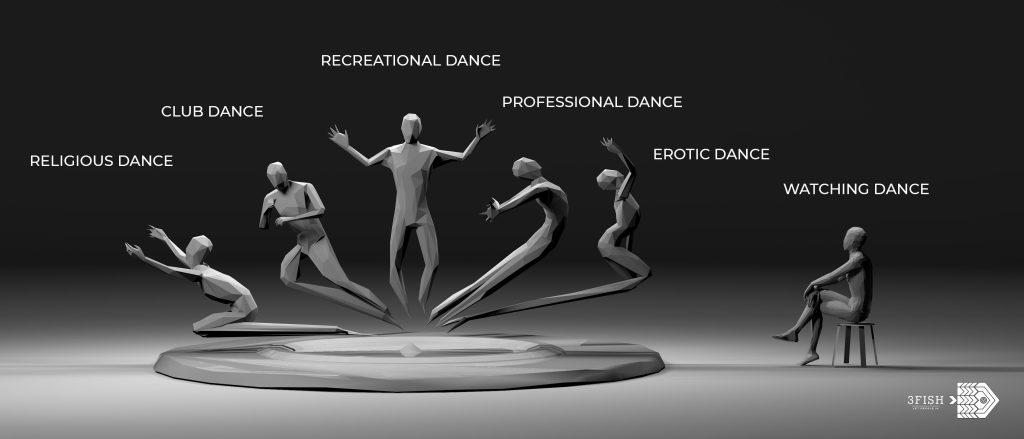
Dance, at its core, is a language without words. It communicates feelings and experiences that often go unspoken, becoming a powerful conduit for self-discovery. For many, dance is not merely a hobby but a vital element in their quest for emotional clarity and identity. As individuals move through space, they embark on an introspective journey, revealing parts of themselves that might otherwise remain hidden.
One significant aspect of how dance facilitates personal expression is through emotional release. The act of dancing allows individuals to confront and process their feelings. In dance therapy, professionals utilize elements of movement to help clients articulate emotions they struggle to verbalize. Research has shown that participation in dance can reduce symptoms of anxiety and depression. In fact, a study published by the American Journal of Dance Therapy found that participants report improved emotional well-being after engaging in structured dance sessions. The act of losing oneself in movement not only lifts spirits but also helps to instill a profound sense of freedom.
Furthermore, cultural identity plays a crucial role in the personal journeys of many dancers. Traditional dance forms—such as Native American dance, Irish jig, or Capoeira—serve as powerful reminders of cultural heritage. These styles enable individuals to connect with their roots, celebrating histories, values, and communal stories. Events like the National Powwow, or local cultural festivals throughout the United States, highlight how such movements honor ancestral traditions while fostering pride among performers. Through these vibrant expressions, dancers reclaim their stories, often finding empowerment in their cultural narratives.
The sense of community and belonging cannot be underestimated when discussing dance’s impact on self-discovery. Dance groups often create welcoming spaces where individuals can freely express themselves without fear of judgment. Community classes, whether they focus on swing dancing, tango, or hip-hop, encourage participants to connect with like-minded peers and cultivate friendships based on shared passions. A notable example can be found in the rise of urban dance groups across American cities, where diversity in age and background becomes a unifying factor. Programs like those offered by the Dance Resource Center in Los Angeles nurture individuals’ talents while fostering communal ties, proving that dance can indeed erase boundaries of age and experience.
Through these various experiences, dance emerges as a potent tool for transformation. The emotional release from expressive movement, the pride in cultural identity, and the bonds formed within a community all contribute to profound personal growth. Personal accounts from dancers often reveal life-altering changes initiated through movement—an introverted teen finding her confidence on stage, or a middle-aged man revitalizing his sense of purpose after taking up ballroom dancing. These narratives speak to the essence of dancing’s transformational power, offering a glimpse into how deeply personal this art form can be.
Stay with us as we dive deeper into remarkable stories of individuals who have forged paths of self-discovery through dance, further unveiling the ways in which this ancient art form continues to resonate within modern society.
Dive Deeper into Dance
Dance transcends mere movement; it serves as a powerful medium for personal expression and catalyzes profound transformation. When individuals immerse themselves in dance, they often encounter challenges that prompt self-discovery. For example, learning a new style can encourage stepping beyond comfort zones, igniting a journey towards self-acceptance and confidence. Each shared experience within a dance community fosters a sense of belonging and understanding, highlights the universal language of movement, and allows individual stories to intertwine.The process of choreography and improvisation plays a crucial role in this journey. By crafting their own sequences, dancers communicate their emotions without the constraints of spoken language. This act of creation can lead to emotional release, healing, and insights into one’s identity. Research shows that such expressive movements can significantly enhance mental well-being and improve overall emotional resilience.Moreover, dance in therapeutic settings emphasizes its role in healing traumatic experiences. Workshops and classes that integrate dance therapy offer participants the chance to connect with their feelings in a non-verbal context, facilitating healing in a supportive environment. The transformative power of dance extends to various forms, from ballet to hip-hop, each allowing individuals to explore and express unique aspects of their identity.Whether it’s a freestyle in a living room or rehearsing for a stage production, every movement holds the potential for enlightenment. Engage with dance as a journey, and discover the rich tapestry of stories woven through the art form.
| Advantage | Description |
|---|---|
| Creative Expression | Dance allows individuals to convey emotions and thoughts through movement, making it a unique form of self-expression. |
| Community Connection | Participating in dance fosters community bonds, providing support and shared understanding among dancers. |
As the world becomes more interconnected, the stories arising from dance resonate on multiple levels, inspiring others on their journeys of transformation. Whether through self-guided exploration or community engagement, the possibilities with dance are boundless and continually evolving.
Transformational Journeys Through Dance
The stories of individuals finding their voice through dance are as varied as the dance styles themselves, showcasing the breadth of its impact on personal transformation and self-discovery. Each narrative serves as a testament to the emotional resonance and the cathartic power of movement. From acclaimed professionals to everyday dancers, these accounts shed light on the ways dance engrains itself into the fabric of individual lives.
Healing through Movement is an often-cited theme in the world of dance. For many, dance becomes a healing balm for past traumas. For instance, survivors of domestic abuse frequently find solace and strength in dance programs designed specifically for trauma recovery. Organizations like Dancing with the Stars: Dance for All aim to provide safe environments where survivors can reclaim their bodies and narratives through creative movement. Participants in these programs report not just an uplifted mood, but often a complete shift in their self-perception, marking a new chapter filled with hope and resilience.
Moreover, the influence of technology on dance as a means of self-discovery cannot be overlooked. With platforms such as TikTok, dancers from all walks of life are able to share their stories, infusing personal struggles and triumphs into choreography. Social media has become a modern stage for individuals to express their unique identities through dance, transforming challenges into engaging performances. Dance challenges or viral trends like the “Renegade” have propelled everyday teenagers to viral stardom, illustrating how a simple dance can empower and inspire millions worldwide.
Competitions also play a pivotal role in shaping individual identities through dance. Dancers who commit to competitions often experience intense growth, not just in their skills but also in their self-esteem. Take the example of competitions hosted by organizations like the Dance Spirit Magazine or events like World of Dance, where dancers hone their craft under pressure. These experiences foster community while challenging individual limits, resulting in newfound confidence. Competitors share stories of overcoming stage fright, learning to take risks, and embracing their unique styles—all through the intense practice and performance of their art.
The intersection of dance and mental health further enriches its role in personal expression. Mental health advocates increasingly recognize the importance of movement in combatting issues like anxiety and depression. Dance therapy is not only utilized in clinical settings; community workshops that integrate movement into mindfulness practices have been gaining traction across the country. For example, groups such as the National Alliance on Mental Illness (NAMI) promote expressive dance classes, emphasizing the connection between physical movement and mental well-being. Participants often report an increase in self-awareness and a decrease in negative thought patterns, signifying just how transformative linking mind and body through dance can be.
These varied accounts underscore the multifaceted nature of dance as a tool for self-discovery. Whether through healing from trauma, the power of social media, the thrill of competition, or integrating movement into mental health advocacy, dance provides an avenue for individuals to confront personal challenges, celebrate their identities, and foster connections with others. Each unique experience contributes to the rich tapestry of dance as an unyielding form of personal expression.
Conclusion: The Everlasting Impact of Dance on Self-Discovery
In conclusion, the vibrant world of dance serves as a profound medium for personal expression, enabling individuals to navigate their unique journeys toward transformation and self-discovery. From the stories of resilience woven through therapeutic dance programs to the accessibility and widespread influence of social media platforms, it is evident that dance transcends mere movement and evolves into a powerful voice for many. The connection between dance and mental health reinforces the notion that expressing oneself through movement can be a crucial part of healing and self-acceptance.
Furthermore, competitions and collaborative experiences foster a sense of community, pushing dancers to confront personal limitations and ultimately thrive. As individuals undertake their respective journeys, they discover that dance not only allows them to express their emotions but also cultivates confidence and creativity. These transformative stories highlight the role of dance in shaping identities and building connections that reach far beyond the dance floor.
Ultimately, as we witness an ongoing evolution in how dance is integrated into our lives, it remains a profound tool for self-exploration and identity formation. Whether through cultural dance forms, modern expression, or innovative technologies, the potential for personal growth through dance continues to inspire future generations. As we celebrate these rich narratives, we invite individuals from all walks of life to explore their own relationships with dance, unearthing the transformative power that lies within.