Dance as a Form of Social Connection: Building Communities Through Movement
Unifying Steps: The Power of Dance in Community Building
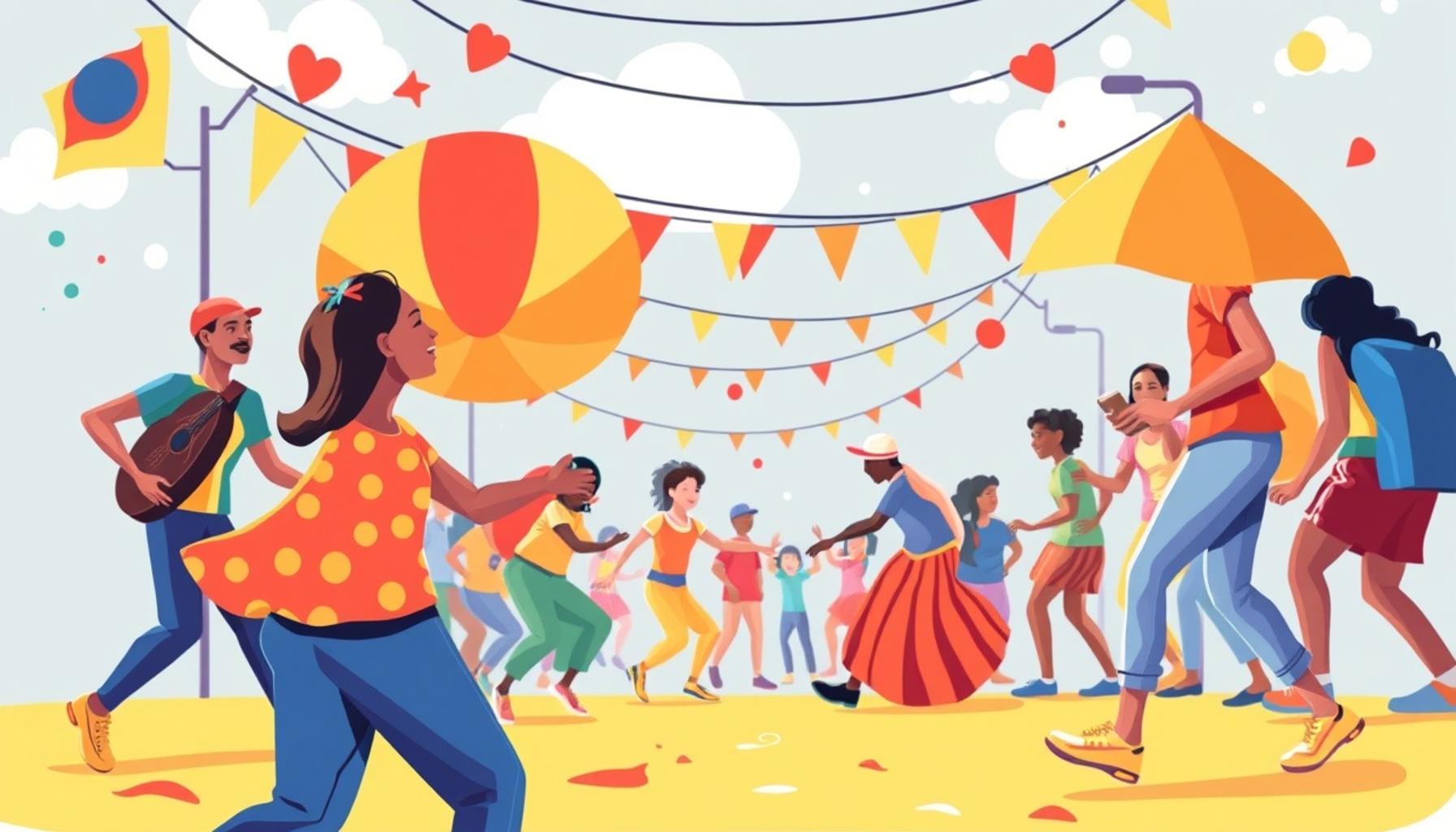
In cities and towns across the United States, the rhythmic beats of music resonate in parks, studios, and living rooms. Dance is more than just an art form; it serves as a powerful tool for social connection. Through movement, individuals come together, forging bonds that transcend cultural and geographical barriers. This communal aspect of dance fosters a sense of belonging, making it a crucial element in diverse community interactions.
Consider the various styles that embody this spirit:
- Salsa: Known for its vibrant and energetic rhythm, salsa brings communities together in urban dance nights, often hosted in local studios, bars, or community centers. Events like “Salsa on the Hudson” in New York City not only provide a platform for salsa enthusiasts but also attract passersby who join in the fun, creating an inclusive atmosphere.
- Line Dancing: Prominent in country music venues, line dancing fosters camaraderie among participants, whether it’s in a saloon in Texas or a community barn dance in Kentucky. The repetitive nature of the steps allows individuals of all skill levels to engage, building friendships through shared laughter and learning.
- Ballet: Known for its emphasis on discipline and grace, ballet often brings together aspiring dancers from various backgrounds. Companies like the Alvin Ailey American Dance Theater highlight the beauty of collaboration, showcasing how this classical form can unite artists and audiences alike, extending beyond traditional art forms.
- Hip-Hop: With its roots in urban culture, hip-hop encourages youth engagement and collaboration. Events like breakdancing competitions and cyphers in cities such as Los Angeles and Chicago empower young people to express their individuality while fostering community ties through shared interests.
These forms of dance do more than entertain; they build lasting relationships. In the process, they help:
- Enhance social skills and emotional wellness: Participating in group dance encourages team dynamics, helping individuals improve their interpersonal communication and self-esteem.
- Promote inclusivity and diversity: Dance styles often blend varying cultural influences, encouraging appreciation for diverse backgrounds and fostering acceptance within communities.
- Strengthen community identity and pride: Local dance events and festivals create spaces where residents can celebrate their heritage and shared stories, enhancing a sense of unity.
Whether in formal settings like classes or informal gatherings, dance allows individuals to share experiences and cultivate friendships. From neighborhood dance-offs to local dance classes, the social fabric of a community is often woven through the shared joy of dance. This article will explore how dance fosters connection and why it remains a cornerstone of community life in America. Are you ready to move with us?
The Dance Floor as a Social Hub
At the heart of every dance gathering lies an unspoken language—a rhythm that resonates with our innate desire for connection. Movement serves not only as a means of expression but also as a catalyst for social interaction. By observing the myriad of dance events across different communities, it becomes evident how this art form acts as a bridging tool, connecting individuals from various walks of life.
Dance is often a communal experience, wherein the act of moving together creates a shared understanding and fosters relationships. From a family wedding dance to a lively street festival, dance establishes a unique bond among participants. Here are several ways dance cultivates social connections:
- Creating Shared Experiences: Whether participants are embracing the familiar moves of a traditional folk dance or learning new steps in a modern class, the camaraderie that emerges from shared experiences fosters lasting relationships. People find joy in learning together, and this creates memories that anchor connection.
- Encouraging Collaboration: Group dance classes encourage individuals to partner up or form teams, which implement cooperative learning strategies. This collaboration hones interpersonal skills as participants must communicate non-verbally and adjust their movements in relation to one another.
- Fostering Cultural Exchange: Different dance styles often reflect rich cultural histories. Dance workshops and multicultural events invite participants to explore foreign rhythms and techniques, promoting an appreciation for diverse backgrounds. Events like the annual International Folk Dance Festival highlight these exchanges, where communities come together to learn and celebrate difference through movement.
The benefits of engaging in dance extend beyond personal enjoyment; they encompass broader social implications. According to research conducted by the National Endowment for the Arts, individuals regularly participating in dance activities report enhanced social interaction and higher levels of community engagement. Dance fosters an understanding of different perspectives, allowing participants to cultivate empathy and respect for one another.
Moreover, communities that embrace dance as a medium of connection show stronger resilience and unity. Events such as flash mobs, neighborhood weddings, or informal dance-offs not only brighten the local atmosphere but also galvanize community spirit, turning public spaces into thriving social hubs. By participating in these dance initiatives, individuals often return to their daily lives feeling rejuvenated and more connected to their surroundings.
As we delve deeper into the intricate relationship between dance and community building, we will uncover stories showcasing how these gatherings have the power to transform not only individuals but entire neighborhoods, nurturing a vibrant sense of belonging in the process. Are you ready to uncover the steps that lead to community through movement?
Dance has long been recognized as a powerful means of fostering social connections, especially in diverse communities where cultural expressions can intertwine. Through rhythmic movement and shared experiences, individuals can transcend language barriers and build friendships. Social dance forms such as salsa, swing, and line dancing serve not only as hobbies but also as platforms for interaction and bonding. Moreover, community dance events can create a sense of belonging and cohesion among participants. These gatherings allow people from various backgrounds to come together, promoting inclusivity and understanding. Research suggests that engaging in dance can enhance one’s mental well-being, reducing feelings of isolation and anxiety. As individuals find joy in rhythm and melody, they inadvertently strengthen ties with those around them, making dance a powerful tool for community development.Incorporating diverse styles of dance also reflects the rich tapestry of cultures within a community. Events like dance-a-thons or cultural dance festivals encourage residents to share their unique traditions, further uniting participants. When people learn about each other’s backgrounds through dance, it creates a foundation for respect and acceptance, enhancing social networks.The ability of dance to foster social connection is evident not only in casual gatherings but also in structured programs aimed at underprivileged youths or the elderly. Programs that incorporate dance often witness remarkable transformations, building confidence and a sense of purpose among participants. Engagement in dance activities can also lead to collaborative projects that support local initiatives, whether organizing performances or workshops, elevating community spirits and collective identity. As these movements emerge, they paint a picture of societal harmony, reflecting the unity achieved through shared rhythm and camaraderie. The positive implications of dance for social connection continue to gain traction in both academic and community settings, inviting further exploration into its role in building resilient communities.
Dance as a Tool for Social Integration
As societal landscapes evolve, so do the means through which individuals connect and form communities. Dance has emerged as a powerful tool for social integration, especially in multicultural settings where diverse groups converge. This participatory art form not only celebrates individual expression but also provides a platform for collective identity and understanding. Dance acts as a universal language, transcending barriers of age, cultural differences, and even language itself.
Consider community-based initiatives like dance therapy, which harness the healing properties of movement to bring together individuals facing various challenges, including mental health issues, disability, or social isolation. Programs that promote group dance activities serve as safe spaces where participants can express themselves freely while forging connections with others. Research shows that these interactions can significantly reduce feelings of loneliness and increase feelings of belonging. A study published in the “Journal of Community Psychology” revealed that participants in dance therapy exhibited improved social skills and emotional well-being, emphasizing dance’s transformative power in fostering community.
In urban environments, street dance battles and outdoor dance classes often pop up in parks or community centers, creating vibrant platforms for artistic expression. Such events invite not only seasoned dancers but also curious onlookers, breaking down the walls that often separate seasoned performers from those who may feel inexperienced. This inclusivity encourages social interaction and builds rapport among participants, while enriching community culture.
- Engagement through Technology: In the digital age, dance has also adapted to online platforms, with social media dance challenges uniting millions under a common theme. Viral challenges on platforms like TikTok have fostered virtual communities, allowing participants to connect, share, and collaborate with others across borders. These interactions create a sense of belonging that extends beyond physical space, showcasing how dance can unite individuals on a global scale.
- Building Bridges among Generations: Dance has the remarkable ability to engage multiple generations simultaneously. Events such as line dancing or swing dancing nights encourage participation across age groups. Experienced dancers can share their knowledge with younger generations, creating mentorship opportunities that enrich community ties.
- Empowering Local Artists: Collaborations between local artists, schools, and community organizations to host dance events not only bolster local economy but also foster pride within communities. These events provide exposure to budding talents while promoting shared ownership of community space, turning towns and neighborhoods into thriving cultural hubs.
Through these multifaceted interactions, it is clear that dance does much more than entertain; it actively shapes communities. The rhythms of dance classes, the excitement of local performances, and the collective energy of street dances all contribute to cultivating a sense of place and purpose. Participants walk away from these experiences feeling enriched not only as artists but also as integral members of a vibrant community.
Conclusion: The Transformative Power of Dance in Community Building
In summary, dance serves as a vital thread weaving diverse communities together, creating spaces for shared experiences, understanding, and emotional connection. The universality of movement brings people from various backgrounds closer, facilitating social integration and fostering friendships that transcend conventional divisions. As highlighted, initiatives like community dance therapy and local performances not only promote physical and emotional well-being but also play a crucial role in combating social isolation.
The ever-evolving landscape of digital engagement has also expanded the reach of dance communities, allowing individuals to unite in virtual spaces through social media challenges and collaborative projects. This shift underscores the importance of adaptability in connecting people, regardless of geographical barriers. Moreover, through intergenerational dance events, knowledge sharing, and mentorship, dance aids in preserving cultural heritage while promoting inclusivity among age groups.
As we look to the future, it is essential to recognize dance’s ability to empower local artists and foster community identity. By organizing dance events that highlight local talent, communities cultivate a sense of ownership and pride in their cultural narratives. Ultimately, dance transcends mere entertainment; it is a dynamic catalyst for social connection and community building, inviting everyone to partake in a shared rhythm that celebrates our humanity.
Cultivating connections through movement not only enriches personal experiences but also strengthens the very fabric of our communities. As we move forward, let us embrace dance not just as an art form, but as a powerful medium for unity and growth.