Dance Therapy: Emotional and Physical Benefits of Dancing as a Hobby
The Multifaceted Benefits of Dance
Dancing is a vibrant form of expression that transcends mere entertainment, emerging as a formidable tool for healing and personal growth. Indeed, across various cultures, dance has been celebrated not just for its aesthetic beauty but also for its ability to foster emotional well-being and holistic health. When embraced as a hobby, dance enriches lives through its myriad benefits that extend well beyond physical movement. The growing field of dance therapy exemplifies this, as it weaves together the power of movement with emotional exploration, creating a sanctuary where individuals can freely articulate their feelings.
To better understand the profound impact of dance, consider its diverse advantages:
- Emotional Release: Dance provides a unique medium for expressing emotions that may be challenging to communicate verbally. Whether it’s joy, sorrow, or frustration, the freedom to move allows individuals to externalize these feelings, often leading to catharsis.
- Physical Wellness: The physical benefits of dancing are well-documented. Regular engagement in this activity can significantly improve cardiovascular health, enhance flexibility, and build strength. For instance, a 2016 study published in the American Journal of Dance Therapy found that participants in dance classes showed marked improvements in their overall fitness levels and body awareness.
- Stress Reduction: The rhythmic movements paired with music serve as a natural stress reliever. Engaging in dance can lead to a reduction in cortisol levels, the hormone associated with stress. Research from the University of California, Los Angeles, suggests that dancing may aid in coping with anxiety and depression by providing a joyful outlet.
In the United States, a wealth of studies underscores the therapeutic dimensions of dance. Participating in dance classes, whether contemporary, ballet, or hip-hop, fosters not only physical coordination but also cultivates a robust sense of community. For many, dance acts as a bridge connecting them to others, mitigating loneliness and promoting social interaction. Community dance programs, such as those found in New York City or Los Angeles, often bring together diverse populations, enhancing social bonds while promoting cultural appreciation.
The journey into the world of dance therapy encourages individuals to reflect on their emotional and physical states, facilitating a deeper understanding of their experiences. By actively engaging in dance, individuals can embark on a path of transformation, discovering newfound aspects of themselves. As we continue to explore the benefits of this expressive art form, it becomes increasingly clear that dance is not merely a pastime; it is a powerful vehicle for healing, resilience, and personal evolution.
The Emotional Release Through Movement
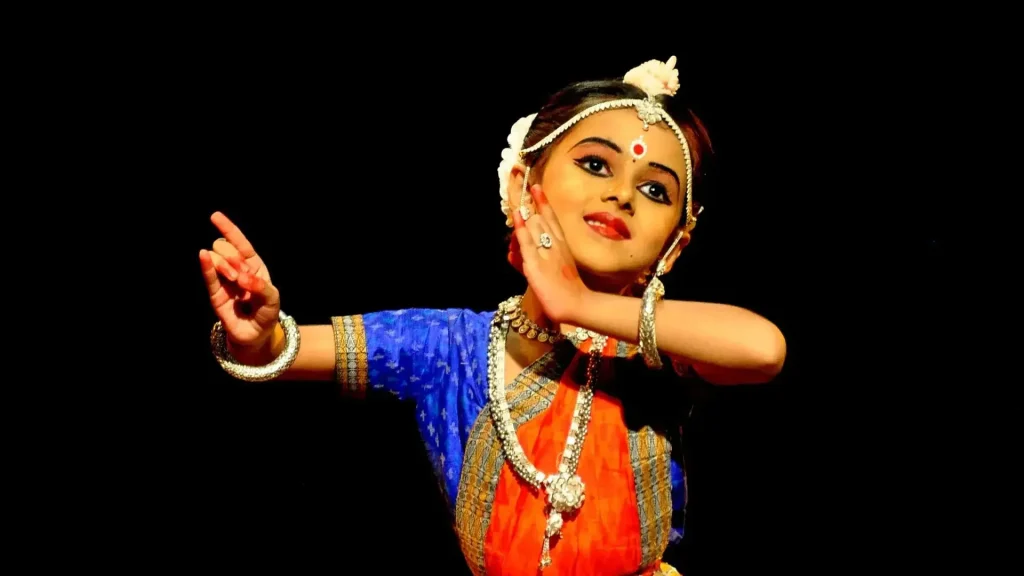
Dance therapy offers a profound opportunity for individuals to engage with their emotions in ways that traditional talk therapies often cannot. One of the most striking benefits of dancing as a hobby is its ability to facilitate emotional release. Unlike more conventional forms of expression, dance bypasses the need for spoken language, allowing individuals to convey feelings that might be complex or inaccessible. In a therapeutic dance setting, participants are encouraged to let go, to move freely, and to find their rhythm, which can lead to unexpected breakthroughs in emotional understanding.
The transformative power of dance is supported by numerous studies. For instance, research published in the journal Arts & Health highlights how dance can be particularly beneficial for people dealing with trauma. Participants who engaged in movement-based therapy reported a significant reduction in symptoms of PTSD, attributing their improvements to the liberating nature of dance. Such findings underscore the idea that through dance, individuals can reclaim ownership of their emotions, fostering a sense of empowerment and healing.
In addition to emotional benefits, the physical wellness aspects of dance cannot be overlooked. Participating in dance not only enhances cardiovascular fitness but also promotes core strength, agility, and balance. Many Americans are turning to dance classes as a way to stay active; styles like Zumba, contemporary dance, and even ballroom have exploded in popularity across the country. In fact, a recent survey by the National Endowment for the Arts found that over 25% of adults in the U.S. participate in dance as a form of recreation. This surge in participation is indicative of a broader recognition of dance’s potential as a holistic form of exercise that caters not only to the body but also to the spirit.
The incorporation of dance into one’s lifestyle serves as a powerful tool for stress reduction. The rhythmic movements paired with the uplifting beats of music create an environment conducive to relaxation. According to research conducted by the University of Maryland, individuals who engaged in dancing reported feeling less stressed and more invigorated post-session. This dynamic activity encourages the release of endorphins, which naturally promotes happiness and well-being. Through dance, many find a much-needed respite from the pressures of everyday life, paving the way for a healthier mental state.
- Enhanced coordination: Regular dancing improves body awareness and enhances physical coordination.
- Increased flexibility: Many dance styles encourage graceful and limber movements.
- Social connections: Group classes or social dancing can foster camaraderie, reducing feelings of isolation.
Thus, from the emotional catharsis sparked by movement to the physical enhancements that come from regular practice, dancing emerges as a compelling hobby with extensive benefits. As individuals seek to enrich their lives, the world of dance therapy beckons with the promise of emotional healing and physical vitality. Exploring this avenue further may reveal not just a new hobby, but a transformative experience that promotes holistic well-being.
| Emotional Benefits | Physical Benefits |
|---|---|
| Stress Relief | Increased Flexibility |
| Dancing provides a powerful outlet for expressing emotions, enabling individuals to connect with their feelings. | Frequent dancing enhances muscle strength and core stability, leading to improved mobility. |
| Boosted Self-Esteem | Weight Management |
| Engaging in dance can lead to a significant increase in confidence and self-worth through acquiring new skills. | Dancing burns calories, making it an effective component of any fitness routine aimed at maintaining a healthy weight. |
The relationship between dance and therapy isn’t just about movement—it’s a holistic approach encompassing both emotional and physical realms. Engaging in dancing as a hobby opens the door to exploring personal feelings while simultaneously contributing to the physical well-being of the participant. Through rhythmic expression, dancers can embrace their emotions and find joy and release. Consequently, this therapeutic outlet fosters a greater sense of community and connection among participants, thereby enhancing social support systems. Additionally, these numerous benefits illustrate why dance can be an essential part of mental wellness initiatives. If you want to learn more about how dance can transform your life, considering taking a class or joining a local dance group could be your next inspiring step!
Building Resilience Through Dance
Dancing as a hobby not only provides immediate emotional and physical benefits but also fosters long-term resilience among its participants. Resilience, the ability to adapt and bounce back from adversity, is a vital psychological trait that can be cultivated through the expressions found in dance. For many, taking part in regular dance sessions helps develop coping mechanisms that enhance emotional strength. Participating in dance therapy or classes allows individuals to face their feelings through movement, thereby gaining a deeper understanding of themselves and their reactions to challenging situations.
In studies conducted by the American Dance Therapy Association (ADTA), it was found that dancers reported increased confidence levels. The practice of mastering choreography and performing in front of others promotes self-assuredness and a sense of accomplishment. This newfound confidence spills over into other aspects of life, encouraging individuals to tackle challenges they may have previously avoided. This trait is particularly beneficial for children and adolescents, as it supports healthy emotional development, laying the foundation for greater mental fortitude in adulthood.
Dance as a Connection to Community
Another significant aspect of dance therapy is its ability to strengthen social connections. Many dance classes and therapy sessions are conducted in group settings, promoting a sense of community and belonging among participants. This shared experience can lead to the formation of friendships built on mutual support and understanding. In many cases, individuals who participate in dance therapy find solace in knowing they are not alone in their struggles. For instance, in group therapy sessions, participants share their journeys and challenges, fostering deep connections through their shared love for dance. This sense of community is especially crucial for those struggling with loneliness or isolation.
Moreover, the emergence of online dance platforms has made it easier than ever to join a community. Dance enthusiasts can connect through virtual classes or social media, gaining access to diverse styles and cultures while still fostering a sense of connectivity. Engaging with others who share similar interests can significantly enhance motivation and accountability, essential ingredients for any hobby.
Dance as an Accessible Form of Therapy
The beauty of dance therapy lies in its accessibility. People of all ages can participate, regardless of experience or fitness levels. Programs are widely available, from community centers offering free or low-cost classes to private studios featuring professional instructors. Individuals can find a style that suits their preferences, be it ballet, jazz, hip-hop, or modern dance. The diverse range of options ensures that everyone can discover joy in movement at their own pace. For those with physical limitations, adaptive dance programs are designed to ensure inclusivity, allowing individuals to express themselves and remain active within their capacity.
Furthermore, the rise of virtual classes has allowed millions across the United States and beyond to access dance therapy from the comfort of their homes. During the COVID-19 pandemic, many found solace in online dance classes, where they could join in courses regardless of their geographical location. This flexibility has made dance an even more appealing option for those seeking emotional and physical benefits without the need for a long-term commitment or large financial investment.
Engaging in dance therapy as a hobby creates a fulfilling framework for emotional expression, personal growth, and meaningful connections. As individuals discover these layers of benefits, it becomes clear that dance transcends mere movement; it embodies healing, community, and resilience. Excitingly, the dance journey is available to everyone, inviting a world of possibilities for those ready to embrace it. Whether through formal classes or informal gatherings, the world of dance therapy continues to expand, offering a dance floor woven with threads of emotional and physical well-being.
Conclusion
In summary, dance therapy emerges as a multifaceted avenue for individuals seeking to enhance their emotional and physical well-being. From fostering resilience and boosting confidence to creating invaluable social connections, the benefits of dancing as a hobby extend far beyond mere entertainment. Through the rhythmic expressions of movement, individuals unlock deeper layers of emotional intelligence and develop coping strategies that translate into everyday life challenges.
Moreover, the accessibility of dance therapy makes it an inclusive option for people of all ages and abilities. Whether through local community centers or online platforms, engaging in dance fosters a sense of belonging and camaraderie that can alleviate feelings of isolation, particularly in today’s fast-paced world. The flexibility offered by various styles means that everyone can find their niche, making the healing power of dance a truly universal experience.
As more individuals turn to dance for physical exercise and emotional release, it is crucial to promote awareness of its therapeutic benefits. Dance therapy transcends the notion of a hobby; it serves as a vital tool for self-discovery and community building. With an endless array of possibilities waiting to be explored, now is the perfect time for anyone—regardless of their background—to step onto the dance floor and embrace the transformative journey ahead. Ultimately, dancing is an invitation to celebrate life, connect with oneself and others, and cultivate a healthier, more fulfilled existence.