Experimental Kitchen: Mixing Flavors and Textures in Creative Recipes
Unleash Your Culinary Creativity
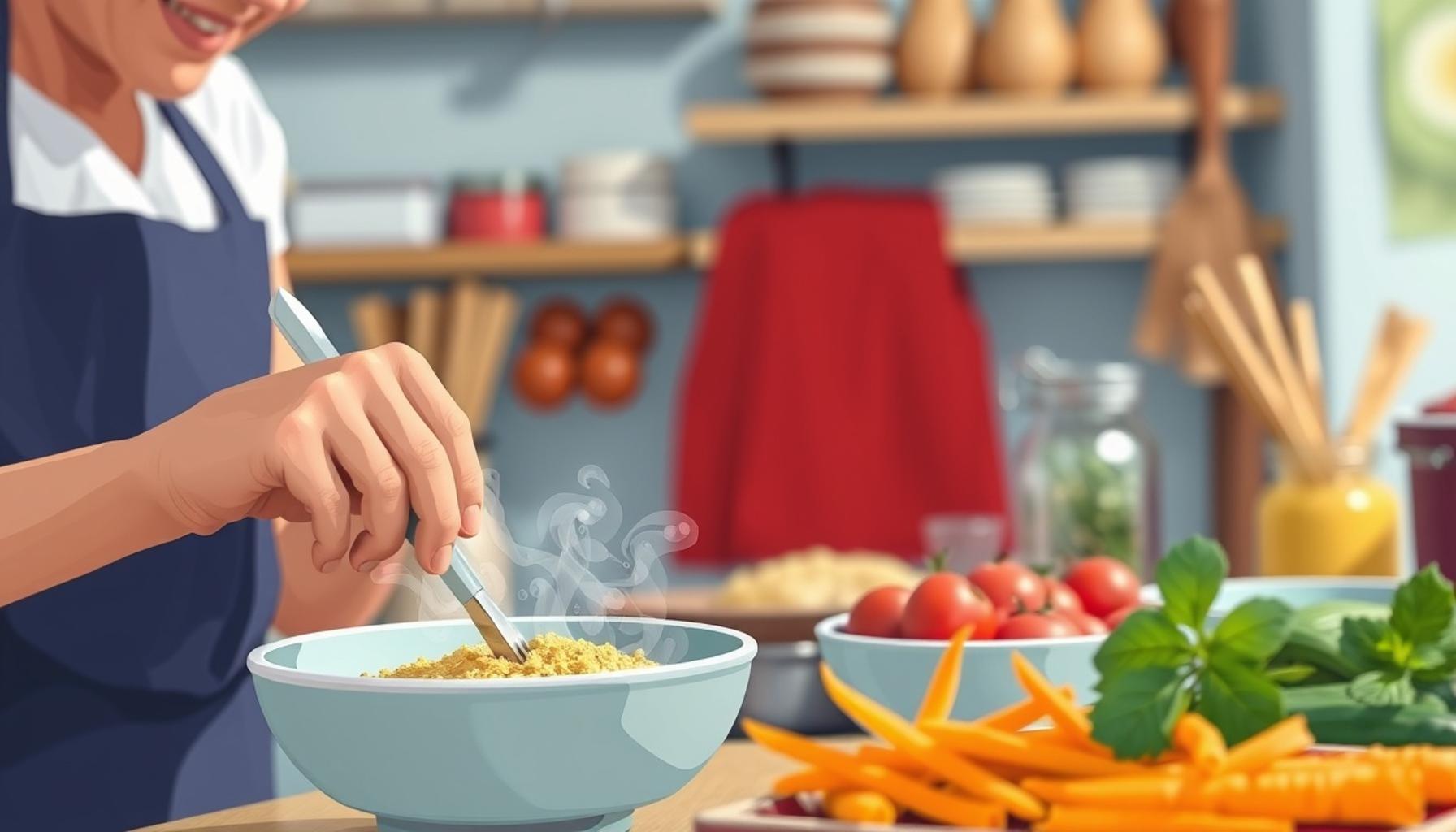
Imagine a kitchen where every ingredient holds the promise of a delightful surprise. The concept of an experimental kitchen invites home cooks and professional chefs alike to break free from traditional recipes and embrace bold combinations that tantalize the taste buds. In a world where culinary creativity is often driven by guidelines and norms, the experimental kitchen stands as a beacon of innovation and personal expression.
In this technique, the focus shifts to various aspects that enhance our culinary endeavors:
- Flavors: Sweet meets savory, and spicy embraces tangy. Imagine the surprising combination of chocolate and chilies, where the sweetness of cocoa is perfectly balanced by the heat of peppers, creating a dessert that awakens the senses.
- Textures: Crispy contrasts creamy, while chewy balances flaky. Consider the experience of biting into a crispy fish taco filled with creamy avocado sauce and a chewy corn tortilla, creating a delightful textural experience that enhances the enjoyment of the dish.
- Presentation: Create dishes that are not only delicious but also visually stunning. Think of a vibrant beetroot carpaccio, garnished with microgreens and a drizzle of balsamic reduction, turning a simple dish into a work of art that captivates the eye as much as the palate.
Take, for example, the rise of dishes such as charcoal-infused gnocchi or beetroot macarons. These unconventional dishes exemplify the innovative spirit of culinary experimentation. Charcoal-infused gnocchi not only offers a striking black color that intrigues diners but also introduces subtle earthy flavors that pair unexpectedly well with rich sauces. Similarly, beetroot macarons are not just a feast for the eyes with their eye-catching color; their subtly sweet and earthy flavor enhances the traditional macaron experience, pushing the boundaries of this classic French dessert.
Alongside the creativity, this movement also encourages the exploration of local ingredients. From fresh herbs and spices to seasonal produce, incorporating these elements can elevate your creations and connect you with regional culinary traditions. For instance, using locally sourced jalapeños in a sweet peach salsa can create a fresh twist on a summertime classic while celebrating the flavors of the region.
As you embark on this journey into the experimental kitchen, be prepared to engage your senses, expand your palate, and redefine your approach to cooking. This exploration may lead you to discover new techniques, such as sous-vide, or tools like molecular gastronomy kits that further enhance your culinary experiments. The result? A delightful array of dishes that surprise and satisfy, transforming the familiar into the extraordinary.
Flavors that Ignite Your Imagination
In the realm of the experimental kitchen, flavors are not just components of a dish; they are the building blocks of a vibrant culinary experience. When cooks venture beyond conventional pairings, they unlock a diverse spectrum of taste that can lead to new sensations. This courageous spirit of exploration invites both novice cooks and seasoned chefs to challenge their palates and introduce unexpected ingredients into their recipes.
The beauty of mixing flavors lies in the possibilities it presents. For instance, the marriage of fruits and herbs can lead to refreshing combinations that elevate ordinary meals. Here are a few pairings worth experimenting with:
- Watermelon and Feta: The sweet juiciness of watermelon harmonizes beautifully with the salty creaminess of feta cheese, making for a refreshing summer salad.
- Blueberries and Basil: These two ingredients create an intriguing symphony of sweetness and aromatic freshness; consider them in sauces, salads, or even as a topping for grilled meats.
- Pineapple and Jalapeño: The sweet and spicy duo works wonders in salsas, adding a memorable zing that enhances tacos and seafood dishes.
Moreover, some chefs are boldly incorporating ingredients traditionally reserved for savory dishes into desserts. Think of savory ice creams that find their way into gourmet restaurants, such as olive oil ice cream or balsamic vinegar gelato. These inventive flavor profiles challenge the status quo and inspire home cooks to think outside the box, allowing them to break free from established norms.
Textures that Create Culinary Experiences
The textural element of cooking is often overlooked, yet it plays a crucial role in how we experience food. The combination of various textures can turn a simple dish into a memorable one. Consider how the contrast between a crispy outer shell and a soft, tender filling can create a richer narrative on the plate. The excitement of alternative textures can be illustrated through a variety of dishes:
- Chili Rellenos: A stuffed pepper coated in a light batter creates an exhilarating encounter as the crisp exterior gives way to the tender, flavorful filling.
- Chocolate Lava Cake: The intriguing juxtaposition of a hard outer shell and a molten center makes each bite an exhilarating adventure, bursting with flavor and excitement.
- Mochi Ice Cream: This Japanese treat pairs the chewiness of mochi rice with the creamy delight of ice cream, creating a unique tasting experience that tantalizes the mouth.
As you engage with these creative recipes, don’t hesitate to experiment with cooking techniques that influence both flavor and texture. Try frying, baking, or steaming ingredients in unforeseen ways to cultivate an extraordinary outcome that speaks to your culinary personality. Whether you choose to blend bold flavors or play with contrasting textures, the experimental kitchen awaits your ingenuity. With minimal boundaries, the only limit is your imagination.
The concept of the Experimental Kitchen has taken culinary creativity to new heights, allowing chefs and home cooks alike to explore the dynamic relationship between flavors and textures. This movement encourages the use of both conventional and unconventional ingredients, resulting in innovative dishes that tantalize the palate. The beauty of this approach lies in its versatility—anyone can partake in the fun and discover unique combinations that reflect their personal style.
One of the most exciting aspects of mixing flavors is the opportunity to fuse culinary traditions. By incorporating ingredients from diverse cultures, you can create fusion recipes that captivate and surprise your guests. Imagine a savory miso caramel sauce drizzled over roasted vegetables, or a classic Italian risotto enhanced with a hint of Thai curry. Each dish becomes a conversation starter, showcasing how diverse flavors can come together to form a harmonious balance.
Similarly, the exploration of textures in the kitchen can elevate your dining experience to a whole new level. The contrast between creamy and crunchy, soft and chewy, or even hot and cold can transform a simple meal into a multi-sensory adventure. Techniques like sous-vide cooking provide opportunities to achieve perfect textures, while techniques such as fermenting and pickling introduce vibrant flavors that enhance complexity.
As you navigate this experimental journey, it’s essential to embrace both successes and failures. Innovation often comes from unexpected results, and one misstep could lead to the next great recipe. The Experimental Kitchen fosters such an atmosphere of creativity, making it an ideal platform for culinary experimentation.
| Advantages | Description |
|---|---|
| Culinary Fusion | Combines ingredients from various cultures, resulting in unique and flavorful dishes. |
| Enhanced Textures | Explores contrasting textures, making meals more engaging and enjoyable to eat. |
Whether you’re experimenting with new recipes or perfecting your signature dish, the possibilities in the Experimental Kitchen are virtually endless. This culinary exploration invites everyone to unleash their imagination and creativity, resulting in unforgettable dining experiences.
Adventurous Techniques and Fusion Influences
Venturing into the experimental kitchen offers an opportunity to not only mix flavors and textures but also to employ adventurous cooking techniques that can transform standard dishes into culinary masterpieces. Techniques such as sous vide, fermentation, and molecular gastronomy may sound intimidating, but they are becoming increasingly accessible to home cooks eager to explore.
Sous vide, meaning “under vacuum” in French, is a technique that involves sealing food in a bag and cooking it at a precise temperature in a water bath. This method produces succulent meats with a consistent texture that is difficult to achieve through traditional means. The magic of sous vide is that it allows chefs to infuse flavors deeply over time; a brisket seasoned with coffee and garlic can emerge tender and bursting with flavor. Home cooks can embrace this technique with affordable sous vide machines readily available online or at local kitchen stores.
Fermentation is another exciting avenue to explore. This age-old preservation method not only extends the shelf life of food but also introduces complex flavors and beneficial probiotics. Think beyond pickles and consider fermenting elements like carrots, beets, or even kombucha, which add a refreshing tang to dishes. Imagine putting fermented carrots on top of a fish taco, where the acidity cuts through the richness of the fish, creating a balance that exhilarates the palate. Fermenting at home is an achievable endeavor, with various resources available to help guide the curious cook.
Innovation is also thriving through molecular gastronomy, where culinary science meets artistry. Chefs employ techniques such as spherification, which transforms liquids into caviar-like pearls, or using foams and gels to recreate the textures of traditional dishes in unexpected forms. Think of a tomato basil foam that accompanies a classic Caprese salad, bringing the essence of each ingredient to the forefront while adding a playful touch. Although this may sound elaborate, basic molecular gastronomy kits are available for home use, enabling anyone to give it a try.
Moreover, the influence of global cuisines brings yet another layer of creativity to your experimental kitchen. Drawing from diverse culinary traditions can breathe new life into everyday recipes. Consider the use of Thai flavors in traditional American comfort foods. Imagine a mac and cheese enhanced with coconut milk, lime juice, and a hint of curry, offering a thought-provoking twist on a beloved dish. Or create tacos with a Korean barbeque twist, incorporating kimchi and gochujang sauce for a fusion that excites the taste buds.
As the world of cooking continues to become more interconnected, the potential to experiment with cross-cultural recipes expands exponentially. The journey into the experimental kitchen is limited only by your willingness to explore and your enthusiasm to embrace the unconventional. Dive into this culinary adventure where flavor, texture, and technique converge to create unforgettable experiences on the plate.
Conclusion
As we conclude our exploration of the experimental kitchen, it is evident that cooking is no longer confined to the conventional boundaries of flavor and texture. The culinary landscape is ripe for experimentation, encouraging home cooks to embrace creativity in their kitchens. Techniques such as sous vide, fermentation, and molecular gastronomy empower individuals to enhance their culinary repertoire, transforming familiar dishes into something extraordinary.
The fusion of global culinary influences further enriches the possibilities at our fingertips, inviting us to combine the best of different cultures. By incorporating unexpected elements like Thai spices in classic American comfort foods or adding a Korean twist to traditional tacos, we create unique and mouthwatering experiences that delight the senses. This blending of flavors not only revitalizes our palates but also enriches our appreciation of the diverse world of cuisine.
Ultimately, the heart of the experimental kitchen lies in the joy of discovery. Each ingredient offers a story, and each technique presents a learning opportunity. By daring to mix flavors and explore new textures, you invite innovation into your cooking routine. Whether you are a seasoned chef or an enthusiastic beginner, remember that the greatest culinary adventures often begin with a willingness to step outside the norm. So, gather your ingredients, embrace the unexpected, and allow your kitchen to become a canvas for your gastronomic imagination.