
Exploring the Art of Baking: Techniques and Tips for Creating Artisan Bread at Home

Unleashing Your Inner Baker
Baking artisan bread at home is more than just a trend; it’s an art form that connects tradition with creativity. With the right techniques and a bit of practice, anyone can craft a beautiful loaf that rivals those from your local bakery. This journey into the world of baking invites you to enhance your culinary skills while savoring the satisfaction of homemade bread. Imagine the aroma of fresh bread wafting through your kitchen, a symphony of smells that not only nourishes the body but also warms the soul.
Essential Techniques to Master
Before diving into the dough, it’s crucial to familiarize yourself with some essential techniques that can elevate your baking game:
- Understanding Yeast: Yeast is the magical ingredient that transforms simple dough into airy bread. There are various types of yeast—active dry yeast, instant yeast, and fresh yeast—each affecting your dough’s rise differently. For example, instant yeast can be added directly to the dry ingredients, while active dry yeast requires activation in warm water. Knowing how to manage these differences can lead to fantastic outcomes.
- Hydration Levels: The hydration level of your bread dough plays a vital role in determining its texture and crumb structure. A higher hydration dough (around 70% water to flour ratio) can produce a looser crumb, resulting in an open, airy texture with a crispy crust, often seen in loaves such as ciabatta. Conversely, a lower hydration dough is easier to shape but yields a denser loaf, ideal for sandwich bread.
- Kneading Methods: Kneading is crucial for gluten development, which gives bread its structure. Traditional kneading involves folding and pressing the dough on a floured surface, while the stretch-and-fold technique can be less labor-intensive and more effective for high-hydration doughs. Experimenting with these methods can unlock different textures and flavors in your bread.
Key Tips for Artisan Bread
Creating perfect artisan bread requires attention to detail. Here are some key tips to keep in mind:
- Temperature Matters: The ambient temperature can significantly impact fermentation. Keeping your dough at around 75-80°F promotes a healthy rise, while cooler temperatures might slow down the process, resulting in denser bread. Finding the right spot in your kitchen for optimal fermentation can make all the difference.
- Resting Periods: One of the secrets to developing complex flavors in bread is allowing for adequate proofing time. A slow, cold fermentation (24 hours in the refrigerator) can deepen the taste and improve the final texture. Patience in the baking process yields delicious results.
- Embrace Mistakes: Every baker has faced their fair share of kitchen disasters. Whether it’s a loaf that didn’t rise or one that burnt, each baking experience teaches valuable lessons. Embracing these mistakes can pave the way for improvement, leading to better loaves in the future.
As you embark on this baking adventure, you’ll create not just bread but memories that fill your kitchen with warmth and aroma. Community events like local farmers’ markets and baking classes can further enhance your skills and connect you with fellow baking enthusiasts. So, grab your apron, gather your ingredients, and let’s explore the fulfilling world of artisan bread baking together!
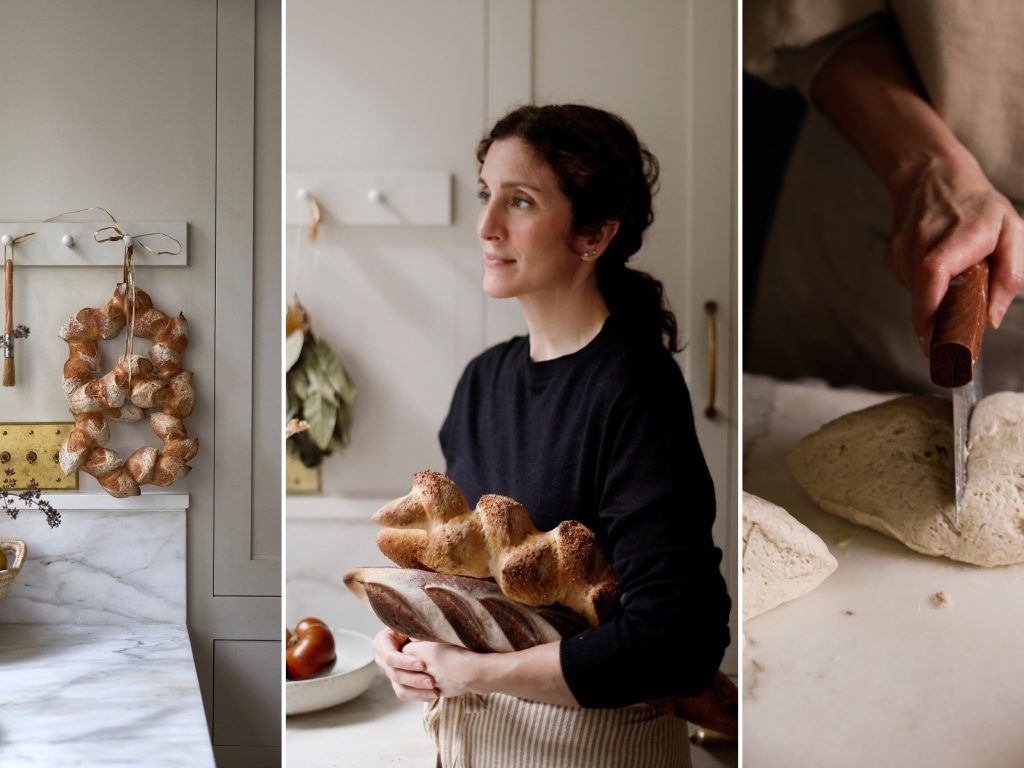
Mastering the Fundamentals of Baking
To embark on your journey of creating artisan bread at home, it’s essential to start with a solid foundation. A thorough understanding of the fundamental principles of bread-making will not only improve your skills but also enable you to create a variety of bread styles. Here are some aspects to consider as you delve deeper into the art of baking:
The Role of Flour in Bread Making
Flour is the backbone of any bread, and its type plays a critical role in the final product. The two primary types of flour used in artisan bread are bread flour and all-purpose flour. Bread flour, which has a higher protein content (around 12-14%), helps develop gluten, which provides structure and chewiness. All-purpose flour, with a lower protein percentage (about 10-12%), can be used for a variety of baked goods but may not deliver the same robust texture as bread flour. Furthermore, experimenting with other flours like whole wheat, rye, or even specialty flours can add unique flavors and textures to your loaves.
Understanding the Importance of Autolyse
The autolyse method is a technique that many skilled bakers use to enhance their dough’s elasticity and extensibility. This process involves mixing flour and water together and allowing them to rest for a period before adding other ingredients like yeast and salt. By doing so, the flour fully hydrates, and enzymes in the flour start breaking down the starches into sugars, which will improve flavor and color. Autolyse can range from 20 minutes to several hours, depending on the recipe and desired results.
The Magic of Shaping and Scoring
Once your dough has risen adequately, shaping becomes a vital step in making artisan bread. Proper shaping will help maintain the structure of the dough, giving it the desired height and crumb. The general idea is to gently degas the dough and create tension on the surface. There are various shaping techniques tailored to different bread styles, from round boules to long batards.
After shaping, scoring is another essential practice that not only enhances the aesthetic appeal but also controls the expansion of the bread while it bakes. By making shallow cuts on the dough’s surface, you direct where the steam will escape, preventing it from bursting unpredictably. Additionally, scored patterns allow for beautiful crusts that can become signature traits of your baking.
Enhancing Flavor with Ingredients
Artisan bread is an exploration of flavors, and the possible ingredient enhancements are virtually limitless. Here are a few ideas to consider when seeking to elevate your baked creations:
- Herbs and Spices: Incorporating ingredients like rosemary, thyme, or even garlic can impart delightful flavors.
- Nuts and Seeds: Adding walnuts, sesame seeds, or sunflower seeds not only enhances flavor but also contributes to a delightful crunch.
- Cheeses: Mixing in bold cheeses like cheddar or feta can turn a simple loaf into a standout accompaniment.
As you explore these foundational techniques and ingredients, remember that baking is a personal journey. Each loaf tells a story and provides a connection to generations of bakers who have honed their craft. With each rise, shape, and bake, you are not just following a recipe; you are crafting a piece of art that is both satisfying to create and delicious to share.
Mastering the Bread Basics
The journey into artisan bread baking is both rewarding and educational. Before you dive into the intricate techniques, it’s essential to understand the fundamental components. The key ingredients in bread-making include flour, water, salt, and yeast. Each plays a significant role in the texture and flavor of the final product.Flour is the backbone of your bread. Choosing the right type of flour, such as bread flour for its higher gluten content, can yield a chewier and more satisfying crumb. Whole wheat flour adds a heartier flavor and nutritional value, leading to an appealing rustic loaf.Water is crucial for activating the yeast and achieving that coveted dough consistency. The quality and temperature of your water affect fermentation times significantly. Lukewarm water (around 100°F) can help yeast thrive, while colder water slows the process, often resulting in a denser loaf.Salt not only enhances flavor but also helps to control yeast activity and strengthen gluten structure. However, it’s tricky; too much salt can inhibit yeast, while too little leads to bland bread. A general guideline is to use about 1.5% of the total flour weight in salt.Yeast serves as the leavening agent. Both active dry and instant yeast can be utilized effectively to introduce air bubbles during fermentation. Exploring natural alternatives like sourdough starter can also add complexity to flavor.
Techniques for the Perfect Crust
Achieving an artisan-style crust involves several techniques, making every loaf a work of art. One popular method is steam baking, which can be achieved by placing a pan of water in the oven or using a Dutch oven. This approach creates a humid environment, allowing bread to expand while developing a crispy exterior.Another key technique is scoring, which involves making shallow cuts on the surface of the dough before baking. This step directs the expansion during the baking process and creates unique patterns and designs, adding to the artisan aesthetic.It’s also crucial to pay attention to the fermentation process. Longer and slower fermentation times lead to better flavor development. Techniques like autolyse and stretch-and-fold during the fermentation phase can further enhance the dough’s texture, enabling it to develop a robust structure.Incorporating these foundational techniques will set the stage for more adventurous baking, allowing you to explore flavors and styles that make artisan bread so delightful. As you hone your skills, you’ll begin to appreciate the subtle nuances that differentiate a good loaf from an extraordinary one, fostering not just your culinary abilities, but also your love for the craft.
Elevating Your Baking Skills
As you gain a deeper understanding of the techniques involved in artisan bread-making, it’s vital to explore additional practices that can further elevate your baking skills. These advanced methods and insights will help you refine your process, enhance the flavors, and ultimately achieve that coveted artisan quality in your loaves.
The Power of Proper Fermentation
Fermentation is a crucial process in bread-making that significantly affects flavor, texture, and digestibility. While most recipes will include a rise time, experimenting with bulk fermentation and proofing times can yield different results. An extended bulk fermentation – allowing your dough to rise slowly for hours (or even overnight) – develops complex flavors and textures that make artisan bread truly unforgettable. During this time, the yeast excretes carbon dioxide, contributing to the dough’s structure while breaking down gluten and enhancing flavor.
Another fascinating aspect is the technique of retarding, which involves refrigerating your dough during the final proof. This not only allows for more convenient baking schedules but also enhances flavor and texture as the dough ferments slowly in the cold environment. Bakers often report that retarded dough has a deeper flavor profile, giving your bread an artisanal touch. Don’t hesitate to bring out your fridge for dough resting; it is a tool that can elevate your baking game.
Creating a Steaming Environment
The crust of artisan bread plays a pivotal role in both its flavor and texture, and creating a proper steaming environment while baking is essential for achieving that perfect crust. When bread begins to bake, steam keeps the outer layer soft and pliable, allowing the loaf to expand beautifully without tearing. You can create steam in your home oven by following a simple method: place a cast-iron skillet or a baking tray on the bottom of the oven while it preheats. Once you place your bread in, pour hot water into the skillet, generating steam that will help in achieving that desirable crust.
Alternatively, using a Dutch oven for baking can also simulate the effects of a professional steam oven. By trapping steam within the closed pot, the Dutch oven creates a beautifully crispy crust, while preserving moisture in the dough. The use of these tools not only enhances your bread-baking experience but leads to loaves worthy of any artisan bakery.
Experimenting with Sourdough Techniques
If you’re on a quest for the ultimate flavor profile in your artisan bread, venturing into the world of sourdough is an excellent choice. Sourdough bread, made with naturally occurring wild yeasts and bacteria, offers a tangy flavor and chewy texture that many crave. To get started, you’ll need to create or obtain a sourdough starter, a mixture of flour and water that fosters the growth of wild yeast and lactic acid bacteria. Maintaining a robust starter requires regular feeding and care, which can be both a science and an art.
When baking sourdough, understanding hydration levels is crucial. Higher hydration doughs (75% or more) will yield an open crumb and airy structure, while low hydration doughs provide denser loaves. Playing with these ratios allows bakers to customize their breads according to personal preferences.
Taking Notes and Reflecting on Your Process
Finally, one of the most underrated yet powerful techniques is meticulous record-keeping. As you progress in your baking journey, keeping a baking journal to document your recipes, techniques, and outcomes can uncover patterns and insights into your baking process. Noting how different ingredient variations, temperatures, and fermentation times influence your final product will enable you to refine your skills over time. Each loaf can serve as both a creation and an experiment, offering valuable lessons to carry into future bakes.
Your artisan bread-making experience will be a blend of science and creativity. Embrace all aspects, from fermentation to steam and ingredient adjustments, and you may just find that your kitchen becomes a space of endless culinary innovation, echoing the passionate spirit of bakers around the world.
Conclusion: Mastering the Artisan Bread Experience
As we wrap up this exploration of the art of baking artisan bread at home, it becomes clear that the journey is as rewarding as the destination. Creating exquisite loaves is not merely about following a recipe; it is about understanding the intricate dance between ingredients, techniques, and personal creativity. Armed with knowledge of proper fermentation, the importance of a steaming environment, and the nuances of sourdough techniques, you now have the tools to elevate your baking to new heights.
Moreover, the process of baking artisan bread extends beyond mere technique; it is an opportunity for personal expression and experimentation. By keeping a diligent record of your efforts, you can identify what works best for your taste preferences and adjust your methods accordingly. This quest for perfection is how many renowned bakers have refined their craft over years of trial and error.
As you don your apron and preheat your oven, remember that each loaf baked is an opportunity to innovate, to savor, and to share. The warm aroma of freshly baked artisan bread wafting through your home is not just a testament to your newfound skills; it reflects the passion and heart you put into your culinary endeavors. Embrace the art of bread-making, and let your kitchen become a sanctuary where tradition meets creativity, resulting in masterpieces that are sure to delight both the palate and the spirit.
So, roll up your sleeves and embark on this delicious journey—your perfect artisan loaf awaits!