Exploring the Intersection of Music and Dance in Different Cultures
The Interplay of Music and Dance
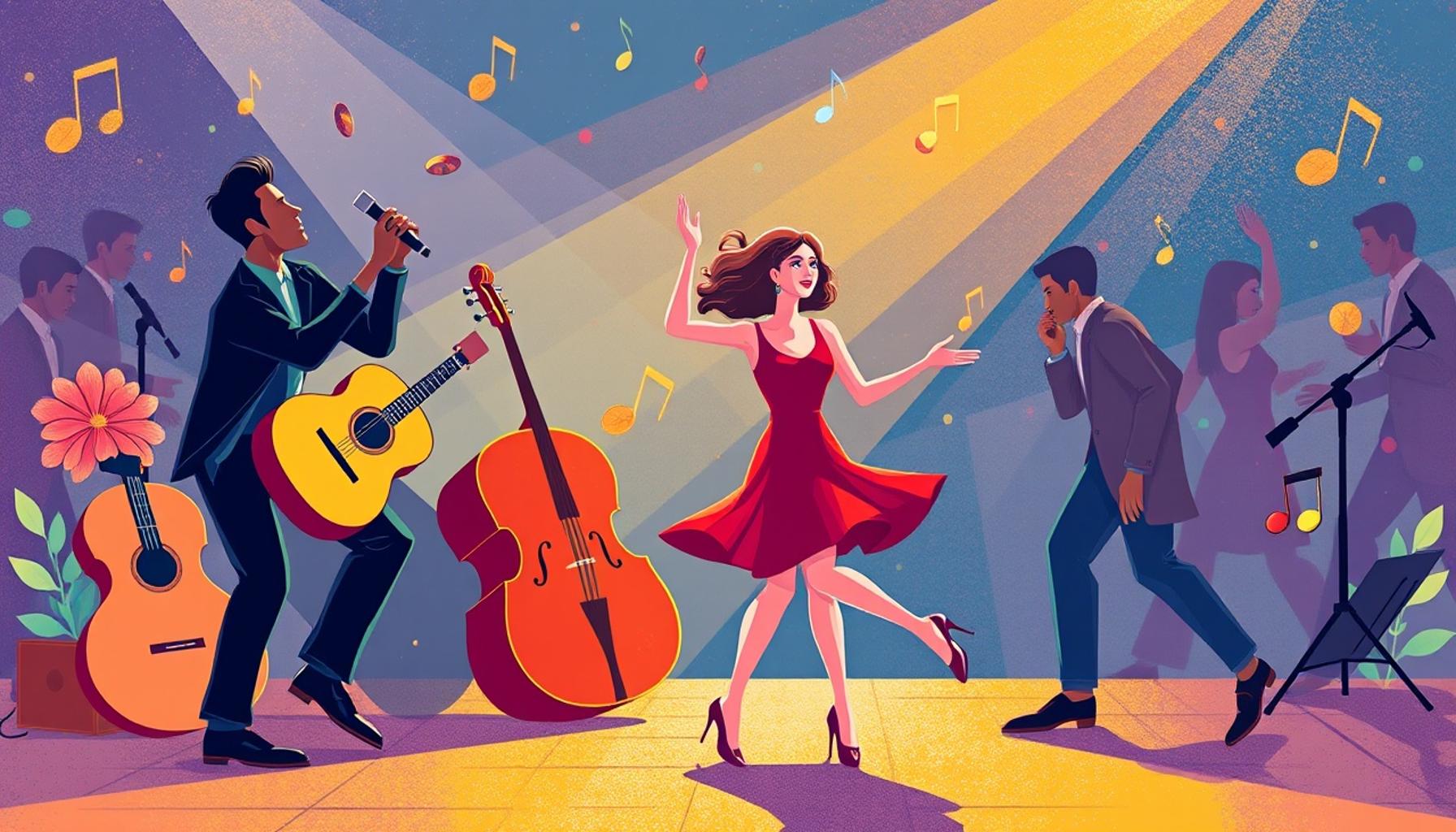
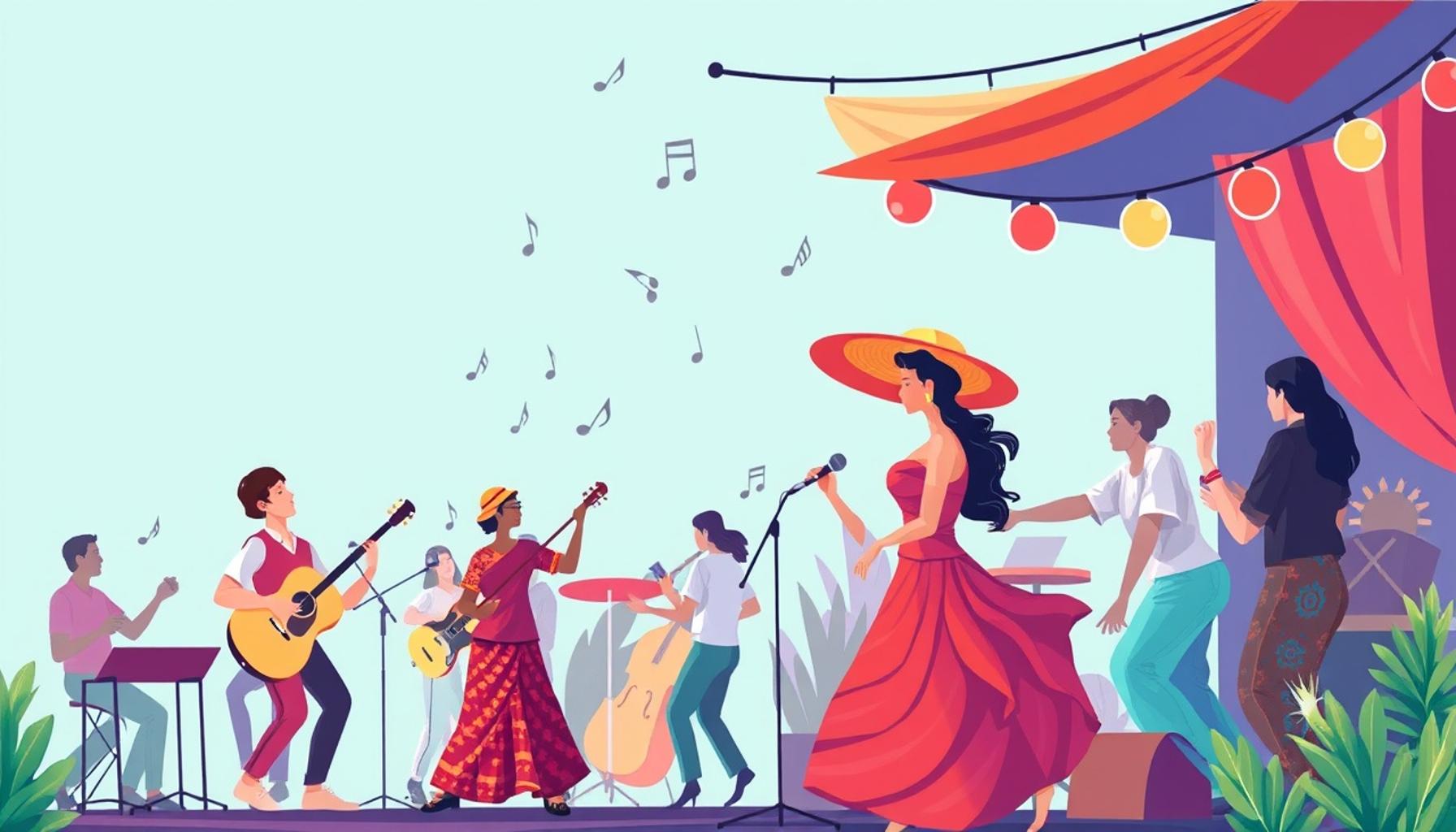
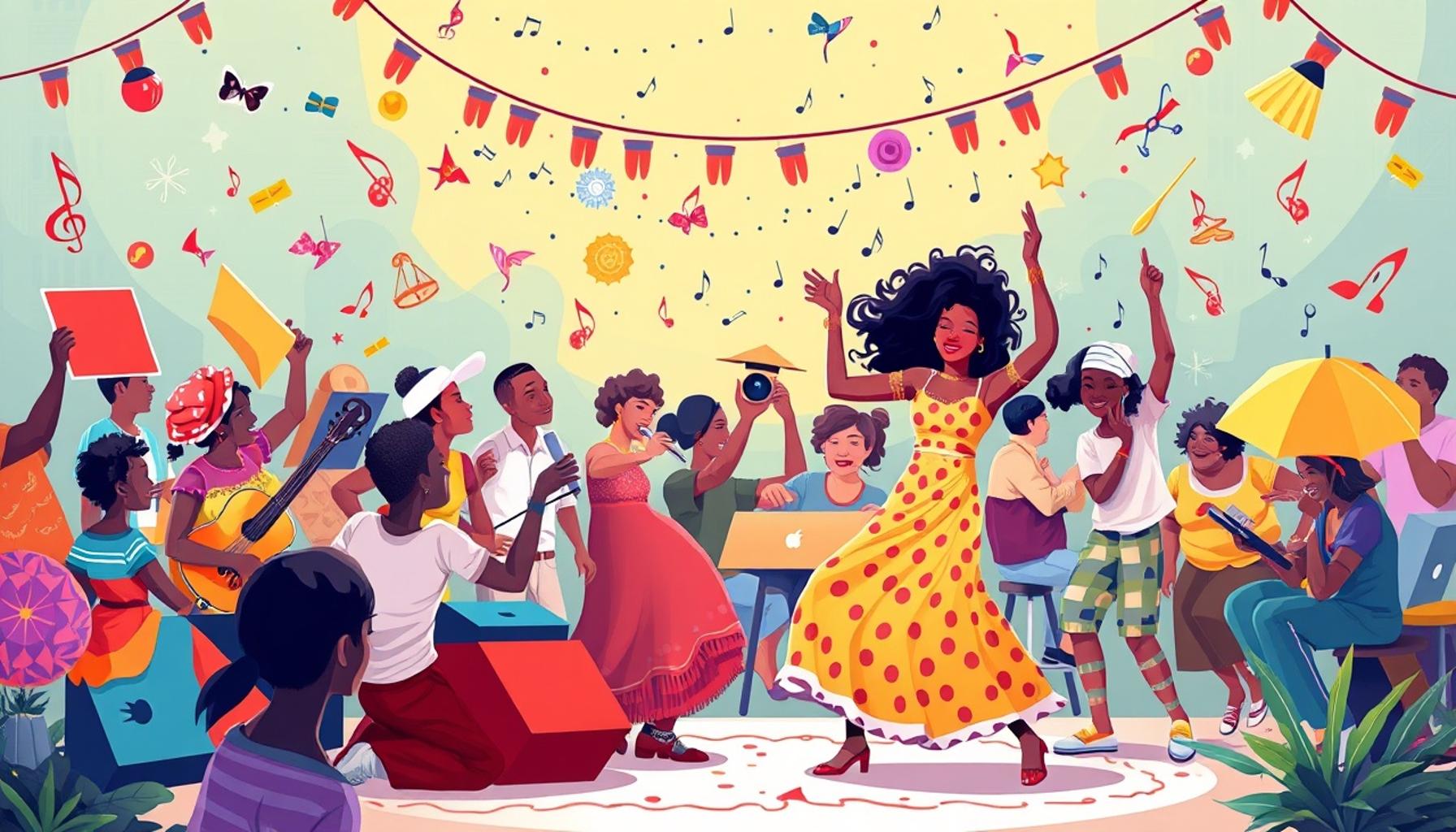
The profound connection between music and dance can be observed across various cultures around the globe. This relationship not only serves as a form of expression but also reflects the values, traditions, and histories of communities. Exploring how these art forms intertwine offers a unique perspective into the human experience, revealing much about societal norms and individual emotions.
Consider some captivating examples:
- Ballet – Originating in the Italian Renaissance, it showcases precision and technique. Renowned for its grace and elegance, ballet often tells a story through its movements. Famous performances like Swan Lake and The Nutcracker highlight the ornate costumes and intricate choreography that define this art form.
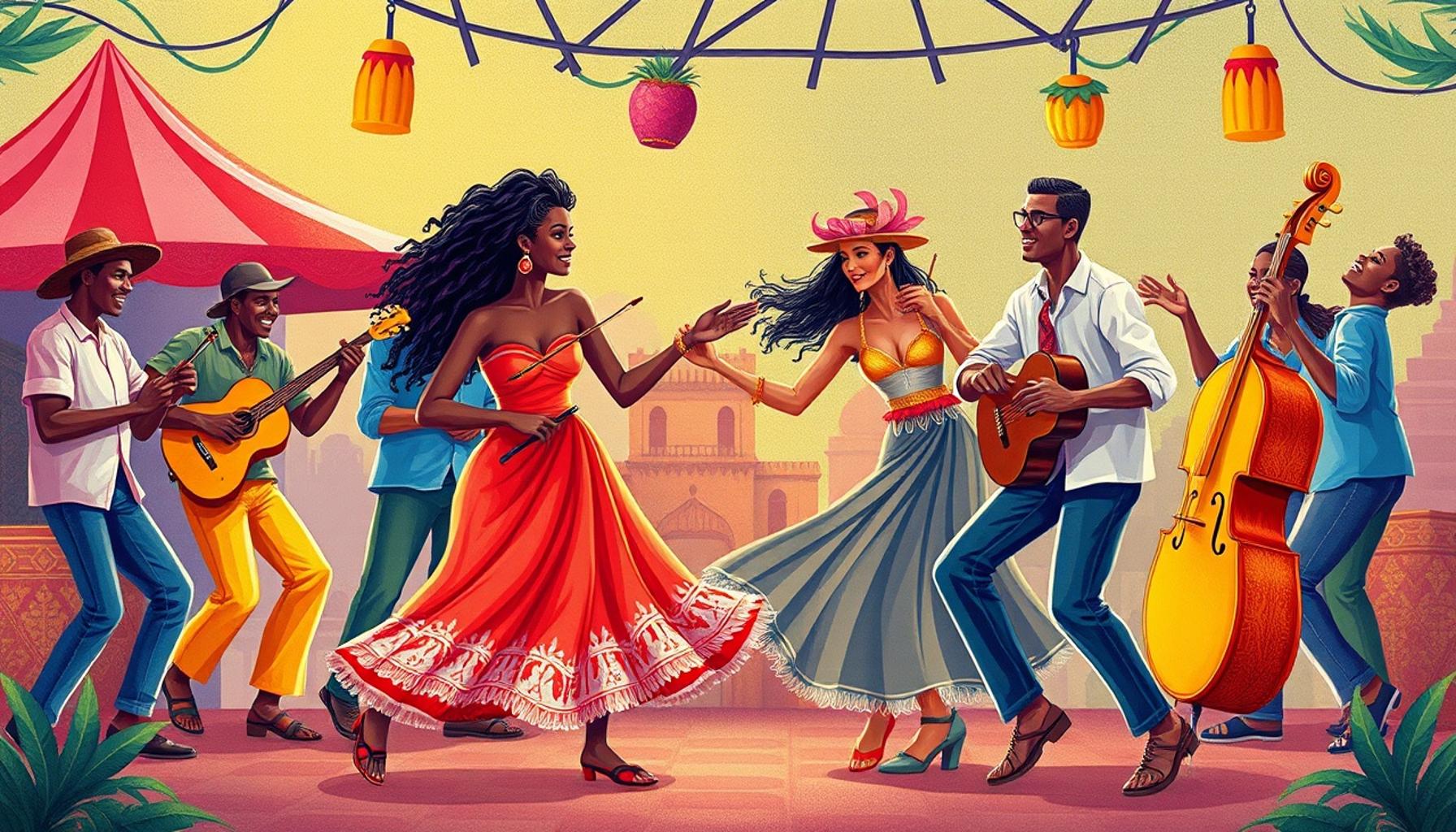
- Flamenco – A passionate Spanish art form merging guitar rhythms with intense dance. Originating from Andalusian gypsies, flamenco is characterized by its emotional intensity and dynamic footwork. Performers often express themes of love, loss, and longing. Audiences are drawn in not only by the rhythm but also by the performers’ expressive gestures and facial expressions, connecting the heart and the dance floor in an invigorating experience.
- Hip-hop – An American cultural movement that emphasizes self-expression through dynamic and empowering dance styles. Emerging from the streets of New York City in the late 20th century, hip-hop has evolved into a global phenomenon. Styles like breakdancing and locking provide an avenue for youth to express their identity and social issues, showcasing individuality through unique movements and beats. This energetic art form has also been popularized in music videos, highlighting its syncopation and creativity.
- Indian Classical Dance – Integrating intricate gestures and storytelling through spirited performances. Over multiple centuries, various forms, such as Bharatanatyam and Kathak, have developed, each bearing distinct characteristics that convey religious and cultural narratives. Dancers often utilize mudras, or hand gestures, to communicate emotions and plot, creating a captivating visual narrative that enhances the accompanying music.
This intersection is not simply about movement and melody; it’s about community, ritual, and connection. Each culture’s unique blend of music and dance portrays its history and identity, inviting participants and spectators alike to engage deeply with their heritage. In various cultures, such as African tribal rituals or Brazilian Carnival, the rhythm and dance play integral roles in social gatherings and celebrations, reinforcing community bonds.
By examining these diverse expressions, we uncover the universal themes that bind us together. The celebration of life, the expression of joy or sorrow, and the sharing of stories all find their voices through music and dance. Join us as we delve into the rich tapestry of music and dance traditions worldwide, celebrating the shared creativity that defines our existence and fosters connections that transcend cultural boundaries.
Cultural Expressions through Movement and Melody
The partnership between music and dance is more than a mere coincidence; it is a dynamic interplay that shapes the very fabric of cultural identity. In many societies, music serves as a catalyst for dance, while dance provides a physical expression of the emotions and narratives embedded within musical compositions. This mutual relationship manifests in a variety of forms, each uniquely influenced by the values and experiences of the respective cultures. By diving deeper into specific examples from around the world, we can better appreciate how these two art forms converge to create rich cultural tapestries.
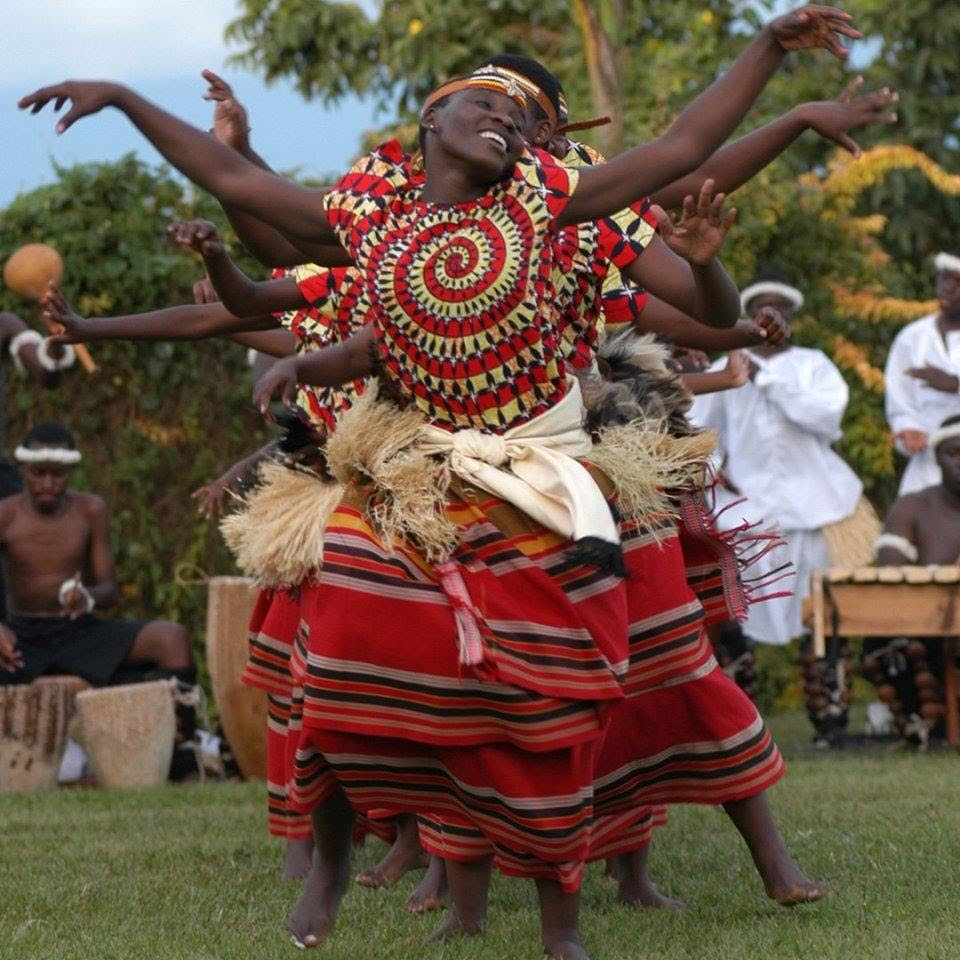
In Africa, the significance of music and dance is woven into the communal fabric. Traditional dances often accompany rituals and ceremonies, serving as a means of preserving history and connecting generations. For instance, the Gumboot Dance originated in the gold mines of South Africa, where workers would use their boots to create rhythmic beats, combining music and movement to alleviate the grind of labor. The performance not only entertained but also conveyed stories of hardship and resilience, showcasing how movement and melody encapsulate collective experiences.
Another fascinating illustration can be found in the vibrant streets of Brazil during Carnival. This festival is famous for its explosive energy, marked by samba music and dance. Samba, rooted in African rhythms, reflects the country’s diverse cultural heritage, inviting people to participate in the euphoric celebration of life. Dancers often move in unison with percussion instruments, embodying the rhythm of the music, which creates an electrifying atmosphere that draws both locals and tourists alike. This spectacle demonstrates how Brazilian culture employs music and dance as tools for expression and joy, transcending social barriers.
As we journey to Asia, we can observe how traditional Japanese dance forms, such as Kabuki, seamlessly intertwine with music. Kabuki is a theatrical art form combining drama, music, and elaborate costumes, characterized by its stylized performances. The accompanying music, played on instruments like the shamisen, serves not just as a backdrop but as an integral part of the storytelling. Through synchronized movements and music, performers convey deep emotions, allowing audiences to connect with the narratives on a profound level. This form not only showcases artistry but also preserves Japanese cultural history and traditions.
Moreover, the integration of dance and music can even be found within the realms of American culture. In the realm of musical theater, Broadway serves as a prime example where choreography and musical composition create compelling productions. Shows like West Side Story and Hamilton exemplify the synergistic relationship between song and dance, captivating audiences while addressing social themes and struggles. This fusion invites reflection on contemporary issues, showcasing how American artists harness the power of these art forms to communicate vital messages.
Through the exploration of these diverse cultural expressions, it becomes evident that music and dance are not mere entertainments; they are crucial components of cultural identity and continuity. By celebrating such traditions, we not only honor their intrinsic values but also foster a deeper understanding of our shared humanity across borders.
| Category | Description |
|---|---|
| Cultural Significance | Music and dance often serve as vital expressions of cultural identity. |
| Ritual and Tradition | Many cultures embed music and dance within their important ceremonies. |
| Social Connection | They foster community bonds and shared experiences among participants. |
| Artistic Expression | Both forms are outlets for creativity, often blending styles and traditions. |
Music and dance are intrinsic to many societies, each telling unique stories and reflecting the values of their respective cultures. In Africa, for example, the rhythmic beats of traditional drums not only summon dancers but also carry profound spiritual meanings that resonate through generations. Similarly, in Latin American cultures, vibrant dance forms like salsa and tango showcase historical narratives intertwined with social movements, allowing individuals to connect through shared rhythms and steps.As we delve deeper into these practices, the interplay between movement and melody reveals how cultural exchange leads to innovation. Cross-cultural collaborations often result in new genres, enriching global music scenes and inviting conversations that cross geographical boundaries. This exploration within different cultures serves as a reminder of the universal language of music and dance, encouraging us to appreciate and learn from one another’s artistic journeys.
The Role of Ritual and Celebration in Music and Dance
As we delve further into the intricate tapestry of music and dance across cultures, one cannot overlook the pivotal role of rituals and celebrations that serve to reinforce social bonds and cultural heritage. In many communities, both art forms function as essential elements during important life events—births, marriages, and funerals—acting as vehicles for emotional expression and communal solidarity. For instance, the Hindu festival of Navratri showcases the powerful connection between music and dance, where participants engage in a nine-night celebration filled with traditional dances like Garba and Dandiya Raas. These group dances, driven by vibrant music, not only honor the goddess Durga but also affirm community ties as participants come together in joyous celebration.
Similarly, the Native American Powwow serves as a quintessential example of how music and dance unite cultural identity and heritage. During these gatherings, Indigenous tribes showcase their rich traditions through ceremonial dances accompanied by drumming and chanting. Each dance represents a story, history, or personal significance, allowing for the preservation of language and customs that may otherwise be forgotten. The rhythmic beats and melodies resonate deeply with participants, fostering a sense of belonging and remembrance that transcends generations.
In the realm of Western cultures, music festivals have become a modern-day manifestation of the celebratory spirit inherent in historical rituals. Events like Burning Man in the United States exemplify this intersection of music and dance within a communal setting. Participants express themselves through art, music, and dance, fostering an environment of creativity and freedom. The festival eschews commercialism, instead emphasizing self-expression and respect for one another, echoing the ancient communal aspects found in more traditional cultural events.
Diversity through Fusion: Contemporary Interpretations
While traditional forms of music and dance often anchor cultural identities, contemporary interpretations have begun to blur these lines, creating exciting fusions. One notable example is the global phenomenon of Hip-hop dance, which, though originating in the African American community of the United States, has evolved into a universal style embraced by enthusiasts worldwide. Elements from diverse cultures have been incorporated into Hip-hop performances, such as African dance forms, Latin rhythms, and even traditional Asian moves, reflecting a melting pot of cultural expression. This melding of styles not only enriches the dance form but also emphasizes the interconnectedness of global cultures in an increasingly globalized world.
The rise of crossover collaborations in music further exemplifies this synthesis; artists of varying backgrounds frequently collaborate, creating intersections that highlight both cultural nuances and shared human experiences. A prime example of this is the collaboration between renowned Indian musician A. R. Rahman and Western pop artists, who blend traditional Indian melodies with international pop and electronic elements. Such cross-cultural partnerships showcase a celebration of diversity while expanding the reach of both music and dance, inviting audiences into a shared experience that defies geographical boundaries.
The exploration of music and dance within cultural contexts not only enriches the understanding of their role in society but also invites a greater appreciation of the ways in which these art forms help us connect to one another. As we observe the rituals, celebrations, and contemporary fusions worldwide, it becomes apparent that music and dance serve as both mirrors and bridges—reflecting cultural values while fostering unity and shared stories across diverse landscapes.
Conclusion: The Unifying Power of Music and Dance
As we traverse the vast landscape of music and dance in various cultures, it is evident that these expressive forms are more than mere entertainment; they embody the very essence of human experience and connection. From ancient rituals to modern festivals, the interplay between music and dance cultivates a sense of community and identity, allowing individuals to celebrate their heritage while forging new paths of creativity.
The rich tapestry woven by different cultures highlights the profound ways in which music and dance can convey stories, emotions, and values. As illustrated through diverse examples such as the energetic Navratri celebrations or the spirited Native American Powwows, these art forms serve as powerful vessels for cultural preservation and unity. Furthermore, contemporary fusions, particularly seen in genres like Hip-hop and innovative collaborations, challenge traditional boundaries and encourage mutual appreciation and understanding among global communities.
In a world that is becoming increasingly interconnected, it is imperative to recognize and value the significance of music and dance as tools for dialogue and solidarity. They invite us to embrace diversity, celebrate our differences, and find common ground. As audiences continue to explore the dynamic interplay of these art forms across cultures, they are not only engaging with the rhythm of life but also participating in a larger narrative of shared humanity.
As we move forward, let us keep seeking connections through music and dance, discovering new meanings and fostering inclusivity that enriches our global society. Each rhythm played and every step danced is a reminder that, beneath our individual experiences, we are all part of a vibrant, communal heartbeat that transcends borders and unites us all.