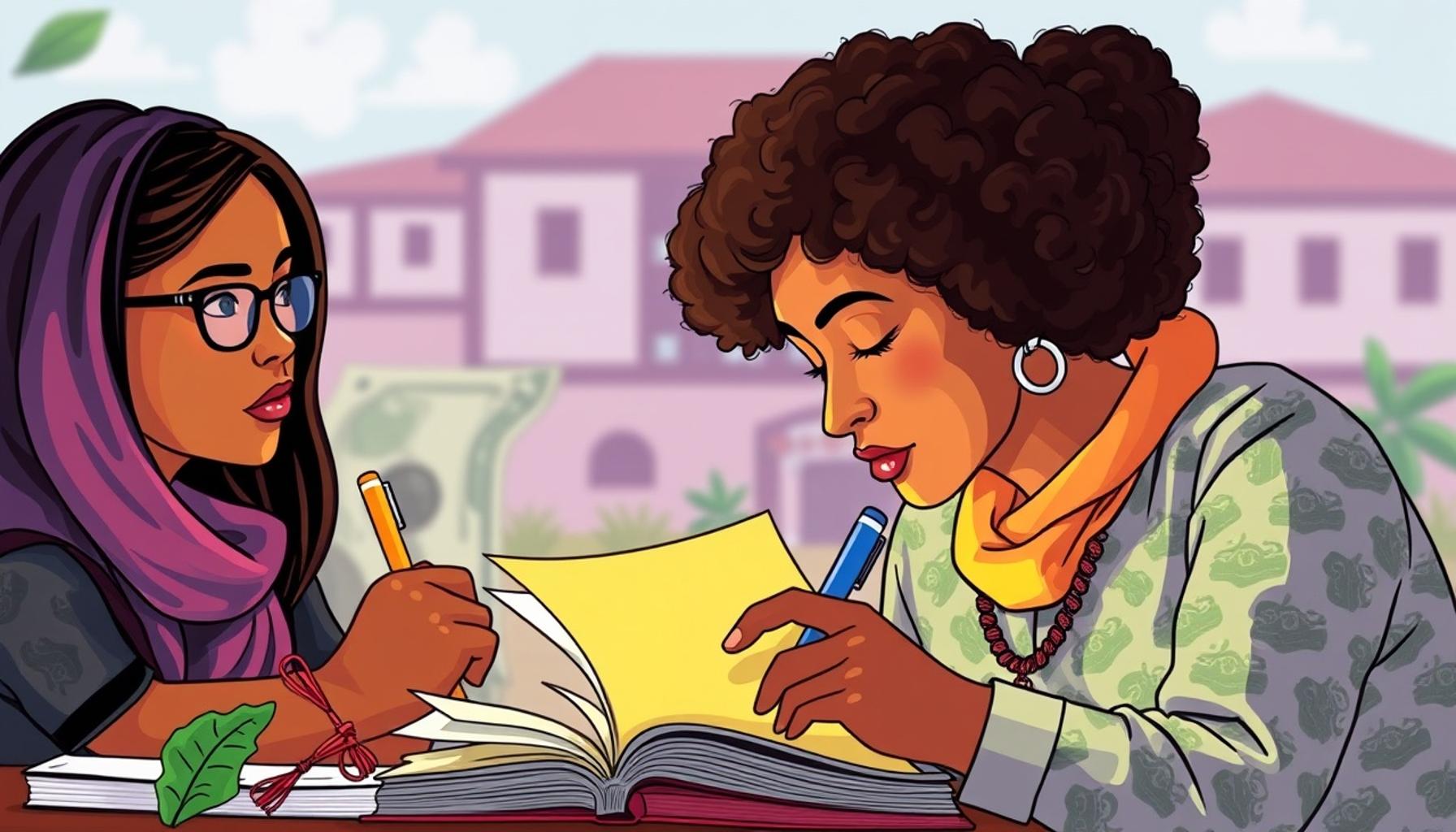
Poetry as a Tool for Self-Discovery: Exploring Identity Through Writing
The Transformative Power of Poetry
In today’s fast-paced society, where distractions lurk around every corner—whether from technology, media, or the demands of daily life—poetry offers a unique refuge. It invites individuals to delve deeply into their own inner landscapes, fostering a personal exploration unlike any other creative form. In this intimate world of words, language becomes not merely a means of expression but a crucial pathway to understanding one’s identity and emotional depth.
Through the intricate dance of language, poetry can:
- Uncover hidden emotions: Many people find it challenging to articulate feelings like grief, joy, or anxiety in everyday conversation. Poetry gives those unexpressed emotions a voice, allowing for both acknowledgment and release.
- Challenge societal norms: Poetry has a storied history of questioning the status quo. It dares to voice dissent and provoke thought on social issues, making it a powerful platform for marginalized voices.
- Facilitate healing and reflection: Writing poetry often serves as a therapeutic tool. The act of putting pen to paper can help individuals process traumatic experiences, find closure, and cultivate a deeper understanding of themselves.
Many writers, from renowned poets to emerging voices, have harnessed the power of poetry to capture their experiences and insights. For example:
- Langston Hughes explored the rich tapestry of African American heritage through his work, weaving personal narrative with broader themes of race and equality. His poem “The Negro Speaks of Rivers” reflects a deep connection to history and identity, encouraging readers to reflect on their own roots.
- Emily Dickinson is celebrated for her introspective poems that often reflect on solitude and the self. In her brief and poignant verses, she invites readers to contemplate their inner lives, revealing the complexities of emotion and existence.
- Mary Oliver found beauty in the natural world and its connection to personal identity. Her poems often celebrate the small wonders of life, encouraging readers to reconnect with nature as a means to understand themselves more fully.
These poets not only narrated their truths but also opened doors for others to engage with their own narratives. By tapping into both the personal and universal experiences of life, poetry becomes a tool for self-discovery. It empowers individuals to voice their complexities and contradictions, turning their intimate reflections into shared human experiences.
As we embark on this journey of exploration into poetry’s role in self-expression, we will investigate how writing can illuminate the multifaceted nature of identity, encouraging growth and understanding. Unraveling these layers through written expression allows for a richer dialogue with oneself and the wider community. Ultimately, each poem serves as a mirror, reflecting not just the writer’s soul but inviting every reader to see their own image in its depth.
Unearthing the Self Through Verse
Poetry serves as a profound mechanism for individuals to embark on the journey of self-discovery. It acts as a bridge that connects the writer’s internal world with external reality, providing a lens through which they can examine their thoughts, emotions, and identity. The act of writing poetry can facilitate a deeper understanding of oneself, as it encourages introspection and reflection. Through an exploration of language and form, poets can unlock the complexities of their experiences, transforming them into something tangible.
One of the most significant aspects of poetry as a tool for self-discovery is its ability to allow for personal expression. Unlike traditional prose, poetry emphasizes brevity and creativity, enabling writers to convey feelings in a succinct yet impactful manner. This condensed format often leads to feelings and thoughts being distilled into their purest forms, making it easier for the writer to decode their own emotions. Here are some ways poetry facilitates personal expression:
- Symbolism and Metaphor: Poets often use symbols and metaphors to convey deeper meanings and emotions that might otherwise be difficult to articulate. By exploring these literary devices, individuals can unearth layers of meaning in their experiences.
- Structure and Form: The diverse forms of poetry, from sonnets to free verse, allow writers to choose a structure that resonates with their feelings. This freedom encourages experimentation and exploration of different aspects of their identity.
- Stream of Consciousness: Many poets utilize this technique to capture the flow of thoughts that emerge from their minds. This unfiltered approach can reveal underlying beliefs and feelings that writers may have been unaware of.
Moreover, poetry can serve as a catalyst for change. When individuals confront their vulnerability through writing, they often undergo transformative experiences. This journey can result in emotional healing, as articulating thoughts and feelings can be cathartic. As writers navigate through trauma, uncertainty, or even joy, they can redefine their narratives, offering themselves more clarity and empowerment. Notable poets such as Sylvia Plath and Maya Angelou utilized their works to explore personal struggles and societal expectations, mirroring their quest for identity and belonging.
In addition to personal healing, poetry also shines a spotlight on cultural identity. Many poets explore their ethnic backgrounds, gender identities, or upbringing as a means of asserting their place in the world. For instance, poets like Joy Harjo and Ocean Vuong articulate the challenges of navigating multiple identities through their work. This not only serves to validate their own experiences but also resonates with readers from similar backgrounds, fostering a sense of community and shared understanding.
As we delve deeper into the relationship between poetry and self-discovery, it becomes evident that writing is not merely an art form but a transformative practice. The exploration of one’s identity and emotions through poetry invites writers and readers alike to embrace their complexity and to forge connections with themselves and others. In this way, poetry emerges as a vital instrument in the quest for understanding one’s place in the tapestry of life.
Poetry as a Tool for Self-Discovery: Exploring Identity Through Writing
As we delve deeper into the world of poetry and its impact on self-discovery, it becomes increasingly clear that poetry serves not just as a form of artistic expression but also as a profound tool for exploring our identities. The act of writing poetry encourages introspection, allowing individuals to reflect on their thoughts, emotions, and experiences. Each line penned can unearth hidden aspects of ourselves that we may not have fully acknowledged.
Writing poetry taps into our subconscious, prompting us to explore questions of who we are and how we relate to the world around us. In a society that often encourages conformity, poetry grants permission for personal exploration and authenticity. The metaphorical language found in poetry allows us to articulate feelings and nuances of identity that are often difficult to express in conventional communication.
Moreover, the themes within poetic works often resonate with universal experiences, enabling writers and readers alike to feel connected across different backgrounds and cultures. This connection fosters a sense of community and belonging, furthering individual journeys of self-discovery. As you reflect on your own experiences through poetry, you may find that you are not alone in your struggles, aspirations, and desires.
The accessibility of poetry also plays a crucial role in this discovery process. Whether through published works, workshops, or digital platforms, individuals can find an avenue to express themselves freely, without judgment. This openness can lead to transformative revelations, as personal narratives emerge through the art form.
| Category 1 | Category 2 |
|---|---|
| Self-Expression | Poetry allows for free expression of emotions and thoughts, facilitating personal insights. |
| Community Connection | Engaging with poetry creates a sense of belonging as shared experiences resonate with others. |
Ultimately, the exploration of identity through writing is an ongoing journey. Poetry not only serves as a mirror reflecting our inner worlds but also acts as a bridge connecting us to others who share similar experiences. Embracing this reflective practice can unlock doors to deeper self-awareness and understanding, establishing a pathway toward personal growth and acceptance.
Empowerment Through the Written Word
As poetry unveils the rich tapestry of human emotions, it also empowers writers to
reclaim their narratives. The act of creating poetry allows individuals to step into their own stories and assert their identities. This empowerment is particularly crucial in a society where diverse voices often face marginalization. By sharing their experiences through poetry, writers can challenge stereotypes and foster cultural awareness. The use of poetry as a medium for self-advocacy becomes a way for individuals to stand firm in their identities and assert their right to be heard.
For many, poetry acts as a form of resilience-building. Engaging with poetic forms enables individuals to process challenges and navigate adversity. The very nature of poetry, with its capacity for exploration and expression, provides a safe space for writers to address issues such as mental health, discrimination, and loss. The works of poets like Amanda Gorman exemplify this resilience; her poetry not only articulates personal hardships but speaks to wider societal challenges, inspiring others to find their voices as well. Poetry, then, is not just about individual healing; it becomes a collective call to action.
In addition to self-expression and empowerment, poetry fosters a profound sense of connection. As poets share their innermost thoughts, themes often emerge that resonate universally—love, grief, passion, and identity. Readers find solace and validation in the words of others, as they recognize their own experiences mirrored in those poetic lines. In this way, poetry becomes a tool for community building, where shared experiences bridge gaps between individuals from diverse backgrounds. Collaborative poem projects, workshops, and readings across the United States invite writers to unite, further enriching the discourse around identity.
Moreover, poetry helps in challenging the often rigid constructs of identity. Traditionally, society has imposed categories that seem separate or even conflicting. An exploration of intersectionality—where gender, race, and individual identity converge—finds a welcome home in poetry. Writers like Claudia Rankine and Ocean Vuong address the complexity of identity with a nuanced lens, inviting readers to reflect on the intertwined nature of experiences. By wrestling with difficult questions through poetry, individuals can arrive at new understandings of both themselves and the world.
Through the study of poetic movements such as the Harlem Renaissance or contemporary spoken word, we see how poetry has served as a vibrant platform for identity exploration and cultural expression. The rhythmic beats and passionate delivery of spoken word have become increasingly popular in the United States, especially among younger generations seeking to articulate their identity struggles and social justice issues. Events like Poetry Slams hold space for diverse voices and perspectives, where individuals can share their truths and ignite change. This cultural shift demonstrates that poetry is a dynamic medium—ever-evolving and reflective of the times.
Furthermore, social media has transformed the landscape of poetry, enabling budding poets to share their work instantaneously with a global audience. Platforms like Instagram and TikTok act as digital galleries, allowing individuals to showcase their poetic journeys while connecting with a like-minded community. The rapid exchange of ideas cultivates a sense of belonging for those who may have felt isolated in their identity exploration. In this interconnected world, poetry becomes not just a personal endeavor but part of a larger mosaic of voices contributing to collective understanding.
In recognizing and embracing poetry’s multifaceted role, we uncover its true power as a tool for self-discovery. The journey through writing becomes a vital exploration of identity, acting as both a mirror and a pathway leading toward greater self-awareness and communal connection.
Conclusion: The Transformative Power of Poetry
In exploring the intricate relationship between poetry and self-discovery, it becomes evident that this art form offers more than mere artistic expression—it serves as a profound pathway to understanding our identities. Through the crafting of verses, individuals can confront their emotions, embolden their narratives, and share their unique experiences with the world. As we have seen, language transcends barriers, enabling diverse voices to unite and speak on issues that resonate deeply at both personal and communal levels.
As a dynamic tool for self-exploration, poetry invites writers to delve into their identities, fostering resilience amid challenges and anxieties. This means that not only do poets express their truths, but they also cultivate a sense of connection with their audience, creating a community where shared experiences pave the way for empathy and understanding. The rise of spoken word and the accessibility of social media platforms emphasize how poetry has evolved, making it possible for individuals to discover and amplify their voices across cultural landscapes.
Ultimately, poetry stands as a mirror reflecting the complexities of our identities while also forging new pathways for discovery. As poets navigate their realities, they provide a roadmap for others grappling with similar questions. Engaging with poetry invites all of us to reflect on our multifaceted selves and embrace the beauty of our narratives. In this ever-evolving dialogue surrounding identity, let us celebrate poetry as both a personal journey and a collective movement that champions authenticity, connection, and liberation.