The Evolution of Contemporary Dance: How New Generations Are Transforming the Art
Contemporary Dance: A Canvas of Change
Over recent decades, the landscape of contemporary dance has transformed dramatically, evolving into a vibrant and eclectic art form. Dancers and choreographers from diverse backgrounds are pushing the boundaries of traditional movement, exploring new dimensions of expression and creativity. This burgeoning evolution speaks volumes about the cultural, technological, and social trends shaping the form today.
Cultural Diversity
One of the most significant factors driving the transformation of dance is cultural diversity. Contemporary dancers are increasingly incorporating elements from various dance styles, reflecting their own cultural heritage and personal experiences. For instance, the fusion of hip-hop, ballet, and African dance styles can be observed in performances that not only showcase skill but also tell rich stories. Artists such as Kyle Abraham have successfully blended contemporary dance with African American culture, resulting in breathtaking performances that resonate with audiences on multiple levels. This blending of genres not only expands the technical vocabulary of dance but also encourages inclusivity, inviting a wider audience to engage with the art form.
Technology
The rise of technology has also played a crucial role in the transformation of contemporary dance. Innovative use of digital media—such as projections, augmented reality, and live feed visuals—enhances the narrative and aesthetic experience of performances. Notable companies like the San Francisco-based ODC/Dance have embraced technology, integrating multimedia elements that invite audiences into a multisensory experience. Dancers are now not only storytellers through movement but also co-creators in a digital realm, expanding how art can be perceived and enjoyed. This integration challenges traditional notions of space and audience interaction, encouraging a more immersive engagement with choreography.
Reflection of Social Issues
Beyond aesthetics and technique, contemporary dance serves as a powerful platform for social commentary. Choreographers are increasingly tackling relevant societal issues such as identity, climate change, and systemic injustice through their work. For example, the New York-based Dance Theatre of Harlem often addresses themes of racial inequality, using the stage to ignite conversations around social justice. By weaving poignant narratives into their choreography, these artists not only engage the audience emotionally but also provoke critical reflection on pressing societal challenges. This aspect of contemporary dance offers a vital lens through which to view and discuss complex issues, embodying the notion that art can indeed be a catalyst for change.
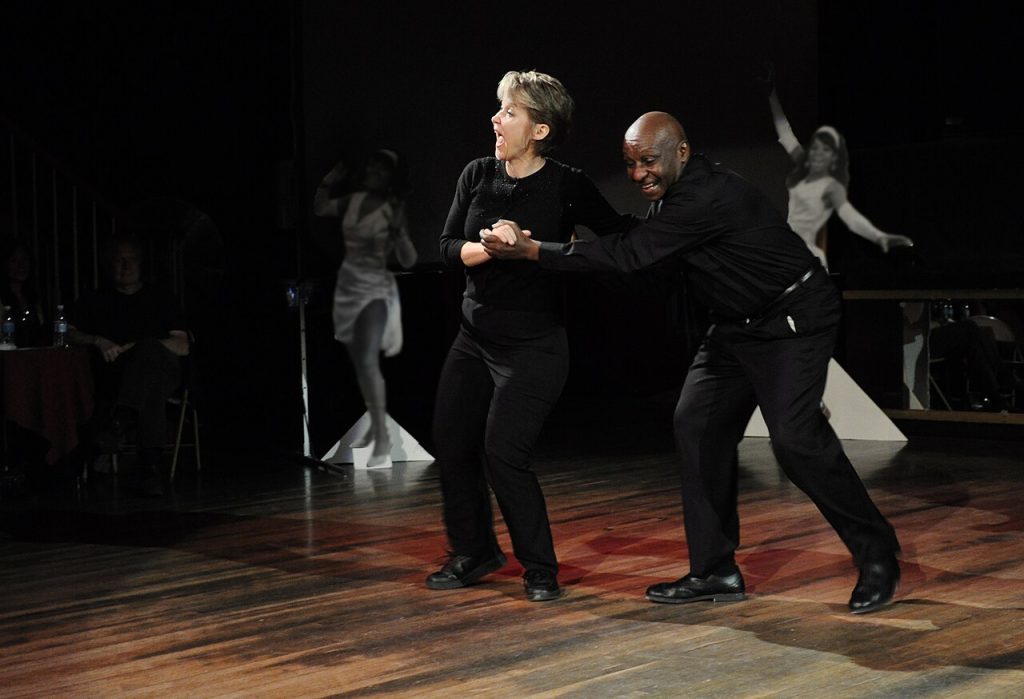
The ongoing evolution of contemporary dance raises important questions about its future. How will these new influences shape the next generation of dancers? Will technology become an integral part of traditional choreography, or will it lead to entirely new art forms? As we navigate this exciting landscape, the creativity and innovation of emerging artists will undoubtedly continue to redefine the parameters of contemporary dance.
Join us as we delve deeper into the evolution of contemporary dance, exploring how the dynamic interplay of culture, technology, and social awareness is reshaping this vibrant discipline into a form that reflects the complexities of our modern world.
Breaking Boundaries: New Influences in Contemporary Dance
The ongoing evolution of contemporary dance showcases a rich tapestry of influences that challenge traditional boundaries and redefine artistic expression. As new generations of dancers and choreographers emerge, they bring forth novel approaches that not only document their unique perspectives but also unite disparate styles and philosophies into a cohesive narrative. This section will explore the multifaceted nature of contemporary dance and how young artists are instrumental in reshaping its landscape.
Crossover of Influential Styles
Younger generations are increasingly blurring the lines between various dance disciplines, resulting in an exciting crossover of styles. This cultural cross-pollination has birthed hybrid forms that challenge preconceived notions of what dance can be. For instance, the integrative work of artists like Marjani Forté-Saunders incorporates elements of Afro-diasporic traditions, theater, and even spoken word. The blending of these diverse components allows for richer storytelling and expression, enabling dancers to communicate layers of meaning with their movements.
- Breaking traditional barriers: Dancers are no longer confined to specific genres, allowing for a fusion of technical vocabularies.
- Creating new vocabularies: With influences ranging from street dance to classical ballet, artists are building unique movement languages that resonate deeply with their audiences.
- Encouraging interactivity: Emerging forms of dance often invite audience participation, blurring the roles of performer and spectator.
The Role of Collaboration
Collaboration plays a pivotal role in contemporary dance, as artists recognize the power of collective creativity. Today’s choreographers frequently collaborate with visual artists, musicians, and even scientists, resulting in multidisciplinary works that elevate the artistic experience. Companies like PHILADANCO! and The Hip Hop Nutcracker exemplify these collaborative efforts, crafting performances that intertwine dance, music, and narrative to draw in an increasingly diverse audience. This interconnectedness not only broadens the reach of dance but also fosters a sense of community and shared purpose among artists.
Inclusivity and Social Justice
At the heart of contemporary dance’s evolution lies a growing commitment to inclusivity and social justice. A new wave of artists is dedicated to ensuring that the stage reflects a variety of identities, voices, and experiences. From initiatives like Dance/NYC‘s commitment to advancing dance as a social practice, to works that highlight LGBTQ+ rights or immigrant narratives, these performances are more than entertainment; they are a call to action. The narratives woven into choreography not only reflect personal journeys but also resonate with the struggles and triumphs of marginalized communities, making contemporary dance a vital instrument for advocacy and awareness.
In the evolving realm of contemporary dance, the impact of cultural diversity, innovative collaborations, and social consciousness cannot be overstated. As we ponder the future of this dynamic art form, it becomes clear that the creativity of new generations is essential in shaping how dance continues to evolve, inviting audiences to witness the unfolding story of a transformative art. In the next section, we will further investigate the role of technology and its influence on the narrative and aesthetic of contemporary dance.
In the context of contemporary dance, new generations are continually reshaping the landscape of this dynamic art form, integrating diverse cultural influences and innovative techniques. This evolution is not merely a reflection of changing tastes but also a response to the societal shifts and technological advancements of the times. One significant aspect of this transformation is the infusion of technology into performances. Young choreographers are experimenting with multimedia elements, utilizing projections, interactive installations, and even virtual reality to create immersive experiences that challenge the traditional boundaries of performance. This approach not only captivates audiences but also invites deeper engagement, fostering a dialogue between the performers and viewers.Moreover, contemporary dance has become a platform for social commentary, with emerging artists using their craft to address pressing issues such as identity, gender, and environmental concerns. This socio-political awareness is evident in the works of diverse choreographers who draw from their unique cultural backgrounds, thus enriching the tapestry of contemporary dance. These artists often collaborate across genres, merging hip-hop, ballet, and even theatrical elements, to craft narratives that resonate with a broader audience.As these new voices gain prominence, they are also redefining the conventions of dance pedagogy. Community-focused workshops and inclusive training programs are being developed to make dance more accessible to aspiring artists from various walks of life. This democratization of dance education ensures that the next generation of performers can draw on a wealth of experiences and perspectives, further diversifying the art form.Finally, the impact of social media cannot be overlooked. Platforms like Instagram and TikTok have democratized the dissemination of dance, allowing new choreographers to share their work with an international audience almost instantaneously. This increased visibility has not only fostered a sense of community among dancers worldwide but has also created trends that blur the lines between professional performance and social expression, indicating a promising future for contemporary dance as it continues to evolve and adapt. As the art form progresses, it remains vital to explore the implications of these transformations, as they reflect broader societal trends and speak to the ever-changing nature of artistic expression. The influence of new generations promises a vibrant future for contemporary dance, inviting audiences to witness the unfolding narrative of this living art.
Embracing Technology: A New Dimension in Dance
As contemporary dance evolves, the integration of technology has become a game changer, infusing new dimensions into performances and expanding the ways artists connect with audiences. Today’s dancers and choreographers are not just performers; they are innovators who harness digital tools to enhance their artistic vision. From virtual reality experiences to interactive performances, the incorporation of technology is reshaping the aesthetic and narrative frameworks within which contemporary dance operates.
Digital Platforms and Accessibility
The rise of digital platforms has democratized the accessibility of dance, allowing artists to reach broader audiences than ever before. Productions that once only graced physical stages can now be streamed online, enabling performances to be viewed by global audiences. Companies like Alvin Ailey American Dance Theater have effectively utilized online streaming services to share their work, making it easier for fans, students, and aspiring dancers to engage with their creations.
- Expanding audience reach: The ability to share performances digitally breaks geographical barriers, inviting viewers worldwide into the company’s unique cultural narratives.
- Live streaming events: Innovations in real-time performance streaming allow for interactive viewer engagement, where audiences can participate through virtual means.
- Online workshops and classes: Aspiring dancers benefit from access to masterclasses and workshops led by renowned artists, democratizing education in contemporary dance.
Choreography and Motion Capture
Motion capture technology is opening new horizons in choreography, allowing artists to visualize movements in ways previously unimaginable. By employing data-driven approaches, choreographers can analyze body movements and translate them into digital forms. This fusion of dance and technology brings forth performances that encapsulate not just physical movements, but the emotions and narratives behind them. Pioneering artists like Wayne McGregor use motion capture to generate visual representations of choreography, combining dance with digital art forms to challenge and engage audiences in innovative ways.
Augmented Reality and Interactive Installations
The deployment of augmented reality (AR) in contemporary dance reflects an adventurous spirit within the art form. AR installations invite audiences to immerse themselves in multidimensional experiences that blend physical spaces with digital narratives. Contemporary dance companies worldwide are experimenting with this technology, creating staged encounters where dancers and digital avatars coexist, prompting viewers to reconsider their perception of space and movement. This synergy fosters a unique experience where the audience’s engagement shifts from passive observation to active participation.
The transformation of contemporary dance through technology reflects a resonating shift towards innovation and creativity. With burgeoning artists leading the charge, the incorporation of new media is not simply enhancing performance but is expanding the cultural conversation around what dance can signify in an increasingly complex world. As we forge ahead, the exploration of technology’s role in dance continues to evolve, creating new avenues for artistic expression and audience connection.
Conclusion: The Future of Contemporary Dance
The evolution of contemporary dance is a testament to the resilience and adaptability of a rich art form. As we have explored, new generations of dancers and choreographers are not simply performing; they are redefining the very essence of dance through innovative approaches and the seamless integration of technology. This integration has opened up exciting pathways for artistic expression, allowing artists to reach wider audiences and explore narratives that resonate on both personal and societal levels.
With the rise of digital platforms, dance is becoming accessible like never before, breaking down geographical barriers and inviting diverse audiences to experience performances from their own homes. Artists utilizing motion capture and augmented reality are pushing creative boundaries, allowing viewers to engage in immersive and interactive experiences that transform conventional perceptions of performance art. This evolution is not just about technology but about challenging what dance can be, embodying a voice for community, culture, and change.
As we look forward, the future of contemporary dance will undoubtedly be shaped by these innovative practices, and the ongoing dialogue between tradition and modernity. It is a fertile ground for exploration, where each new generation will continue to transform the art, ensuring that contemporary dance remains a dynamic and critical reflection of our world. As audiences, we are invited to actively participate in this transformation, fostering a vibrant and inclusive dance community that embraces creativity and collaboration.
In this ever-evolving landscape, the possibilities are extensive and exhilarating, encouraging both artists and audiences to challenge the status quo and envision what is next for the art of dance.