
The Evolution of Materials in Craft: From Traditional to Digital

The Timeless Evolution of Craftsmanship
The journey of craftsmanship is a captivating narrative that spans centuries, intricately composed of various materials that have evolved and adapted to the needs and innovations of different eras. From the rudimentary tools forged from stone and wood in prehistoric times to the sophisticated fabrics and intricately designed 3D-printed objects of the modern age, materials have consistently shaped the essence of human creativity and innovation.
To truly grasp the evolution of these vital materials, we can delve into several significant milestones in materials evolution:
- Traditional Techniques: Ancient civilizations utilized clay, textiles, and natural fibers to create functional and decorative items. For instance, pottery from Mesopotamia, made from local clays, not only served as storage for grains but also as canvases for artistic expression. Similarly, woven textiles from cultures such as the Navajo or the Incas showcase intricate patterns that tell stories passed down through generations.
- The Industrial Revolution: This transformative period marked a shift in craftsmanship as mass production methods began to dominate. The introduction of new materials such as iron and steel, alongside synthetic options like nylon and polyester, revolutionized industries. Factories could produce goods at unprecedented rates, making them more accessible to the general public. This transition drastically changed the landscape of craftsmanship, enabling artisans to experiment with new forms, designs, and functionalities.
- Digital Era: The advent of digital technology has given rise to a plethora of tools that redefine craftsmanship. Innovations such as laser cutting, computer numerical control (CNC) machining, and 3D printing allow makers to design intricate items with precision that was once unimaginable. These technologies have fostered an environment where traditional crafts and contemporary design methodologies can coexist harmoniously.
Each of these phases has profoundly influenced not just what craftspeople create, but also how they approach their art. Traditional artisans leaned heavily on physical skills honed over years of practice, relying on cultural techniques passed down through generations, while modern makers often embrace a synergy of creativity and technology.
As we explore this ongoing evolution, we uncover how contemporary craftsmen are integrating digital tools into their repertoire while preserving the essence of time-honored practices. Artists today can experiment with hybrid methods, combining age-old techniques with new technologies to produce innovative works that pay homage to the past while addressing modern needs.
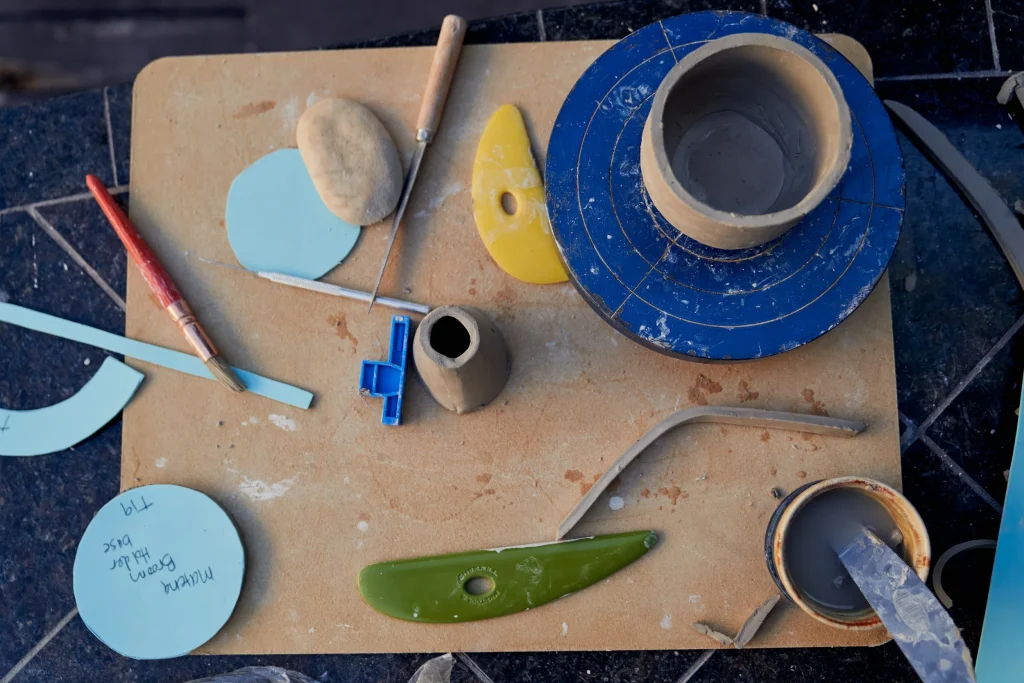
This ongoing dialogue between past traditions and future innovations invites us to appreciate the rich complexity of craftsmanship. Whether it is a hand-carved wooden sculpture or a 3D-printed prototype, the fusion of materials tells a unique story that reflects both human ingenuity and cultural heritage. As we continue this exploration, we encourage readers to seek out local artisans and makers in their communities, each contributing to the vibrant tapestry of craftsmanship that connects us all.
Tracing the Roots of Material Innovation
The exploration of materials in craftsmanship is not merely an examination of the substances themselves; it is a reflection of the societies that utilize them. As we journey through history, it becomes evident that the materials chosen for crafting are often a direct response to the environment, available resources, and cultural practices of the time. In this section, we will focus on the early days of craft, the impact of the Industrial Revolution, and how these developments paved the way to our current digital age.
The Foundations of Traditional Craftsmanship
At the heart of traditional craftsmanship lies an array of materials that were deeply intertwined with community resources and skills. For instance, wood, a material that is as old as civilization itself, has long been a favored choice due to its availability and workability. From Native American totem poles to Scandinavian furniture, wood exemplifies the cultural significance artisans found in their surroundings. The crafting of tools, shelter, and ornaments from natural resources created a rich tapestry of artistic expression, often reflecting the spiritual and practical needs of the people who made them.
- Pottery and Clay: The earliest known examples of human craftsmanship include pottery created from clay. Civilizations like the ancient Chinese and Greeks sculpted clay to produce not just functional storage vessels but also exquisite works of art adorned with intricate designs.
- Textiles and Natural Fibers: Cultures around the globe have utilized cotton, wool, and silk in clothing and crafts. The development of weaving techniques and dyeing processes allowed for the creation of patterns that conveyed cultural narratives and social status.
- Metalworking: The use of metals like bronze and iron marked a crucial turning point in craftsmanship. Artisans began to mold, cast, and forge materials not just for utility but also to create objects of beauty, such as jewelry and detailed weaponry. This blending of function and artistry continues to inspire modern metalworkers.
The Industrial Revolution: Redefining Craft with New Materials
The dawn of the Industrial Revolution in the late 18th century transformed the very framework of craftsmanship. With the introduction of mass production, artisans were inundated with new materials such as iron and steel, alongside synthetic materials like nylon and polyester. This period marked a significant departure from traditional methods, allowing for the large-scale manufacture of goods that were once painstakingly crafted by hand.
As factories began to dominate production, the relationship between the craftsman and material evolved. No longer were artisans solely responsible for every step in the crafting process; instead, they adapted their skills to incorporate emerging production techniques, experimenting with different forms and designs. This era not only increased accessibility to crafted goods but also initiated a dialogue about the value of handmade items in contrast to mechanized products.
Ultimately, the experience of crafting with new materials during the Industrial Revolution laid the groundwork for contemporary makers to navigate a world filled with both traditional craftsmanship and modern technology. The synergy of these two distinct worlds continues to shape our understanding of what it means to be a craftsman today.
The Evolution of Materials in Craft: From Traditional to Digital
The transformation of craft materials from traditional to digital has brought forth an unprecedented wave of creativity and innovation. As artisans and creators embrace new technologies, they are not discarding traditional practices but rather integrating them with modern techniques, leading to hybrid art forms that appeal to a wider audience. This section delves into the specific advantages of utilizing both traditional and digital materials in the crafting process.
| Advantages | Description |
|---|---|
| Enhanced Accessibility | Digital materials allow more creators to participate in crafting, providing tools and resources that were once limited to traditional techniques. |
| Expanded Design Possibilities | Artists can now experiment with 3D modeling and digital printing, which enables intricate designs that push the boundaries of traditional craftsmanship. |
This blend of the past and future creates a richer tapestry of creative expression. As this trend continues to evolve, we can expect that the dialogue between traditional and digital crafting will unlock even more revolutionary techniques and imaginative outcomes.
The Rise of Digital Materials and Contemporary Crafting
Entering the digital era, the landscape of crafting has undergone a remarkable transformation, marked by the emergence of digital technologies and materials that enable artisans to push the boundaries of creativity and production. No longer constrained by traditional methods, contemporary makers are embracing cutting-edge tools such as 3D printing, laser cutting, and computer-aided design (CAD) software. This shift not only changes the materials used but also redefines the very notion of craftsmanship itself.
3D Printing: A New Dimension in Craftsmanship
Perhaps one of the most groundbreaking advancements in materials has been the widespread adoption of 3D printing. This technology allows artisans to fabricate intricate designs using a variety of materials, ranging from biodegradable plastics to metal alloys. As 3D printers become increasingly affordable and accessible, creators are no longer limited to conventional materials. Instead, they can experiment with composite filaments infused with materials such as wood or metal, resulting in hybrids that retain the aesthetics of traditional craftsmanship while integrating modern performance.
For instance, artisans in the U.S. are innovating by using 3D printing to create bespoke furniture and functional art pieces, allowing for customization on levels previously unimagined. Businesses like Made In Space are even exploring how 3D printing can be applied in space, foreshadowing a future where crafting transcends earthly limitations.
Laser Cutting and CNC Technology: Precision in Crafting
Adding a layer of precision to the crafting process is the advent of laser cutting technology and computer numerical control (CNC) machines. These tools enable artisans to cut, engrave, and shape materials with extreme accuracy, opening up new avenues for detailed work on wood, metal, and textiles. Craftspeople can produce intricate patterns that would be nearly impossible to achieve by hand, thereby blending traditional aesthetics with modern techniques.
- Textile Innovation: Fabricators are employing laser cutting to create unique textile designs that harmonize traditional patterns with contemporary styles. This not only enhances the visual appeal but also contributes to sustainable practices by minimizing waste.
- Woodwork and Architecture: Designers are using CNC machinery to craft complex furniture designs and architectural elements, allowing for a fusion of traditional craftsmanship with structural innovation.
- Metal Forming: Artisans are incorporating laser-cut metal elements into their work, creating stunning sculptures and functional objects that boast elegance and durability.
Sustainable Materials: A Return to Nature
The intersection of digital technology and craft also encourages a renewed focus on sustainable materials. As awareness of environmental issues rises, many contemporary makers are turning to eco-friendly materials such as recycled plastics, organic textiles, and responsibly sourced woods. These materials not only resonate with the ethical considerations of modern consumers but also allow artisans to experiment with unique textures and properties that challenge traditional norms.
Moreover, advancements in digital fabrication frequently promote sustainability by reducing material waste during production. Techniques such as generative design, which allows software to optimize material usage, encourage a conscious approach to crafting that aligns with the principles of environmental mindfulness.
This evolution underscores a critical shift in perspective concerning materials in craft. The juxtaposition of traditional methods with innovative technologies and sustainable practices has generated a vibrant and diverse landscape where artisans thrive, continually reinventing the creative process to resonate with both history and the future. Through merging legacy with modernity, the world of craft continues to evolve, inviting enthusiasts and practitioners alike to explore its boundless possibilities.
Conclusion: Crafting a New Future
The evolution of materials in craft—from traditional to digital—highlights a fascinating journey that reflects both technological advancements and cultural shifts. As artisans adopt digital tools like 3D printing and laser cutting, they are not merely reforming techniques; they are reimagining the essence of craftsmanship itself. This merge of old and new enables creators to explore complex designs, achieve greater precision, and experiment with materials that were once deemed unconventional.
Furthermore, the emphasis on sustainable materials amidst this transition indicates a commendable shift towards environmental consciousness within the craft community. By exploring eco-friendly options such as recycled plastics and organic materials, artisans are rethinking consumption practices and aligning their work with ethical consumerism. This not only enhances the value of handcrafted items but also paves the way for a more sustainable future in both creation and consumption.
As we look forward, it becomes clear that the vibrant intersection of traditional craftsmanship and modern technology will continue to inspire and redefine the creative process. For enthusiasts and creators alike, this landscape offers extraordinary opportunities to innovate while respecting the rich heritage of crafting. By staying curious and embracing new possibilities, the world of craft challenges us to merge the best of both worlds, ensuring its evolution is as dynamic and diverse as the materials that will shape its future.