The Influence of Music on Body Expression: How Rhythm Transforms Dance
The Power of Music in Movement
Music has a profound impact on our emotions and movements, acting as a universal language that transcends cultural barriers. Whether you’re swaying to the rhythmic beats of a pop song or getting lost in the soothing harmonies of a Bach concerto, the way music resonates within us is remarkable. It shapes our moods, guides our actions, and influences our very way of life. This connection between music and movement opens a world of possibilities for both artists and audiences, making the exploration of this relationship essential for a deeper understanding of both art forms.
Consider the various elements of music that significantly influence body expression:
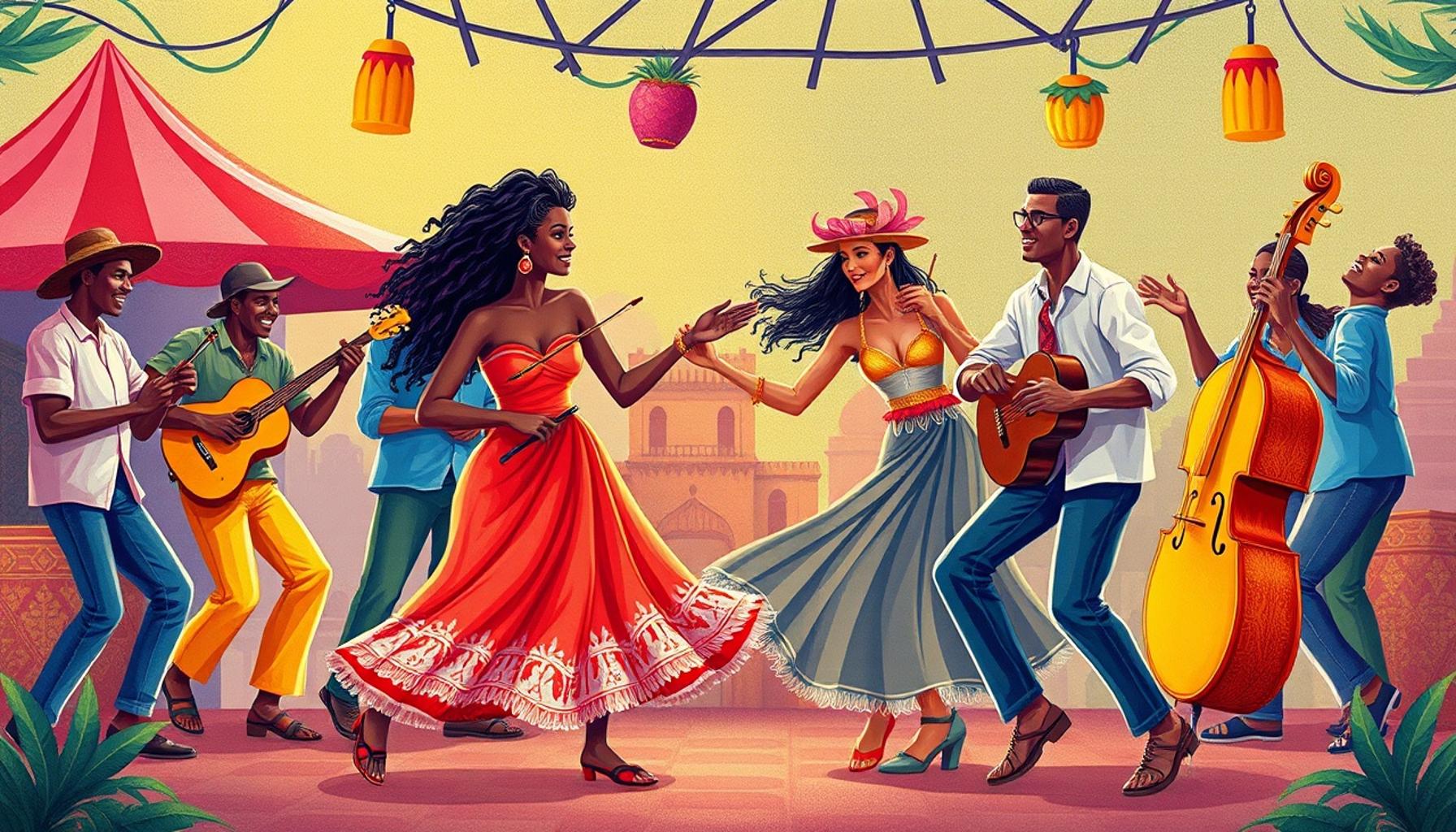
- Rhythm: Often considered the backbone of any dance form, rhythm dictates the pace and flow of movements. For instance, in salsa dancing, the intricate syncopations and vibrant rhythms prompt dancers to engage in complex patterns and footwork that mirror the lively sounds of the music.
- Tempo: The speed of a piece greatly affects how we move. A fast tempo can inspire a lively jive or a high-energy hip-hop routine, while a slow tempo may lead to more graceful movements as seen in lyrical dance. Dancers often tailor their expressions to fit the tempo, which can dramatically alter the emotional tone of their performance.
- Dynamics: The variations in loudness and intensity provide opportunities for contrasting styles of movement. An upbeat pop track might encourage explosive, high-energy movements, while a softer, more melancholic piece can inspire gentle, flowing gestures. Understanding dynamics allows dancers to express a range of emotions, leading to a more nuanced performance.
The relationship between music and dance spans a vibrant spectrum, with various genres inspiring unique body expressions:
- Jazz: This genre celebrates improvisation and personal style, allowing dancers to showcase their individual interpretations of the music. The spontaneity of jazz dance fosters a deep connection with the rhythm, encouraging performers to break traditional boundaries.
- Ballet: Known for its emphasis on precision and elegance, ballet dancers execute movements that reflect the intricate musical compositions they perform to. The structured form and discipline in ballet highlight the technical skill, often making the synergy between dancer and music feel almost magical.
- Hip-Hop: With its roots in street culture, hip-hop dance emphasizes individual personality and cultural expression. The genre often involves breaking, locking, and popping, allowing dancers to embody the music’s beats and messages with authenticity.
Exploring how rhythm transforms dance not only enriches the performance but also deepens the audience’s experience. It creates a dialogue between the performer and the viewer, where each body movement can evoke feelings, thoughts, and memories tied to the music being played. Whether in a grand theater or a local dance studio, this profound connection highlights the transformative power of music in shaping our physical expression. As we delve deeper into this captivating synergy, we invite you to witness how music continues to inspire, challenge, and elevate the art of dance in all its forms.
Rhythm as the Heartbeat of Dance
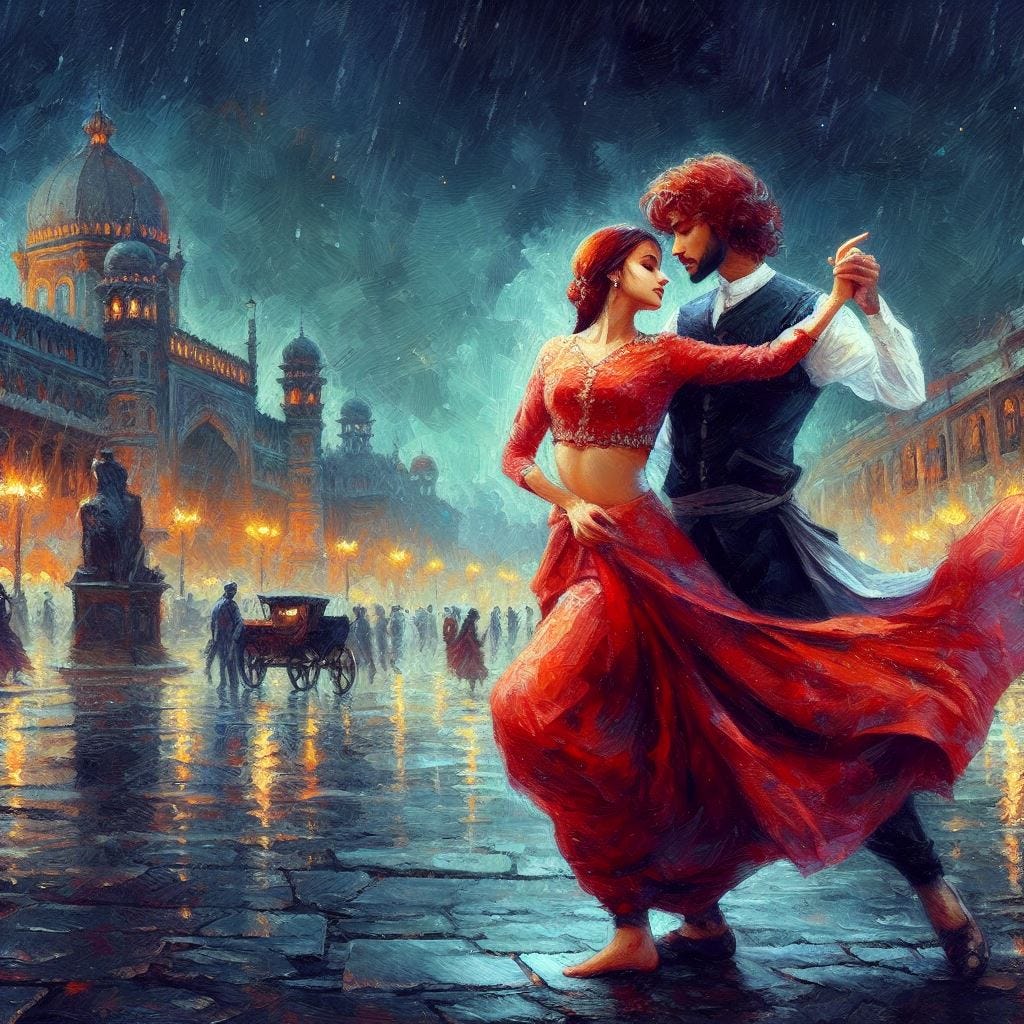
At the core of dance lies rhythm, the periodic recurrence of sound that serves not only as a backdrop but as a driving force behind body expression. Rhythm provides the structure that dancers rely on to create movement, shaping both their physicality and emotional interpretation of the music. When a dancer hears a compelling beat, the body instinctively responds with a language of motion. This connection is so innate that it often feels as if the music pulses through the dancer’s veins, guiding every step and sway.
The intricate relationship between rhythm and dance finds its roots in various cultural traditions around the globe. For example, African dance forms often showcase complex polyrhythms, where dancers employ their entire body to articulate the music. The interdependence of rhythm and movement here is not only aesthetic but also a means of storytelling. Each beat can signify a different emotion or narrative thread, allowing the dancer to communicate profound messages through their physical expressions.
In Western contexts, genres such as jazz and tap dance exemplify how rhythm transforms body movement. In jazz dance, the emphasis on improvisation allows performers to explore personal expression while staying connected to the rhythmic elements of the music. The syncopation prevalent in jazz provides dancers with a range of options to accentuate their movements, presenting an opportunity to deliver unique interpretations that resonate with audiences. Similarly, tap dance harnesses the sounds of the feet striking the floor, turning the dancer into a percussive instrument, merging rhythm with athleticism.
Impact of Timing and Accentuation
Timing plays a crucial role in how dancers articulate movements in response to music. Accentuation, or emphasizing certain beats within a measure, serves as an invitation for unique expressions. For instance, a strong downbeat can trigger a sharp, sudden movement, while a smoother transition between beats may lead to elongated, flowing gestures. Dancers often train their bodies to respond to these variations in music, finding ways to seamlessly transition between different movement styles based on rhythmic changes.
- Salsa: In salsa, dancers must navigate rapid shifts in rhythm, often responding to quick tempo changes that require sharp footwork and fluid body movements.
- Ballet: Ballet techniques rely heavily on musical phrasing, where dancers anticipate the music’s crescendos and decrescendos, ensuring their movements align perfectly with the emotional highs and lows of the piece.
- Contemporary Dance: This genre often embraces the idea of musicality, allowing dancers to explore how rhythm interacts with space and gravity, making each motion a reflection of the underlying beats.
By understanding the vital role rhythm plays in shaping dance, performers can not only enhance their own artistry but also create a more engaging and emotional experience for their audiences. The intimate connection between music and body expression allows for a dynamic interaction that encourages both participation and reflection—transforming not just the performance, but the very essence of what dance can convey.
| Advantages | Insights |
|---|---|
| Emotional Expression | Music infuses depth into movement, enabling dancers to articulate emotions ranging from joy to sorrow. |
| Enhanced Coordination | The rhythmic patterns of music improve body coordination, allowing for more complex and fluid dance routines. |
| Cultural Connection | Different genres of music link to distinct cultural movements, enriching the dance experience and promoting cultural appreciation. |
| Improved Technique | With music as a guide, dancers can refine their technique and timing, creating a seamless performance. |
The interplay between music and body movement extends beyond mere rhythm; it encapsulates the essence of life itself, resonating deeply with human emotions and cultural identities. As rhythm drives the dancer’s feet and stirs the soul, the result is a captivating synergy that not only enriches the aesthetic quality of dance but also enhances the performer’s emotional vocabulary. Furthermore, by studying the relationship between rhythm and dance, we can uncover a vast array of forms—each telling its own story through the bodies that express it. Imagine a dancer’s body moving fluidly in sync with the beat, translating musical rhythms into a powerful, visual language that speaks volumes beyond words. This connection is truly profound, offering a glimpse into how rhythm can elevate the practice of dance to an art form that transcends cultural and geographic boundaries. Engaging with these facets can lead to a greater understanding and appreciation of how music shapes movements uniquely in various dance styles worldwide.
The Evolution of Dance Styles Through Music
The interplay between music and dance is not merely a tradition; it embodies a rich tapestry of cultural evolution. Over decades, music styles have prompted new dance forms, reflecting societal shifts and technological advancements. As one examines the landscape of dance history, it becomes apparent how different musical genres have inspired innovative body expressions, creating distinct dance styles that resonate with the rhythms of their time.
The 20th century heralded an explosion of musical genres that irrevocably shaped dance culture. The birth of rock and roll in the 1950s not only transformed the music scene but also revolutionized dance. Catchy beats and infectious tempos led to energetic dances like the twist and the jitterbug, characterized by spontaneous and exuberant movements that mirrored the liberating spirit of the era. The visceral connection between the sharp guitar riffs and dynamic body motions illustrated how music can compel dancers to express freedom and rebellion.
As the decades progressed, the advent of hip hop in the 1970s and 1980s introduced a new realm of street dance that was raw and organic. Rooted in the beats of rap music, hip hop dance embraced individual expression and social commentary. Styles such as breaking and popping emerged, showcasing sharp, isolated movements in sync with rhythmic elements like beats and bass drops. Dancers began to articulate stories of their communities, channeled through a fresh language of movement that showcased their realities.
The Cultural Impact of Music and Dance Fusion
Beyond individual expression, the fusion of music and dance can serve as a powerful tool for cultural dialogue. For instance, the flamenco tradition of Spain encapsulates the deep connection between intricate guitar strumming, hand clapping, and passionate body movements. The performers’ footwork and expressive gestures convey a wealth of emotion, reflecting centuries of cultural and historical experiences. Flamenco is not just dance; it is a narrative, encapsulating the stories of struggle, joy, and identity.
- Bharatanatyam: This classical Indian dance form combines intricate footwork with expressive hand gestures, known as mudras, set to mesmerizing rhythmic patterns in traditional music. The dancer’s movements interpret not only the musical rhythm but also scripts from ancient epics, creating a multilayered experience.
- Irish Dance: With its strong emphasis on rhythm, Irish dance showcases the connection between lively music and precise footwork. The distinct styles, often performed as part of a group, emphasize the lively jigs and reels of traditional Irish music, inviting audiences to witness the transformation of rhythm into visual artistry.
- Bollywood Dance: In contemporary India, Bollywood music has inspired vibrant dance performances that blend classical and folk traditions with modern pop influences. Dancers often use exaggerated expressions and dynamic movements, reflecting the beats of the catchy music while narrating complex stories that engage varied audiences.
The evolution of dance as influenced by diverse musical genres reveals how rhythm can manifest through body expression. Each new style emerges as a response to the music’s nuances, transforming not only how dances are performed but also the stories they tell. This intricate relationship demonstrates the profound capacity of music to shift cultural perceptions and initiate new forms of artistic expression, lending insight into the ongoing dialogue between rhythm and body expression in the world of dance.
Conclusion: The Rhythm of Expression
The profound influence of music on body expression through dance is a captivating phenomenon that transcends cultural boundaries. From the energetic movements inspired by rock and roll to the intricate storytelling within Bharatanatyam, each dance form serves as a reflection of the musical landscape of its time. It is evident that the relationship between rhythm and movement is not simply a matter of aesthetic appeal but a deeper commentary on societal values, emotional experiences, and collective identity.
As we witness the evolution of dance styles shaped by diverse musical genres, we become aware of how music acts as a catalyst for transformation. The connection between hip hop beats and the raw physicality of street dance or the vibrant spirit found in Bollywood dance illustrates how rhythm holds the power to evoke emotions and inspire creativity. Dancers have harnessed music to express their narratives, channeling personal and cultural identities through dynamic movements that resonate with audiences.
Ultimately, exploring the synergy between music and dance reveals the intricate layers of our shared human experience. This ongoing dialogue between rhythm and body expression not only enriches the art of dance but also empowers individuals to connect with others on a profound emotional level. As we continue to explore this transformative relationship, we invite readers to dive deeper into the world of dance and music, unveiling the stories that both mediums tell and celebrating the unifying power of rhythm in our global community.