The Interaction between Music and Dance in the Digital Era: New Forms of Performance and Audience Engagement
The Dynamic Interplay of Art Forms in a Digital Landscape
In today’s increasingly interconnected world, music and dance have transformed into vibrant forms of expression, continuously reinventing themselves to enhance both performance and audience interaction. The evolution of technology has facilitated a remarkable shift in the way artists conceive, create, and share their work, all while fostering a deeper engagement with their audiences.
The fascinating fusion of music and dance manifests through various innovative platforms that bridge the gap between creators and viewers. These include:
- Live-streaming events that make concert performances accessible to countless viewers worldwide, erasing geographical barriers and democratizing the experience of live entertainment.
- Virtual reality experiences that transport audiences into immersive worlds where they can interact with performers and visualize intricate choreography in unimaginable ways.
- Social media challenges that prompt widespread user participation, allowing fans to replicate, modify, or create dance routines while showcasing their own creativity and building communal ties around a shared passion.
As artists harness these modern tools, they spawn new forms and styles of performance. For instance, platforms like TikTok have revolutionized how choreography is shared, with viral dance trends not just serving as entertainment but also as communal events where users from diverse backgrounds come together. Each dance challenge tells a story and fosters a sense of identity, united through rhythm and movement, and highlighting the social aspects of dance in the digital age.
This evolving interaction between music and dance in the digital realm prompts us to explore broader cultural shifts and trends. By recognizing the role technology plays in shaping our experiences and relationships with art, we begin to understand its impact on our collective consciousness. As we examine these themes, it becomes clear that the intricate tapestry of modern performance is not merely a fleeting trend; it signals a profound transformation in art that invites continued exploration.
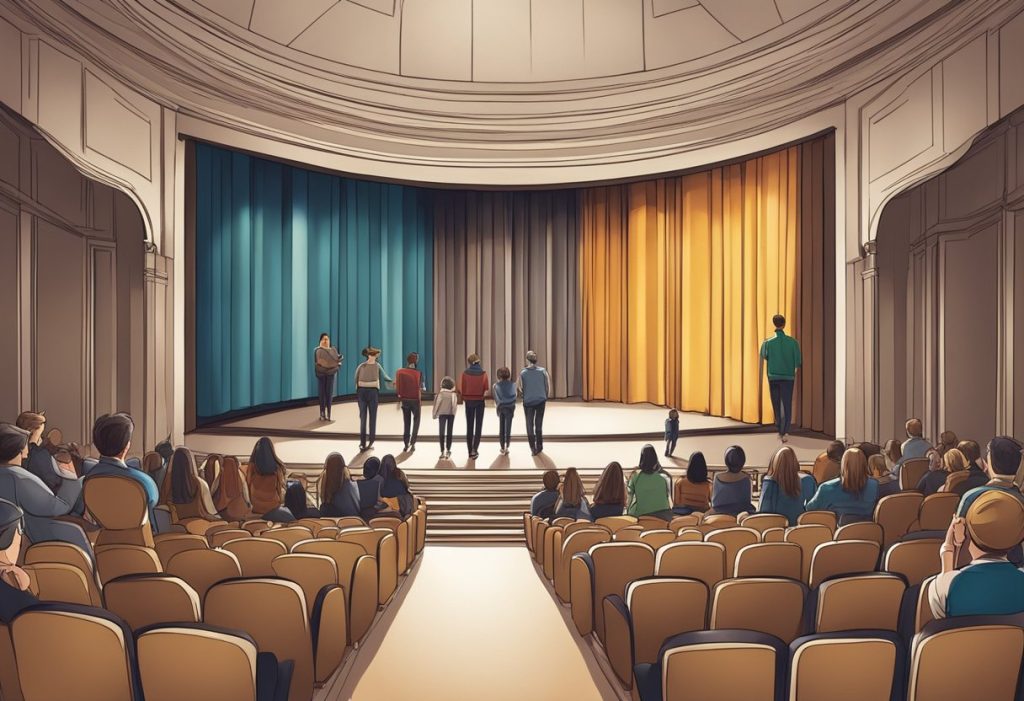
Such inquiries may lead to deeper questions about the future contours of performing arts—how will innovations like artificial intelligence and machine learning further reshape the creative process? Will the push for more inclusive platforms lead to a significant diversification in artistic voices? The landscape is vast and ripe for exploration, underscoring the endless possibilities that lie ahead in the realms of music and dance.
Transformational Impact of Technology on Performance
The digital age has ushered in a paradigm shift in the dynamic interplay between music and dance. This transformation is largely fueled by technological advancements that help both performers and audiences redefine their experiences. Artists now have the ability to reach global audiences without the constraints of traditional venues, fostering a sense of community and shared experience, regardless of distance.
One remarkable development in this arena is the rise of interactive performances. These events harness technology to create a two-way dialogue between artists and their audience. For example, platforms like Instagram Live and YouTube allow performers to interact with spectators in real-time. This engagement can include answering questions or voting on which song to play next, enabling a collaborative environment that enriches the performance for everyone involved.
Moreover, the advent of augmented reality (AR) and virtual reality (VR) presents even more possibilities for transforming audience engagement. With AR applications, dancers can perform alongside digital effects that elevate the visuals of their choreography, creating stunning, multi-layered performances that captivate viewers’ imaginations. Similarly, VR experiences can immerse audiences in entirely new worlds where they can not only watch but also feel as if they are part of the performance. These experiences expand the concept of live theater and give a new meaning to the term “performance art.” As a result, entire new genres are emerging, blending the line between audience and performer.
Additionally, the impact of social media on dance culture cannot be overstated. Platforms like TikTok have birthed a myriad of viral dance trends that encourage participation at unprecedented levels. Users are not just passive viewers; they actively create and disseminate content that resonates across diverse demographics. In this way, dance becomes a communal language, offering a space where individuals from various backgrounds can come together and express themselves. Famous viral dances, such as “The Renegade,” originated from a single creator yet quickly became a global phenomenon, illustrating the power of digital platforms to amplify artistic expression.
These developments signal a deep cultural shift that is challenging traditional notions of authorship and artistic ownership. The communal aspect of dance, once confined to physical spaces, now thrives digitally, breaking down barriers and welcoming everyone to join the expressive fold. This reconfiguration of audience engagement raises critical questions about the future of performance art. As technology continues to evolve, how will its capabilities further enhance the collaboration between music and dance? What new forms of artistic expression might emerge in conjunction with these technological innovations?
As we continue to explore the relationship between music and dance during this digital era, it becomes essential to recognize the symbiotic nature of these art forms. They complement and elevate one another, creating immersive experiences that redefine what it means to perform and engage as an audience. The answers to these questions will not only delineate the evolution of performance but will also shape our understanding of art’s role in an interconnected world.
The Evolution of Performance in the Digital Age
In the digital era, the interaction between music and dance has reached unprecedented heights, allowing artists to explore new dimensions of expression and audience engagement. The rise of streaming platforms, social media, and interactive technologies has transformed traditional performances into immersive experiences. Artists are now able to broadcast their live shows to a global audience, breaking geographical barriers and cultivating a diverse following that was previously impossible.
Moreover, audience participation has taken on an entirely new meaning; viewers are no longer passive consumers of content. Instead, they can interact with dancers and musicians in real time through live streaming platforms, joining in performances from their own homes. Social media challenges such as TikTok dance trends have not only led to viral moments but have also created unique opportunities for collaboration and creativity among performers and fans alike. This democratization of performance fosters a sense of community and shared experience that transcends the limitations of physical venues.
Technological Innovations Enhancing Performance
Innovations such as augmented reality (AR) and virtual reality (VR) have further enriched the interaction between music and dance. Artists can now create immersive environments that allow audiences to step into the performance itself, experiencing it in ways that were once confined to imagination. For instance, concerts can be enhanced with virtual worlds that complement the choreography and musical composition, deepening the audience’s emotional connection.
Additionally, algorithm-driven platforms personalize the viewing experience, suggesting performances based on individual preferences and viewing history. This makes discovering new artists and styles effortless for users, ensuring a continual evolution of tastes within the dancing and music communities. Such advanced technologies not only redefine the art of performance but also pave the way for future innovations that could transform how music and dance coexist in a rapidly changing cultural landscape.
| Advantages | Impacts on Audience Engagement |
|---|---|
| Global Reach | Performances can be shared worldwide, engaging diverse audiences. |
| Interactivity | Real-time audience participation enhances emotional connections. |
| Innovative Technologies | AR and VR create unique immersive experiences for viewers. |
| Personalization | Algorithmic recommendations help users discover new performances. |
These advancements signal a remarkable shift in the realms of music and dance, inviting both creators and audiences to engage in a constantly evolving dialogue. As we navigate this digital landscape, the potential for new forms of performance continues to expand, sparking endless possibilities for artistic expression and community bonding.
Emergence of Collaborative Platforms in the Arts
As the boundaries of artistic expression continue to blur in the digital era, the emergence of collaborative platforms has taken center stage in redefining how music and dance interact. These platforms not only enable artists to connect creatively but also facilitate the blending of different art forms. Websites like SoundCloud and Bandcamp allow musicians to share their work, while platforms such as DanceOn and Steezy offer spaces for dancers to showcase choreography inspired by these very tracks. This cross-pollination fosters a culture of collaboration that benefits all involved, paving the way for innovative performances.
For instance, online challenges have gained tremendous popularity on social media. The TikTok platform is a goldmine for musicians and dancers looking to capitalize on viral trends. When a new song is released, it often inspires a cascade of choreographed dance challenges, enabling songs to reach charts based on their accompanying virality. This phenomenon highlights how quickly digital performance can spark international movements—dancers around the globe can engage with a single song, record their interpretations, and share them instantly, leading to a collective shared experience.
Moreover, live streaming has revolutionized how performances are experienced by audiences. Artists can broadcast shows in real-time, transcending geographical limitations. Notably, the Quarantine Concert campaign, where musicians livestreamed their performances during the pandemic, showcased this potential and captured the imagination of audiences around the world. Musicians like John Legend and Coldplay used platforms like Facebook and Instagram to reach millions of viewers from their homes, focusing on intimate settings while still managing to create large-scale engagement. Such performances often include dancers, further blending the two forms and enhancing the overall experience.
Digital Festivals and Virtual Collaborations
The ongoing integration of technology has also birthed an array of digital festivals that invite audiences to engage with music and dance in innovative ways. Events like Tomorrowland’s digital festival allowed thousands of participants to experience a concert-like atmosphere while sitting at home. These virtual environments often employ gamification techniques—attendees can interact as avatars, exploring the space, participating in workshops, and even engaging directly with artists and other audience members. This new format enables greater interactivity than traditional events, allowing audiences to dance together in a virtual space, reclaiming a sense of community.
Through collaborative projects, artists are beginning to harness augmented reality to fuel these digital festivals. For example, the use of AR filters on platforms like Snapchat and Instagram allows dancers to incorporate interactive elements into their routines, thereby enhancing the visual storytelling aspect of their performances. These AR innovations not only create stunning aesthetics but also engage audiences in a participatory manner, inviting them to share their experiences online.
The Future of Music and Dance Interactivity
Employing artificial intelligence in music composition further enriches this dialogue between dance and music. Tools that analyze public trends can generate new music pieces customized for specific dance styles. Similarly, AI-led choreography can produce uniquely tailored dance routines based on music dynamics, rhythm, and beat structure, generating a completely new performance experience.
Ultimately, the interaction between music and dance is evolving rapidly in the digital realm, leading to fresh forms of artistic expression that are both inclusive and participatory. Artists are continually finding new ways to engage audiences, encouraging innovation that combines technology with artistry. As we venture further into this uncharted territory, the opportunities for immersive performances and community connection are boundless, blurring the lines between creator and spectator in the most fascinating ways.
Conclusion
The interaction between music and dance in the digital era has opened up a new world of performance possibilities and audience engagement. As technology continues to reshape artistic landscapes, artists are leveraging digital platforms and collaborative tools to create innovative experiences that transcend geographic boundaries. The rise of viral challenges on platforms like TikTok and the surge of live-streaming events have allowed performers to connect with audiences in real-time, leading to a shared global experience that was unimaginable in earlier decades.
Furthermore, the advent of digital festivals and the incorporation of augmented reality in performances have transformed traditional notions of audience participation. Fans are no longer passive observers; rather, they engage as active participants, contributing to a vibrant cultural tapestry. The use of artificial intelligence in music composition and choreography heralds an exciting future where creativity is enhanced by technology, allowing artists to craft bespoke experiences that resonate more deeply with viewers.
As we reflect on this intersection of art forms, it becomes clear that the digital era empowers both musicians and dancers to reimagine their roles, fostering a culture of collaboration and interactivity. The path ahead promises to be exhilarating, with limitless opportunities for exploration. The future of music and dance is not just about individual expression; it is about creating a community where creativity knows no limits and the audience becomes an integral part of the performance narrative. As these artistic evolutions continue to unfold, they beckon us to engage, participate, and celebrate the ever-changing dance of music and movement.