
The Intersection of Photography and Fashion: How Images Shape Trends and Identities
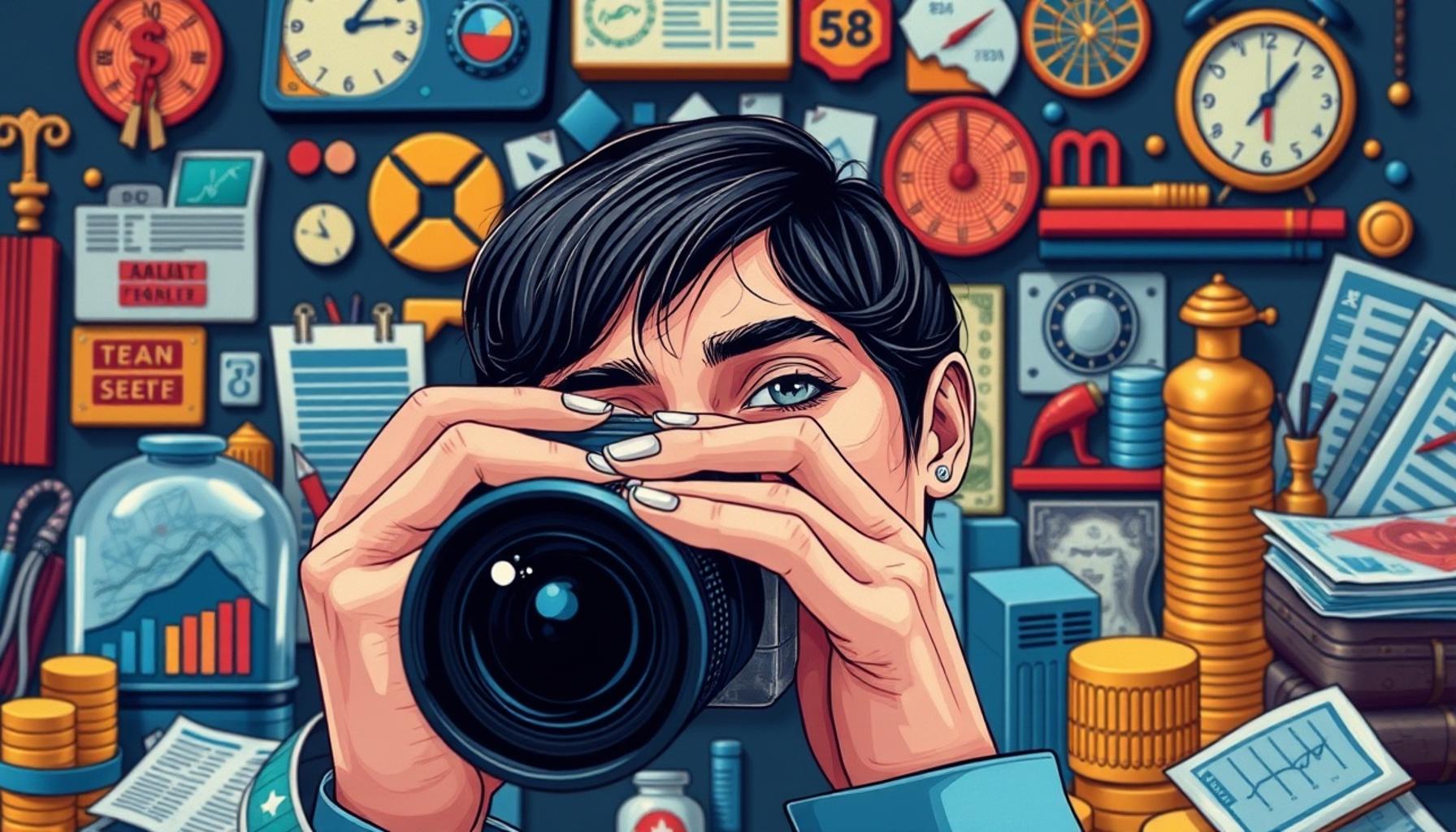
The Fusion of Imagery and Style
The fusion of photography and fashion creates a powerful dialogue, one that transcends mere aesthetics. Today, images are not just visuals; they are cultural artifacts that shape trends and establish identities. As social media platforms evolve, the role of imagery in fashion continues to expand, influencing everything from runway styles to streetwear. The advent of high-quality smartphone cameras and editing apps has democratized fashion photography, allowing anyone to create striking visual content and share it with a global audience.
Key Influencers of This Intersection
- Iconic Photographers: Names like Richard Avedon and Annie Leibovitz have defined fashion photography through their unique perspectives. Avedon’s dynamic compositions captured the essence of American fashion in the 20th century, while Leibovitz’s intimate portraits of celebrities have humanized and brought a sense of relatability to the fashion industry. Today’s photographers, like Tyler Mitchell—known for his groundbreaking work featuring Black culture in fashion—continue to push the boundaries, celebrating diversity.
- Digital Platforms: Instagram and TikTok have reshaped how fashion is consumed and appreciated. With millions of users sharing their personal styles and curated feeds, digital platforms are now pivotal for brands seeking visibility. Influencers with substantial followings leverage these platforms, turning social media accounts into fashion magazines that engage audiences in real-time. The hashtag #OOTD (Outfit Of The Day) has empowered everyday fashion enthusiasts to share their looks, facilitating a community-driven fashion culture.
- Cultural Movements: Fashion imagery reflects and often propels societal changes, including *gender identity* and *body positivity*. The rise of campaigns showcasing models of all shapes, sizes, and backgrounds illustrates an industry striving for inclusivity. For example, brands like Aerie and Savage x Fenty have adopted body-positive messaging in their marketing, using diverse models to celebrate authenticity and individualistic beauty.
Moreover, consider how current trends arise. Street style, captured by photographers, often becomes the heartbeat of high fashion. Observing how everyday individuals interpret designer clothing informs the industry’s trajectory, with runway collections increasingly borrowing elements from street culture. Meanwhile, celebrity endorsements and viral images can catapult an obscure label to international fame in a matter of days, as seen with brands like Off-White and Fear of God, which started as indie labels before becoming fashion phenomena through strategic social media presence.
The Role of Visual Narrative
Visual storytelling is crucial in connecting audiences with brands. Through compelling imagery, brands convey not just their products, but also the lifestyle and identity associated with them. For instance, Patagonia’s campaigns often blend environmental activism with outdoor apparel, appealing to a demographic that values sustainability as much as style. This intersection of photography and fashion is not just art; it is a reflection of who we are and how we wish to be seen. As consumers, our engagement with fashion imagery remains pivotal, guiding our purchasing decisions and shaping our own identities within the broader cultural tapestry.
In conclusion, the interplay between photography and fashion extends beyond the surface, creating a rich narrative that underscores our collective values, aspirations, and cultural shifts. Exploring this dynamic by examining influential photographers, tracing the impact of digital media, and recognizing social movements can offer valuable insights into the future of fashion.
Embracing New Aesthetics in Fashion Photography
The world of fashion photography is undergoing a vibrant transformation, with images serving not only as marketing tools but also as a medium of expression that shapes public perception and cultural identity. This evolution is marked by several key factors that intertwine the two worlds of fashion and photography, each feeding into and influencing the other.
The Impact of Influencers and Micro-Cultures
Today, social media influencers wield significant power in determining what becomes fashionable. These individuals are often not just models but content creators who carefully curate their visual narratives to reflect *individuality* and *diversity*. As they share glimpses of their personal styles, they encourage followers to experiment with their own looks, leading to micro-trends that may bypass traditional fashion cycles. Some critical aspects of this phenomenon include:
- Authenticity: Audiences increasingly crave transparency and authenticity in fashion imagery. Influencers who share their behind-the-scenes experiences foster a connection that allows them to resonate with audiences on a deeper level.
- Accessibility: Unlike high-fashion editorials, which often exude a sense of unattainability, many online fashion images are grounded in the everyday. This shift makes fashion more accessible, inviting individuals from varied backgrounds to partake in style exploration.
- Curated Communities: Niche communities have emerged around specific aesthetics or lifestyles, such as street style, vintage fashion, or sustainable clothing. These niches cultivate a culture of belonging, where members support one another’s unique expressions.
Furthermore, the symbiosis between fashion and photography becomes evident through various trends that originate in street culture. Photographers documenting urban attire and regional styles highlight a grassroots approach to fashion, providing designers with inspiration that merges high fashion with everyday wear. For instance, the aesthetic of *Athleisure*—a blend of athletic and leisure apparel—gained momentum as various urban communities embraced comfort alongside style.
The Commercialization of Visual Content
Brands are also keenly aware of the power of compelling visuals. Strategic collaborations with prominent photographers and influencers are designed to enhance brand identity and broaden reach. Visual content is increasingly crafted to evoke emotion, telling stories that resonate with consumers’ values. Companies invest in campaigns that highlight social issues, with brands like Nike showcasing athletes from marginalized backgrounds to amplify messages of empowerment.
The implications are clear. The intersection of photography and fashion continually shapes how we perceive *beauty*, *identity*, and the very fabric of culture. Through each click of the shutter, a photographer not only captures a moment but also contributes to a larger narrative—one that influences trends and molds personal expression in society at large.
As we delve deeper into the intersection of photography and fashion, it becomes increasingly clear that the lens through which we view style is inherently shaped by images. In contemporary society, the role of fashion photography extends beyond mere visual representation; it actively shapes consumer perception and societal trends. A striking example of this phenomenon is the rise of social media influencers who leverage photography to create powerful narratives around personal style and identity. These influencers curate aesthetically pleasing feeds that resonate with their followers, effectively transforming ordinary individuals into fashion icons. The visual storytelling that emerges through their photographs cultivates not only a sense of connection between the creator and the audience but also influences the purchasing decisions of countless consumers. Moreover, the ongoing surge in digital platforms allows for a rapid dissemination of fashion trends. Platforms like Instagram and Pinterest create a space where images can provoke immediate reactions, subsequently accelerating the trend cycle. The impact of a single viral image can redefine aesthetics within hours, leading to a collective shift in how individuals perceive and express their identities through fashion.The relationship between fashion and photography further evolves in the context of inclusivity. Photographers and brands increasingly explore diverse narratives, representing a multitude of identities that reflect society’s rich tapestry. Campaigns featuring models of varying backgrounds, body types, and gender expressions are gaining traction, challenging conventional standards of beauty and broadening the conversation around fashion.In educational circles, the marriage of photography and fashion has spawned new academic disciplines. Schools now offer specialized courses exploring the symbiotic relationship between visual art and style, allowing budding photographers and fashion enthusiasts to dissect and understand the nuances that drive their industries. This alignment not only fosters creative exploration but also encourages critical thinking about visual culture and its societal implications.The ongoing dialogue around the intersection of photography and fashion thus represents a dynamic interplay where images do not just capture trends but actively sculpt them. By examining this relationship, one gains insight into how visual narratives inform personal expression and collective identity, highlighting the significant role that photography plays in shaping the world of fashion today. Now, let us examine the specific advantages this intersection holds, as illustrated in the table below.
| Category | Description |
|---|---|
| Cultural Reflection | Photography highlights unique trends that echo societal changes, influencing how identities are presented and perceived. |
| Trend Innovation | Visual narratives foster novel trends, pushing boundaries of creativity that continually reshape fashion landscapes. |
The Role of Emerging Technologies in Fashion Photography
As fashion photography continues to evolve, emerging technologies are playing a pivotal role in reshaping how images are created, distributed, and consumed. This revolution has forged a closer link between innovation and creativity, allowing both photographers and brands to experiment with new forms of storytelling that transcend traditional boundaries.
Digital Platforms and 360-Degree Content
The rise of digital platforms has led to the creation of 360-degree content and augmented reality (AR) experiences that enhance the way consumers interact with fashion imagery. Brands are employing these cutting-edge technologies to immerse their audiences in interactive experiences, allowing them to explore clothing items from all angles before making a purchase. For example, online fashion retailer ASOS utilizes AR to let customers visualize how garments fit and move in real-life scenarios. This not only enhances the shopping experience but also transforms how fashion is perceived, blurring the lines between real and virtual.
The Power of Data Analytics
Data analytics has emerged as a critical tool in fashion photography, guiding brands to understand consumer preferences through visual engagement metrics. By analyzing which images garner the most likes, shares, and comments on social media platforms, brands can curate their visual strategies to reflect contemporary taste trends. This data-driven approach has led to the personalization of campaigns, allowing brands to effectively connect with target demographics.
For instance, beauty and fashion brands capitalize on artificial intelligence to predict emerging trends by analyzing user-generated content on Instagram. The result is a more agile approach to photography that aligns closely with consumer interests. Additionally, brands can create tailored advertising campaigns featuring influencers who resonate with specific audience segments, promoting an authentic bond founded on shared interests.
Sustainability and Ethical Fashion Narratives
Another significant development within the intersection of photography and fashion is the growing emphasis on sustainability and ethical practices. As consumer awareness of environmental issues escalates, brands that champion eco-friendly practices are increasingly using photography to highlight their commitments. This visual storytelling positions these brands favorably in the eyes of a socially conscious audience.
Photographers are now engaging in projects that showcase sustainable fashion through compelling imagery that goes beyond mere aesthetics. For example, campaigns featuring upcycled garments prominently display textures and craftsmanship, inviting viewers to appreciate the artistry behind each piece. Such imagery reinforces the narrative that fashion can be both beautiful and responsible, prompting consumers to redefine their identities based on conscious choices.
In essence, the convergence of technology and sustainability within fashion photography is fostering a new paradigm that resonates with contemporary values. The impact of captivating visuals extends further than style alone; they forge connections that resonate on emotional, social, and ethical levels. As photographers continue to explore innovative techniques and narratives, they amplify the significance of images in a world where fashion and identity are continually evolving.
Conclusion
In summary, the intersection of photography and fashion represents a dynamic landscape where creativity, technology, and societal values converge to shape not only trends but also personal identities. The evolution of photographic practices, fueled by emerging technologies and data analytics, has redefined how brands communicate with their audiences. By embracing interactive content and personalized campaigns, brands are crafting visual narratives that resonate deeply, paving the way for a more engaging consumer experience.
Moreover, as the demand for sustainability and ethical practices grows among consumers, photography plays a pivotal role in portraying these narratives. Through compelling imagery that highlights eco-friendly initiatives, brands are increasingly invited to participate in the conversation about responsible choices—encouraging consumers to align their identities with those values. The intentional juxtaposition of style with substance transforms how fashion is perceived, evoking a sense of responsibility alongside aspiration.
As we navigate this continually evolving landscape, it becomes evident that the power of images extends far beyond mere aesthetics. They encapsulate values, ignite conversations, and foster connections on emotional and social levels. As photographers, brands, and consumers alike engage with this dialogue, they not only shape the fashion industry but also contribute to the broader narrative of identity in modern society. Moving forward, the visual storytelling evident in fashion photography will remain a crucial lens through which we understand culture, values, and ourselves.