The Magic of Sweets: Exploring Confectionery Techniques to Create Stunning Desserts
Exploring the World of Desserts
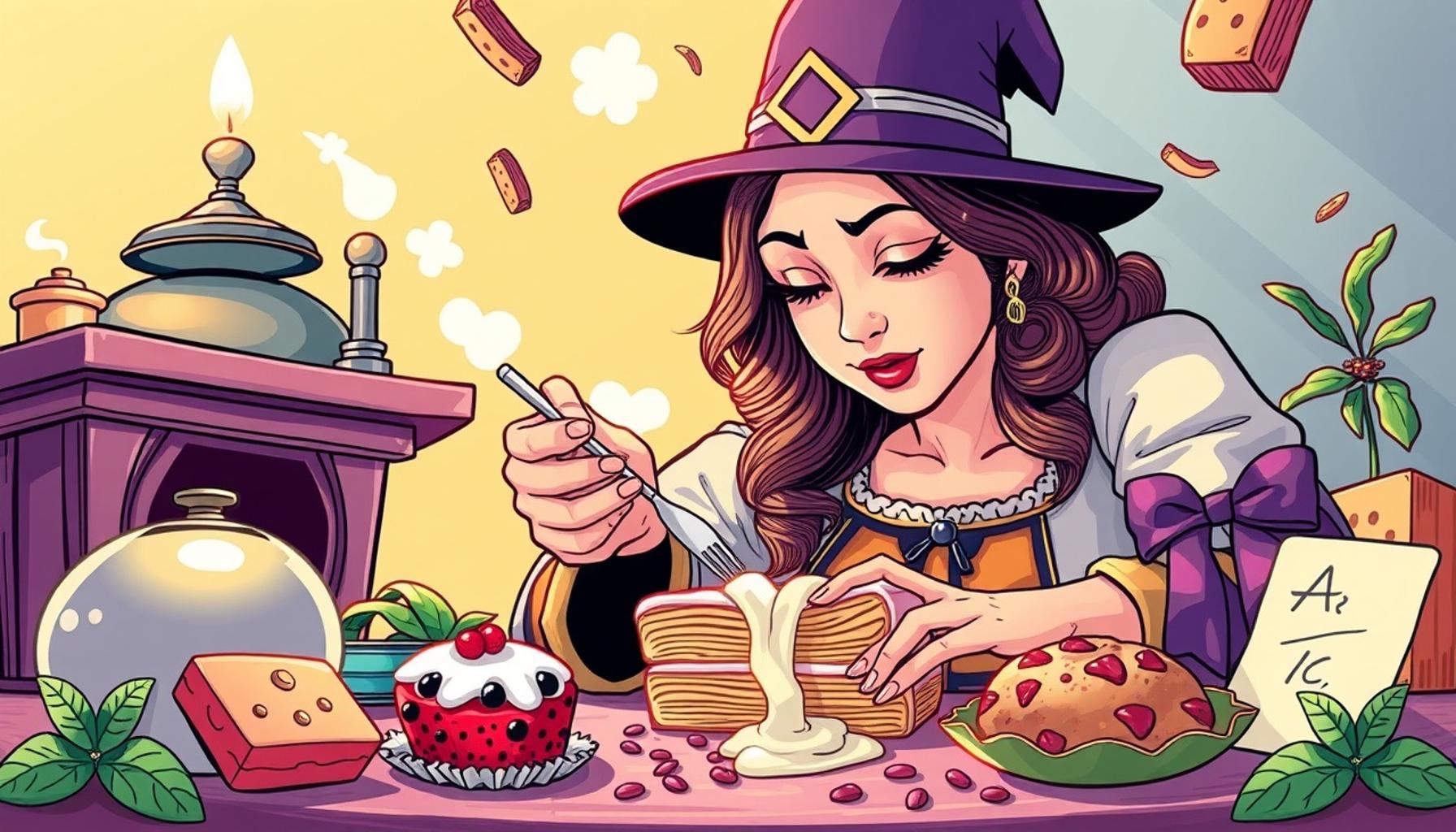
Imagine a world where flavor meets artistry, and every bite tells a story. The realm of sweets invites both seasoned chefs and enthusiastic home bakers to unleash their creativity. With various confectionery techniques at your disposal, transforming simple ingredients into stunning desserts is not just possible, but exhilarating. The art of dessert making is not merely about mixing flour and sugar; it’s about innovation and personal expression.
Why explore these techniques? Below are some captivating aspects to consider:
- Flavor Infusion: Combining spices, fruits, and herbs can create distinctive flavor profiles. For instance, think about incorporating lavender with honey in a cheesecake, or pairing fresh basil with strawberries for a refreshing sorbet. Such combinations invite your palate to a daring adventure, often resulting in exquisite surprises.
- Color Play: The hues of desserts are just as important as their flavors. Utilize natural colorants from beetroot for a vibrant cake or butterfly pea flower to add an ethereal blue. Meanwhile, intricate techniques like watercolor icing can turn a simple layer cake into an eye-catching masterpiece, delighting guests before the first bite.
- Textural Contrast: Balancing soft and crunchy elements can offer a multidimensional culinary experience. A classic example is a decadent chocolate mousse topped with a crispy tuile or a sponge cake layered with crunchy caramel shards. This interplay not only enhances the taste but makes every nibble a delightful surprise.
Popular methods, such as chocolate tempering and sugar sculpting, not only enhance flavor but elevate the overall presentation of your desserts. Chocolate tempering, a technique that involves carefully heating and cooling chocolate, results in a glossy finish and a satisfying snap. This could be the key to a perfect chocolate-covered truffle or a stunning ganache drip on a cake.
Sugar sculpting, on the other hand, goes beyond mere sweetness; it invites artistry into the culinary process. Impressive sugar glass decorations or delicate sugar flowers can turn a simple dessert into a stunning centerpiece. Techniques such as piping and mousse making can also transform ordinary cakes into crowd-pleasers. The skill of piping allows for intricate designs, and mastering the art of mousse can create the lightest and airiest textures imaginable, leaving diners in awe.
As we embark on this sweet journey, prepare to discover the magic hidden in each layer, swirl, and drizzle. From classic recipes like the all-American chocolate chip cookie to avant-garde creations like molecular gastronomy desserts, each technique opens up a window into a universe where culinary dreams come true. The world of desserts is vast, filled with possibilities that beckon you to experiment and create. Join us as we delve into the enchanting world of desserts and learn how to make them truly spectacular.
Unveiling Confectionery Techniques
As we journey deeper into the world of desserts, we find ourselves surrounded by a kaleidoscope of confectionery techniques that can elevate even the simplest sweet treat into a gourmet experience. Whether you are a novice baker or a culinary aficionado, understanding these techniques is essential for creating desserts that not only tantalize the taste buds but also captivate the eyes.
One of the cornerstones of dessert creation is the technique of baking. From delicate soufflés to robust bread puddings, the chemistry that occurs in the oven transforms basic ingredients into rich, flavorful desserts. For instance, achieving the perfect soufflé involves carefully folding beaten egg whites into a flavored base, allowing the mixture to rise beautifully, creating a light and airy texture that virtually melts in the mouth. Mastering baking may require practice, but the rewards are undoubtedly worth the effort.
Next, consider the fascinating world of candy making. This art involves precise temperature control and timing, which can be initially daunting but ultimately rewarding. Techniques such as hard candy and caramel can lead to creations like handmade lollipops or luxurious salted caramel sauces. Here are a few essential candy-making techniques to explore:
- Boiling Sugar: Understanding the various stages of sugar boiling, from thread to hard crack, is critical for creating candies like toffee and nougat that have the desired texture.
- Molding: Using silicone molds allows for unique shapes and designs. Imagine crafting bright and colorful chocolates or gummy candies that are not only a treat for the palate but also a feast for the eyes.
- Enrobing: This technique involves coating confections in chocolate or other coatings, giving treats a polished finish and an extra layer of flavor.
In tandem with candy making, the skill of pâtisserie is indispensable for anyone serious about creating stunning desserts. Pâtisserie encompasses a wide array of techniques from pastry making to custard preparation. Techniques like puff pastry and creme pâtissière can serve as the foundation for elaborate desserts such as éclair or mille-feuille, each showcasing a blend of textures and flavors. These pastries require precision and finesse, but the end results can be both rewarding and visually striking.
The art of plating cannot be overlooked either. The presentation of desserts often has the power to enhance the dining experience significantly. Techniques such as layering, drizzling, and saucing can transform a plate into a canvas, inviting diners to indulge not just in taste but in visual beauty. A drizzle of raspberry coulis over a rich chocolate tart, for example, brings a vibrant burst of color and flavor, making the simple act of eating a dessert something truly special.
By mastering these confectionery techniques, you open the door to a whole new world of dessert possibilities. With practice and passion, creating stunning desserts can become a delightful adventure that serves not only to satisfy your sweet tooth but also to express your artistic flair. So, grab your whisk, roll up your sleeves, and get ready to immerse yourself in the magical realm of sweets!
As we delve deeper into the enchanting world of confectionery, it’s vital to recognize the varied techniques that contribute to creating stunning desserts. Pâtisserie, the art of pastry-making, is a key component, encompassing an array of cakes, pastries, and creams. Each technique requires precision and a deep understanding of the ingredients involved. From the delicate layers of a choux pastry to the rich, smooth texture of a ganache, these creations are not only a feast for the palate but also a visual marvel.
Moreover, tempering chocolate is a skill that every confectioner must master. The process of heating and cooling chocolate ensures it has the right shine and snap, making it perfect for coating or decorating desserts. Understanding the science behind sugar work – such as pulling, blowing, and casting – can elevate your desserts from simple treats to stunning pieces of art. Each technique, whether it’s creating intricate sugar flowers or crafting delicate spun sugar, adds a layer of sophistication to desserts.
Additionally, color plays a crucial role in confectionery. Using edible colors not only enhances the visual appeal but can also signify flavors or themes. Many confectioners delve into color theory to master how hues interact and influence perceptions of taste. This artistic approach ensures that each dessert is not only delicious but are a representation of creativity and culinary excellence.
By approaching confectionery with this blend of art and technique, bakers are empowered to expand their creative horizons and develop unique recipes that stand out in today’s vibrant dessert landscape.
| Confectionery Technique | Advantages |
|---|---|
| Pâtisserie | Transforms flavors into edible art, showcasing technical skills. |
| Tempering Chocolate | Ensures shiny finish and perfect texture for desserts, enhancing overall taste. |
| Sugar Work | Allows for creative designs that captivate and surprise. |
| Color Theory | Engages the senses and enhances appeal, suggesting flavor and freshness. |
Advanced Techniques for Elevating Dessert Experiences
To further delve into the captivating world of sweets, we must explore advanced confectionery techniques that can genuinely set your desserts apart. These techniques may take a bit more practice, but the stunning results they yield are well worth the effort. You can impress friends and family with desserts that not only taste divine but also leave them in awe of your culinary prowess.
One advanced technique to consider is gelée or gelatin art. This elegant method uses flavored gelatin to create visually striking desserts, whether in layers or intricate shapes. Deserving mention is the famed Vietnamese che, a dessert with layers of sweetened jelly that not only taste fantastic but also offer visual splendor. Mastering gelatin art can lead to engaging presentations, where colorful motifs and patterns captivate those at your table. For the ambitious dessert creator, exploring the use of natural ingredients such as fruit purees or herbal infusions as flavor bases can elevate your creations even further.
Another compelling technique is candy sculpting, commonly utilized in extravagant cake designs. Using techniques like pulling sugar or blowing sugar allows for the creation of stunning sculptures and intricate designs that can adorn cakes and desserts. These sugar sculptures can range from delicate flowers to miniature towers that amaze guests. While sugar sculpting may require patience, the impact of incorporating these eye-catching elements can transform an ordinary dessert into a work of art.
Not to be overlooked is the technique of mousse preparation. A well-crafted mousse can be both decadent and versatile, providing a rich chocolate flavor or a light fruit experience. The key to achieving the perfect mousse lies in the incorporation of air, and understanding how to properly fold whipped cream or beaten egg whites into your base is essential. Flavored mousses can act as fillings in layered cakes or as stand-alone desserts. With the addition of a flavored coulis or sauce, your mousse can be elevated from delightful to extraordinary, pleasing both the palate and the eyes.
Let’s also consider the art of frosting and icing. Perfecting the various techniques for applying frosting can significantly affect the overall presentation of your desserts. From buttercream flowers to the smooth finish of fondant, mastering these techniques will allow you to decorate cakes and pastries with stunning visuals fit for any celebration. Experimenting with the incorporation of colors and textures, as well as adding regal touches like edible gold leaf or shimmer dust, can also bring a touch of glamour to your creations.
Lastly, the technique of deconstruction, which involves presenting traditional desserts in a non-traditional manner, has gained popularity in modern culinary circles. This technique invites creativity, allowing components of the dish — like cake, frosting, and fruit — to be reimagined in new, exciting forms. A classic strawberry shortcake deconstructed could feature a cake crumble, fresh strawberries, and whipped cream artfully arranged on the plate, inviting diners to experience familiar flavors in a fresh, engaging way.
Incorporating these advanced techniques into your repertoire not only enhances your skills in dessert-making but also opens the door to greater creativity and innovation in your dishes. The world of confectionery is a boundless realm of flavor and artistry waiting for you to explore. As you hone your craft, the possibilities for creating stunning desserts will only continue to expand, revealing the true magic of sweets.
Conclusion: Unleashing Your Inner Confectioner
As we’ve journeyed through the enchanting realm of confectionery techniques, it becomes clear that creating stunning desserts is both an art and a science. The mastery of skills such as gelatin art, candy sculpting, mousse preparation, and innovative frosting techniques not only enhance your culinary repertoire but also empower you to express your creativity. Each method offers unique opportunities to evoke wonder and delight in those who indulge in your sweet creations.
Exploring techniques like deconstruction further demonstrates the versatility of desserts in modern gastronomy, allowing traditional favorites to be presented in fresh, imaginative forms. This shift invites creativity and personal interpretation, making every dessert not just a treat but an experience. Whether you are a seasoned pastry chef or a home cook, embracing these innovative methods can transform your approach to dessert-making, and make the process as satisfying as the result.
Moreover, as you incorporate these advanced confectionery techniques into your baking, you embrace the ongoing evolution of dessert culture. With trends constantly emerging, the potential for discovery in the world of sweets is limitless. So, gather your tools, ignite your passion for creativity, and let the magic of sweets inspire you to craft desserts that captivate both the eyes and taste buds. The delightful realm of confectionery awaits your exploration, and the only limit is your imagination.