The Role of Music and Dance in Community Building: Celebrating Cultural Diversity
Exploring the Impact of Music and Dance in Communities
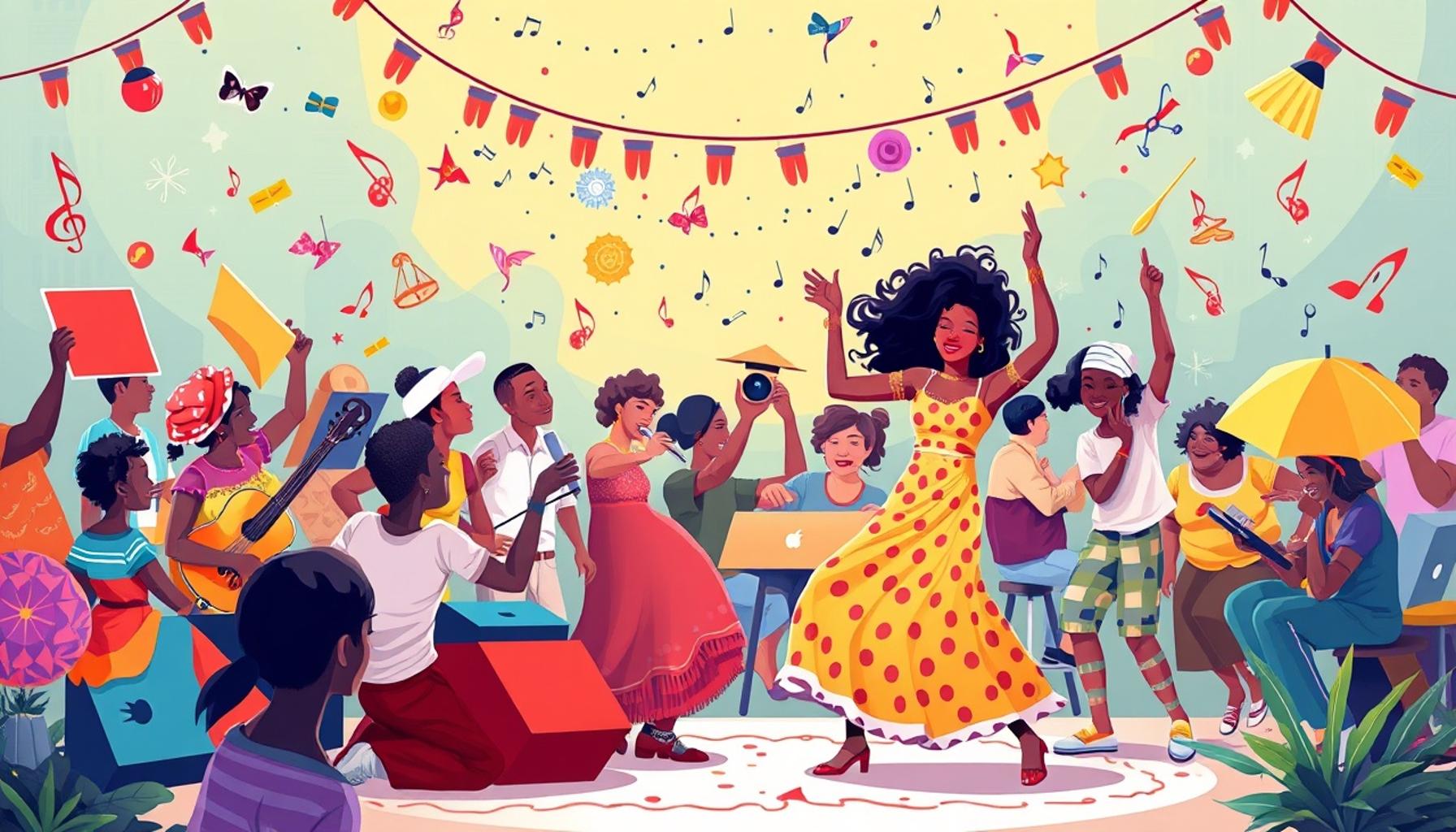
In vibrant communities across the United States, music and dance serve as powerful catalysts for connection and expression. These art forms are more than mere entertainment; they play a significant role in community building and celebrating cultural diversity. Whether it’s a community square filled with spirited dancers or a local band playing soulful tunes, the atmosphere becomes charged with energy that can unite people from all walks of life.
Across various cultures, music and dance bring together people from different backgrounds, fostering a sense of belonging and shared experience. To illustrate this point, let us explore several aspects that highlight their importance:
- Unity: Group performances encourage collaboration and teamwork. For example, local drum circles invite community members to join in, creating a collective rhythm that resonates beyond mere sound. These interactions cultivate a sense of camaraderie, as participants learn to listen and respond to one another in real-time.
- Expression: Artistic expression allows individuals to share their personal and cultural stories. A traditional Native American dance performance can convey deep connections to heritage and land, offering an empowering platform for dancers to articulate their identity and history embodied in every movement.
- Celebration: Festivals and events centered around music and dance highlight cultural heritage. For instance, the annual New Orleans Jazz & Heritage Festival showcases a vibrant mix of local musicians and dancers, honoring the city’s rich cultural legacy while drawing in attendees from across the globe, all eager to partake in the celebrations.
The diverse tapestry of America’s population is reflected vividly through local music scenes and dance traditions. Each genre or dance style offers a unique glimpse into the history and values of its creators. For example:
- Jazz: Rooted in African American history, it celebrates innovation and improvisation. From the streets of New Orleans to the smoky rooms of Harlem, jazz has continuously evolved while maintaining its core essence—a spontaneous expression of emotion and creativity.
- Flamenco: Showcasing the passion of Spanish heritage through dance and rhythm, this art form has transcended its geographical origins to create a vibrant community in places like Los Angeles, where numerous Flamenco clubs host performances that draw audiences eager to experience its intensity.
- Hip-Hop: Emerging from urban communities, it reflects socio-political themes and resilience. With its roots in the Bronx, hip-hop has grown to influence global culture while serving as a voice for those facing adversity through powerful lyrical storytelling.
As we delve deeper into the intertwined roles of music and dance, we uncover how these dynamic elements not only enrich our communities but also pave the way for greater understanding and appreciation of one another’s cultures. Through shared experiences in rhythm and movement, we learn that despite our differences, there is common ground—a universal language that binds us all. This realization can inspire further exploration of local events, dance classes, and music festivals, encouraging individuals to engage actively in their communities and discover the beauty of artistic expression that surrounds them.
The Power of Shared Experiences Through Music and Dance
Music and dance are not just forms of creative expression; they serve as vital instruments of community building by fostering unity and understanding among diverse populations. In local parks, community centers, and city streets, these art forms create opportunities for individuals to come together, forming bonds that transcend cultural boundaries. They facilitate shared experiences that can lead to meaningful dialogue and connection, reminding us that culture is a living, breathing entity that reflects our collective history.
Through collaborative music-making and dancing, participants actively engage with one another, sparking conversations and friendships that might not otherwise occur. This interaction enhances the sense of belonging in a community, allowing individuals to feel valued and recognized. A few key ways in which music and dance contribute to community cohesion include:
- Cultural Exchange: Events like cultural festivals and international dance nights allow community members to share their unique backgrounds and experiences. This intermingling fosters appreciation and understanding, as participants learn about different heritages through the universal languages of rhythm and movement.
- Social Cohesion: Gatherings centered around music and dance enable neighbors to connect on a more personal level, promoting partnerships and cooperation. Take, for instance, local street dances or summer concerts—these environments break down social barriers, turning strangers into friends.
- Emotional Well-Being: Engaging with music and dance can positively impact mental health, providing an outlet for stress relief and self-expression. Community members often find joy and solace in spontaneous jam sessions or dance circles, creating a supportive environment that uplifts spirits.
Moreover, the impact of music and dance on community building is echoed in various cultural art forms throughout the United States. For example, African American spirituals historically offered solace and strength during times of oppression, serving both as a form of protest and a celebration of resilience. Today, this historical context lives on through the revitalization of these traditions in contemporary community celebrations.
Similarly, in areas with strong Mexican-American heritage, traditional dance forms like Ballet Folklórico or Mariachi music not only reflect the rich cultural roots but also create spaces for collective celebration. Events like Día de los Muertos and Cinco de Mayo celebrations become not just festivals, but vital gatherings that connect generations, preserving customs and fostering pride.
As we delve even deeper into the role of music and dance in community settings, it becomes clear that they are fundamental in crafting the landscape of communal relationships. The exhilarating rhythms and evocative movements empower individuals to explore their identities while simultaneously recognizing the diverse fabric that contributes to the community’s strength. From local dances to large-scale festivals, these shared experiences foster an appreciation of one another and encourage engagement in cultural celebrations, reinforcing a sense of community that is both vibrant and enduring.
| Advantage | Impact |
|---|---|
| Enhanced Social Cohesion | Music and dance act as social lubricants, breaking down barriers and fostering connections among diverse community members. |
| Identity and Heritage Celebration | Through shared performances, communities celebrate their unique traditions, reinforcing pride and cultural identity. |
| Intergenerational Bonding | Music and dance create platforms for different generations to come together, share experiences, and learn from one another. |
| Community Resilience | Participating in cultural expressions through music and dance empowers communities to navigate challenges collectively. |
Community building thrives on shared experiences, and music and dance serve as potent tools to weave the fabric of diverse societies. Through enhanced social cohesion, individuals from various backgrounds find common ground, enabling meaningful interactions. Additionally, these artistic expressions allow for identity and heritage celebration, giving communities a unique voice in the mosaic of cultural diversity. This enhances not only connections but also a sense of pride.Moreover, the role of music and dance in intergenerational bonding cannot be underestimated. Engaging in cultural activities enables younger and older generations to form lasting relationships and exchange valuable knowledge. Furthermore, these elements promote community resilience, functioning as an outlet for collective healing and empowerment, especially during challenging times. The potential of music and dance is vast, inviting individuals to explore new narratives and legacies.
Music and Dance as Catalysts for Social Justice and Change
Beyond fostering unity and promoting joy, music and dance also wield considerable power as tools for social justice and advocacy. They can raise awareness about critical issues, giving voice to the marginalized and fostering solidarity within communities. When interconnected with messages of change, these art forms can become anthems for movements, transcending cultural divides to resonate with countless individuals.
For instance, the influence of hip-hop music in urban communities exemplifies how music can serve as a powerful platform for social commentary. Emerging from African American and Latino neighborhoods in the 1970s, hip-hop has evolved into a vibrant means of expressing experiences related to social inequality and injustice. Community events centered around hip-hop culture, such as open-mic nights or breakdancing competitions, not only showcase talent but also ignite important conversations regarding race, class, and identity. This genre connects generations and diverse backgrounds, ensuring that community issues remain at the forefront of public dialogue.
Intrinsically tied to social movements is the role of protest songs, which have a long history in the United States. From the civil rights anthems sung during marches to the anthems of the anti-war movement, music has played a pivotal role in galvanizing communities toward collective action. Songs like “We Shall Overcome” have become synonymous with the civil rights struggle, while more contemporary songs continue to inspire movements like Black Lives Matter. These powerful medleys of rhythm and lyrics unite audiences in a shared commitment to justice and equality, illustrating the profound impact of music on social activism.
Similarly, dance has also played an essential role in protest movements and advocacy in various cultural landscapes. The performances of groups like the Indigenous People’s Movement highlight how traditional dances can convey spiritual and political messages, reinforcing heritage while simultaneously demanding recognition and respect for indigenous rights. Events that incorporate dance as a form of protest not only energize participants but also draw in observers, creating a shared space for reflection and dialogue.
Furthermore, music and dance act as vehicles for education and empowerment within communities. Workshops and classes focused on traditional and contemporary dance styles create opportunities for knowledge transmission across generations. For example, ballroom dance studios often host events that encourage participants to learn about the roots of the dances while building interpersonal skills and confidence. Similarly, community choirs, such as local gospel groups, not only allow individuals to express their faith but also contribute to a broader understanding of cultural narratives, enhancing community ties.
As communities advance in their efforts to embrace multiculturalism, music and dance come to the forefront of initiatives aimed at healing and empathy. Programs designed around joint musical experiences, such as participatory drumming circles or dance classes that merge different styles, cultivate a sense of shared purpose and interconnectedness. These events can invigorate community spaces, transforming them into welcoming environments that celebrate differences in culture while promoting collaborative engagement.
The reciprocal relationship between music, dance, and community underscores the necessity for continued investment in cultural programming. As resources for art initiatives grow, they pave the way for an enriched society that not only honors individual experiences but also builds a collective identity bound by appreciation and respect for cultural diversity.
Conclusion: The Transformative Power of Music and Dance
In conclusion, the roles of music and dance in community building are profound and multifaceted. These expressive art forms transcend cultural boundaries, fostering unity and celebrating the rich tapestry of cultural diversity that exists within our communities. By serving as platforms for expression, communication, and education, they empower individuals to share their stories and experiences while cultivating empathy and understanding among diverse groups.
Moreover, music and dance are potent catalysts for social change. They raise awareness of important issues, galvanize action, and provide a voice to those often unheard. Whether through community performances or collective dance events, these social gatherings create inclusive environments where participants can learn from one another and engage in meaningful dialogue. The emotional resonance of songs and the visceral experience of dance foster a sense of belonging, reminding us all of our shared humanity.
As we look towards the future, it is vital to continue investing in cultural programming that integrates music and dance into community initiatives. By prioritizing these art forms, we can nurture stronger, more resilient communities that not only recognize but also celebrate their differences. Ultimately, music and dance are not merely forms of entertainment; they are essential elements of the social fabric that binds us together, reminding us of the beauty found in our diversity.